
Game review
Genome Guardian
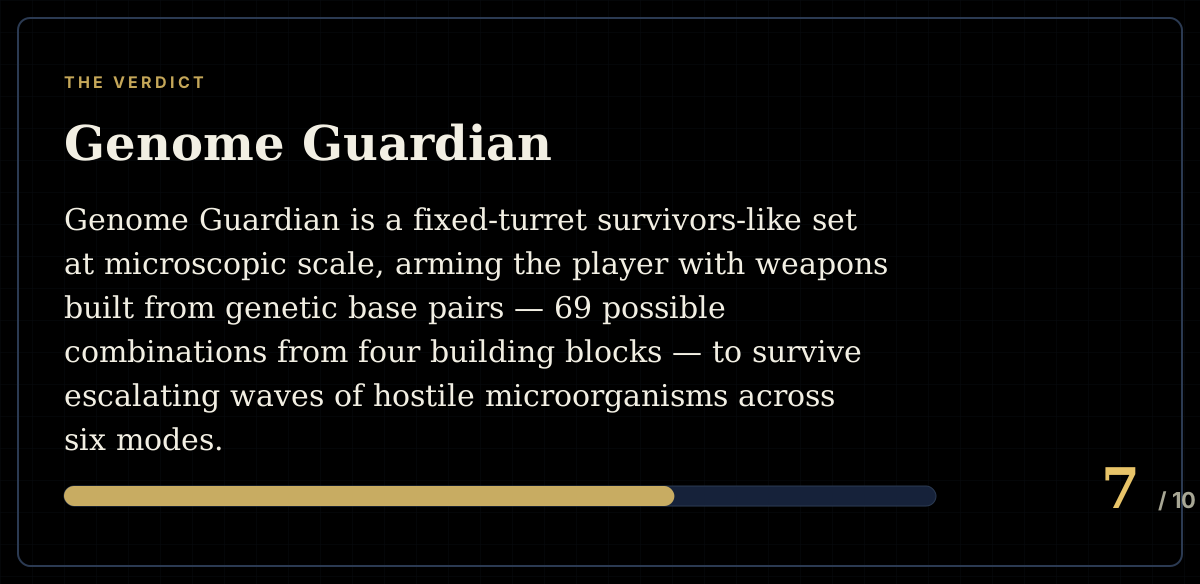
7 / 10
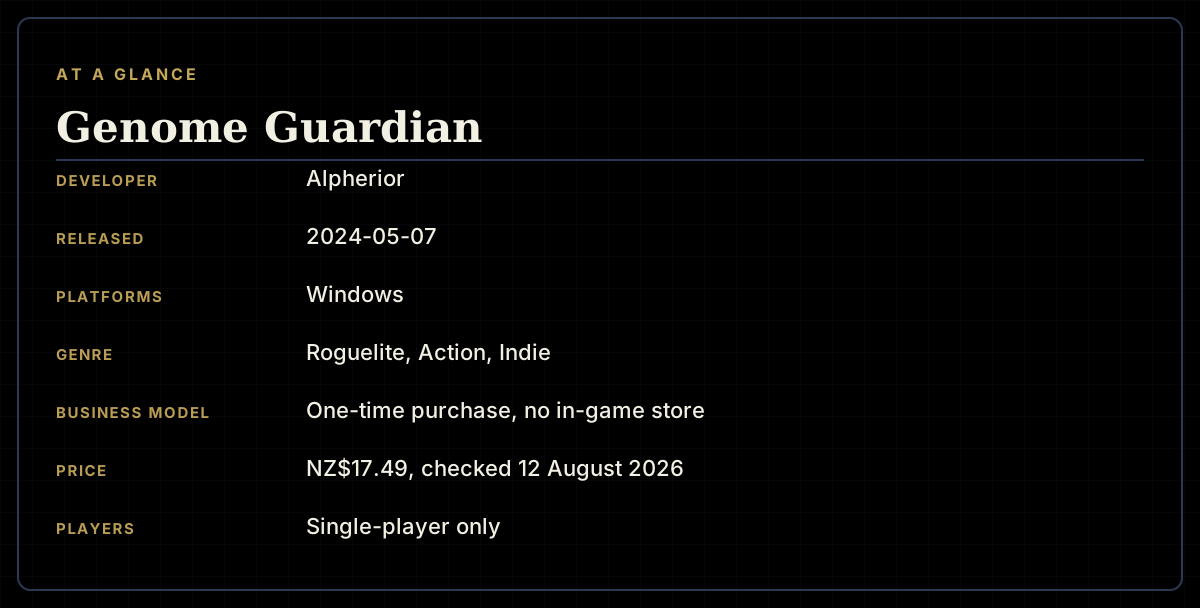
- Developer
- Alpherior
- Publisher
- Alpherior
- Released
- 7 May 2024
- Platforms
- Windows
- Genre
- Roguelite, Action, Indie
- Monetisation
- One-time purchase, no in-game store
- Players
- Single-player only
The short version
Genome Guardian is a fixed-turret survivors-like set at microscopic scale, arming the player with weapons built from genetic base pairs — 69 possible combinations from four building blocks — to survive escalating waves of hostile microorganisms across six modes. Developed and self-published by Alpherior, it released on 7 May 2024. Its 712 English-language Steam reviews sit at Very Positive, roughly 91.6%, and reading the full negative sample of 60 reviews alongside the top positives finds an unusually specific agreement across the divide: the genetic-combination hook is genuinely clever and well liked, but both critics and some of the game's own defenders say the sheer volume of turrets, perks and trial modifiers has outpaced the balance work needed to make them all feel fair.
Biggest strengths
- The genetic weapon-combination system — building loadouts from base-pair components rather than a conventional item list — draws specific, repeated praise as a genuinely fresh twist on the survivors-like formula
- Reviewers place it credibly alongside Vampire Survivors and Brotato as a strong entry in the genre, citing real strategic depth in how turrets, perks and enemy evolution interact
- The amount of content is substantial for the price, with reviewers still discovering new turrets, perks and game modes many hours in
Biggest weaknesses
- The most consistent complaint, echoed even by some positive reviews, is that quantity has outpaced quality: too many turrets, weapons and especially trial modifiers that reviewers describe as janky or unfairly tuned relative to a smaller, better-balanced roster
- Several detailed reviews report base weapon accuracy feels poor without specific upgrades, leading to early-run frustration before a build comes online
- A cluster of reviewers describe hitting a build ceiling early in a run, after which the back half of a session repeats the same actions without meaningful new decisions
Who it's for: Vampire Survivors and Brotato fans looking for a genuinely different build-crafting hook and don't mind some jank in exchange for real depth; less suited to anyone who wants a tightly curated, thoroughly balanced roguelite experience.
Our recommendation: A clever, content-dense turret-survivors hybrid worth trying via its free demo first, since its own negative reviews largely agree on what's wrong rather than disagreeing on whether the core idea works.
7 / 10
Introduction
Genome Guardian drops the player into a microscopic battlefield as a fixed turret, building weapon loadouts out of genetic base pairs — the C, T, G and A of DNA — rather than the conventional item-pickup lists most survivors-likes use, and setting the resulting arsenal against escalating waves of hostile microorganisms across six different game modes. Alpherior developed and self-published it, releasing on 7 May 2024. Reading the full available negative sample of 60 English-language reviews alongside the top 100 positives, out of a Very Positive corpus (roughly 91.6% across 712 reviews), finds a review base that largely agrees on the game's central idea and splits mainly over whether the sheer amount of content built around it has been tuned carefully enough.
A genuinely fresh combination hook
The genetic theme isn't just dressing. Reviewers describe building weapons from base-pair components that combine into 69 distinct configurations, and several credit this directly as the game's standout idea — a real alternative to the item-pool structure most of the genre defaults to. One detailed review placed it credibly alongside Vampire Survivors and Brotato, noting Genome Guardian "does a lot of things different" from its obvious influences, including an inability to move the turret itself, which shifts the skill expression entirely onto positioning of weapons and build choices rather than dodging. Another reviewer specifically praised how much variety the mutation system extracts from a relatively small set of base components, calling it "incredible" that four weapon types could yield so much strategic range. The content volume itself draws real praise too — one review, seven hours in, said they still hadn't unlocked a fraction of the total perks, turrets and modes on offer.
When more content works against you
Here's where the sample turns instructive, because the complaint isn't really a disagreement about what the game should be — it's a shared observation about execution. The single most-upvoted negative review, from a reviewer with nearly 70 hours logged, put it plainly: the developer "leaned waaaaaay too far into quantity over quality," with "so many turrets, so many weapons, and especially so many janky, unfair, grinding trials," arguing the game would be stronger with fewer, more distinct and better-balanced options rather than the current sprawl. That's precisely the shape of complaint this library has seen before in randomised build games that keep adding content without adding the tools to reliably find what you're looking for within it — the pool gets wider, but not every addition to it is pulling its weight. A related, more specific thread argues base weapon accuracy feels poor before a run's upgrades kick in, leaving an awkward early stretch where enemies "glide right through" a hail of bullets. A different but connected complaint describes the opposite problem at the other end of a run — builds maxing out early, after which the remaining waves repeat the same actions without new decisions to make.
A smaller, more targeted criticism singles out the weapon heat management mechanic specifically, with multiple reviewers saying it "kills the fun" and adds friction rather than meaningful strategic tension. It's a useful example of the broader pattern: a system that sounds interesting on paper — managing overheating as a resource — reads in practice as one more sub-system competing for attention in a game that already has a great deal going on.
Final Verdict
Genome Guardian earns its Very Positive score on the strength of a genuinely original hook: building weapons from genetic components rather than a conventional loot list gives it real identity next to Vampire Survivors and Brotato, and there's a substantial amount of content for a reasonable price. Where it comes up short of a stronger score is the tuning work behind that content — its own critics, and even some of its fans, converge on the same diagnosis that there's simply more here than has been carefully balanced, from unfair trial modifiers to an early-run accuracy problem to builds that plateau before a run is over. Try the free demo first; it will tell you quickly whether the combination system clicks for you, which is the part of this review's sample everyone seems to agree on.
Pros and cons
Pros
- The genetic weapon-combination system — building loadouts from base-pair components rather than a conventional item list — draws specific, repeated praise as a genuinely fresh twist on the survivors-like formula
- Reviewers place it credibly alongside Vampire Survivors and Brotato as a strong entry in the genre, citing real strategic depth in how turrets, perks and enemy evolution interact
- The amount of content is substantial for the price, with reviewers still discovering new turrets, perks and game modes many hours in
- A free demo exists, letting a prospective buyer test the core loop and combination system before committing
Cons
- The most consistent complaint, echoed even by some positive reviews, is that quantity has outpaced quality: too many turrets, weapons and especially trial modifiers that reviewers describe as janky or unfairly tuned relative to a smaller, better-balanced roster
- Several detailed reviews report base weapon accuracy feels poor without specific upgrades, leading to early-run frustration before a build comes online
- A cluster of reviewers describe hitting a build ceiling early in a run, after which the back half of a session repeats the same actions without meaningful new decisions
- A specific mechanic — weapon heat management — draws direct, repeated criticism as adding friction rather than interesting decision-making to combat
Screenshots
-
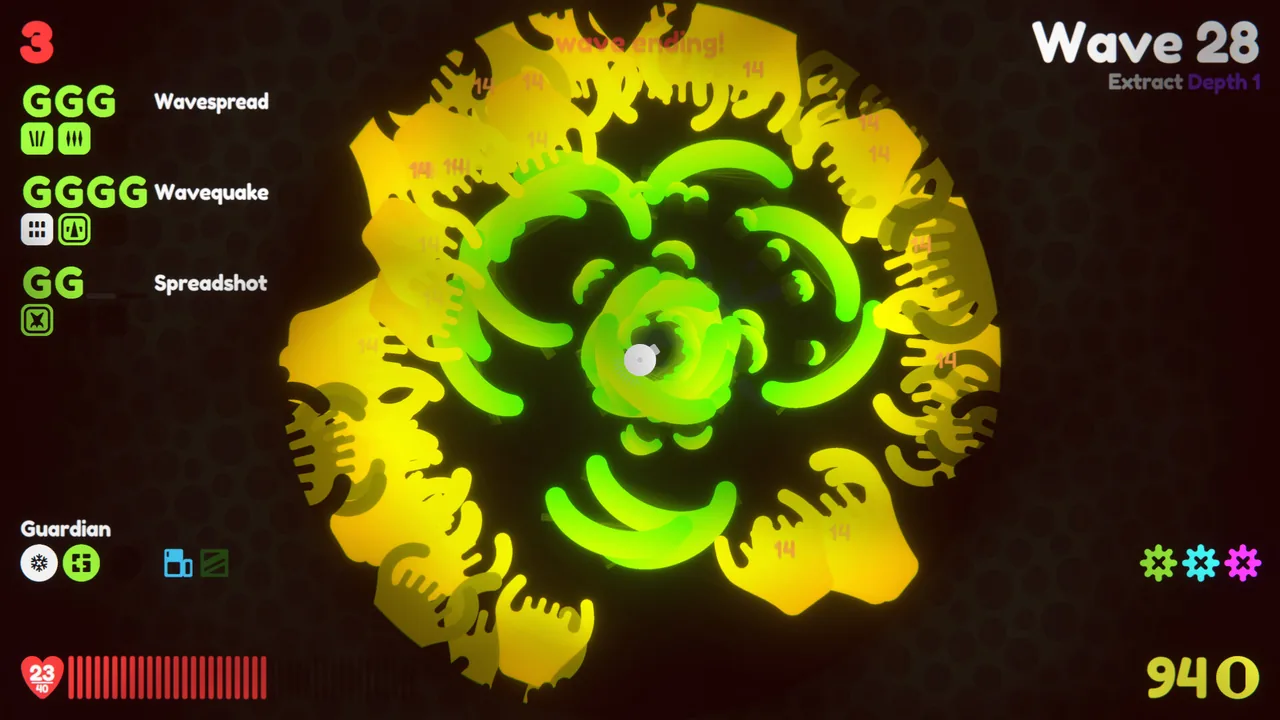
Genome GuardianImage: Alpherior via Steam -
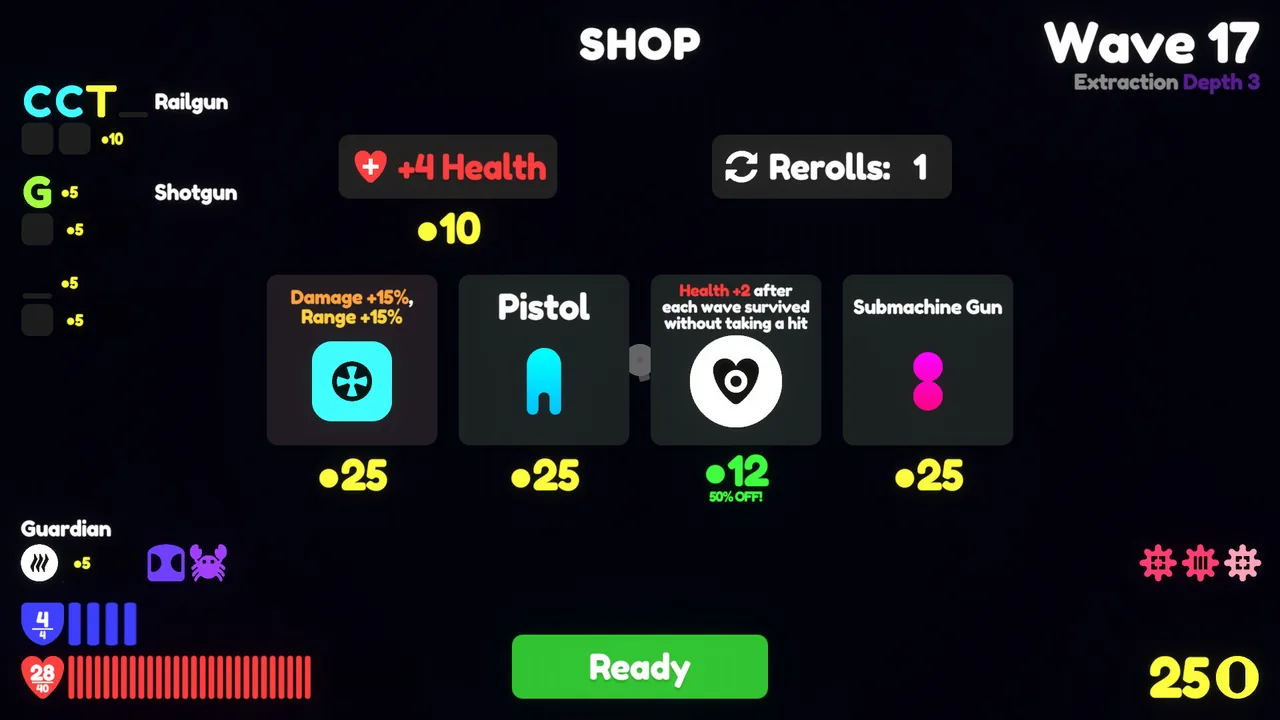
Genome GuardianImage: Alpherior via Steam -
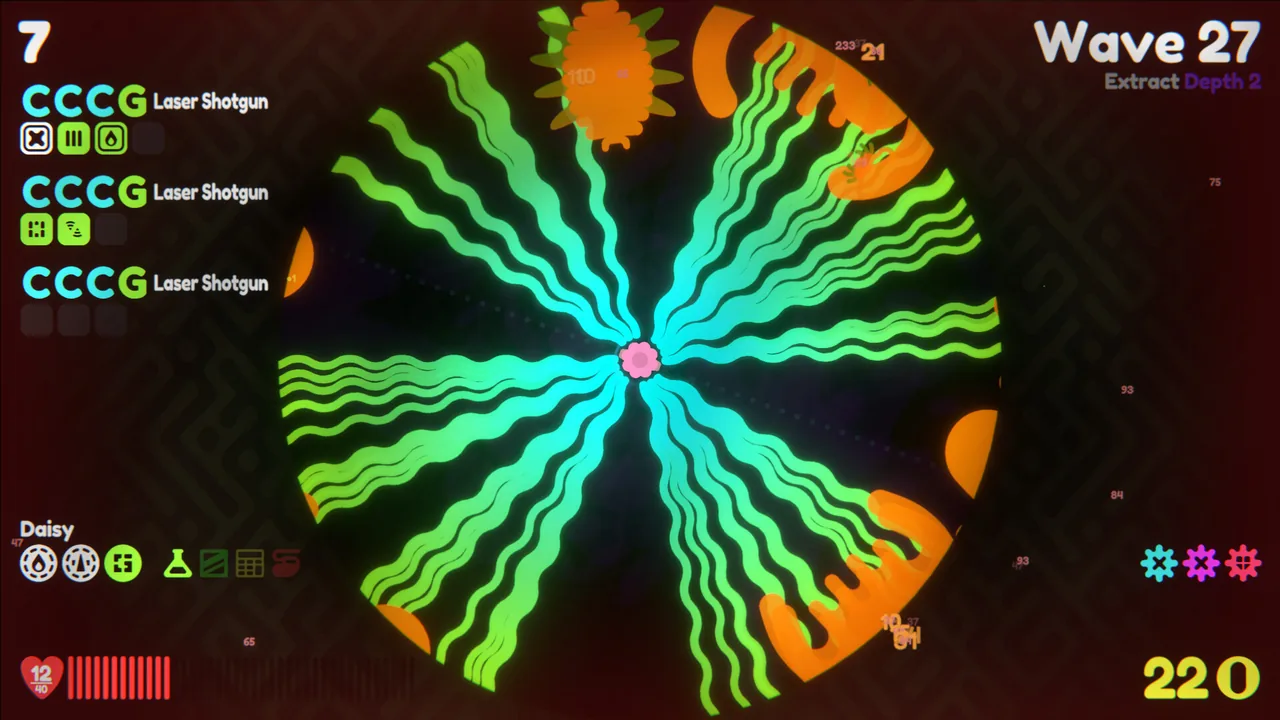
Genome GuardianImage: Alpherior via Steam -
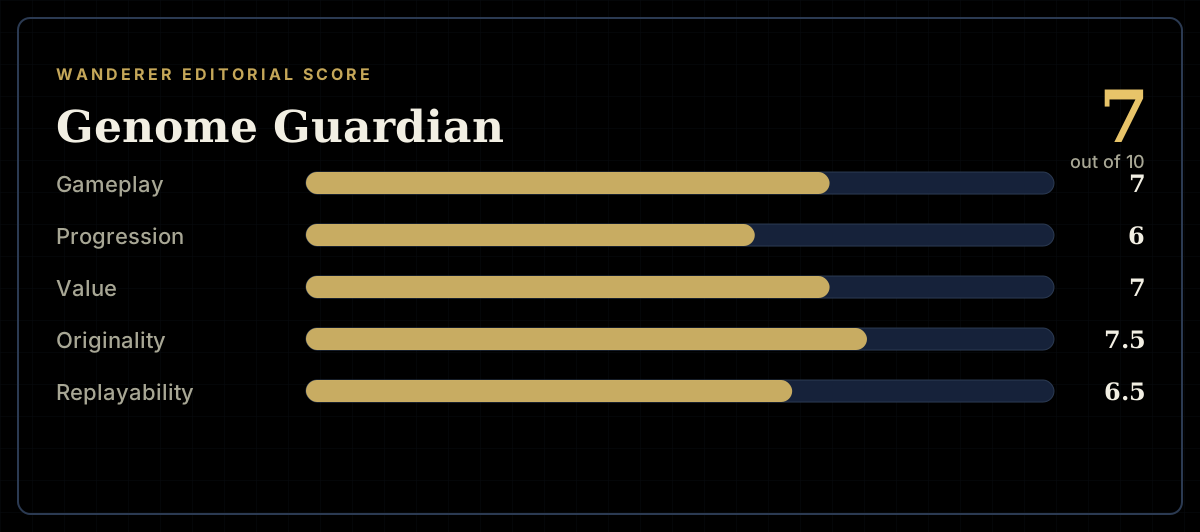
How the review scores each part of the gameWanderer Editorial -
The essentials at a glanceWanderer Editorial -
The short versionWanderer Editorial