Game review
Far Fishing
7 / 10
- Developer
- LostVolBytes
- Publisher
- LostVolBytes
- Released
- 26 June 2025
- Platforms
- Windows
- Genre
- Casual, Indie
- Monetisation
- paid
- Players
- false
The short version
Biggest strengths
- A satisfying, easy-to-learn incremental loop of catching fish, unlocking upgrades, and pushing toward the edge of the map, which multiple reviewers described as genuinely addictive across a short two- to five-hour completion time
- A clever, well-paced prestige system tied to a fixed number of in-game years per expedition, giving each run a clear sense of stakes and forward progress
- Excellent value at $2.99, with reviewers repeatedly citing the low price as removing most of their reservations about the game's short length
Biggest weaknesses
- A well-corroborated complaint that the game's forced prestige timer and hazard-heavy later stages create real stress rather than the relaxation the game's presentation promises
- A slow, frustrating early game that several reviewers found actively unwelcoming, requiring multiple failed runs before affordable upgrades make progress feel fair
- No actual fishing minigame: catching a fish is reduced to steering into it and holding position, which some reviewers found made the loop feel shallower than expected for the genre
Who it's for: Fans of short, cheap incremental and prestige-loop games who enjoy a fishing theme and don't need the experience to feel especially relaxing to enjoy it
Our recommendation: recommended
7 / 10
Far Fishing released on Steam on June 26, 2025, a $2.99 incremental game from solo-adjacent studio LostVolBytes, the developer behind the similarly structured Nebulock. The pitch is simple: pilot a small ship, catch fish by steering into them and holding position until a progress bar fills, sell your catch for upgrades, and push farther out toward the edge of the world before your expedition's clock runs out. It's a tight, cheap loop, and a strongly positive 613-review English pool (593 positive, 20 negative, Overwhelmingly Positive) largely agrees it works — though a meaningful and specific slice of that pool pushes back hard on the game's "relaxing" framing.
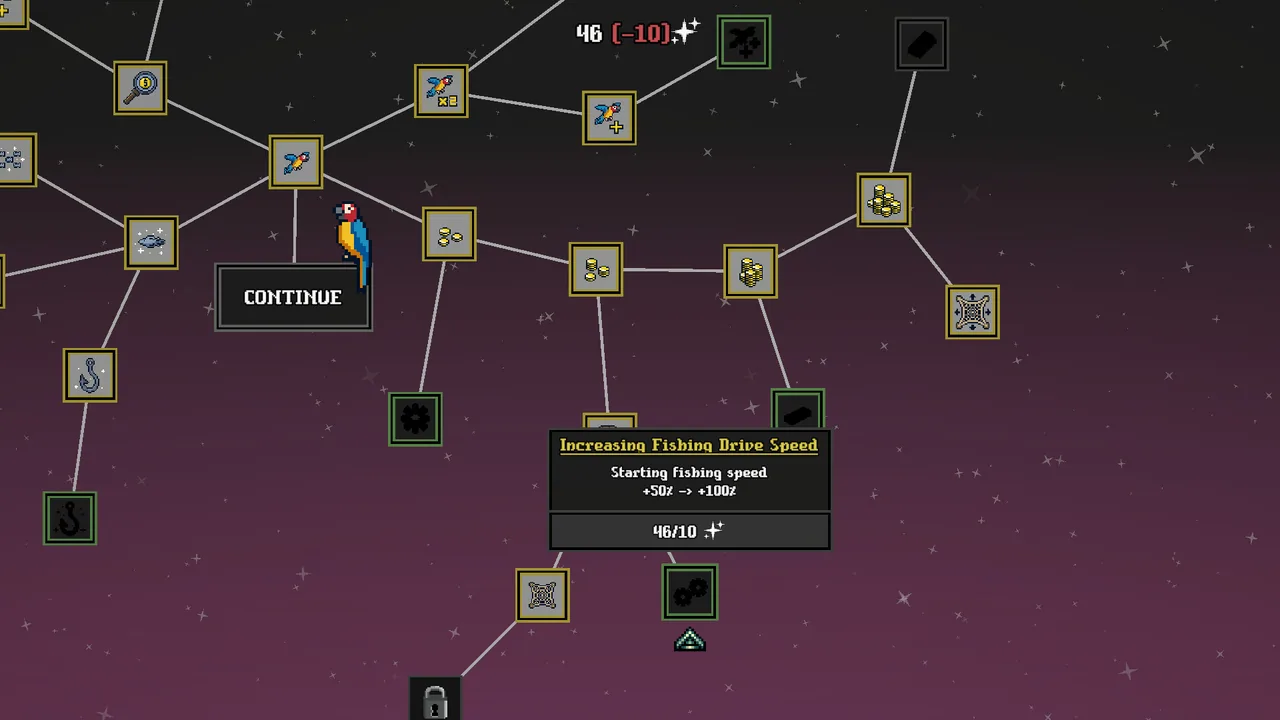
The core progression loop draws the most consistent praise, and reviewers who enjoy the incremental genre in particular found it a standout example of the form. One reviewer who claimed to own around thirty similar games wrote that this one "really got me hooked fast and I couldn't stop playing," adding they'd have happily paid three times the asking price. Another highlighted the prestige system specifically as well designed, noting that the fixed "expedition years" mechanic — spending a limited time budget per run, with harder areas costing more years but yielding more prestige currency — kept the game "always progressing in meaningful ways." Several reviewers converged on nearly identical praise for the game's brevity, framing its two-to-five-hour completion time not as a shortcoming but as evidence the developer knew exactly how long the concept could sustain itself without overstaying its welcome.
Set against that praise, the pool's clearest and most consistently corroborated criticism is that the game's stress-inducing design choices sit awkwardly with its cozy, relaxing marketing. One detailed negative review from a self-described fan of the developer's earlier game laid out the core tension precisely: a hard time limit that punishes any mistake with lost progress, fish that require fast reflexes to actually catch, and later areas that introduce real hazards, including damage and death, none of which felt "relaxing" to that player despite the framing. A separate reviewer reached a similar conclusion by a different route, arguing that once the prestige system starts accelerating, "actual progression/gameplay stops mattering," turning what should be a satisfying climb into a race to bank points before a forced restart. That multiple, otherwise-engaged reviewers across a range of playtimes independently flagged this same mismatch between tone and mechanics makes it a fair and well-sourced criticism rather than a one-off complaint.
A second, closely related complaint concerns the game's opening hour, which several reviewers singled out as actively unwelcoming. One reviewer described being pushed by the game's own tutorial into unlocking a second area before they could afford the upgrades needed to survive it, forcing an early, unproductive restart within roughly fifteen minutes of starting. Another made nearly the same point in more detail, writing that the correct early strategy — prioritizing speed upgrades over the cargo upgrade the game nudges players toward first — isn't available on the first run at all, calling it "really poor design." This is a fixable first-impression problem rather than a fundamental flaw, but it's specific and repeated enough across the pool to be worth flagging for anyone who might otherwise bounce off in the first ten minutes.
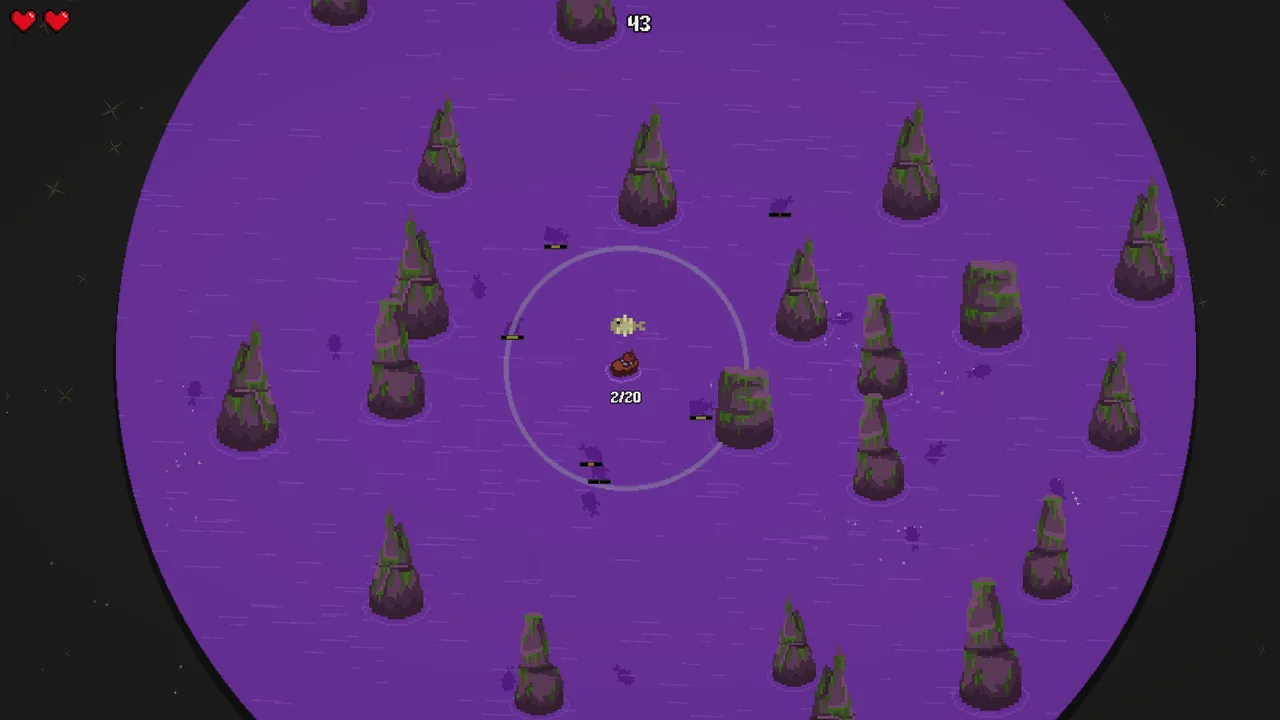
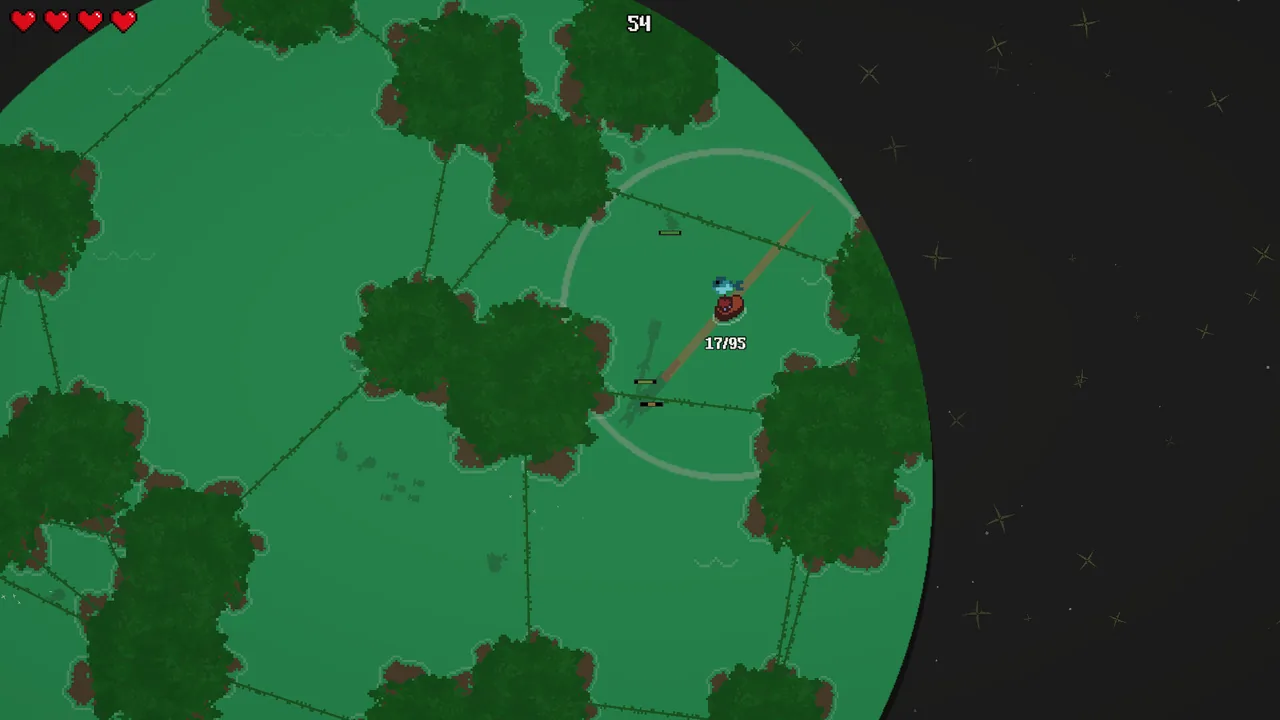
A smaller, more clinical complaint concerns just how literally the game interprets "fishing." One detailed negative review pointed out that Far Fishing has no actual fishing minigame at all — catching a fish means simply steering close enough and waiting, with no timing, tension, or skill check involved beyond basic navigation — and argued that later stages mostly just obscure visibility with coral or fog rather than deepening that core interaction meaningfully. A separate reviewer raised a more serious, specific accessibility point: several stages rely on visual cues like heavy fog, single-color palettes, or fish that are only briefly visible, which they found genuinely difficult to parse even with normal vision, a real concern for players with vision impairments considering the purchase.
It's worth noting the negative reviews here skew unusually detailed and constructive rather than dismissive — several negative reviewers explicitly said they wanted to like the game and offered specific, actionable suggestions like removing the hard timer or adding a quality-of-life currency track, rather than writing the game off outright. That tone suggests a game that's fundamentally sound but tuned in a way that actively fights its own pitch for a meaningful minority of players, rather than one with any deeper structural problem.
Not every complaint in the pool landed as widely corroborated, and it's worth being clear about which ones didn't. A single reviewer reported significant stuttering and rubber-banding on their laptop, describing fish and their own ship "teleporting" around the screen, but explicitly flagged uncertainty about whether their own hardware was to blame, and no other reviewer in the sampled pool reported anything similar — treated here as an isolated, unverified performance report rather than a systemic issue. A handful of players also wished for quality-of-life additions like a fish-collection log to track species caught, a reasonable but minor suggestion rather than a genuine shortcoming, since it doesn't affect how the core loop plays. On the whole, technical stability wasn't a meaningful theme across the broader pool the way the pacing and tone complaints were.
Taken together, Far Fishing is a well-crafted, inexpensive incremental game that mostly delivers on its "sail to the edge of the world" premise, and its price point makes even the shorter, rougher stretches easy to forgive for most players. The relaxing framing, though, doesn't hold up for everyone, and the well-corroborated stress complaints are worth taking seriously if a genuinely low-pressure experience is the specific reason you're considering it. For incremental and prestige-loop fans generally, it's an easy, cheap recommendation regardless.
Pros and cons
Pros
- A satisfying, easy-to-learn incremental loop of catching fish, unlocking upgrades, and pushing toward the edge of the map, which multiple reviewers described as genuinely addictive across a short two- to five-hour completion time
- A clever, well-paced prestige system tied to a fixed number of in-game years per expedition, giving each run a clear sense of stakes and forward progress
- Excellent value at $2.99, with reviewers repeatedly citing the low price as removing most of their reservations about the game's short length
- Distinct, well-designed later areas that introduce genuine hazards like environmental obstacles and aggressive fish, adding welcome variety to the core catching loop
Cons
- A well-corroborated complaint that the game's forced prestige timer and hazard-heavy later stages create real stress rather than the relaxation the game's presentation promises
- A slow, frustrating early game that several reviewers found actively unwelcoming, requiring multiple failed runs before affordable upgrades make progress feel fair
- No actual fishing minigame: catching a fish is reduced to steering into it and holding position, which some reviewers found made the loop feel shallower than expected for the genre
- Visibility issues in some later stages, including heavy fog and obscured fish, that at least one reviewer flagged as a real accessibility concern for players with vision impairments
Screenshots
-
Far FishingImage: LostVolBytes via Steam -
Far FishingImage: LostVolBytes via Steam -
Far FishingImage: LostVolBytes via Steam