Game review
Escape Simulator 2 Review: A Confident Sequel With One Infamous Flaw
7.9 / 10
- Developer
- Pine Studio
- Publisher
- Pine Studio
- Released
- 27 October 2025
- Platforms
- ["PC", "VR"]
- Genre
- Co-op Puzzle
- Monetisation
- Paid
- Players
- true
The short version
Escape Simulator 2 does almost everything a sequel should, bigger rooms, a more grown-up art style, real VR support, and content reviewers say is worth well more than the asking price, but a genuinely notorious final puzzle and recurring multiplayer sync bugs stop it just short of a clean sweep.
Biggest strengths
- Reviewers consistently praise the leap in production values, describing bigger, less claustrophobic room layouts, a more realistic art style, and noticeably improved lighting compared to the original game
- The game is widely seen as strong value, with one reviewer calling it 'the equivalent of 3 DLCs for 3 DLCs worth of content' rebuilt in a new engine rather than a thin, overpriced sequel
- VR support carries over cleanly according to reviewers testing it on modern headsets, with one detailed VR-focused review reporting a steady 90fps and comfortable seated play alongside full locomotion options
Biggest weaknesses
- Multiple reviewers report multiplayer sync issues, including being kicked from sessions with a 'wrong version' error mid-playthrough and losing accumulated inventory progress as a result
- A widely discussed final puzzle in the story campaign requires such specific outside knowledge that one detailed reviewer said solving it legitimately would require being a subject-matter expert on 'one very, very specific thing,' leaving most players to simply search for the answer online
- Several reviewers feel the sequel leans harder into standalone math and logic minigames at the expense of the first game's more collaborative, environmental puzzle design, reducing the sense of two people searching a room together
Who it's for: Co-op puzzle groups and fans of the original Escape Simulator who want a meatier, better-looking sequel, rather than solo players or anyone who wants every puzzle to be solvable through in-game logic alone.
Our recommendation: A confident, well-reviewed upgrade over the original that's easy to recommend for a group, just be ready to look one specific answer up online rather than solve it yourselves.
7.9 / 10
Escape Simulator 2 had a specific job to do: take the co-op puzzle formula that made the original a fan favourite and make it bigger, sharper, and more capable, without losing what made people fall in love with it in the first place. Developed and published by Pine Studio, it launched to an overwhelmingly positive reception, 92% positive across 1,912 reviews, with a 20-review English-language sample that reads like a genuinely happy fanbase working through one specific, widely shared frustration.
A Confident, Polished Leap Over the Original
The clearest throughline in the sample is that this feels like a proper sequel rather than a reskin. One reviewer's bullet-point breakdown sums up the consensus: "Bigger Maps (you don't feel claustrophobic anymore)," a more "Realistic art style" with lighting that "looks absolutely incredible," and "Great performance" even on modest hardware. Another reviewer who put in over 20 hours framed the shift more poetically, describing the original as seeing the world "through the eyes of a child," colorful and easy, against the sequel's "eyes of a grown-up" feel, with longer levels, harder puzzles, and tougher-to-find secret tokens delivering "a more mature flavor of the same great room escape recipe."
Real Value for a Rebuilt Engine
Reviewers are unusually consistent about value for money. One reviewer specifically called out that Pine Studio "remade the game in a new engine, with better fleshed out opportunities" while charging roughly what three DLC packs for the original would have cost, framing it as "a very confident game that's exactly what the fans were looking for." A newer lobby system and a reworked token-collection system with real incentives to find every one also draw specific praise, with one reviewer whose jaw "literally dropped" at launch calling it "unlike anything else I played." That same reviewer pushed back on players who were review-bombing the game over bug reports rather than actual design flaws, arguing the underlying content and presentation deserved to be judged separately from launch-window technical hiccups. The level editor also carries over and expands on the original's, with one early reviewer calling it "robust" while noting it currently lacks some props compared to what the community eventually built for the first game, something they expect to be addressed as fan-made content grows.
VR Support That Holds Up
For a genre that lives or dies on physical, hands-on interaction, VR carrying over well matters. One detailed review, tested on a Meta Quest 3 during the VR Open Beta, reports the mode "feels almost like an officially supported VR title," with full locomotion, smooth or snap turning, comfortable seated play, and a steady 90fps on high-end hardware. The same reviewer found only one minor issue, a black screen triggered by backing into an in-game tree, resolved simply by moving away, and rated the overall experience as an easy recommendation for anyone who enjoyed VR support in the first game.
A Puzzle Design Shift That Splits Opinion
Not every change lands universally. Several reviewers note the sequel leans more heavily on standalone math and logic minigames, compared to the original's more collaborative, environmental puzzle design. One reviewer specifically contrasts a pipe-routing puzzle to "rotating puzzle from Resident Evil 4," arguing it "has nothing to do with the escape room" and can effectively be solved by one person good at logic puzzles rather than requiring genuine two-person searching and clue-sharing. That reviewer still recommends the game, but frames the shift as a real step down in the specific kind of co-op problem-solving that made the original stand out.
The Puzzle Everyone's Talking About
The sample's single most consistent complaint targets one specific late-game puzzle. A detailed, mostly positive review describes it as "not a difficult puzzle" and "not an impossible puzzle either," but one built around knowledge "so obscure and irrelevant to the game" that solving it without external help is effectively impossible for the vast majority of players. Their conclusion, after building anticipation through the whole campaign toward this moment, was blunt: "Good luck. Have fun. Yes for the levels leading up to the conclusion. No for the conclusion." A developer response appears directly on that review in the sample, suggesting the studio is aware of and actively engaging with the criticism.
Multiplayer Bugs Undercut the Social Experience
Given this is fundamentally a game about playing with other people, sync issues carry outsized weight. One reviewer reports being kicked from an in-progress session with a "wrong version" error after a couple of hours, forcing the group to restart a section and lose all accumulated inventory. A separate reviewer flags a bugged "Get All Trophies" achievement that refuses to trigger despite completing every theme, jigsaw, and secret temple in the game, stating plainly they would upgrade their review to positive once it's fixed. That same reviewer listed their completion in exhaustive detail, every theme finished in under 45 minutes, every token obtained, every dark puzzle cleared, treating the achievement bug as the one thing standing between a fully completed playthrough and formal recognition of it. Neither issue appears to be universal, most of the sample reports smooth co-op sessions, but both point to rough edges in the online layer that a puzzle-focused co-op game can't really afford.
Final Verdict
Escape Simulator 2 mostly delivers on the promise of a proper sequel: bigger, better-looking rooms, meaningful VR support, and a level of polish and content that reviewers consistently say outstrips its price. What keeps it from a stronger score is concentrated in two specific, well-documented spots: one genuinely poorly designed final puzzle that breaks the game's own social contract with players, and multiplayer syncing bugs that occasionally undo real progress. Neither is disqualifying, but both are exactly the kind of specific, fixable issues worth knowing about before diving in with a group expecting a completely smooth ride.
Pros and cons
Pros
- Reviewers consistently praise the leap in production values, describing bigger, less claustrophobic room layouts, a more realistic art style, and noticeably improved lighting compared to the original game
- The game is widely seen as strong value, with one reviewer calling it 'the equivalent of 3 DLCs for 3 DLCs worth of content' rebuilt in a new engine rather than a thin, overpriced sequel
- VR support carries over cleanly according to reviewers testing it on modern headsets, with one detailed VR-focused review reporting a steady 90fps and comfortable seated play alongside full locomotion options
Cons
- Multiple reviewers report multiplayer sync issues, including being kicked from sessions with a 'wrong version' error mid-playthrough and losing accumulated inventory progress as a result
- A widely discussed final puzzle in the story campaign requires such specific outside knowledge that one detailed reviewer said solving it legitimately would require being a subject-matter expert on 'one very, very specific thing,' leaving most players to simply search for the answer online
- Several reviewers feel the sequel leans harder into standalone math and logic minigames at the expense of the first game's more collaborative, environmental puzzle design, reducing the sense of two people searching a room together
Screenshots
-
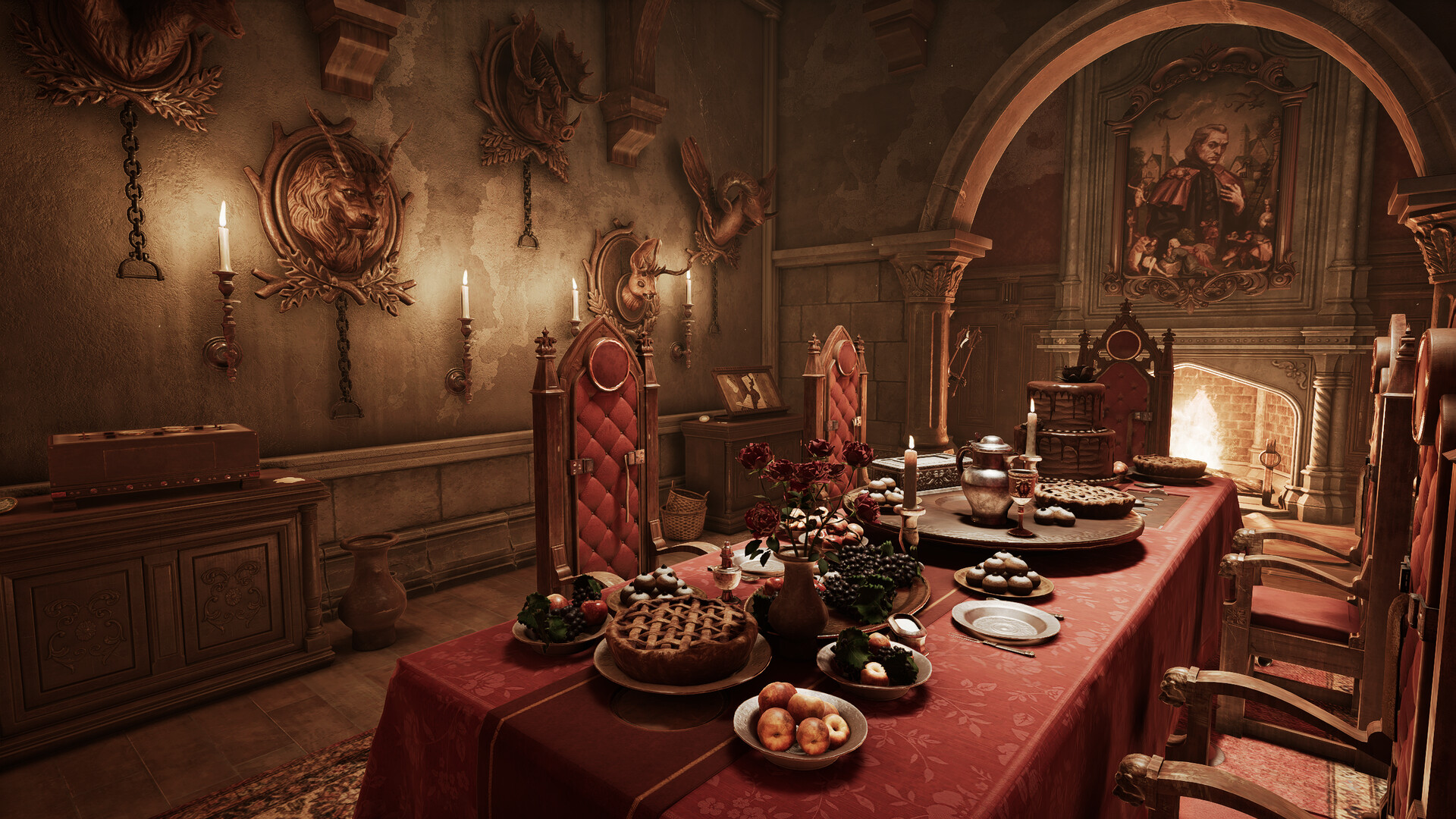
One of the game's more elaborate, realistically lit rooms, the kind of production jump reviewers said set the sequel apartPine Studio -
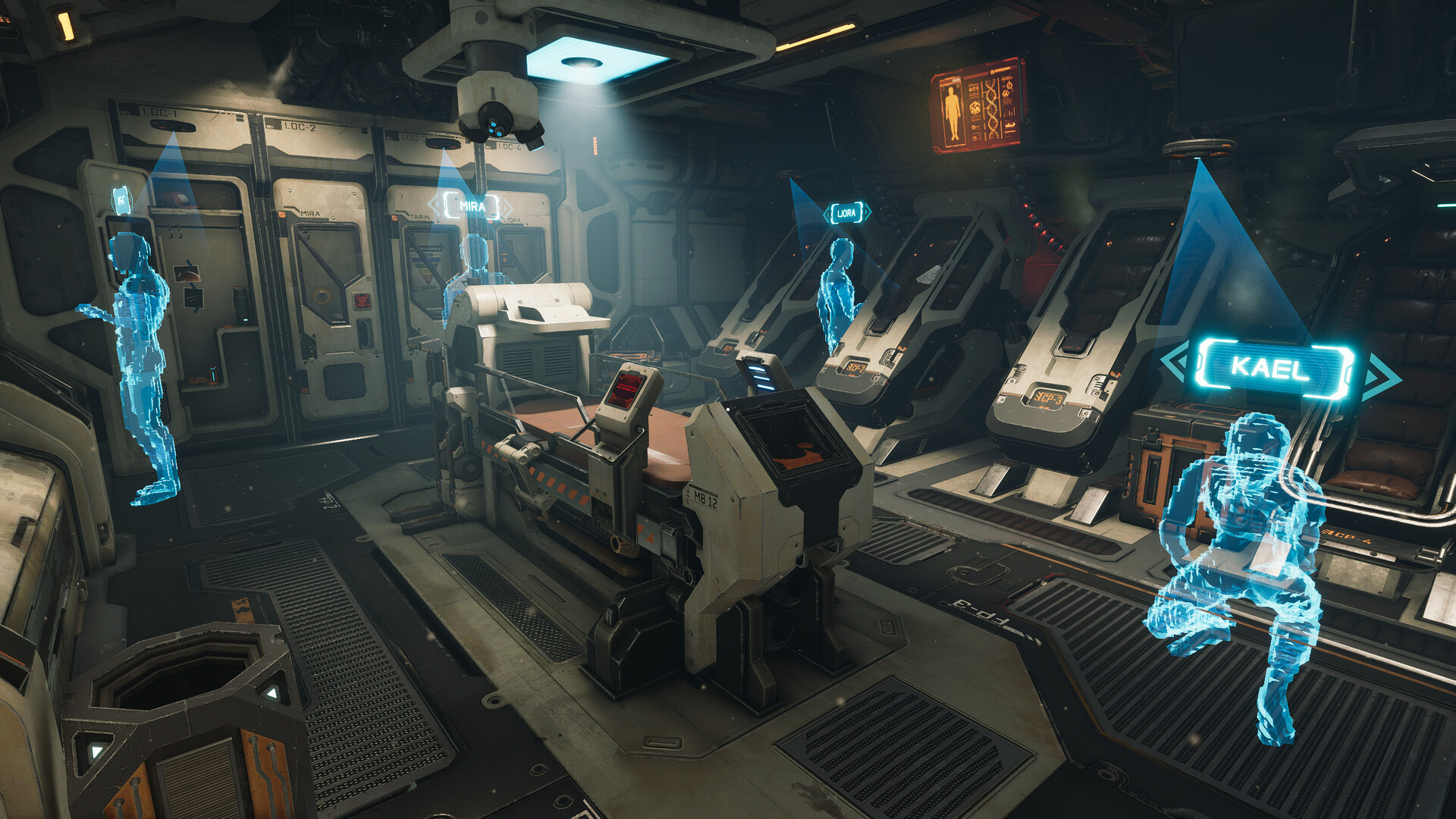
A sci-fi themed room using holographic character markers to guide co-op players through the spacePine Studio -
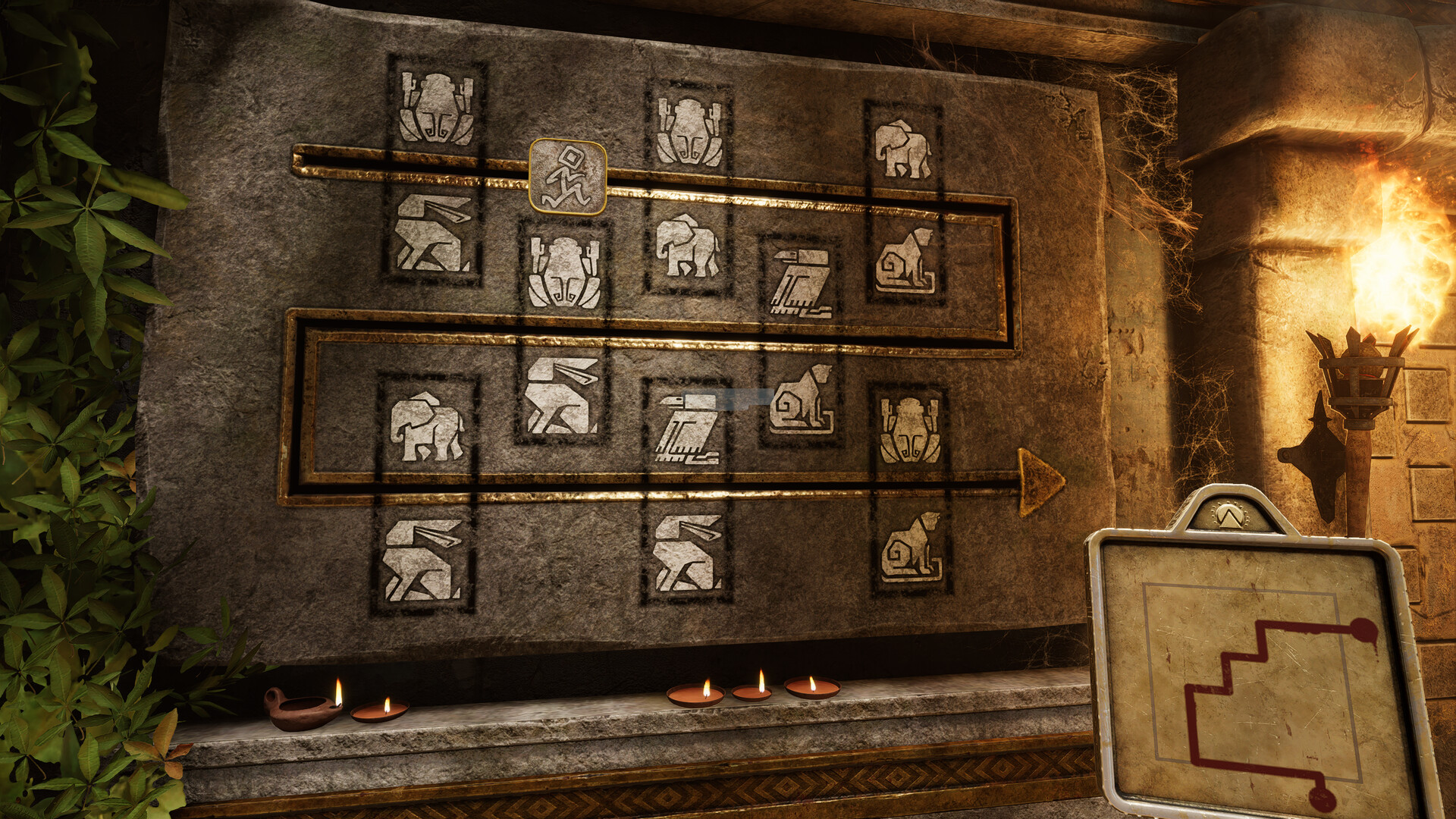
A sliding-tile animal-symbol puzzle in a torch-lit temple room, the kind of logic puzzle some reviewers felt leaned away from collaborative solvingPine Studio -
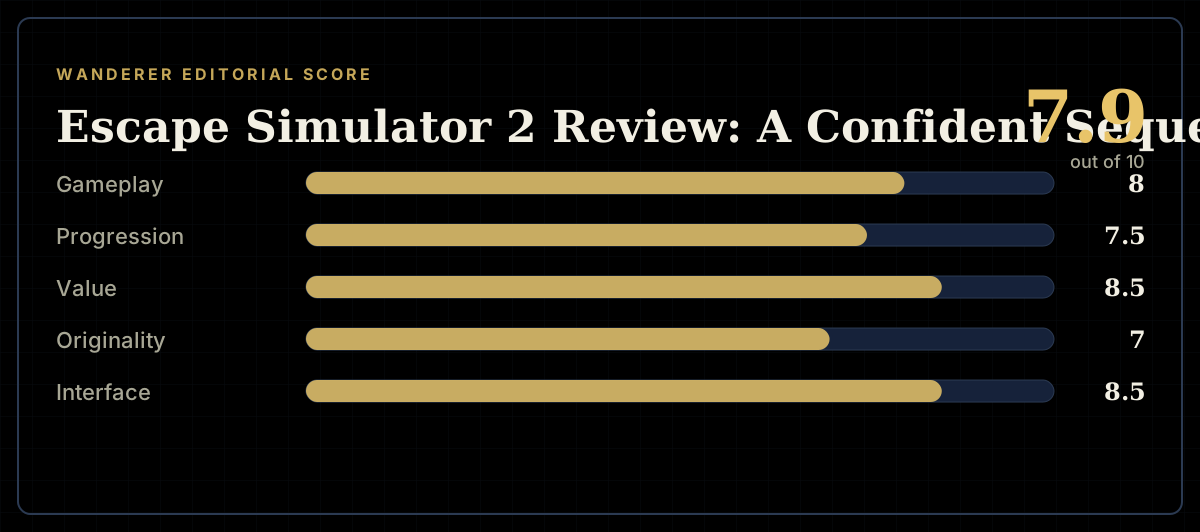
How the review scores each part of the gameWanderer Editorial -
The short versionWanderer Editorial