Game review
Chinese Frontiers
5.5 / 10
- Developer
- SolidGames
- Publisher
- Big Cheese Studio
- Released
- 19 June 2025
- Platforms
- Windows
- Genre
- Action, Adventure, RPG, Simulation
- Monetisation
- paid
- Players
- false
The short version
Biggest strengths
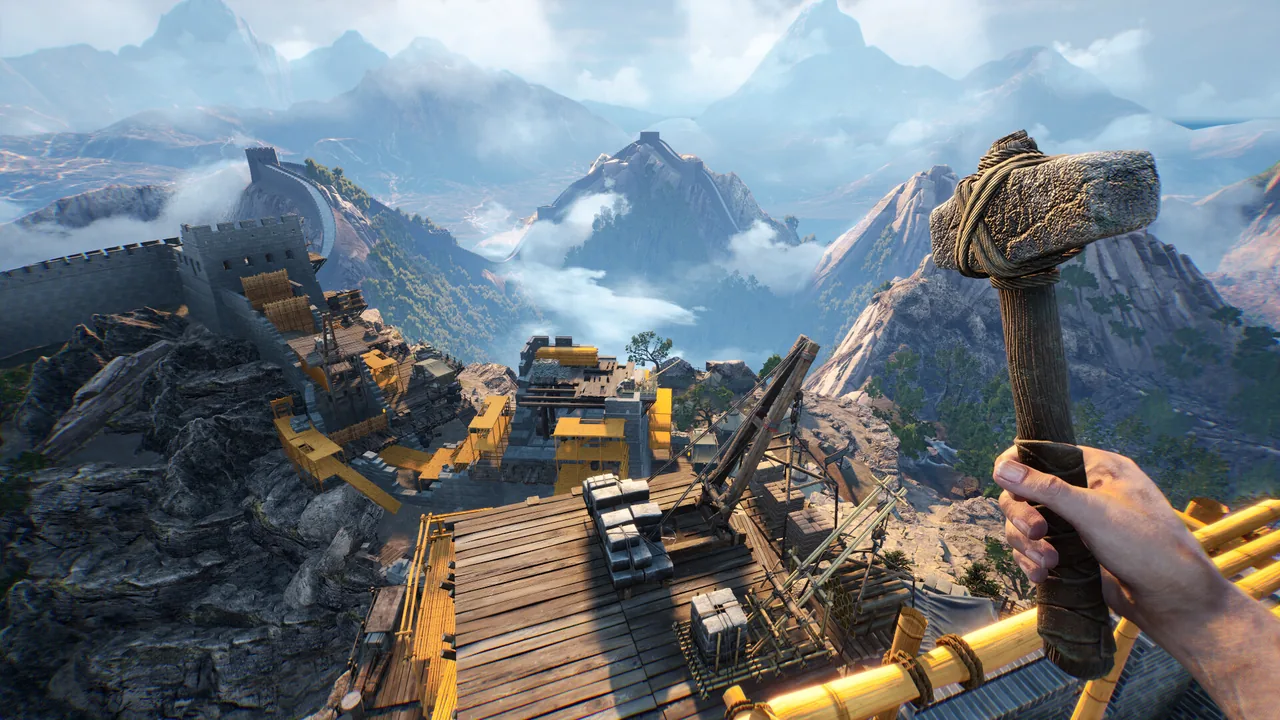
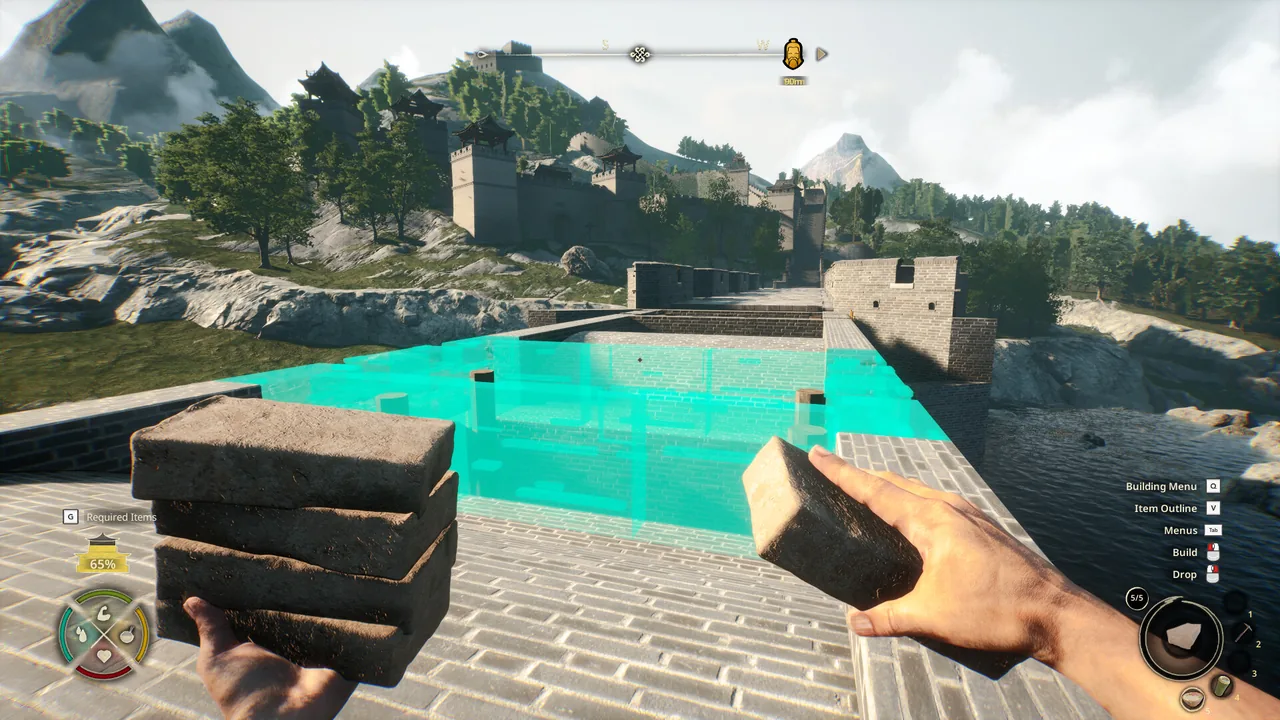
- A genuinely satisfying, purpose-driven building system, repeatedly praised as feeling better than genre benchmarks like Medieval Dynasty and tied meaningfully to larger, historically grounded projects like the Great Wall
- A striking, well-researched historical setting in ancient China, offering a genuinely fresh alternative to the medieval-European survival-builder crowd
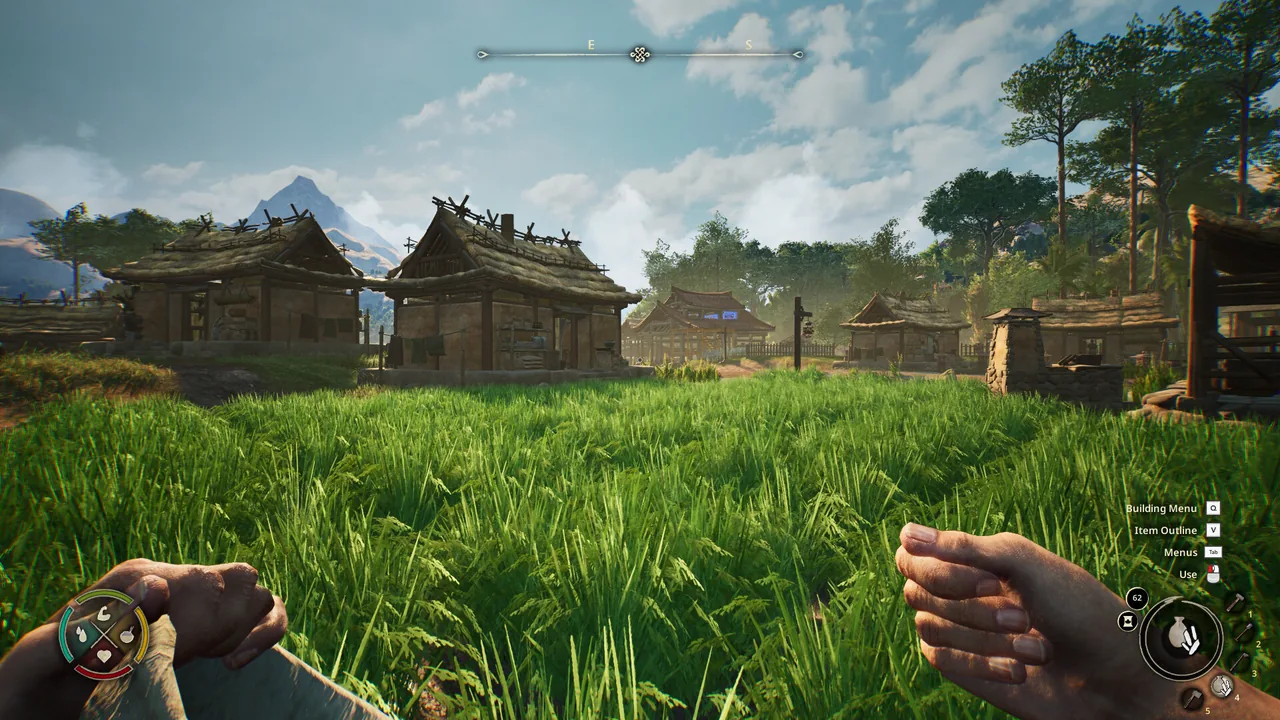
- Beautiful, atmospheric environments and varied biomes that even the pool's sharpest critics acknowledged as a real strength
Biggest weaknesses
- An extensive, widely corroborated complaint that the game launched as a full-price full release in a state that a large share of its own reviewers directly compared to early access, with specific, repeated calls that it should have launched under that label
- A well-corroborated and serious progress-loss bug, described independently by multiple reviewers, where traveling between locations or reloading a save can wipe hours of building progress
- Frequent, independently reported quest-blocking bugs, including missing objective markers and quests that fail to register as complete, that can halt story progression entirely
Who it's for: Genre fans drawn specifically to the historical Chinese setting and building system who are willing to tolerate a rough, bug-prone launch, not players expecting a polished, finished full release at full price
Our recommendation: mixed
5.5 / 10
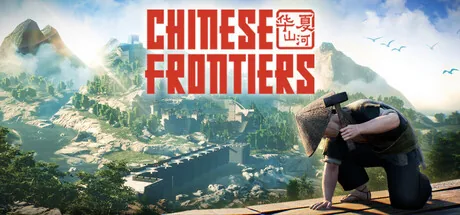
Chinese Frontiers launched on Steam on June 19, 2025, a $24.99 survival building sim from developer SolidGames and publisher Big Cheese Studio that casts players as a builder and engineer in medieval China, tasked with growing a village and constructing sections of the Great Wall. Comparisons to Medieval Dynasty are inevitable and, per the review pool, largely earned, right down to the automation, the fetch-quest side content, and the village-management systems layered around a genuinely satisfying core building loop. A 220-review English pool sitting at Mostly Positive 157-to-63 reflects real enthusiasm for the concept, but it also documents an unusually loud and specific chorus of complaints that this full-price full release simply wasn't finished.
The building system itself draws the pool's most consistent and detailed praise, across both positive and negative reviews alike. One reviewer wrote plainly that "the building system in the game is fantastic. Completing a structure feels truly rewarding, almost like an achievement in itself... it's even better than the building system in Medieval Dynasty." A separate reviewer praised how construction ties directly into a larger sense of purpose: "your village exists to support much larger projects, so resource production always feels intentional," describing the loop as feeling "puzzle-like at times" when optimizing for a big build. Even one of the pool's more critical reviewers, who ultimately marked the game negative over its unfinished state, conceded "the main pros of the game are visuals, it looks very nice and populated" and that the building itself, while grindy, was "solvable with the right scaffolding." That reviewers across the recommend/don't-recommend divide independently praised the same specific system, construction tied to meaningful larger goals, is a strong signal the core design idea genuinely works.
Set against that praise, the pool's single loudest and most consistently repeated complaint is that the game shipped as a full release in a state its own audience widely considers unfinished. One detailed critical review put it bluntly: "this should have been an early access game and not a full release because of some bugs." A separate reviewer independently reached the identical conclusion: "the game really should have been released as Early Access, because it's obviously unfinished." A third wrote that "as it currently stands I'd say it was in early beta at best; feature complete but about as polished as sandpaper." That this specific framing, not just "buggy" but "mislabeled as a full release," recurs across multiple independently written reviews is what elevates it from ordinary launch-bug grumbling into the review's central, most load-bearing criticism.
The most severe recurring technical complaint concerns actual progress loss. One reviewer described a "biggest bug" where "while swapping between two locations, it will wipe all progress made until the last autosave in the previous location," losing significant building work for no discernible reason. A separate, much longer-tenured reviewer with 43 hours invested reported an even more severe version of the same category of failure across two separate playthroughs, writing "every save has become a new game and everything is gone," concluding it was "undoubtedly the most buggy full release" they had encountered across a large Steam library. A third reviewer independently reported crashes combined with unreliable autosaving, writing that losing built progress to a crash "ruins the immersion" of what's meant to be a relaxing game. Progress-loss bugs carry particular weight in a genre built around long-term investment in a single save, and the independent recurrence of this specific failure mode across reviewers with very different total playtimes makes it a fair, serious criticism rather than an isolated hardware issue.
A second, separately corroborated complaint concerns quest and objective bugs blocking story progression. One reviewer reported a quest that "did not register as complete, and blocking the rest of that quest line," specifically noting "this is a problem others are having too." A separate reviewer described missing objective markers preventing a required building from being completed, writing "the outline appears but it just doesn't register otherwise," which they flagged as blocking a related achievement entirely. A third independently reported being sent to interact with an NPC who simply "don't exist" at the marked location. Multiple reviewers converging on the specific pattern of quests silently failing to register, rather than a single one-off bug report, suggests a genuine, unresolved systemic issue at launch.
A handful of smaller but frequently repeated complaints round out the picture: several reviewers independently noted the total absence of a day/night cycle, one quoting a developer Discord statement suggesting it may be added eventually but wasn't a launch priority; multiple reviewers reported severe, inconsistent frame-rate drops, with one describing the game dropping "to less than 1 FPS for a few seconds" while chopping a single tree; and more than one reviewer noted, half as a joke and half as a genuine critique, that every villager in the game's ancient-China setting is male.
It's worth noting that even several of the pool's most detailed critical reviews explicitly withheld total condemnation, citing genuine potential and asking the developers not to abandon the project, and the developer appears to have shipped meaningful post-launch fixes, since a handful of the most recent reviews in the pool describe a noticeably more stable experience than the launch-window reviews above. Still, given the volume and specificity of progress-loss and quest-blocking reports still present in the sampled pool, buyers should go in with clear expectations about the game's actual state relative to its "full release" label and full price.
Taken together, Chinese Frontiers earns real credit for a building system that a genuinely broad swath of its audience, critics and fans alike, found more satisfying than established genre benchmarks, wrapped around a launch that a striking number of its own positive-leaning reviewers directly compared, unprompted, to an early access build. For genre fans specifically drawn to the historical setting who are willing to accept real risk of lost progress and blocked quests, there's a good game underneath. For anyone expecting a finished, full-price product to simply work, the corroborated bug reports here are serious enough to warrant real caution.
Pros and cons
Pros
- A genuinely satisfying, purpose-driven building system, repeatedly praised as feeling better than genre benchmarks like Medieval Dynasty and tied meaningfully to larger, historically grounded projects like the Great Wall
- A striking, well-researched historical setting in ancient China, offering a genuinely fresh alternative to the medieval-European survival-builder crowd
- Beautiful, atmospheric environments and varied biomes that even the pool's sharpest critics acknowledged as a real strength
- A relaxed, low-pressure survival loop, with no combat pressure and forgiving death consequences, that suits players who want to build rather than fight
Cons
- An extensive, widely corroborated complaint that the game launched as a full-price full release in a state that a large share of its own reviewers directly compared to early access, with specific, repeated calls that it should have launched under that label
- A well-corroborated and serious progress-loss bug, described independently by multiple reviewers, where traveling between locations or reloading a save can wipe hours of building progress
- Frequent, independently reported quest-blocking bugs, including missing objective markers and quests that fail to register as complete, that can halt story progression entirely
- Consistent reports of unstable performance, including severe frame-rate drops around NPCs and unpredictable crashes, alongside a persistent absence of a day/night cycle that multiple reviewers found immersion-breaking
Screenshots
-
Chinese FrontiersImage: Big Cheese Studio via Steam -
Chinese FrontiersImage: Big Cheese Studio via Steam -
Chinese FrontiersImage: Big Cheese Studio via Steam