Game review
Blue Prince
8 / 10
- Developer
- Dogubomb
- Publisher
- Raw Fury
- Released
- 10 April 2025
- Platforms
- Windows, macOS
- Genre
- Puzzle Roguelike-lite
- Monetisation
- One-off premium purchase, with an optional soundtrack DLC; no in-app purchases and no premium currency
- Players
- None. Single-player only, with no leaderboard, co-op or shared-progress feature
The short version
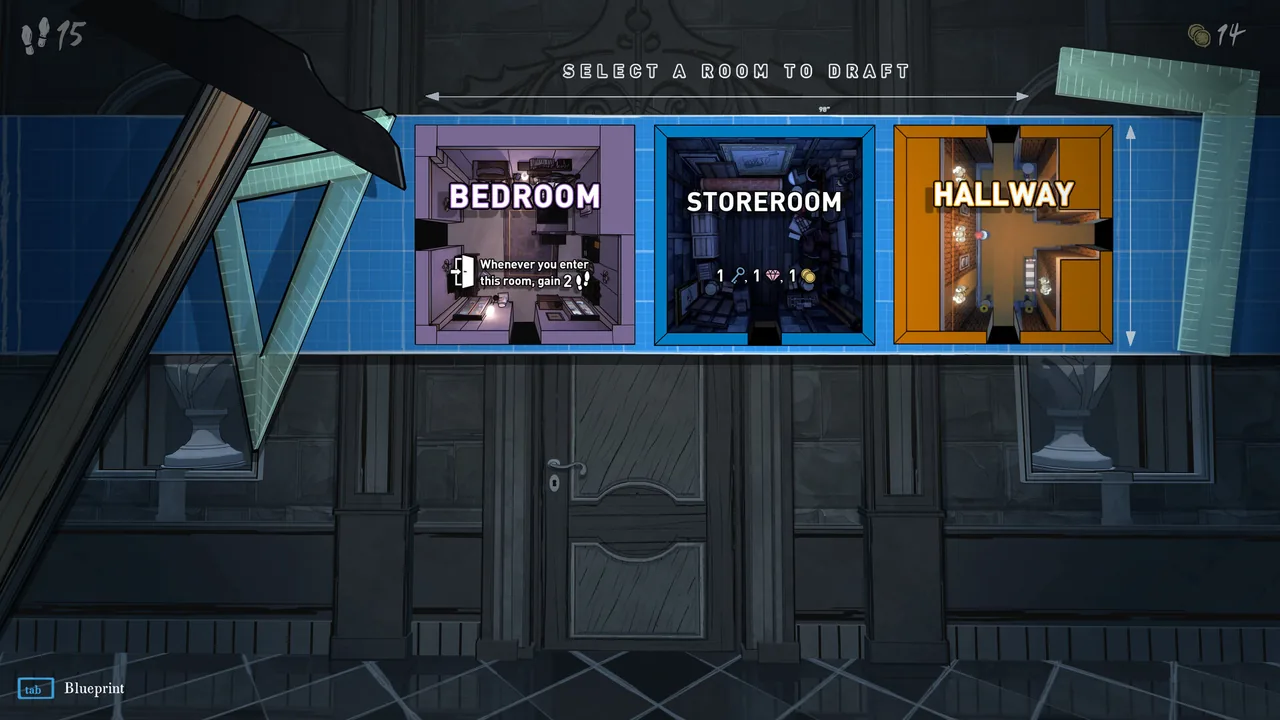
Blue Prince drops players in Mt. Holly, a manor whose floor plan is drafted anew every in-game day as you choose which rooms appear behind each door, all in pursuit of the rumoured Room 46. Very Positive across nearly 17,000 Steam reviews with a 92 Metascore, it's widely, specifically praised as a genuinely singular creative achievement — reviewers describe filling physical notebooks and spreadsheets chasing its mysteries, several calling it one of the best puzzle games in years. That acclaim comes with an honest, repeatedly stated caveat from the game's own admirers: this is a genre hybrid built for a narrow, specific kind of player, someone equally drawn to puzzle-solving and to a roguelike-lite's randomised structure, and the friction between those two design philosophies is real. The single most consistently repeated complaint across the sample — including from reviewers who otherwise love the game — concerns RNG: solving a puzzle and knowing the answer doesn't mean the game will let you execute it, since doing so often requires drafting a specific combination of randomised rooms that may not appear for many in-game days. A second, distinct and even more widely repeated complaint concerns the absence of a mid-run save and quit feature, described directly by reviewers as the single most requested addition to the game; checking the developer's own patch history confirms a real, substantial accessibility update shipped in April 2026 addressing colour-blindness and motion-sickness concerns specifically, but no equivalent fix for mid-run saving appears to have shipped as of this review.
Biggest strengths
- Widely, specifically praised as one of the most creative and original puzzle games in years, with reviewers describing genuinely unique moments of discovery unmatched by other games in the genre
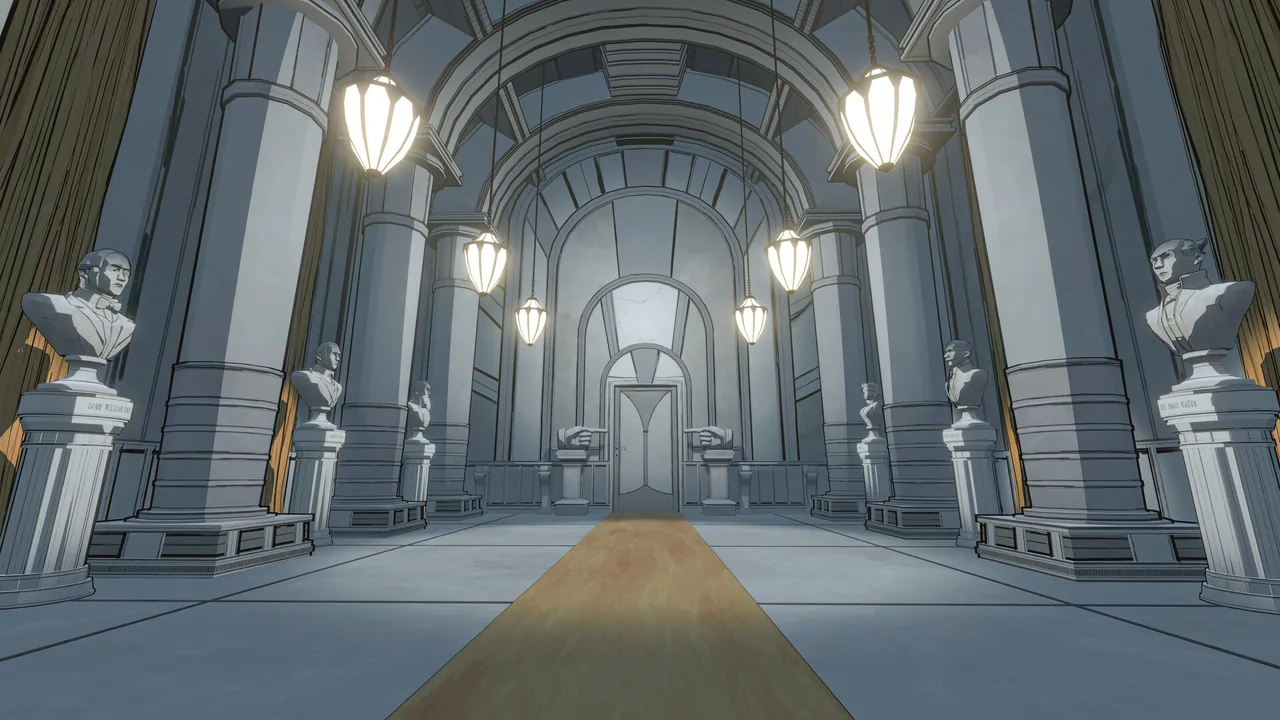
- Atmosphere, art direction, music and environmental storytelling draw consistent, sustained praise even from reviewers who are otherwise critical of the game's mechanical design
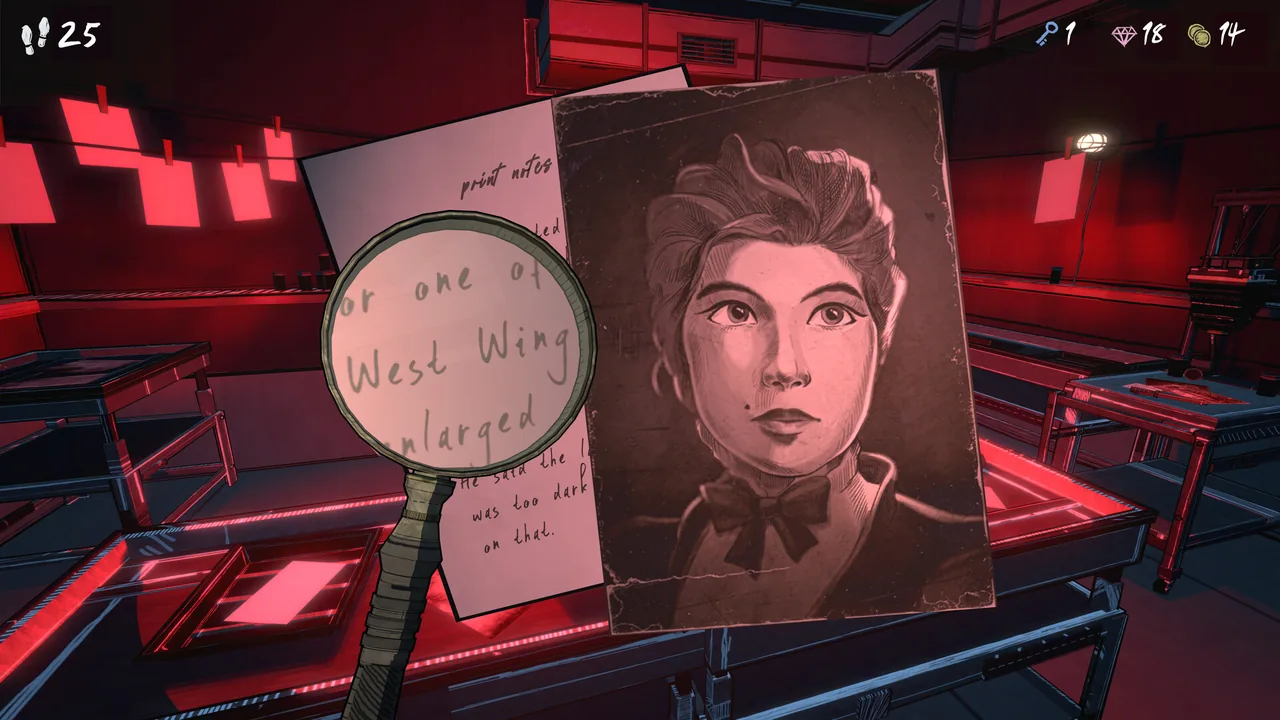
- Deep, layered mystery design rewards meticulous note-taking and long-term thinking, creating the kind of "just one more run" pull several reviewers compare to the best roguelikes
Biggest weaknesses
- The single most consistently repeated complaint, echoed even by the game's fans, concerns RNG gating — knowing a puzzle's solution doesn't mean the randomised room-drafting system will let you execute it, sometimes for many in-game days
- The absence of a mid-run save and quit feature is described directly and repeatedly as the single most requested addition to the game, forcing players to complete or abandon entire multi-hour "days" in one sitting; it does not appear to have been added as of this review
- Several detailed reviews, including from players who finished the entire game, describe the back half and post-game content as overstaying its welcome relative to the strength of the opening hours
Who it's for: Players who genuinely enjoy both meticulous puzzle-solving and roguelike-lite randomness, comfortable with long, uninterrupted play sessions and taking their own physical or digital notes.
Our recommendation: A genuinely singular creative achievement for the specific kind of player it's built for, held back by real, well-documented friction between its puzzle and roguelike-lite halves — know which kind of player you are before buying.
8 / 10
Few games released in 2025 drew the specific, almost reverent praise Blue Prince did. Developer Dogubomb's puzzle roguelike-lite, released 10 April 2025 and published by Raw Fury, earned a 92 Metascore and Very Positive standing across nearly 17,000 Steam reviews for a premise that's genuinely difficult to categorise: a manor whose rooms you draft, door by door, each in-game day, in pursuit of a rumoured 46th room that may not exist. Understanding why that premise has captivated so many players so completely, and being honest about a real, specific design tension that persists even for the game's own admirers, is what this review sets out to do.
A genuinely singular creative achievement
Reviewers across the sample reach for an unusual amount of specificity when describing what makes Blue Prince work. "The JOY of getting to sit with my insane amount of notes and theorise about every minute possibility of solutions is just — I kind of wish this game went on forever," one review states, describing exactly the kind of obsessive engagement the game seems designed to reward. A particularly vivid account of that engagement comes from a couple who played together: "My wife and I played this game to 100% together, alternating runs/days but watching the other. We had a physical notebook we took notes in, literal hundreds of photos and videos on our phones, an excel spreadsheet, and shared phone note. This may be my favorite game of all time." That level of investment recurs constantly across the positive sample, several reviewers explicitly comparing the sensation to Outer Wilds and The Witness — games built around genuine knowledge-gated discovery rather than mechanical skill.
Atmosphere and presentation draw equally consistent, specific credit. Reviewers repeatedly single out the manor's art direction, music and environmental storytelling as achievements independent of the puzzle design itself, praise that persists even in reviews that ultimately land on a negative overall recommendation — a meaningful signal that the game's core creative vision, whatever frustrations sit on top of it, is broadly and genuinely well executed.
A real, honestly acknowledged audience limitation
What distinguishes Blue Prince's reception from simple across-the-board acclaim is how consistently its own admirers frame it as built for a narrow, specific kind of player. "This game is for a very particular type of person — someone who enjoys both puzzles AND rogue-likes," one review states directly, while another puts it more colourfully: "This is a game for absolute puzzle degenerates. When you are considering whether you want to buy Blue Prince, you really need to look within and determine if, deep within your soul, you yearn for obsessive note-taking." That's an unusually candid, self-aware framing from a game's own fanbase, and it's worth taking at face value rather than dismissing as false modesty — several reviewers explicitly warn puzzle fans who dislike roguelike randomness, and roguelike fans who dislike methodical puzzle-solving, that they may bounce off the game specifically because of how deliberately it combines both.
The RNG tension both camps name
The single most consistently repeated substantive criticism concerns exactly that combination in practice. "You could spend DAYS trying to get a certain combination of rooms together to solve a puzzle you figured out days ago," one review states, describing a frustration that recurs identically across dozens of reviews on both sides of the recommendation line. A detailed critical review frames the underlying design tension precisely: "Blue Prince is a Roguelite Puzzle game. This is a unique concept, but creates a lot of friction for the player as the two game design philosophies rub against each other." Crucially, this isn't purely a negative-review phenomenon — positive reviews raise the identical complaint with real specificity: "The problem basically boils down to the huge gap between when you have the a-ha moment of solving a puzzle, and when you actually prove you've solved the puzzle," one largely positive, detailed review states. That consistency across the recommendation spectrum is the strongest signal in the sample about where this game's real design friction lives.
The most requested feature, still missing
A second, distinct and even more universally repeated complaint concerns basic quality of life: Blue Prince has no way to save mid-run and quit, forcing players to complete or abandon an entire multi-hour "day" in one sitting. "The developers' failure to include a save & quit feature make it more and more frustrating to have to complete entire runs... that can stretch into multiple hours. This is easily the most requested feature in the discussions," one review states, and independent community discussion confirms that framing — the request recurs across Steam's own community forums consistently from the game's launch through recent months, described repeatedly as the single most requested addition. For some players this is more than an inconvenience: "Refunded due to lack of save on quit. I have to control my game time and stop when I need to. Being forced to abandon a run I'm enjoying because there's no save feature is just not something I can do," one review states, framing it as a genuine accessibility barrier for players who can't guarantee long uninterrupted sessions.
To Dogubomb's real credit, checking the developer's own patch history confirms substantial, continued investment in the game well over a year after launch — a dedicated Patch 1.7 "Accessibility Update," released 29 April 2026, added a comprehensive Colour Assist system directly addressing a separate, genuine accessibility complaint raised by colour-blind players unable to solve certain colour-based puzzles, alongside full key and button remapping and a Motion Assist suite for reducing motion sickness. That's real, substantive, dateable follow-through on community feedback. What this review can't confirm, based on the most recent available information, is that a mid-run save and quit feature has shipped alongside it — it continues to appear in community discussions as an outstanding, unresolved request rather than a delivered fix, a genuine and persistent gap worth knowing about plainly before committing to a long session.
A back half that some feel overstays its welcome
A smaller, related complaint concerns pacing across the game's full length. "The game is absolutely great for the first 30 hours or so. It doesn't quite stick the landing, though," one review states, a sentiment echoed by several others who completed the entire game and post-game content. "It is unique, insightful, clever, enjoyable, and sadly it does not know when enough is enough and massively overstays its welcome," another review notes, specifically regarding post-completion content rather than the core campaign. This is a more subjective complaint than the RNG or save issues, but recurs often enough among players who finished the game to note honestly.
Where this leaves a buyer
At NZ$43.59, Blue Prince delivers a genuinely rare, singular creative achievement — a puzzle game that earns comparisons to genre landmarks like Outer Wilds and The Witness through meticulous, rewarding design that clearly took real care to build. The honest, necessary caveats, raised specifically and repeatedly by the game's own admirers rather than only its critics, concern two connected issues: a real, structural tension between puzzle-solving and roguelike-lite randomness that can turn "I know the answer" into "I have to wait days for the game to let me prove it," and the continued absence of a mid-run save feature that the community has named, consistently, as its single most wanted addition. Players who recognise themselves in the specific, narrow description its own fans give it — patient, meticulous, happy to take real notes and sit with long uninterrupted sessions — are likely to find one of the genre's genuine highlights. Players who dislike either RNG gating or long unsaveable play sessions should weigh both concerns seriously before buying, since neither has been fully resolved as of this review.
Pros and cons
Pros
- Widely, specifically praised as one of the most creative and original puzzle games in years, with reviewers describing genuinely unique moments of discovery unmatched by other games in the genre
- Atmosphere, art direction, music and environmental storytelling draw consistent, sustained praise even from reviewers who are otherwise critical of the game's mechanical design
- Deep, layered mystery design rewards meticulous note-taking and long-term thinking, creating the kind of "just one more run" pull several reviewers compare to the best roguelikes
- The developer has maintained real, substantial post-launch support over a year after launch, including a genuine, comprehensive accessibility update addressing colour-blindness and motion sensitivity directly
Cons
- The single most consistently repeated complaint, echoed even by the game's fans, concerns RNG gating — knowing a puzzle's solution doesn't mean the randomised room-drafting system will let you execute it, sometimes for many in-game days
- The absence of a mid-run save and quit feature is described directly and repeatedly as the single most requested addition to the game, forcing players to complete or abandon entire multi-hour "days" in one sitting; it does not appear to have been added as of this review
- Several detailed reviews, including from players who finished the entire game, describe the back half and post-game content as overstaying its welcome relative to the strength of the opening hours
- Unskippable animations and repetitive traversal draw a smaller but real complaint about pacing, particularly on repeated attempts at the same puzzle
Screenshots
-
Blue PrinceImage: Raw Fury via Steam -
Blue PrinceImage: Raw Fury via Steam -
Blue PrinceImage: Raw Fury via Steam -
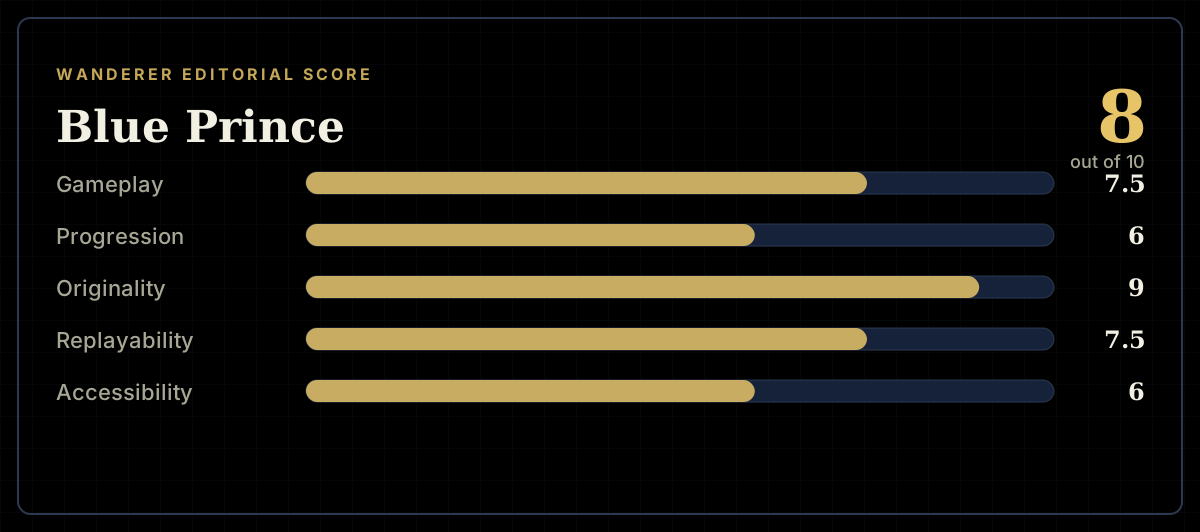
How the review scores each part of the gameWanderer Editorial -
The short versionWanderer Editorial