Game review
Autumn's End Review
6.7 / 10
- Developer
- countlessbathory
- Publisher
- countlessbathory
- Released
- 3 September 2026
- Platforms
- ["Windows", "Mac"]
- Genre
- Adventure
A World Ending in One Month, and a Girl Who Needs a Reason to Care
Autumn's End opens on a simple, devastating premise: the world is ending in one month, and Cinnamon — an anxious, socially withdrawn protagonist drawn as an anthropomorphic dog in a cast of anthro animal characters — doesn't yet know it. What she does know is that she needs something, or someone, to give her remaining time meaning. That someone turns out to be Rowan, a girl Cinnamon is instantly and inexplicably drawn to, and the game spends its roughly hour-long runtime tracing the strange, increasingly unsettling pull between them as the world quietly falls apart in the background. It's an explicitly labeled Part 1 of a planned longer story, built as interactive fiction with more than twenty original CGs and cutscenes, meaningful branching choices, and a single ending that closes on a deliberate cliffhanger. That framing matters for how fairly this should be judged: this is a complete, self-contained first chapter, not an early-access fragment, and the developer is upfront that it's the opening piece of something larger still being written.
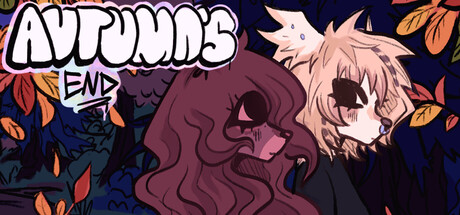
The visual and musical presentation is the game's clearest strength, and nearly every review in the pool leads with it. The art style pairs a soft, dreamlike color palette with a genuinely well-composed original soundtrack, and reviewers describe feeling fully immersed within the first few minutes — one calls it "stunning," another says they felt like they were "looking out at this crumbling world through Cinnamon's eyes in a wash of acidy sickness." That's an unusually vivid way to describe a free student-scale visual novel, and it speaks to how effectively the game's mood-first approach to storytelling lands with its audience.
Cinnamon as a Mirror
What comes up again and again in the review pool isn't the plot mechanics but how personally players connect with Cinnamon specifically. Multiple reviewers describe recognizing their own struggles with anxiety, social withdrawal, and a persistent sense that their own worth is conditional or transactional — one writes at length about relating to Cinnamon's discomfort in crowds and the physical sensation of dread that comes with social interaction, saying the game "hit a lot of places" for them. That level of specific, personal identification with a visual novel protagonist doesn't happen by accident; it reflects genuinely careful character writing, even within a short first installment. Not every reaction to Cinnamon is entirely sympathetic — one reviewer expresses open frustration with the character's inability to recognize the support already around her, calling it an infuriating but recognizable trait in people they know in real life — but even that frustration is really a testament to how legible and specific the writing makes her, rather than a criticism of the writing itself.
Rough Around the Edges, Openly So
The most consistent, repeated critique across the review pool is simple: typos and missing words throughout the script, described by several reviewers as noticeable enough to pull them out of otherwise immersive scenes, particularly as the story builds toward its ending. One player frames this generously, suggesting the roughness almost read as intentional given the anxious, overwhelmed headspace of the character being played — a charitable reading, but not one every player will extend. The game's single detailed negative review is more pointed, criticizing the visual anatomy of musical instruments depicted in one sequence as clumsily drawn, and arguing the story's depiction of punk subculture leans on shallow, surface-level signifiers rather than anything substantive — a specific, reasonable critique from someone with firsthand knowledge of the scene being referenced, even if it's an outlier take in an otherwise glowing pool. Length is the other recurring complaint, though a softer one: several reviewers say their main issue is simply wanting more, not that what's here feels padded or thin for its scope.
The Weight of Being "Part 1"
Because this is explicitly the opening chapter of a longer planned story, judging its progression and structure fairly means grading it as a first act rather than a complete arc. On those terms it succeeds — the cliffhanger ending lands as a hook rather than an incomplete thought, and the emotional foundation it builds with Cinnamon and Rowan gives real stakes to whatever comes next. But it's worth being honest that Autumn's End, taken entirely on its own, tells an unfinished story with a single ending and no branching outcomes beyond how you get there — the "choices matter" billing shapes the journey more than the destination. Anyone going in expecting a fully resolved narrative arc in under an hour will come away wanting, and that's a fair expectation to set before playing rather than after.
Autumn's End also makes a handful of quiet but genuinely useful accessibility decisions that are easy to overlook in a review pool focused mostly on art and writing. The whole game is playable with mouse input alone, there's no timed input anywhere in its choices or scenes, and it can be saved and exited at any point without losing progress. None of that shows up as a headline feature on the store page, but for a free narrative game aimed at players who may specifically be dealing with anxiety or sensory overwhelm — themes the story itself engages with directly — removing timers and input pressure from the experience is a considerate, low-friction way to make sure the format doesn't work against the subject matter.
Verdict
Autumn's End is a striking, emotionally direct visual novel that punches well above its budget in art direction, music, and character writing, anchored by a protagonist that clearly resonates deeply with the exact audience it's aimed at. The typos and unfinished-feeling edges are real and worth acknowledging, and its status as an unresolved Part 1 means the story itself is, by design, incomplete. But as a free, hour-long opening chapter with this much genuine craft and emotional specificity behind it, it's an easy, low-risk recommendation — just go in knowing you're reading the first act of something, not the whole play.
Screenshots
-
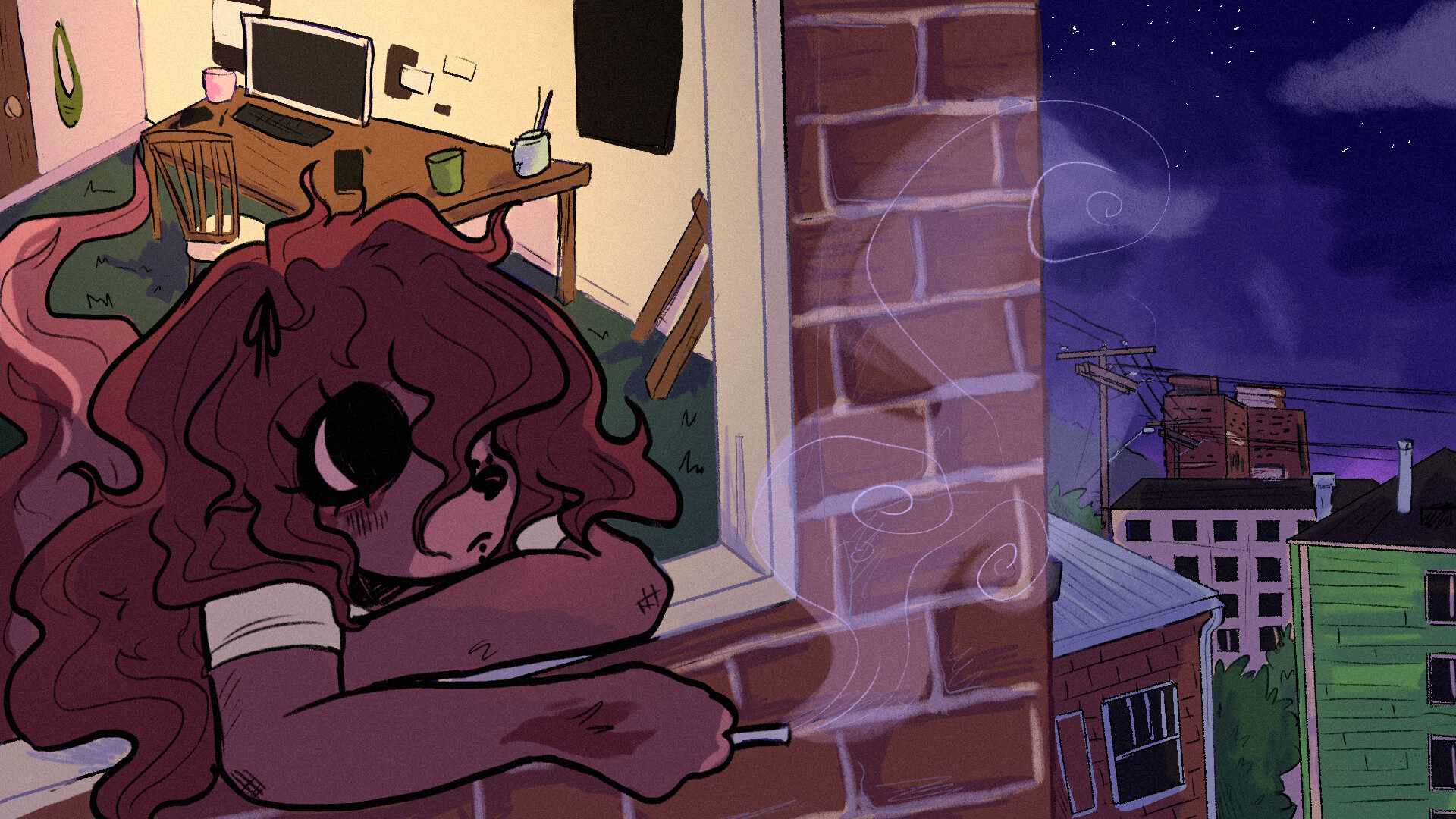
A quiet, moody CG establishes Cinnamon's isolation early in the story.Image: countlessbathory via Steam -
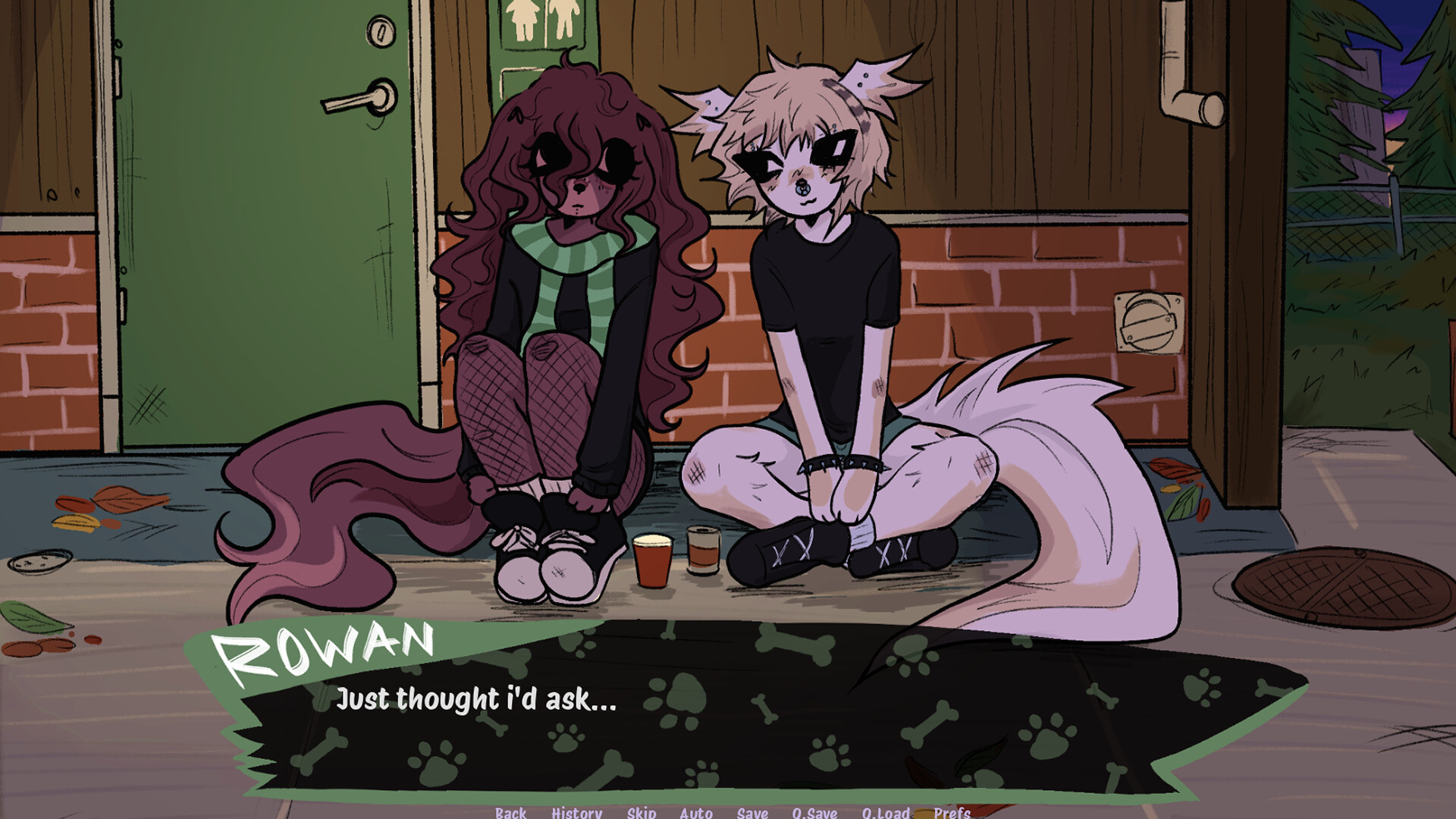
Dialogue scenes pair hand-drawn backgrounds with expressive character art.Image: countlessbathory via Steam -
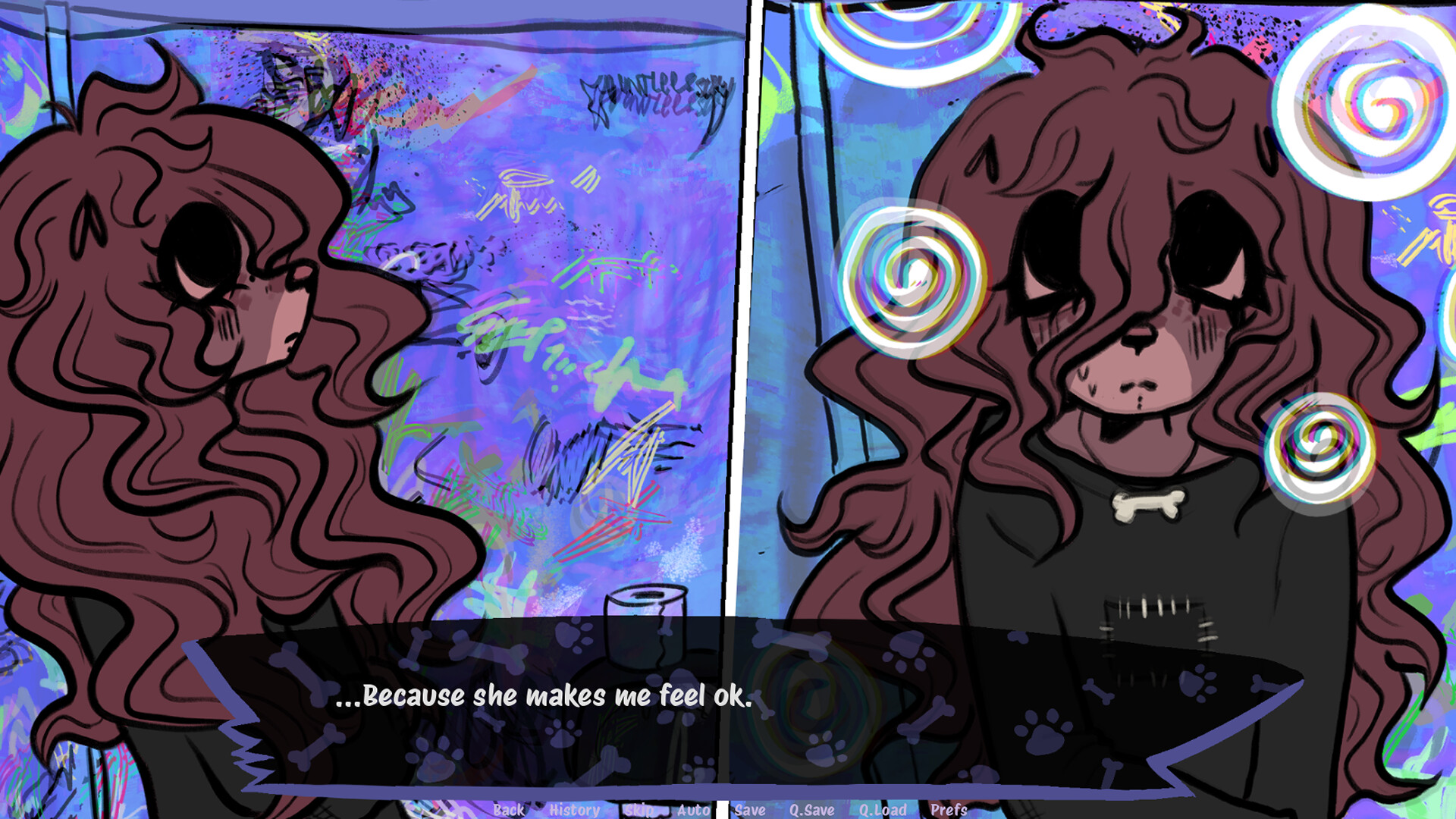
The disorienting visual effects flagged in Steam's content descriptors show up in the game's more unsettling scenes.Image: countlessbathory via Steam