
Game review
Aurye Clicker
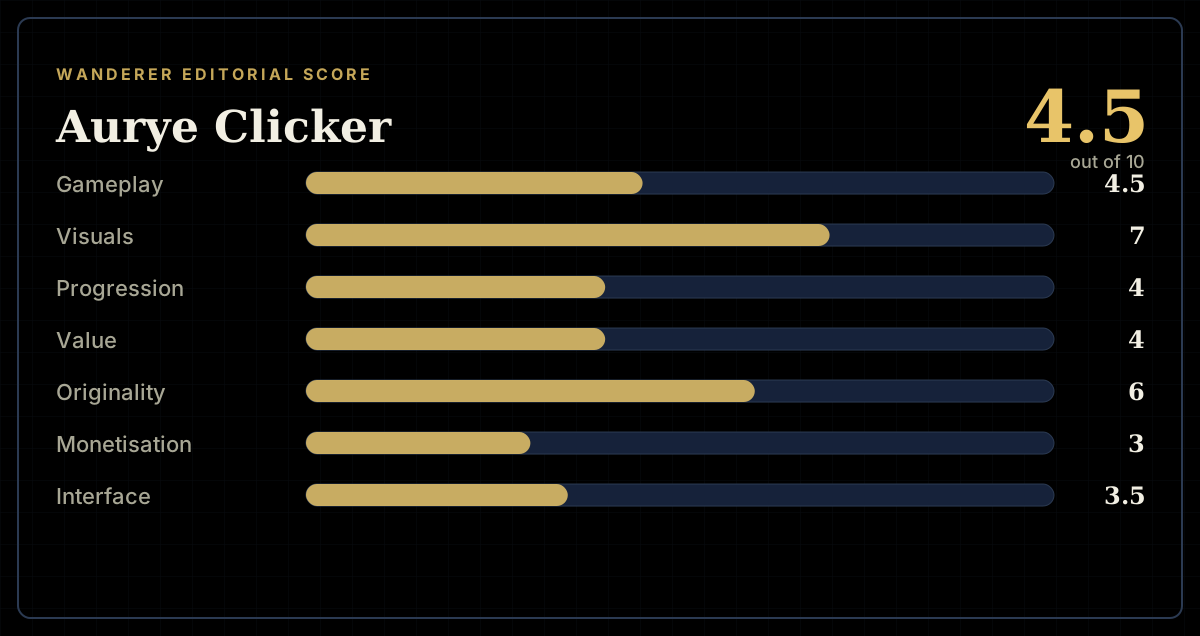
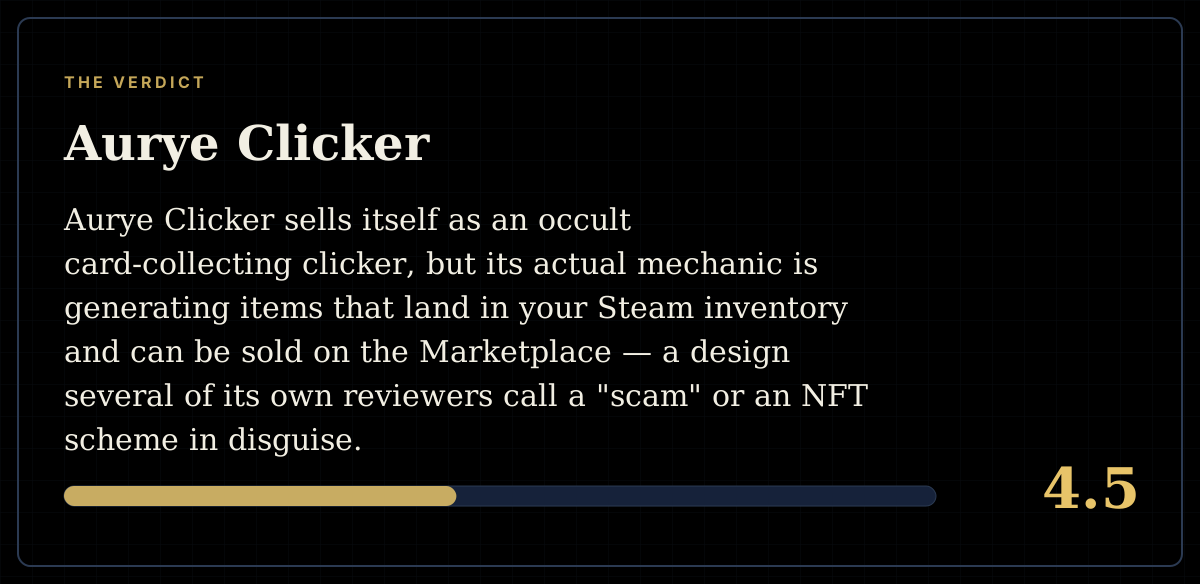
4.5 / 10
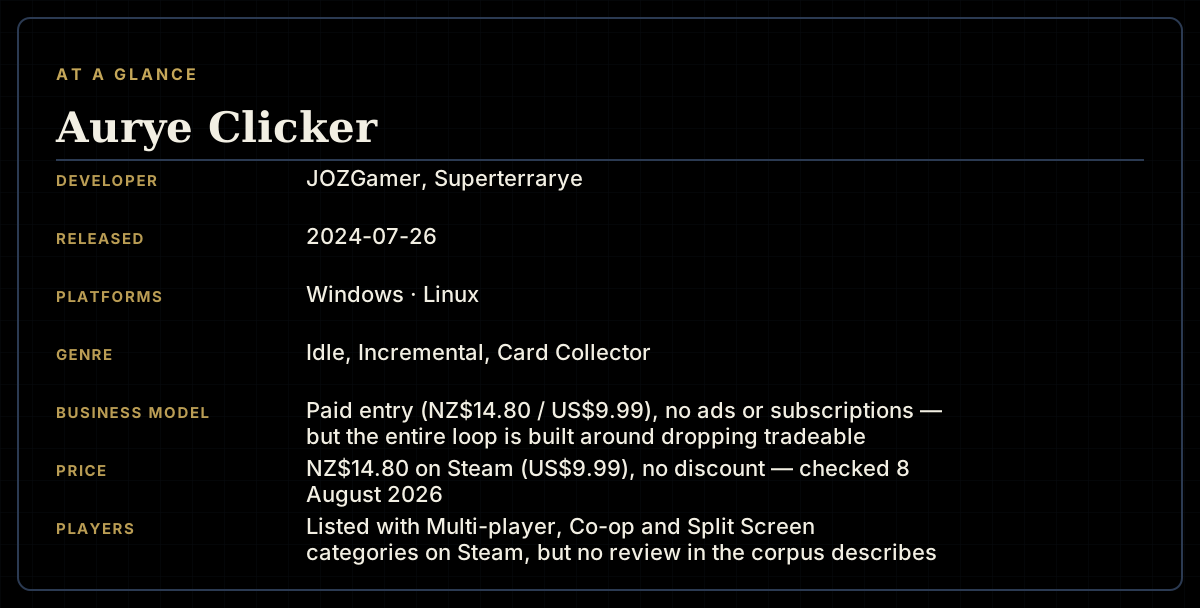
- Developer
- JOZGamer, Superterrarye
- Publisher
- JOZGames
- Released
- 26 July 2024
- Platforms
- Windows, Linux
- Genre
- Idle, Incremental, Card Collector
- Monetisation
- Paid entry (NZ$14.80 / US$9.99), no ads or subscriptions — but the entire loop is built around dropping tradeable items into your Steam inventory for sale on the Steam Marketplace
- Players
- Listed with Multi-player, Co-op and Split Screen categories on Steam, but no review in the corpus describes playing with anyone else
The short version
Aurye Clicker sells itself as an occult card-collecting clicker, but its actual mechanic is generating items that land in your Steam inventory and can be sold on the Marketplace — a design several of its own reviewers call a "scam" or an NFT scheme in disguise. That reading is a minority one; 61% of its 79 reviews are positive, mostly from players who treat it as a long-running background idler. What isn't disputable is the production quality underneath the concept: the game lists English as its supported language while its own official screenshots show card text written in Esperanto, and even the single easiest of 80 achievements is held by barely a quarter of owners.
Biggest strengths
- The hand-drawn, sketchbook-style card art is genuinely distinctive among clicker and idle games this library has covered, and several reviewers praise it specifically
- A dedicated minority treat it as a serious long-term background idler, with logged playtimes in the hundreds and, in two cases, thousands of hours
- Three input methods — mouse, keyboard and controller — each have their own upgrade track, giving the clicking itself more structure than a single button
Biggest weaknesses
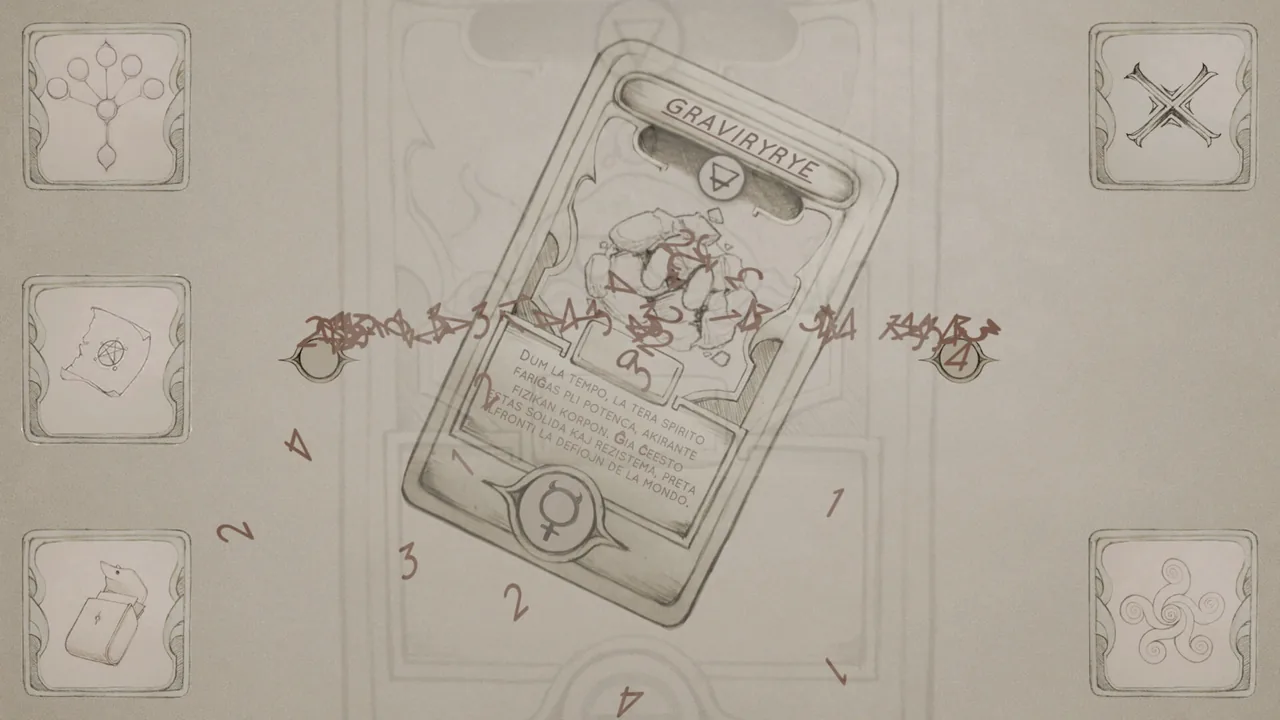
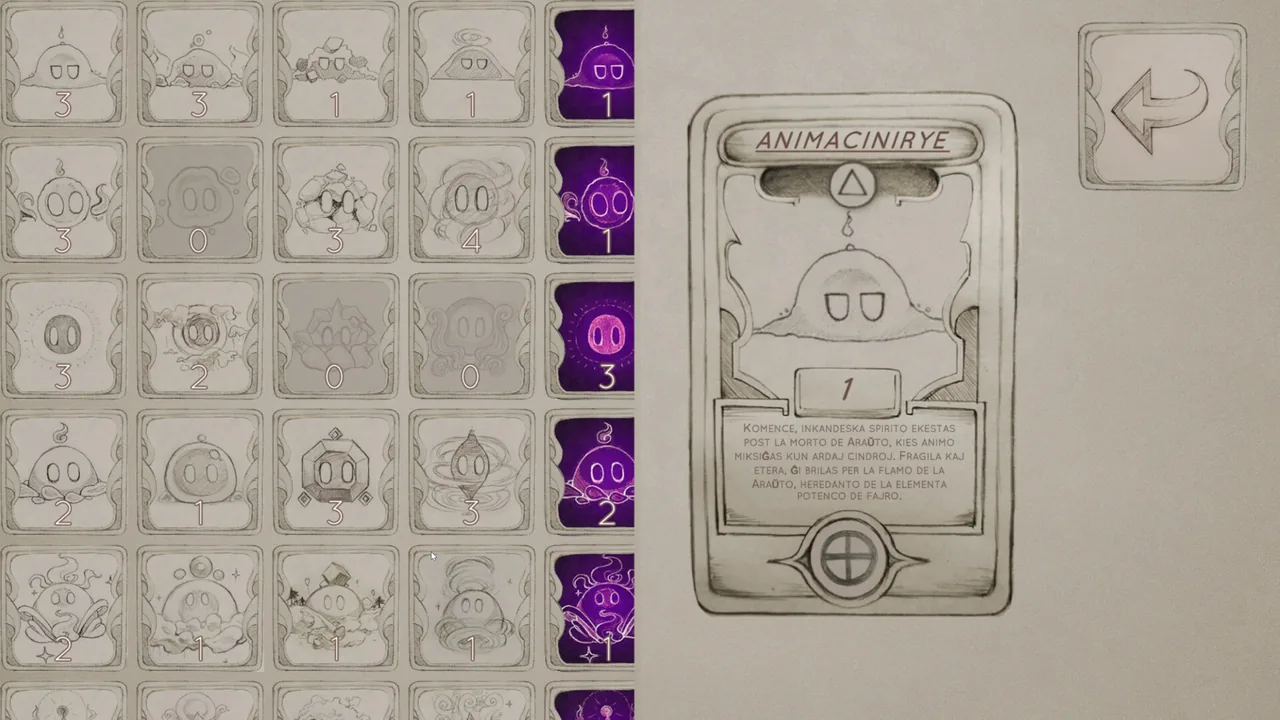
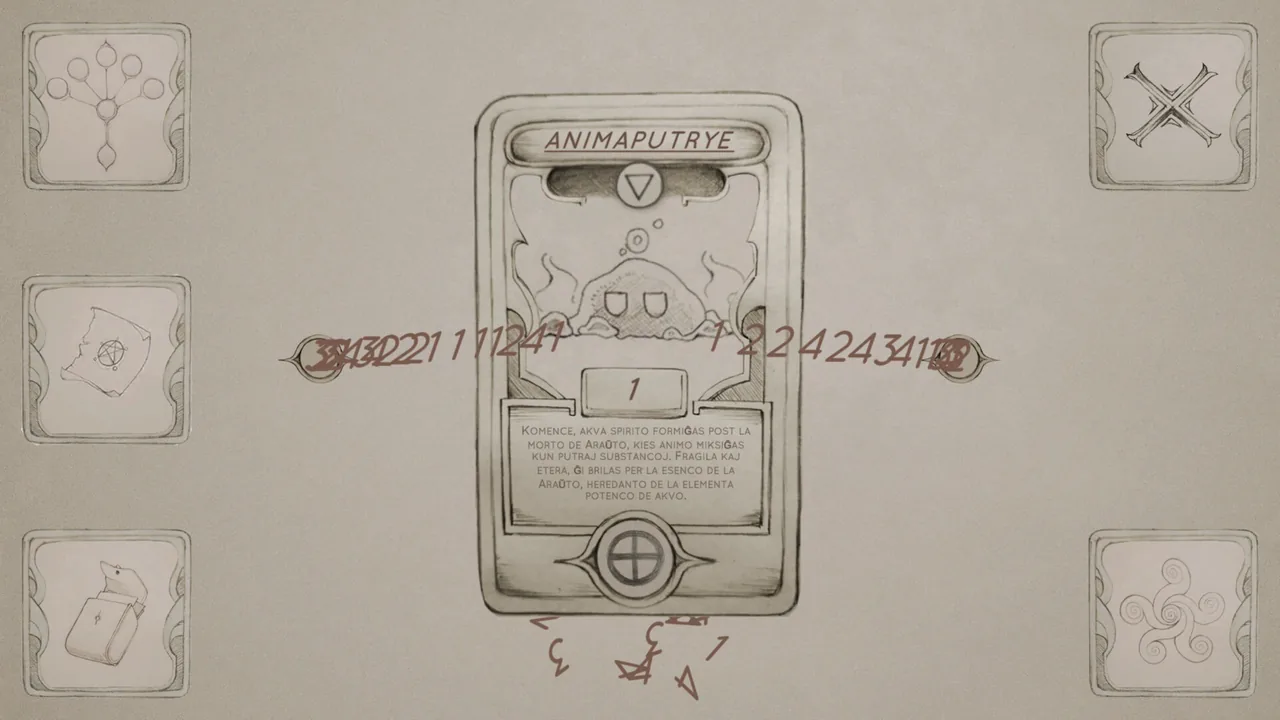
- The game lists English as its only supported language, but its own official Steam screenshots show every card's flavour text written in Esperanto, with no in-game translation
- Steam's global achievement data shows the single easiest of 80 achievements held by only 25.9% of owners, and the median sits at 13.5% — most people who own this do not meaningfully progress in it
- A recurring, vocal complaint compares the game to blockchain and NFT schemes, arguing its core purpose is generating low-value Marketplace listings that split a small cut between Steam, the developer and the player rather than offering real gameplay
Who it's for: Steam Marketplace item collectors already comfortable with the drop-farming genre this game belongs to, and fans of its distinctive pencil-sketch art style specifically — not players looking for a card game they can actually read.
Our recommendation: Skip it unless the appeal of accumulating sellable Steam inventory items is already the reason you're here. At NZ$14.80 for a game several of its own players describe as a vehicle for Marketplace drops rather than a game, the asking price buys very little besides that.
4.5 / 10
What you're actually buying
Aurye Clicker's store page sells alchemy and cosmic alignment: click or type or press a controller button to fight one of 128 "Aurye" creatures, defeat it, and add its hand-drawn card to your collection. What a meaningful share of its own reviewers say you're actually buying is a Steam inventory item generator. Every Aurye you collect can be listed and sold on the Steam Community Market, and several of the game's most-upvoted reviews — a 22-vote and a 21-vote negative among them — describe that as the entire point, comparing it directly to "banana," the 2024 clicker that popularised the format: click things, generate tradeable items, let the Steam Marketplace's built-in economy do the rest, with Steam, the developer and the seller each taking a cut of every sale. "This isn't a real game," one wrote, "it's just dumped on Steam to scam PC gamers through the Steam Marketplace."
That reading is real but it is a minority one — 48 of the game's 79 reviews are positive, for a Mixed 61% score — and it's worth being precise about what it is and isn't. Nothing here resembles cryptocurrency or an external wallet; it's Steam's own, longstanding item-trading system, the same one that prices Team Fortress 2 hats and trading cards. Most Aurye items appear to settle near the Marketplace's practical floor, and whether farming them is worthwhile is a question about time and taste, not fraud. But the accusation shows up often enough, worded specifically enough, and independently enough across different reviewers that a buyer should know the design invites it before spending money expecting a card game in the ordinary sense.
English on the label, Esperanto on the cards
Separately from that argument, one specific complaint checks out completely. Aurye Clicker lists English as its only supported language on Steam. One reviewer wrote bluntly: "This game is not in English, so I can't read any of the cards... Nothing is explained." The game's own official screenshots confirm it. Card detail panels for creatures named "Graviryrye" and "Animacinirye" carry flavour text reading "Komence, la tera spirito fariĝas pli potenca, akirante fizikan korpon" — grammatically consistent Esperanto, not decorative gibberish, complete with the language's distinctive ĝ and ŭ diacritics. Whatever the developer's intent, a game that tells Steam it ships in English and then ships its actual in-fiction text in a different language entirely is not a matter of interpretation. It's the single largest reason the "nothing is explained" complaint recurs across the negative reviews.
A curve almost nobody climbs
Steam's achievement data gives the corpus's skepticism a number. Aurye Clicker ships 80 achievements, and the most commonly earned of them — acc10 — is held by just 25.9% of owners. The median across all 80 is 13.5%, and the least common sits at 9.1%. There is no early cliff followed by a long tail here; the entire curve is low, starting from the very first rung. Some of that is explained by the genre itself — a reviewer at 42 hours and 51 of 80 achievements described the back half as genuinely luck-gated, needing rare high-tier card drops that "don't drop as quick" — but a quarter-at-best completion rate on the easiest trophy in the list points to something broader: most people who own this game are not meaningfully playing it.
That reading fits the playtime data too, in a way worth stating plainly rather than at face value. The 20 English positive reviews carry a median logged playtime of 73.4 hours; the 12 negative ones sit at just 0.7 hours. Read as ordinary engagement, that would say Aurye Clicker holds its fans for enormous stretches. Read correctly for a game whose stated design is "let the game run in the background to accumulate cards passively," it says something narrower: a small number of owners leave the window open for weeks at a time as an unattended drop generator, which inflates their hours without necessarily reflecting active enjoyment — the same pattern this library has flagged on other always-on-top idle and background titles. One reviewer with 6,771 hours logged put it almost exactly that way: "this game isnt.... bad... but its pretty bad.... the game moves while you click and type and use your controller and i love the idea of that but this is bad because of my steam inventory space."
A price that doesn't match what people remember
One more discrepancy is worth flagging rather than resolving. Several reviews from 2024 into early 2025 describe Aurye Clicker as free — "since it's free, you should check it out!!" reads one from January 2025. Steam's API today reports the opposite: is_free: false, a flat NZ$14.80 (US$9.99), no discount applied. There is no changelog entry on the game's news feed documenting a shift from free to paid, and this review cannot confirm exactly when or whether that change happened rather than the reviewer simply misremembering a launch discount. What can be said with confidence is that a prospective buyer today is not paying what a meaningful share of the existing review corpus paid, and the listing's own Free to Play community tag — still carrying 33 votes — is stale evidence of exactly that gap.
Final verdict
There's a real, distinctive art style buried in Aurye Clicker — pencil-sketch card illustrations unlike anything else this library has covered in the genre — and a small dedicated audience using it exactly as designed, as a background Steam-item generator they're happy to run for hundreds or thousands of hours. But the surrounding production doesn't support a NZ$14.80 asking price: official card text in a language the store doesn't list, an achievement curve most owners never climb past the first rung, a controversial core mechanic that a vocal share of its own reviewers call exploitative, and a price that doesn't match what earlier buyers remember paying. 4.5 reflects a game whose central idea has an audience, but whose execution gives a new buyer very little reason to trust the label on the box.
Pros and cons
Pros
- The hand-drawn, sketchbook-style card art is genuinely distinctive among clicker and idle games this library has covered, and several reviewers praise it specifically
- A dedicated minority treat it as a serious long-term background idler, with logged playtimes in the hundreds and, in two cases, thousands of hours
- Three input methods — mouse, keyboard and controller — each have their own upgrade track, giving the clicking itself more structure than a single button
- No ads, subscriptions or premium currency; the business model is a flat entry price plus whatever you choose to do with the items it generates
Cons
- The game lists English as its only supported language, but its own official Steam screenshots show every card's flavour text written in Esperanto, with no in-game translation
- Steam's global achievement data shows the single easiest of 80 achievements held by only 25.9% of owners, and the median sits at 13.5% — most people who own this do not meaningfully progress in it
- A recurring, vocal complaint compares the game to blockchain and NFT schemes, arguing its core purpose is generating low-value Marketplace listings that split a small cut between Steam, the developer and the player rather than offering real gameplay
- Several 2024–25 reviews describe the game as free; it is not free today, and no changelog entry on record explains a change from free to a NZ$14.80/US$9.99 paid listing
- No update since March 2025, roughly seventeen months before this review, after a burst of fixes in the months following launch
Screenshots
-
Aurye ClickerImage: JOZGames via Steam -
Aurye ClickerImage: JOZGames via Steam -
Aurye ClickerImage: JOZGames via Steam -
How the review scores each part of the gameWanderer Editorial -
Aurye Clicker at a glanceWanderer Editorial -
The short versionWanderer Editorial