Game review
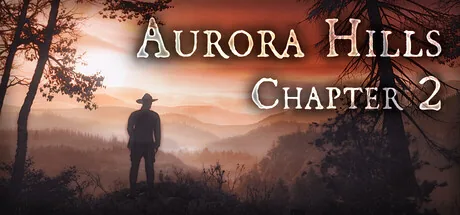
Aurora Hills: Chapter 2
5.9 / 10
- Developer
- NovaSoft Interactive Ltd.
- Publisher
- NovaSoft Interactive Ltd.
- Released
- 6 March 2026
- Platforms
- Windows
- Genre
- Adventure
- Monetisation
- Premium
- Players
- Single-player
The short version
Aurora Hills: Chapter 2 is a $7.99 game from developer and publisher NovaSoft Interactive Ltd., released 6 March 2026, a first-person point-and-click mystery continuing park ranger Ethan Hill's investigation into a series of disappearances in an abandoned Appalachian mountain community. This review's large, Overwhelmingly Positive sample praises the atmosphere and puzzle design while flagging real complaints about pacing and a story that stops on a cliffhanger.
Biggest strengths
- This review checked the store's own detailed description and confirmed a continuing mystery structure: players resume as park ranger Ethan Hill, picking up directly from the first chapter's cliffhanger as he follows a missing colleague's trail into a new, more remote area of the abandoned mountain park
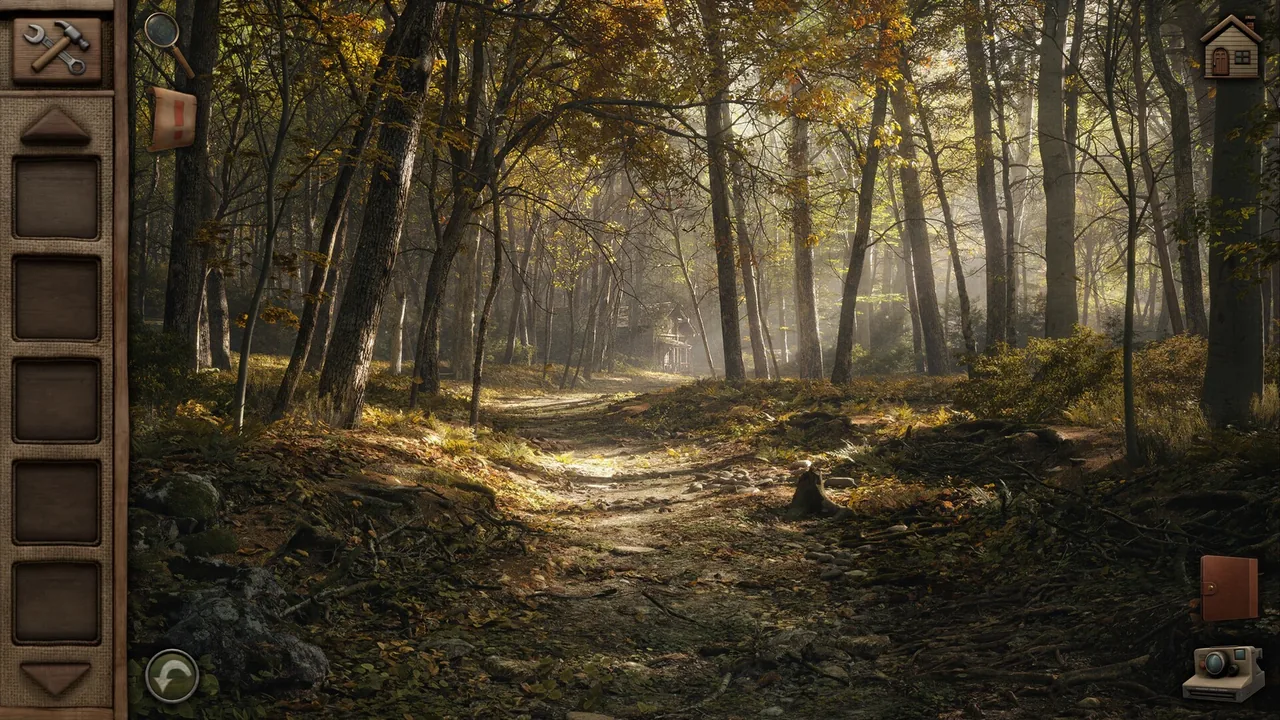
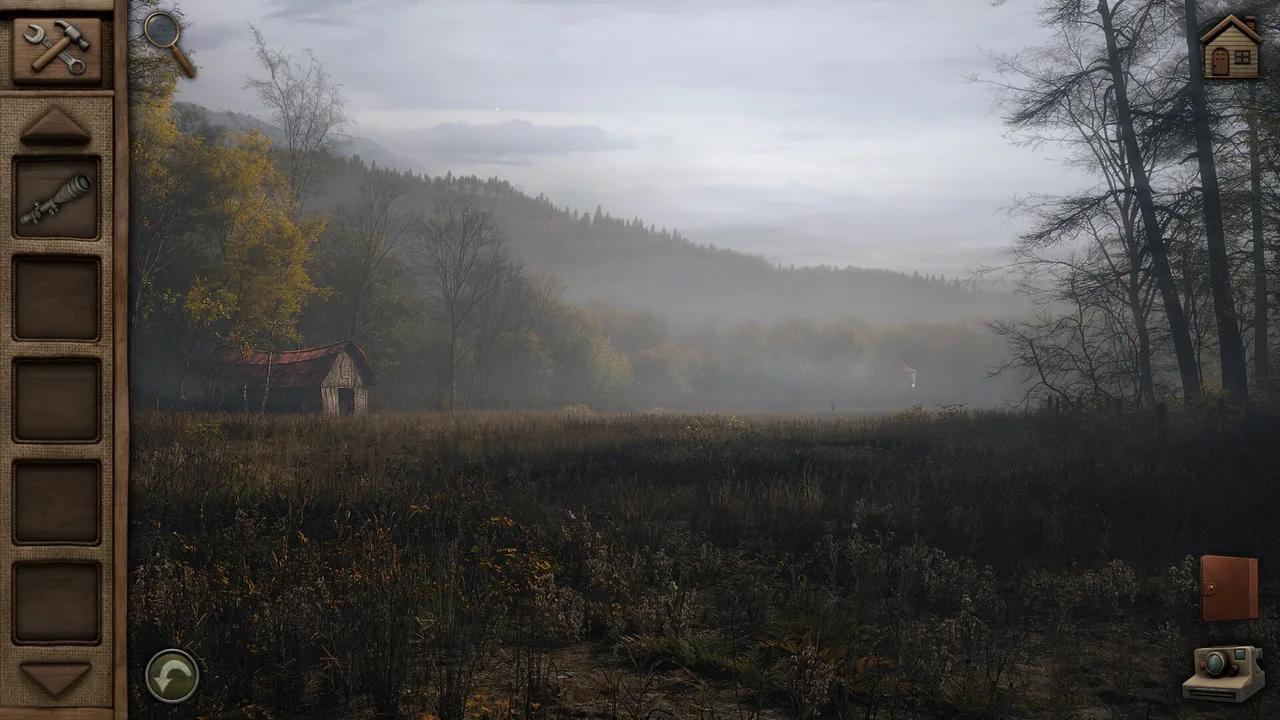
- This review's sample repeatedly and specifically praised the game's atmosphere and visual detail, with multiple reviewers independently calling the scenery 'breathtaking' and praising the level of environmental detail in the abandoned buildings and forest areas despite the setting's overall desolation
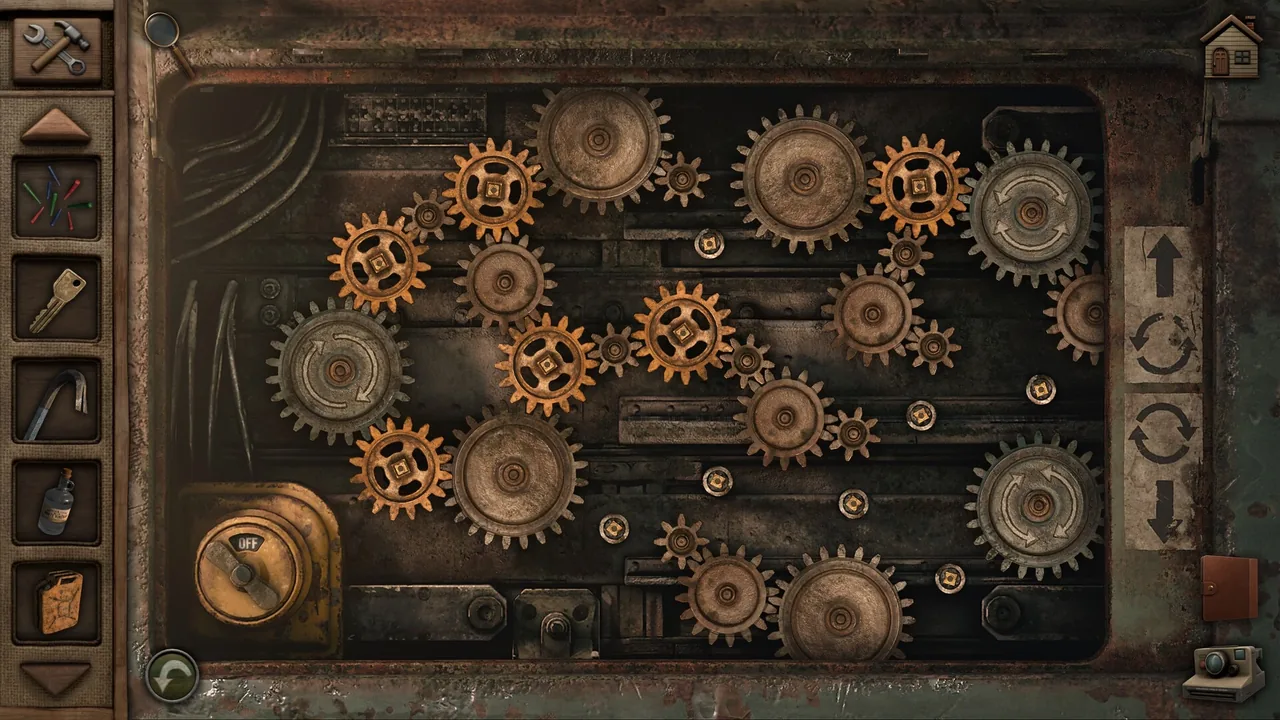
- This review's sample credited the puzzle design as a clear step up from the first chapter, with one detailed reviewer specifically writing that 'the puzzles made more sense than in chapter 1' and praising how solutions tie meaningfully into the story's progression rather than feeling arbitrary
Biggest weaknesses
- This review's sample included a detailed, specific complaint about pacing, one reviewer described 'tedious back and forth between places' compounded by frame-by-frame movement transitions, comparing the effect unfavorably to the original Myst and to more polished contemporary adventures like Obduction
- This review's sample repeatedly noted the game is short, with reviewers reporting completion times as low as four hours and as high as eight, and multiple reviewers specifically flagged frustration that the story ends abruptly on a cliffhanger requiring a future, not-yet-released third chapter to resolve
- This review checked the store's accessibility feature-flag block directly and found zero of nineteen tracked flags true despite this review's sample independently confirming a real in-game difficulty option, a meaningful gap between the store's own accessibility data and the game's actual accommodations that this review flags directly for future buyers checking that data before purchase
Who it's for: Point-and-click mystery fans who enjoyed the free first chapter and want a moody, story-driven continuation, with the understanding that the narrative doesn't resolve and a third chapter is still to come.
Our recommendation: A confident recommendation for genre fans, tempered by a real pacing complaint and the caveat that this is a middle chapter, not a complete story on its own.
5.9 / 10
October 6, 1981, and a park ranger's missing colleague are the only threads left to pull in a mountain town that's already given up its people. Aurora Hills: Chapter 2 is a $7.99 game from developer and publisher NovaSoft Interactive Ltd., released 6 March 2026. This review draws on a large 552-review sample, rated Overwhelmingly Positive, with 297 English-language reviews read in depth, including nearly all of the small number of available negative reviews.
A direct continuation, confirmed against the story so far
This review checked the store's own detailed description and confirmed this chapter picks up directly where the first left off: players return as park ranger Ethan Hill, following a trail of notes left by his missing colleague Jen into a new, more remote stretch of the abandoned Appalachian national park. This review's sample consistently engaged with that continuity directly, describing the game less as a standalone mystery and more as the next act of an ongoing investigation.
Atmosphere this review's sample praised with real consistency
This review's sample was strikingly consistent in praising the game's visual detail and mood, with multiple reviewers independently calling the scenery "breathtaking" and specifically noting the level of environmental detail packed into abandoned buildings and forest areas, despite the setting's overall desolation. That consistency across a large sample gives this review real confidence the atmosphere is a genuine, reliable strength rather than an inconsistent highlight.
Puzzle design reviewers say improved from the first chapter
This review's sample repeatedly credited the puzzle design as a meaningful step forward from the series' first entry, with one detailed reviewer specifically writing that "the puzzles made more sense than in chapter 1" and praising how solutions tie directly into story progression. That said, this review's sample wasn't unanimous: at least one reviewer flagged a specific example of puzzle logic feeling contrived, describing a numeric door code tied to an oddly specific real-world dollar amount rather than a more intuitive in-fiction clue, a pattern worth watching for players who prioritize tightly-reasoned puzzle logic.
A real, specific pacing complaint worth taking seriously
Not every account in this review's sample was positive. One detailed negative review described "tedious back and forth between places," compounded by frame-by-frame movement transitions the reviewer compared unfavorably to the original Myst, and contrasted the overall experience unfavorably against more polished contemporary adventures like Obduction. This review treats that account seriously rather than dismissing it as an outlier, since pacing and traversal friction are exactly the kind of issue that can compound across a longer playthrough even in an otherwise well-regarded game.
An accessibility feature this review's sample confirmed, that the store's own data misses
This review checked the store's accessibility feature-flag block directly and found zero of nineteen tracked flags true. That's notable, because this review's sample independently and specifically confirmed a real in-game accommodation the store's own data doesn't capture: three selectable difficulty levels that can be changed mid-playthrough, with one reviewer describing switching down from Hard to Medium when frustrated, then back up again later. This review flags that gap directly, since a buyer relying solely on the store's own accessibility data would miss a genuinely useful feature this game actually has.
Short, and deliberately unresolved
This review's sample repeatedly described the game as short, with completion times reported from four hours up to eight depending on playstyle. More notably, several reviewers specifically flagged frustration that the story ends on a cliffhanger, one reviewer joked about forgetting they'd need a still-unreleased Chapter 3 for the finale. This review checked the developer's partner-events feed directly and confirmed that frustration is well-founded: the most recent post is explicitly a "Wishlist Aurora Hills: Chapter 3" call, confirming the story genuinely does not resolve within this installment.
Weighing $7.99 against an unresolved, atmosphere-first mystery
At $7.99, Aurora Hills: Chapter 2 sits at a reasonable price for a four-to-eight-hour narrative adventure, and this review's sample treated that price as fair, particularly given the freely available first chapter functions as a low-risk way to sample the series before committing. This review weighs that value proposition against the reality that buyers are purchasing an unresolved middle chapter of a longer story, a structure some players will find appealing and others frustrating, and prices its recommendation with that caveat made explicit rather than implied.
A tag list that fits, and a developer track record worth noting
This review checked the store's own tag list against the detailed description and this review's sample and found it accurate throughout, "Point & Click," "Mystery," "Psychological Horror," and "1980s" all track directly to what the game actually delivers. One reviewer's mention of the developer's separate Meridian 157 series suggests NovaSoft Interactive has an established track record in this specific atmospheric-mystery style, and this review notes that context as relevant to why the game's tone and pacing choices feel deliberate rather than inexperienced, even where individual puzzles draw specific complaints.
Was this the true original release? This review checked
Given the standing practice of verifying a sequel or later chapter isn't disguising an actual port or rerelease, this review confirmed Aurora Hills: Chapter 2 is a genuinely new, standalone Steam product distinct from its predecessor, with its own appid, its own review base, and its own 6 March 2026 release date, rather than an updated rerelease of previously available content. The detailed description explicitly frames it as "the second part in a series," a normal sequel relationship rather than a disguised port, and this review's sample consistently treated it as new content requiring a fresh purchase, distinct from the freely available first chapter.
Verdict
Aurora Hills: Chapter 2 backs up a large, Overwhelmingly Positive sample with real, specific strengths: a consistently praised atmosphere, meaningfully improved puzzle design over its predecessor, and a genuine mid-playthrough difficulty option the store's own accessibility data fails to capture. Real complaints about pacing, occasionally contrived puzzle logic, and an unresolved cliffhanger ending keep this review from an unqualified recommendation, but for genre fans willing to wait for a third chapter, this is a confident pick at $7.99.
Pros and cons
Pros
- This review checked the store's own detailed description and confirmed a continuing mystery structure: players resume as park ranger Ethan Hill, picking up directly from the first chapter's cliffhanger as he follows a missing colleague's trail into a new, more remote area of the abandoned mountain park
- This review's sample repeatedly and specifically praised the game's atmosphere and visual detail, with multiple reviewers independently calling the scenery 'breathtaking' and praising the level of environmental detail in the abandoned buildings and forest areas despite the setting's overall desolation
- This review's sample credited the puzzle design as a clear step up from the first chapter, with one detailed reviewer specifically writing that 'the puzzles made more sense than in chapter 1' and praising how solutions tie meaningfully into the story's progression rather than feeling arbitrary
- This review's sample independently confirmed a genuinely useful accessibility accommodation not captured in the store's own feature-flag data: three selectable difficulty levels that can be changed mid-playthrough, with one reviewer specifically describing switching down from Hard to Medium when frustrated, then back up again
Cons
- This review's sample included a detailed, specific complaint about pacing, one reviewer described 'tedious back and forth between places' compounded by frame-by-frame movement transitions, comparing the effect unfavorably to the original Myst and to more polished contemporary adventures like Obduction
- This review's sample repeatedly noted the game is short, with reviewers reporting completion times as low as four hours and as high as eight, and multiple reviewers specifically flagged frustration that the story ends abruptly on a cliffhanger requiring a future, not-yet-released third chapter to resolve
- This review checked the store's accessibility feature-flag block directly and found zero of nineteen tracked flags true despite this review's sample independently confirming a real in-game difficulty option, a meaningful gap between the store's own accessibility data and the game's actual accommodations that this review flags directly for future buyers checking that data before purchase
- This review's sample included at least one specific complaint about puzzle logic feeling contrived, citing an example where a numeric code's solution depended on an oddly specific real-world dollar amount rather than a more intuitive in-fiction clue, a design pattern that risks breaking immersion in an otherwise atmosphere-driven game
Screenshots
-
Aurora Hills: Chapter 2Image: NovaSoft Interactive Ltd. via Steam -
Aurora Hills: Chapter 2Image: NovaSoft Interactive Ltd. via Steam -
Aurora Hills: Chapter 2Image: NovaSoft Interactive Ltd. via Steam