Game review
Missing Texture
6 / 10
- Developer
- GaspachoWork
- Publisher
- GaspachoWork
- Released
- 27 March 2026
- Platforms
- Windows
- Genre
- Adventure
- Monetisation
- Free-to-play
- Players
- Single-player
The short version
Missing Texture is a free-to-play psychological horror game from developer GaspachoWork, released 27 March 2026, built around a central launcher, free main-story chapters, and paid side stories under a few euros, all telling a fragmented tale of an abduction inside a house where nothing, not even the walls, stays reliable. This review's full 19-review sample is genuinely Mixed, splitting between reviewers charmed by the concept and interlinked chapter structure, and others reporting rendering problems severe enough that at least one assumed the whole thing was AI-generated.
Biggest strengths
- This review's sample includes a detailed English-language review, backed by over 11 hours of playtime, describing the game's central hook as 'the environment cannot be trusted,' crediting the design for building tension out of players noticing small, unexplained changes rather than leaning entirely on jump scares
- This review checked a detailed Simplified Chinese-language review that lays out the game's structure: free main chapters accessed through a central launcher, plus paid side stories and character-perspective spin-offs priced under five euros, all feeding into one interconnected narrative universe centered on the same abduction
- This review's sample includes a Russian-language reviewer who specifically praised the atmosphere created by interacting with a world defined by absent textures, calling the concept unique and the sound design effective at building tension, while still noting the campaign runs short
Biggest weaknesses
- This review's sample includes a detailed negative review reporting frequent rendering issues — glitching shadows, disappearing environment geometry, and parts of the world failing to load correctly — despite crediting the underlying puzzle design as the game's strongest element
- This review's sample includes a reviewer who directly speculated the game was AI-generated, citing puzzles that 'literally don't make sense,' rough art, and objects that only exist after leaving and re-entering a room, alongside a second, longer negative review calling the design 'so misguided, so fractured, so disjointed'
- This review found a large share of the sample's positive reviews are extremely low-effort, one-line comments referencing the developer personally rather than the game's design, a pattern consistent with a small existing fan community rather than broad critical reception
Who it's for: Horror fans who enjoy fragmented, multi-chapter narrative universes and want to gamble nothing but time on a free download; a rougher fit for anyone who needs technically polished environments, since this review's sample includes detailed reports of glitching shadows and disappearing geometry.
Our recommendation: Worth a free download for horror fans curious about an ambitious, interconnected chapter structure, with the caveat that this review's sample shows real technical rough edges alongside the genuine praise.
6 / 10
Nothing in this house stays where it should. Missing Texture is a free-to-play psychological horror game from developer GaspachoWork, released 27 March 2026. This review draws on the game's full 19-review sample and the developer's public partner-events history.
A horror gimmick built into the title itself
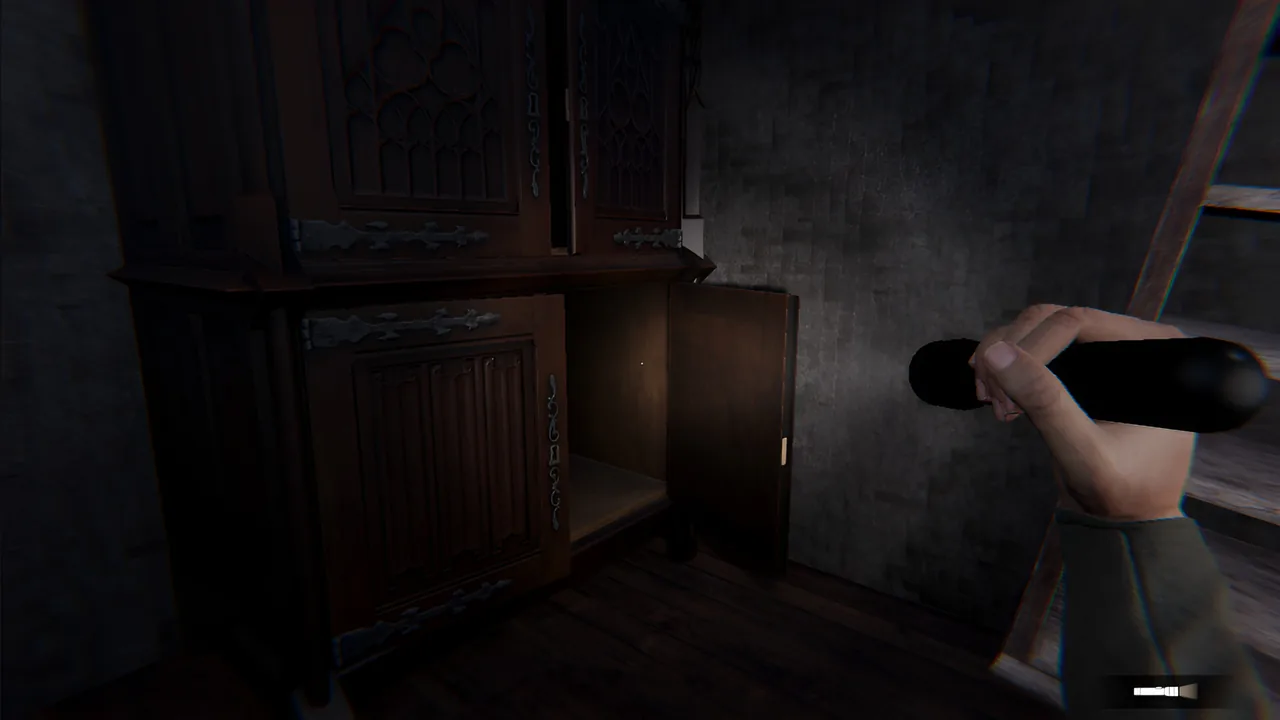
This review checked a detailed English-language reviewer, logged at over 11 hours of playtime, who summed up the core idea plainly: "the environment cannot be trusted." Rooms, corridors, doors, objects, and visual details shift or behave incorrectly in ways that undermine the player's understanding of the space they're trapped in. Rather than depending entirely on conventional jump scares, that reviewer credits much of the tension to a subtler unease — noticing something has changed and not knowing whether the difference is dangerous, meaningful, or just the world glitching around you, a premise the game's own title leans directly into.
One free launcher, an entire interconnected universe
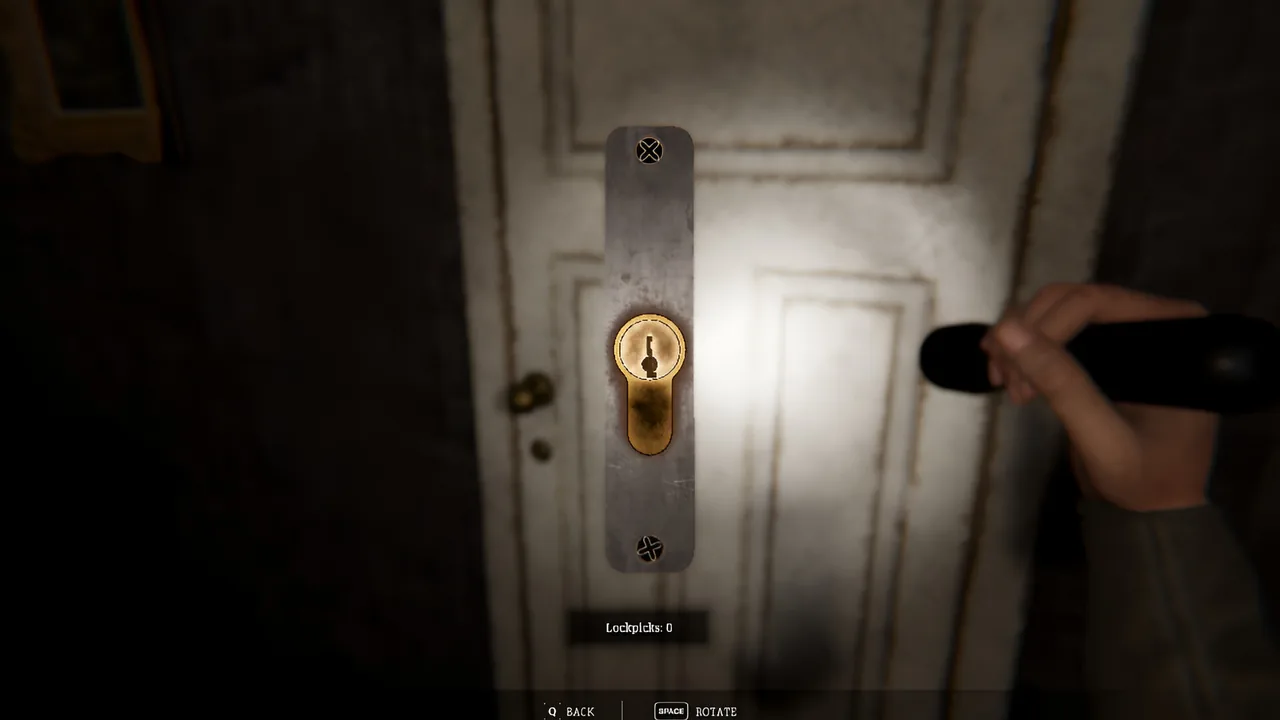
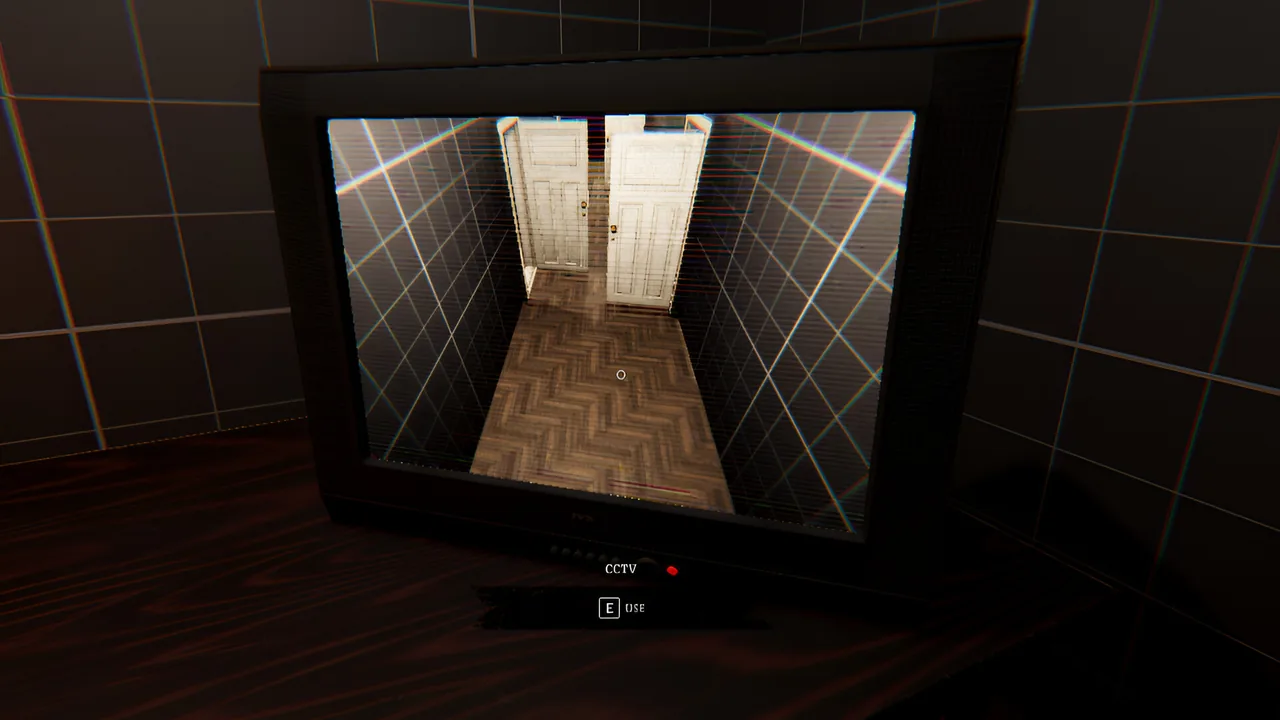
This review checked a detailed Simplified Chinese-language review that lays out an unusually ambitious structure for a free release. A central launcher hosts up to four free main-story chapters, all sharing the same abduction-and-distorted-reality plot, with progress saved centrally. Around that core, the developer sells separate, low-priced side stories and character-perspective spin-offs, priced under five euros, that expand the lore without being required to understand the main plot. That same review describes the house setting itself as actively hostile: shifting hallways, doors appearing from nowhere, and a resident presence that patrols, reacts to sound, and forces unpredictable chase and interactive-escape sequences where fast decisions change the outcome.
A real fanbase, even if its reviews don't say much
A large share of this review's thirteen positive entries are extremely short, low-effort comments that reference the developer personally rather than the game's design — phrases like "guapo como el creador" (handsome like the creator) and "el creador me pone a 100" recur across the Spanish-language portion of the sample. That pattern points toward an existing, personally invested fan community rather than a broad wave of critical acclaim, a distinction worth drawing before reading the Mixed score as pure design endorsement. A smaller number of positive reviews are substantive: a Russian-language reviewer specifically praised the atmosphere created by interacting with a world defined by absent textures, calling the concept and sound design genuinely effective, while still flagging repetitive level layouts and a short campaign as real weaknesses.
Rendering problems serious enough to draw AI accusations
Set against that, this review's negative entries are consistently more detailed and specific. One reviewer reported frequent rendering issues — glitching shadows, environment geometry disappearing, and parts of the world failing to load correctly — while still crediting the underlying puzzle design as the game's strongest element. Two other reviewers went further, with one flatly speculating the game was AI-generated, citing puzzles that "literally don't make sense" and objects that only exist after leaving and re-entering a room, and a second writing at length that the game felt "so misguided, so fractured, so disjointed" that they questioned the developer's understanding of game design altogether. This review found no confirmed AI-content disclosure anywhere on the store page itself; these are reviewer impressions reacting to visible technical rough edges, not a documented fact about how the game was made.
Achievements point to a short first chapter
This review checked the Steam global achievement API and found eight tracked achievements. The two most common, tied to simply playing and completing Chapter One, sit at 35.0% and 29.8%, while completing Chapter Two drops to 23.6%, and four secret or update-related achievements cluster around 9.5% each. That steep drop-off after the first chapter is consistent with reviewer accounts of a short main-story campaign, with deeper engagement reserved for players willing to chase secrets or return after updates.
A developer who actually pushed a fix
This review checked the developer's public partner-events feed and found genuine post-launch engagement, a contrast with several other small releases covered this cycle. A launch-day post on 27 March thanked beta testers, translators, and what it called "the entire GaspachoWork family" by name, and promised a bug-fixing update was already on the way. That update landed within two weeks, on 6 April, described as addressing community feedback directly. A follow-up post on 11 April celebrated the game surpassing 10,000 players, a real milestone for a small free release and evidence the developer was still actively watching the numbers and the community well after launch.
Solid accessibility support, with real gaps
This review checked the store's accessibility feature-flag block directly and found ten of nineteen tracked flags true, including resizable UI, subtitles, camera comfort, background volume controls, both stereo and surround sound, and save-anytime support — a notably stronger showing than most small free releases this cycle. The gaps are still real: no difficulty-level options, no keyboard-only or mouse-only control modes, no narrated menus, and no vision-accessibility support, all relevant given the reviewer complaints about disorienting rendering glitches.
Verdict
Missing Texture is a genuinely ambitious idea, wrapping a free chapter-based horror story around a self-aware "the environment is broken" gimmick and an interconnected universe of paid side content, and this review's sample shows real signs the developer is listening, with a fast bug-fixing update and a public thank-you to its community. But the same sample also documents specific, credible technical problems severe enough to make at least one player doubt the game was made with real care at all. At zero cost, it's a low-risk pick for horror fans drawn to fragmented, multi-chapter storytelling, but this review's Mixed sample says the rough edges are real, not just a vocal minority's complaint.
Pros and cons
Pros
- This review's sample includes a detailed English-language review, backed by over 11 hours of playtime, describing the game's central hook as 'the environment cannot be trusted,' crediting the design for building tension out of players noticing small, unexplained changes rather than leaning entirely on jump scares
- This review checked a detailed Simplified Chinese-language review that lays out the game's structure: free main chapters accessed through a central launcher, plus paid side stories and character-perspective spin-offs priced under five euros, all feeding into one interconnected narrative universe centered on the same abduction
- This review's sample includes a Russian-language reviewer who specifically praised the atmosphere created by interacting with a world defined by absent textures, calling the concept unique and the sound design effective at building tension, while still noting the campaign runs short
- This review checked the developer's public partner-events feed and found active post-launch engagement, including a named thank-you to beta testers, translators, and community members, a bug-fixing update pushed within two weeks of release, and an announcement marking 10,000 players reached
Cons
- This review's sample includes a detailed negative review reporting frequent rendering issues — glitching shadows, disappearing environment geometry, and parts of the world failing to load correctly — despite crediting the underlying puzzle design as the game's strongest element
- This review's sample includes a reviewer who directly speculated the game was AI-generated, citing puzzles that 'literally don't make sense,' rough art, and objects that only exist after leaving and re-entering a room, alongside a second, longer negative review calling the design 'so misguided, so fractured, so disjointed'
- This review found a large share of the sample's positive reviews are extremely low-effort, one-line comments referencing the developer personally rather than the game's design, a pattern consistent with a small existing fan community rather than broad critical reception
- This review checked the store's accessibility feature-flag block directly and found several commonly expected options absent, including difficulty levels, keyboard-only or mouse-only control modes, and any narrated-menu or vision-accessibility support
Screenshots
-
Missing TextureImage: GaspachoWork via Steam -
Missing TextureImage: GaspachoWork via Steam -
Missing TextureImage: GaspachoWork via Steam