Game review
A Color Theory
7.5 / 10
- Developer
- Strangely Fun Games
- Publisher
- Strangely Fun Games
- Released
- 10 March 2026
- Platforms
- Windows, macOS, Linux
- Genre
- Casual, Indie
- Monetisation
- Premium
- Players
- Single-player only
The short version
A Color Theory is a $4.99 puzzle-platformer from Strangely Fun Games, released 10 March 2026, built around a single rule: color determines what anything in the level actually does, from basic platforming movement to destructible hazards to gravity itself. This review draws on a sample of 23 lifetime reviews, unanimously Positive, and reads every review in the sample. Reviewers consistently and independently compared the game favourably to the acclaimed logic puzzler Baba Is You while insisting it carves out real originality of its own, with only isolated, specific complaints about color contrast and keybind placement.
Biggest strengths
- This review's sample repeatedly and independently drew comparisons to the acclaimed puzzle game Baba Is You, with one reviewer, writing as part of a curator review scored 7 out of 10, framing the concept precisely as 'what if Baba is You was a 2D platformer, and used color instead of code blocks for all of its rules,' while still praising the game's own distinct identity
- This review's sample was consistent in praising the puzzle design and difficulty curve specifically, with one reviewer summarizing it as 'tight design, well balanced difficulty curve, fun mechanics, satisfying solutions, SECRETS. Everything an excellent puzzle game needs,' language echoed independently across multiple other reviews in the sample
- This review's sample repeatedly noted the game expanded substantially beyond its pre-release demo, with one reviewer writing 'it's amazing how much the game has expanded since the demo,' and confirming that demo progress carries over into the full release for anyone still deciding whether to buy it
Biggest weaknesses
- This review's sample included a specific, concrete accessibility complaint despite the game's formal Color Alternatives support, with one reviewer asking the developer to 'up the saturation/brightness on your brown more, it's hard to see on the black background,' a real readability gap in at least one specific color's default presentation
- This review's sample included a specific control-scheme complaint, with one detailed reviewer enjoying the game overall but noting a particular tool's keybind sits uncomfortably close to the reset button, and specifically requesting 'the option to rebind keys,' which this review confirms is not listed among the store's own accessibility categories
- This review checked the Steam global achievement API and found a steep late-game difficulty wall, with only 25.2 percent of players reaching World 3 and just 4.6 percent completing the game without ever using its reset function, indicating the puzzles get considerably harder than the earlier, widely-praised difficulty curve might suggest
Who it's for: Fans of rule-based logic puzzle platformers, especially anyone who enjoyed Baba Is You and wants a colorful, differently-structured take on the same core idea of manipulating the rules rather than just the character.
Our recommendation: A confident, easy recommendation given a unanimous, detailed Positive sample and a very low price, with minor accessibility caveats worth knowing about going in rather than reasons to skip it.
7.5 / 10
Change the color, change the rules: A Color Theory builds an entire puzzle-platformer around the idea that what a thing looks like is what it does. It's a $4.99 release from Strangely Fun Games, launched 10 March 2026, and this review draws on a sample of 23 lifetime reviews, unanimously Positive, reading every review in the sample in detail.
A single idea, deeply explored
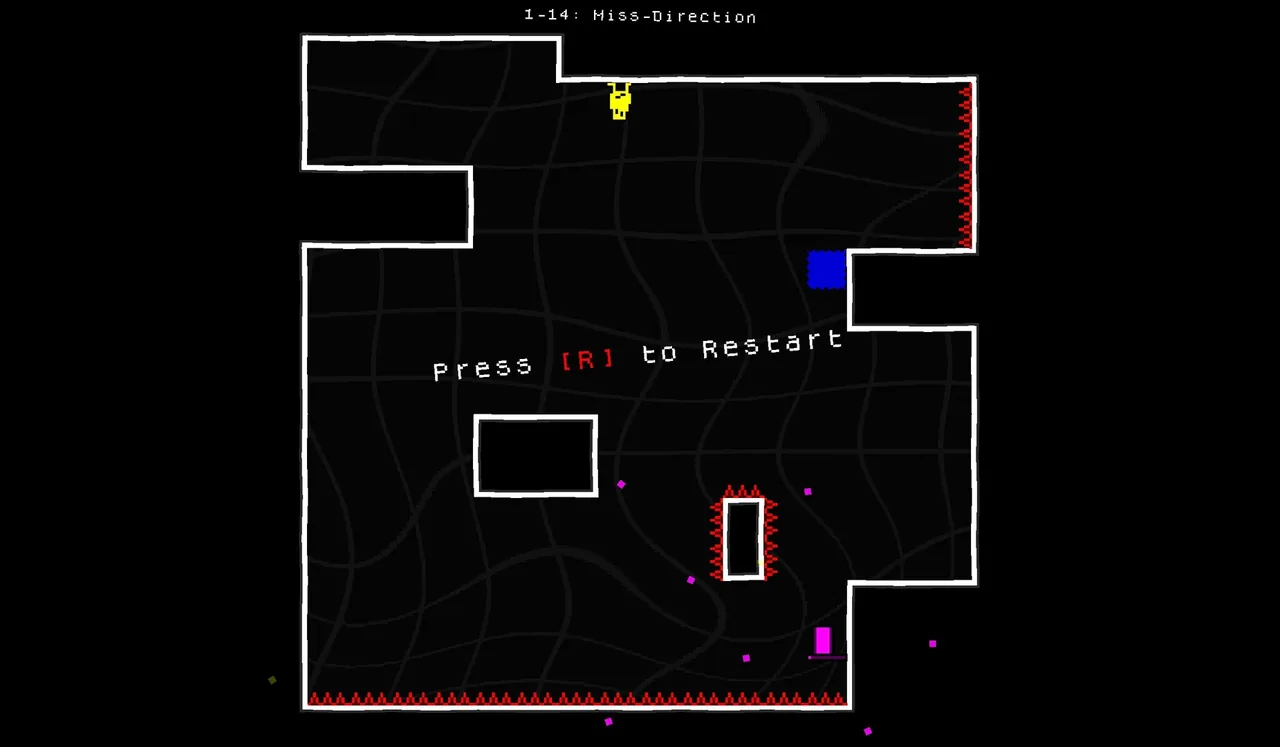
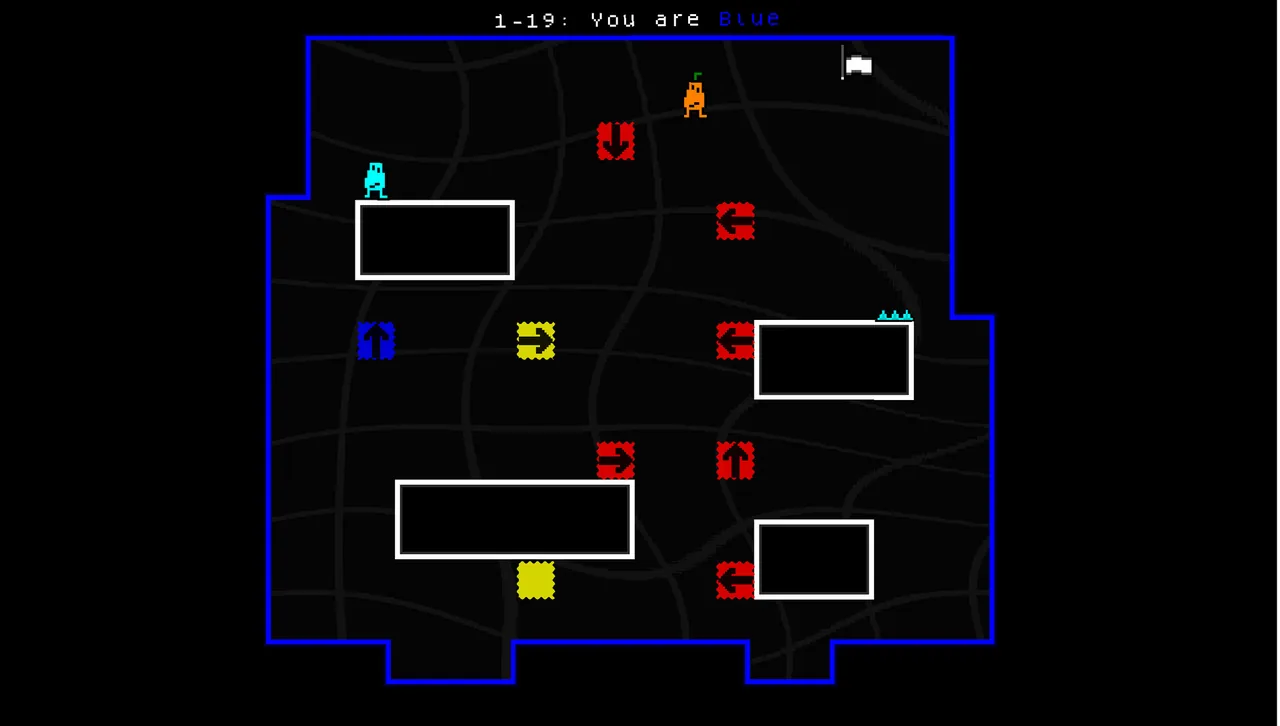
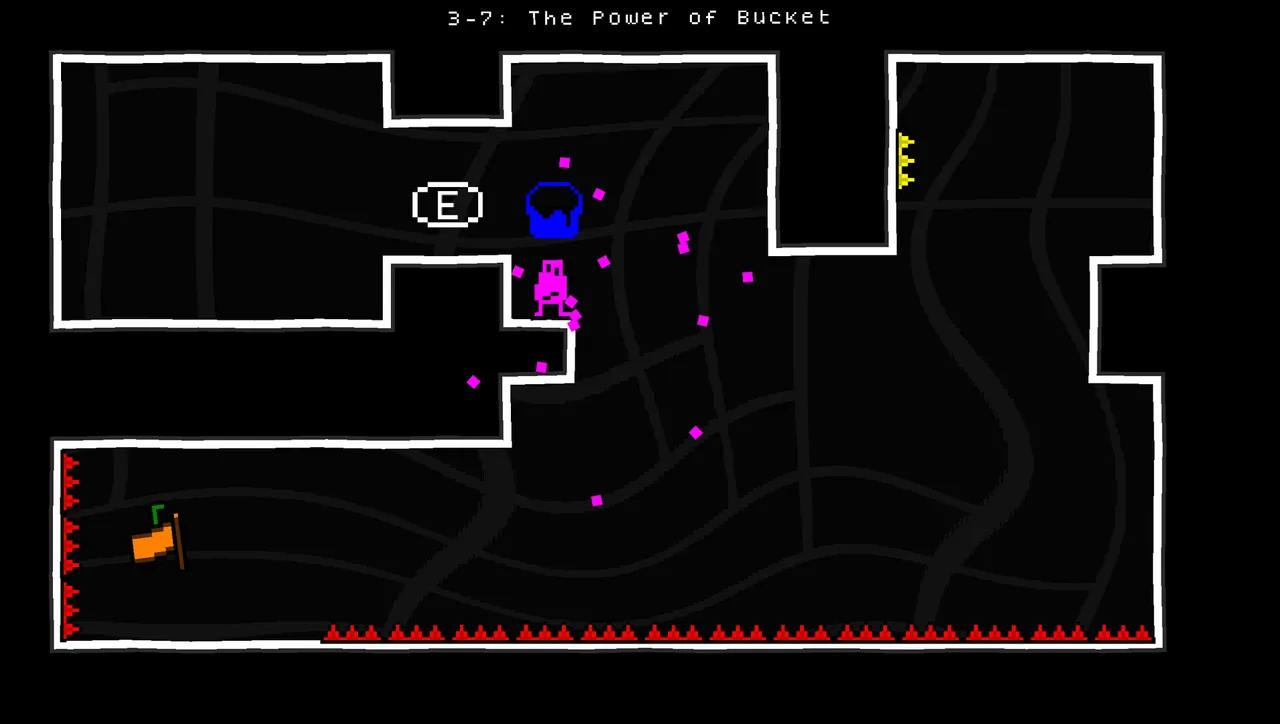
This review checked the store's own detailed description and confirmed the premise directly: color determines the role of everything in a level, from basic platforming movement to destructible hazards to gravity-flipping capability, and nothing on screen is immune to being changed by swapping one color for another. This review's sample repeatedly and independently reached for the same comparison to describe that idea, with one curator-affiliated review, scored 7 out of 10, framing it precisely as "what if Baba is You was a 2D platformer, and used color instead of code blocks for all of its rules."
Tight, escalating puzzle design reviewers loved
Beyond the initial hook, this review's sample was consistent in praising the actual puzzle craft on display. One reviewer summarized it as "tight design, well balanced difficulty curve, fun mechanics, satisfying solutions, SECRETS. Everything an excellent puzzle game needs," language echoed independently across several other reviews describing "incredibly creative puzzles and mechanics" that kept surprising them well into the campaign.
A demo that grew into something bigger
This review's sample repeatedly noted the finished game expanded well beyond its pre-release demo, with one reviewer writing "it's amazing how much the game has expanded since the demo," and confirming that progress made in the demo carries directly into the full release, a low-risk way for undecided buyers to try the core mechanic before committing.
A genuinely strong accessibility feature set, with one specific gap
This review checked the store's own category data directly and confirmed a real, substantial accessibility offering for a small indie puzzle game, including Color Alternatives, Custom Volume Controls, a Keyboard Only Option, Playable without Timed Input, and full controller support spanning both DualShock and DualSense, further corroborated by a dedicated in-game COLORBLIND achievement. Despite that, this review's sample included a specific, concrete complaint from one reviewer who found a particular color's default presentation genuinely hard to read, asking the developer to "up the saturation/brightness on your brown more, it's hard to see on the black background."
A small control-scheme complaint worth knowing about
This review's sample also included a specific, detailed request from a reviewer who otherwise enjoyed the game: they flagged that a later tool's keybind sits uncomfortably close to the reset button, risking accidental resets, and specifically asked for "the option to rebind keys." This review checked the store's own accessibility category list directly and confirmed key rebinding is not among the currently listed features, a real, specific gap even set against an otherwise strong accessibility profile.
A real late-game difficulty wall
This review checked the Steam global achievement API and found completion data consistent with reviewers' comments about the puzzles growing considerably harder over time. While 98.1 percent of players earn the game's opening achievement, only 25.2 percent reach World 3, and a mere 4.6 percent complete the game without ever using its built-in reset function. This review reads that curve as confirmation that the widely-praised "well balanced difficulty" holds mainly for the earlier stretch of the campaign, with the later content demanding considerably more from players willing to push through.
A quick, active launch window
This review checked the store's own partner events feed directly and found a tight, active launch sequence: a hotfix on 8 March 2026, the "now on Steam!" full-release announcement itself on 10 March 2026, and a second hotfix the same day. This review reads that pattern as evidence of a developer paying close attention to player feedback in the hours immediately around release, rather than shipping once and walking away, consistent with the sample's overall impression of a small, attentive team behind the game.
A wide spread of playtimes, and real replay depth for the committed
This review checked playtime data across the full sample and found a wide range, from as little as 11 minutes for a reviewer giving a quick first impression up to over 20 hours for the most committed player, with a median around 1.8 hours. That spread lines up with the achievement data: while most players clear the opening world comfortably, the steep drop-off toward the SPEEDRUN_1 and NO_RESET_COMPLETION achievements, both sitting at just 4.6 percent, points to real optional depth for players chasing a clean or fast completion rather than just seeing the credits roll. This review notes the game also includes a dedicated "SEE_CREDITS" achievement sitting at 27.1 percent, suggesting a meaningful share of the sample never finished the main campaign at all, a useful, concrete counterweight to the otherwise glowing tone of the written reviews.
A small but unanimous sample
This review notes plainly that its own sample, while unanimous at 23 positive reviews out of 23 total, is also small, reflecting a young release still building its audience rather than a large-scale consensus. This review reads the consistency of detailed, substantive praise across that sample, rather than its raw size, as the more meaningful signal here.
Verdict
A Color Theory takes a well-loved puzzle-game lineage and finds real, specific originality within it, backed by a unanimous, detailed, and substantive review sample. A genuine accessibility gap around one color's contrast and a missing rebind option are worth knowing about, but neither comes close to outweighing tight design, a real sense of discovery, and a steep, satisfying difficulty curve for anyone willing to see it through. At $4.99, this review recommends it without hesitation.
Pros and cons
Pros
- This review's sample repeatedly and independently drew comparisons to the acclaimed puzzle game Baba Is You, with one reviewer, writing as part of a curator review scored 7 out of 10, framing the concept precisely as 'what if Baba is You was a 2D platformer, and used color instead of code blocks for all of its rules,' while still praising the game's own distinct identity
- This review's sample was consistent in praising the puzzle design and difficulty curve specifically, with one reviewer summarizing it as 'tight design, well balanced difficulty curve, fun mechanics, satisfying solutions, SECRETS. Everything an excellent puzzle game needs,' language echoed independently across multiple other reviews in the sample
- This review's sample repeatedly noted the game expanded substantially beyond its pre-release demo, with one reviewer writing 'it's amazing how much the game has expanded since the demo,' and confirming that demo progress carries over into the full release for anyone still deciding whether to buy it
- This review checked the store's own category data directly and confirmed a genuinely strong accessibility feature set for a small indie puzzle game, including Color Alternatives, Custom Volume Controls, a Keyboard Only Option, Playable without Timed Input, and full controller support including both DualShock and DualSense, corroborated by a dedicated in-game COLORBLIND achievement
Cons
- This review's sample included a specific, concrete accessibility complaint despite the game's formal Color Alternatives support, with one reviewer asking the developer to 'up the saturation/brightness on your brown more, it's hard to see on the black background,' a real readability gap in at least one specific color's default presentation
- This review's sample included a specific control-scheme complaint, with one detailed reviewer enjoying the game overall but noting a particular tool's keybind sits uncomfortably close to the reset button, and specifically requesting 'the option to rebind keys,' which this review confirms is not listed among the store's own accessibility categories
- This review checked the Steam global achievement API and found a steep late-game difficulty wall, with only 25.2 percent of players reaching World 3 and just 4.6 percent completing the game without ever using its reset function, indicating the puzzles get considerably harder than the earlier, widely-praised difficulty curve might suggest
- This review notes its own sample, while unanimous, is also small at 23 lifetime reviews, meaning broader consensus outside this specific group of engaged early reviewers hasn't yet had the chance to develop
Screenshots
-
A Color TheoryImage: Strangely Fun Games via Steam -
A Color TheoryImage: Strangely Fun Games via Steam -
A Color TheoryImage: Strangely Fun Games via Steam