Safe ground, precisely
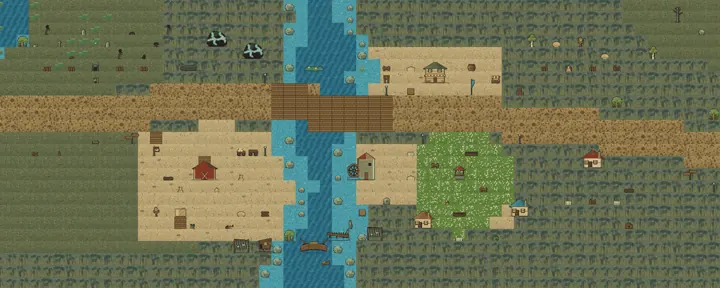
Every settlement projects a safe zone. Inside it nothing attacks you, nothing follows you in, and you can idle indefinitely — park in Rest mode and heal, sort your pack, or just watch the locals go about their day. Discovering a town also makes it a revival anchor (defeat sends you to the nearest unlocked one) and a teleport destination. That triple role is why walking into every new town you pass is never wasted time.
The general store
Trading happens at Wanderer's Rest — the safe-zone market at the heart of the road. The store deals in:
- Selling loot. Any unlocked, unequipped item sells instantly at its listed value. Sell All clears everything unlocked in one tap — lock (🔒) anything precious first; locked items and stacks are untouchable by any sale.
- Buy-back. Sold something by mistake? The store keeps your recent sales this session and will sell them back at 3× the price you got — a safety net, not a free one. Lock beats buy-back every time.
- Teleport Scrolls — 1,000 coins each, stack to 100. Each scroll warps you to any settlement you've already visited. The single best quality-of-life purchase in the game.
- Pack expansions — +5 slots per purchase, each costing double the last, up to a 100-slot pack. Early expansions repay themselves within a session of looting.
- Offline travel hours — extend your offline simulation cap from the base 1 hour up to 12, one purchased hour at a time. See offline progress for why this compounds.
- Starter tools — the Bronze Woodcutter's Axe and Bronze Pickaxe, for wanderers who'd rather buy than wait to forge.
Blacksmiths
Twenty-eight towns along the road have a working blacksmith — an open-roofed workshop with a furnace (smelting), an anvil (forging) and a tempering bench. They're identical in function; pick by proximity to your ore. The town directory marks which settlements have one.
The locals
Towns are inhabited — named NPCs wander their streets, tend their stalls, and talk to passers-by. Some of it is flavour, some of it is regional colour, and some of it is genuinely useful direction (the bandits in the Ruined Fort were first mentioned by a Stonewatch local). Landmark stories in the landmark directory often start as town gossip.
Houses
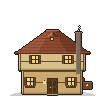
Past the shops and inns, roadside lots exist for players: earn enough and you can raise a house of your own, built in visible stages, with storage inside and a roof that politely fades when you walk in. A house is the one piece of the world that's yours.
FAQ
Can monsters ever enter a town?
No. The boundary is absolute — it's why "make it to Gravewater" is a Blackfen survival strategy and not just a suggestion.
Do stores differ between towns?
Trading is centred on Wanderer's Rest's market. Blacksmiths, though, are everywhere — 28 forges line the road.
Is buy-back permanent?
It holds your recent sales for the session. Don't treat it as storage — that's what locking and houses are for.