Game review
VHOLUME
7 / 10
- Developer
- Nathan Grange, Léonard Lemaitre, Niels Tiercelin
- Publisher
- IronEqual
- Released
- 21 August 2026
- Platforms
- Windows
- Genre
- Casual
- Monetisation
- One-time purchase
- Players
- Online multiplayer
The short version
VHOLUME, released 21 August 2026 by the small team behind Babbdi and Straftat, drops players into a sprawling brutalist megacity to wall-run, slide-hop, and speedrun their way through around 20 main levels. A large and largely glowing review sample praises movement that feels exceptional once mastered, a genuinely haunting ambient soundtrack, and a distinctive architectural atmosphere, but a substantial minority, including some very experienced players, describe inconsistent physics, level design that swings between inspired and unfinished, and a story that the store page oversells.
Biggest strengths
- The core movement, wall-running, sliding, and chaining jumps to build speed, draws exceptionally consistent praise for feeling both approachable and capable of real depth, frequently compared favourably to Titanfall 2 and Mirror's Edge
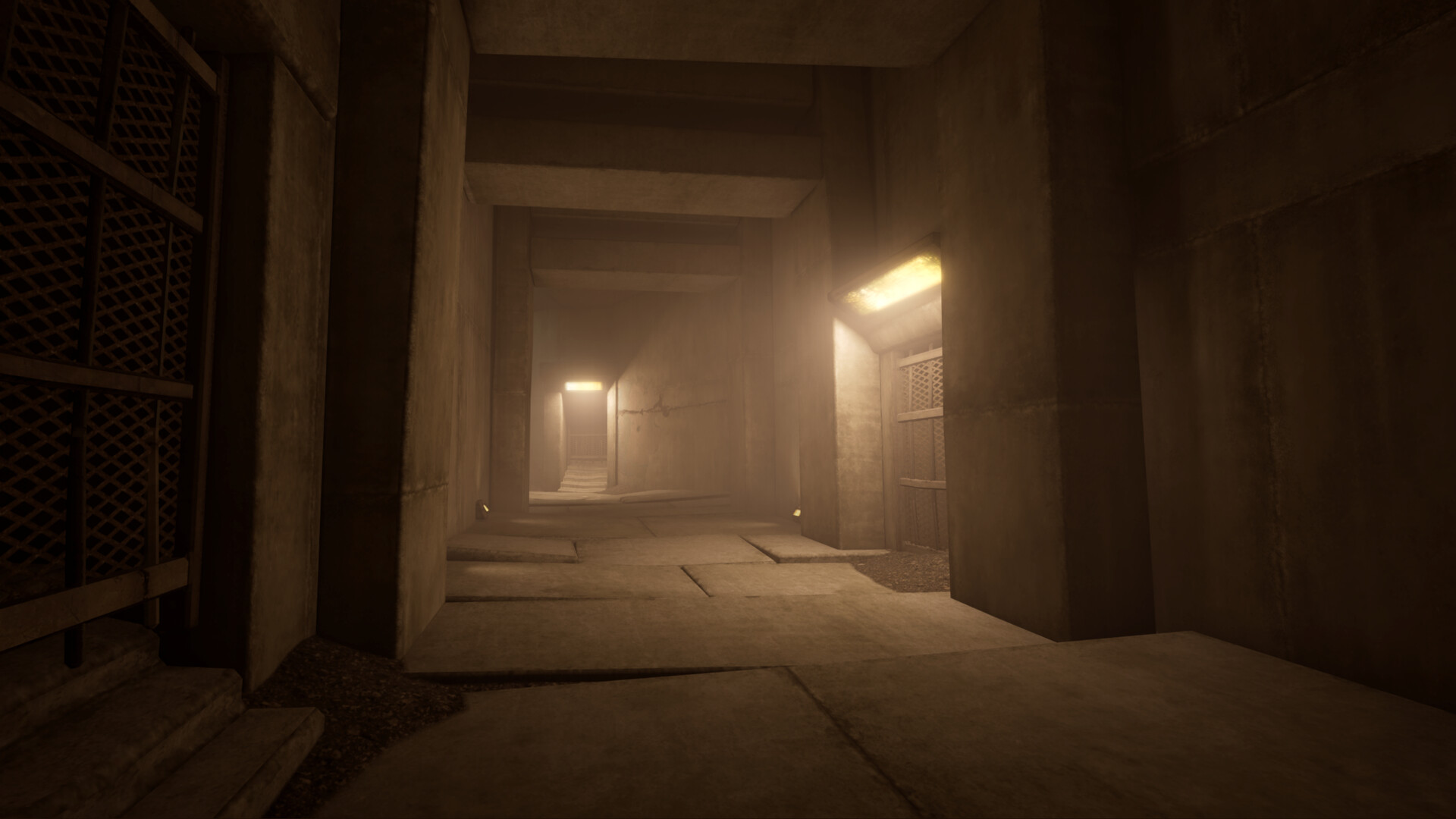
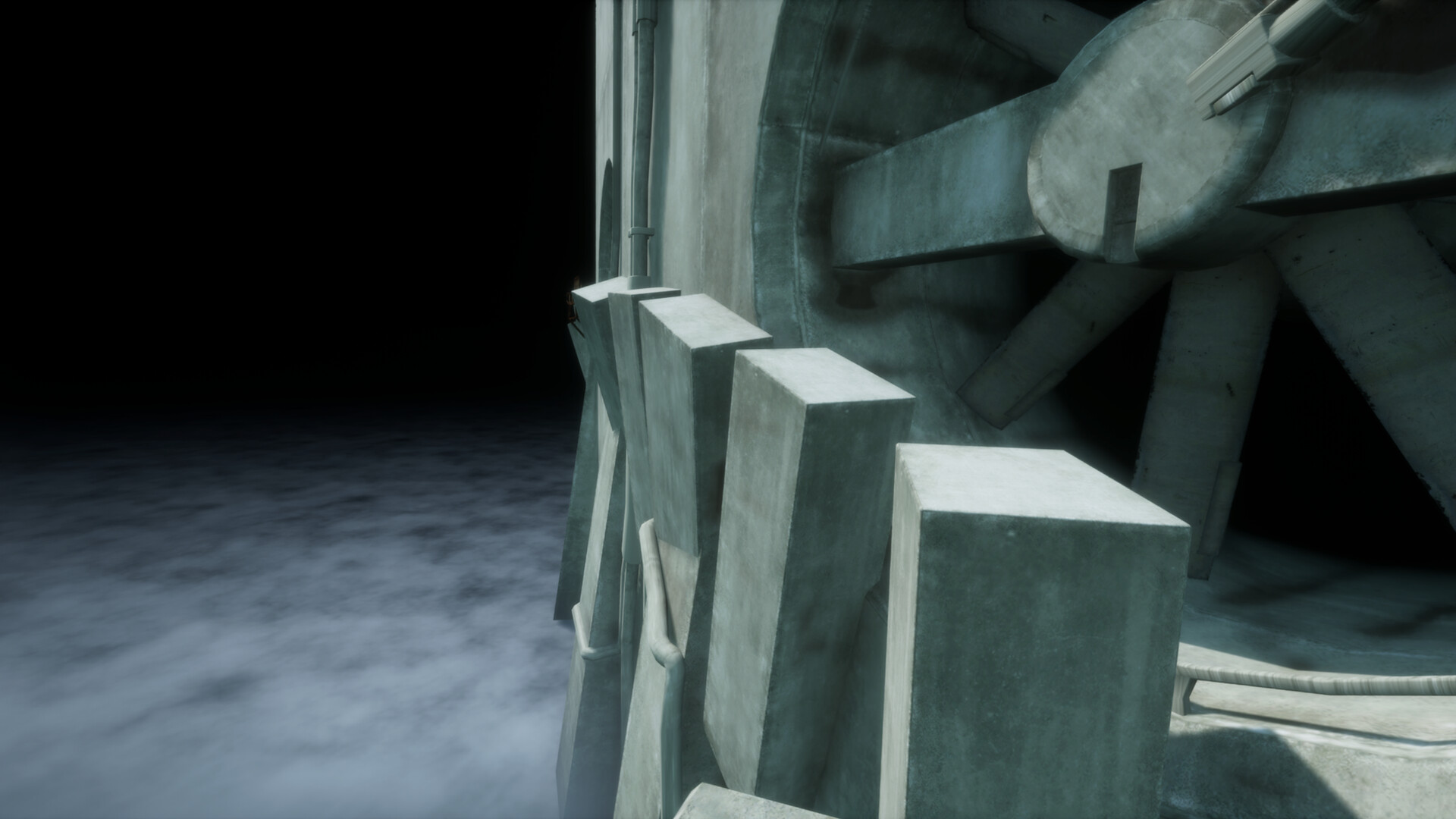
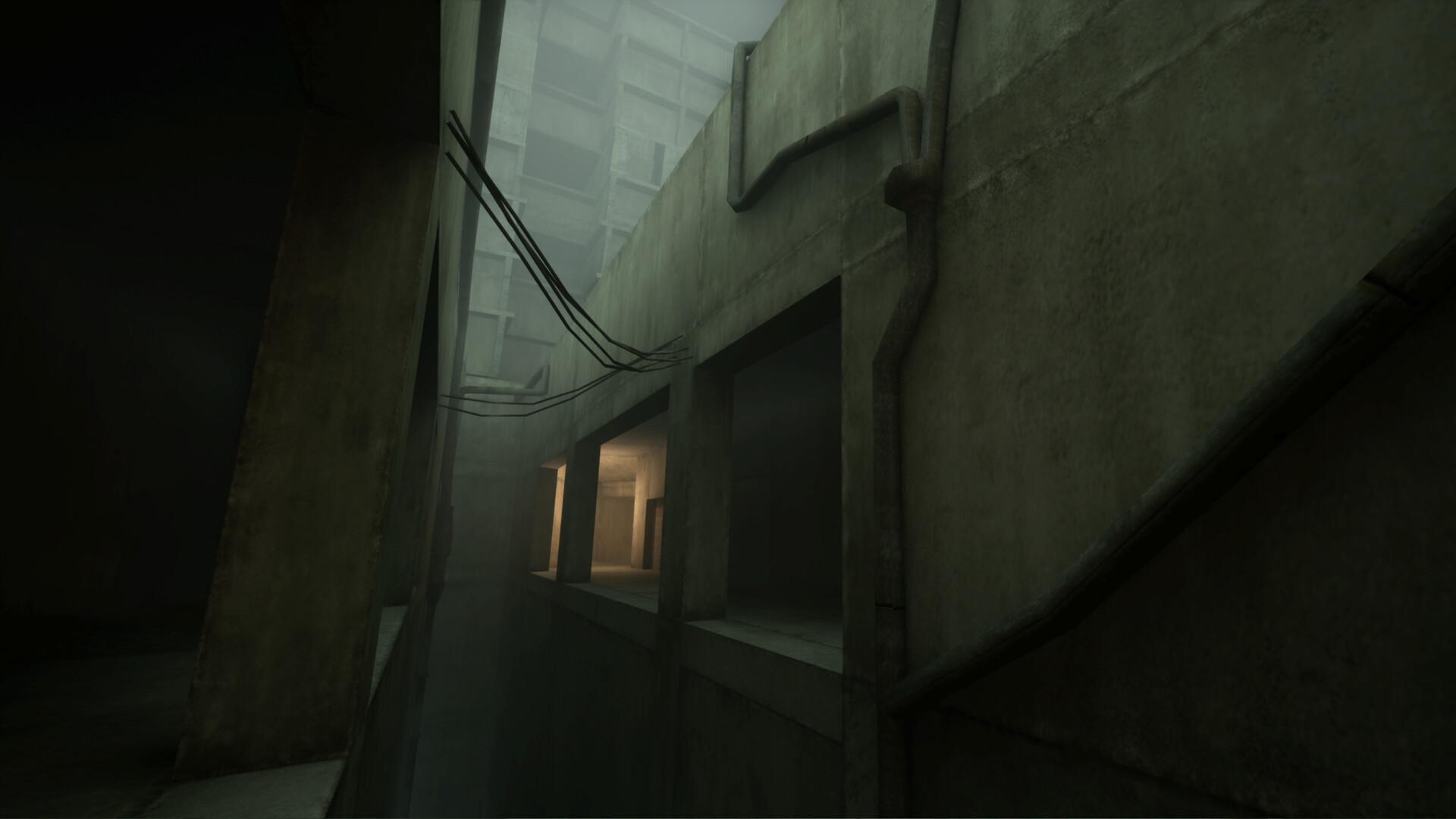
- The brutalist megastructure setting and ambient, melancholic soundtrack are repeatedly singled out as a distinctive, memorable combination that elevates the game beyond a generic speedrun product
- Day-one Steam Workshop support and asynchronous ghost-based multiplayer give the game real community longevity, letting players import custom maps and race each other's times
Biggest weaknesses
- A recurring and detailed complaint, including from players with dozens of hours and top leaderboard placements, is that the movement physics behave inconsistently, with speed randomly gained or lost on slides, wall exits, and landings in ways players say they cannot predict or explain
- Level design quality varies sharply, with several reviewers describing a run of "gray box" levels late in the game that feel visually unfinished and poorly flow-tested compared to the polished, purposeful design of the best levels
- The store page's promise of a "bureaucratic quest" story is widely called misleading, with the actual narrative reduced to a handful of cryptic NPC lines that several reviewers say never pays off or explains the world
Who it's for: Fans of momentum-based movement games like Titanfall 2's campaign or Source-engine surf and bhop maps, and players who enjoy atmospheric, low-stakes exploration as much as chasing leaderboard times.
Our recommendation: Worth it at its low price for anyone curious about fast, fluid first-person movement, but go in expecting a loose collection of speedrun playgrounds rather than a cohesive story-driven adventure, and be ready for some levels to land much better than others.
7 / 10
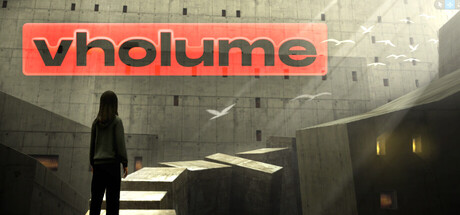
VHOLUME is a first-person parkour game about wall-running, sliding, and jumping through a vast, decaying brutalist megacity, built by the small team behind the cult movement shooter Straftat and the earlier Babbdi. Released 21 August 2026, it arrived with an unusually large amount of goodwill already attached: a lengthy public demo had been circulating for months, and a large share of this Overwhelmingly Positive review sample opens by describing how many hours they'd already sunk into that free slice before buying the full release. Reading through a substantial cross-section of that sample, both the praise and the criticism turn out to be far more specific and consistent than a simple "Overwhelmingly Positive" tag suggests.
Movement that genuinely earns the comparisons
The single most consistent thread across this review sample, positive and negative alike, is that the core act of moving through VHOLUME's world feels exceptional. Reviewers repeatedly reach for the same comparisons: the tutorial level of Titanfall 2, Mirror's Edge, Source-engine surf and bunny-hop servers. The toolkit is deliberately small, run, jump, wall-run, slide, wall-climb, and chaining those four moves together to build and preserve speed is described again and again as easy to pick up and genuinely deep to master. Several long-time players describe entering a "flow state" once the fundamentals click, and one reviewer with over 70 hours logged calls it simply "one of my favorite games in general." That praise is corroborated by a very large number of shorter reviews that land on nearly identical language independent of each other, a strong signal that the feel of the movement itself is the game's real achievement.
Physics that don't always behave
Set against that praise is a specific, recurring, and hard-to-dismiss complaint: the underlying physics are inconsistent in ways that undercut the precision the game otherwise rewards. Multiple detailed reviews, including from players who have beaten gold times on every level and hold top-100 leaderboard placements, describe speed being randomly gained or lost on slide-hops, wall exits, and landings, with no pattern they can identify despite dozens of hours of practice. One especially thorough negative review, from a player sitting comfortably in the top 10% of the leaderboards, lays out a detailed case that certain "author ghost" target times on specific levels require frame-perfect, borderline-inhuman inputs to match, while other levels are trivially easy by comparison, arguing the difficulty curve reflects inconsistent internal testing rather than deliberate design. This isn't a fringe complaint: it appears, in some form, across a large share of the negative reviews in the sample, and even several positive reviews mention it as a minor asterisk on an otherwise glowing recommendation.
Levels that swing between inspired and unfinished
Level design draws the widest range of reactions in the sample. The best levels are praised in vivid detail: sprawling, vertiginous brutalist structures with genuine sense of scale, rewarding exploration as much as speed, and several reviewers compare the atmosphere favourably to Tsutomu Nihei's Blame! manga or Nier: Automata's derelict cityscapes. But a substantial number of reviewers, including some who still recommend the game overall, describe a cluster of later levels as feeling like unfinished placeholder geometry, stretched grey boxes with a single flat texture and no meaningful environmental detail, standing in stark contrast to the polish of the earlier levels. One detailed critical review specifically names several late-game levels this way, arguing they read as if they were added to pad the runtime rather than fully realised. This unevenness, more than any single flaw, is what separates the game's most enthusiastic reviewers from its more measured ones: nearly everyone agrees the peaks are excellent, but there's real disagreement about how much of the game reaches them.
A story the store page oversells
The Steam page frames VHOLUME around a "bureaucratic quest," and a good number of reviewers arrive expecting some throughline connecting the levels. What they find instead is a handful of cryptic, disconnected lines from hidden NPCs, with no real plot progression, resolution, or explanation of the world's ministry, permits, or collapse. Several reviewers explicitly call this false advertising, while others, more generously, treat the absence of story as intentional atmosphere-building and say the mystery works in the game's favour. Both readings appear often enough in the sample that it's clearly a real dividing line rather than a one-off complaint, and players who go in expecting substantial narrative content should recalibrate those expectations before buying.
Multiplayer, workshop, and controls
VHOLUME's multiplayer isn't a traditional race; instead, players share a lobby and run each level at their own pace, seeing everyone else's live position and personal-best time. Reviewers consistently describe this as a good "hang out and vibe" mode rather than a competitive one, useful for exploring together or quietly comparing times without direct confrontation. Day-one Steam Workshop support draws real praise too, with several reviewers noting that community-made levels auto-download when joining a multiplayer lobby and that the toolset lets anyone import their own geometry from Blender or Unreal, giving the game a clear path to outlast its campaign. On the negative side, a smaller but specific group of reviewers flag the default control scheme as physically uncomfortable, since fast play demands holding forward while repeatedly pressing crouch and jump together, and a few describe genuine hand strain during long sessions. Rebinding options exist but don't fully resolve the complaint for players used to a more forgiving control layout.
Final Verdict
VHOLUME's core achievement, movement that feels genuinely exceptional and an atmosphere that's distinctive and often haunting, is real and well corroborated across an enormous share of this review sample. But it's not the complete package its most enthusiastic reviewers suggest: inconsistent physics frustrate exactly the skilled, dedicated players the game is designed to reward, level quality varies sharply enough that entire late-game stretches feel like a different, lesser product, and the story the store page promises simply isn't there. At its low price, with strong Workshop support extending its life well past the campaign, it's an easy recommendation for anyone who wants to feel what excellent first-person movement feels like. Just don't expect every level, or every hour, to live up to the best of what it offers.
Pros and cons
Pros
- The core movement, wall-running, sliding, and chaining jumps to build speed, draws exceptionally consistent praise for feeling both approachable and capable of real depth, frequently compared favourably to Titanfall 2 and Mirror's Edge
- The brutalist megastructure setting and ambient, melancholic soundtrack are repeatedly singled out as a distinctive, memorable combination that elevates the game beyond a generic speedrun product
- Day-one Steam Workshop support and asynchronous ghost-based multiplayer give the game real community longevity, letting players import custom maps and race each other's times
Cons
- A recurring and detailed complaint, including from players with dozens of hours and top leaderboard placements, is that the movement physics behave inconsistently, with speed randomly gained or lost on slides, wall exits, and landings in ways players say they cannot predict or explain
- Level design quality varies sharply, with several reviewers describing a run of "gray box" levels late in the game that feel visually unfinished and poorly flow-tested compared to the polished, purposeful design of the best levels
- The store page's promise of a "bureaucratic quest" story is widely called misleading, with the actual narrative reduced to a handful of cryptic NPC lines that several reviewers say never pays off or explains the world
- A vocal group of long-time demo players say the full release's added levels dilute rather than build on what made the free demo memorable, describing padding and filler stretches
Screenshots
-
VHOLUMEImage: IronEqual via Steam -
VHOLUMEImage: IronEqual via Steam -
VHOLUMEImage: IronEqual via Steam