Game review
PinBall Escape
6 / 10
- Developer
- GAMSTERS Inc.
- Publisher
- GAMSTERS Inc.
- Released
- 31 March 2026
- Platforms
- Windows
- Genre
- Action
- Monetisation
- Premium
- Players
- Single-player
The short version
PinBall Escape, full title Pinball Escape: The Library of God, is a $2.99 roguelike vertical pinball climber from developer GAMSTERS Inc., released 31 March 2026, casting players as a shrunken Angel and Demon forced to flip their way up an infinite celestial library as punishment for their bickering. Its single review, detailed and unusually enthusiastic, praises evolving mechanics and a forgiving fall system, and this review's own checks of the store's feature list, achievement data, and patch history fill in a picture of a promising but very lightly evidenced release.
Biggest strengths
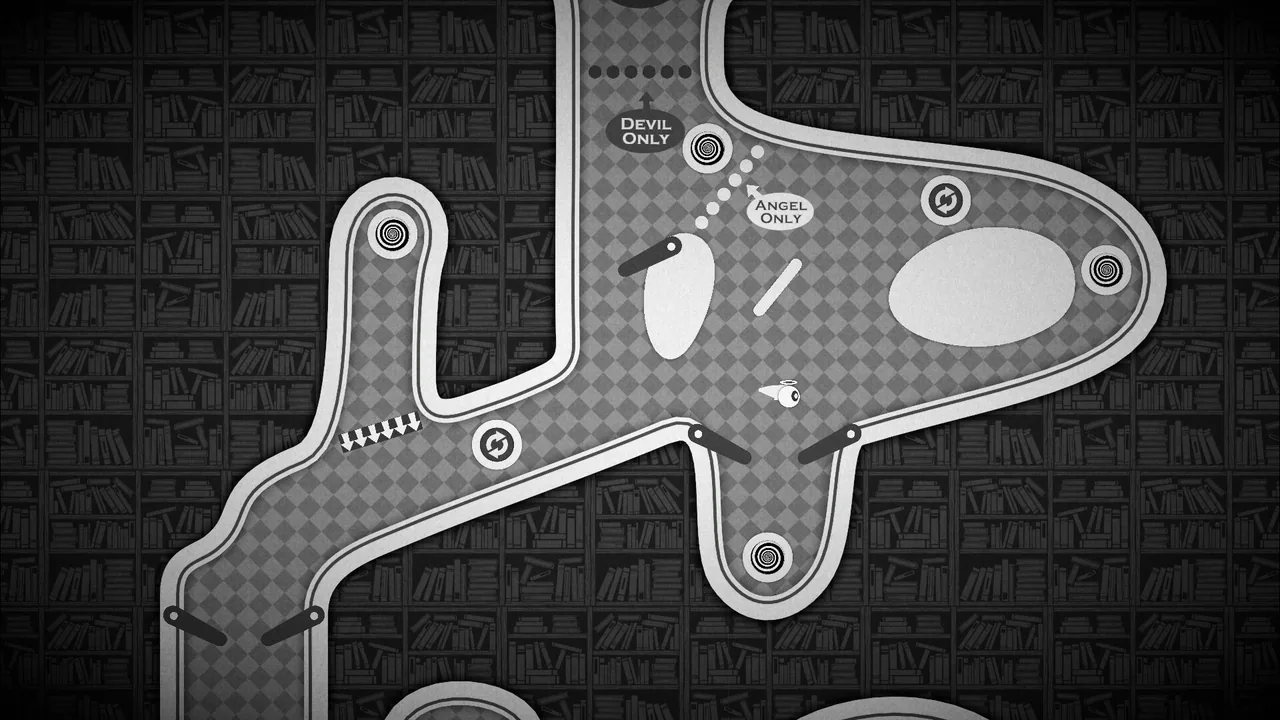
- This review's sole reviewer, writing in both English and Japanese, describes new mechanics continually appearing as the climb progresses, including switching the ball's alignment from devil to angel and full gravity reversal, writing they didn't want to stop playing because they kept wanting to see what mechanism would appear next
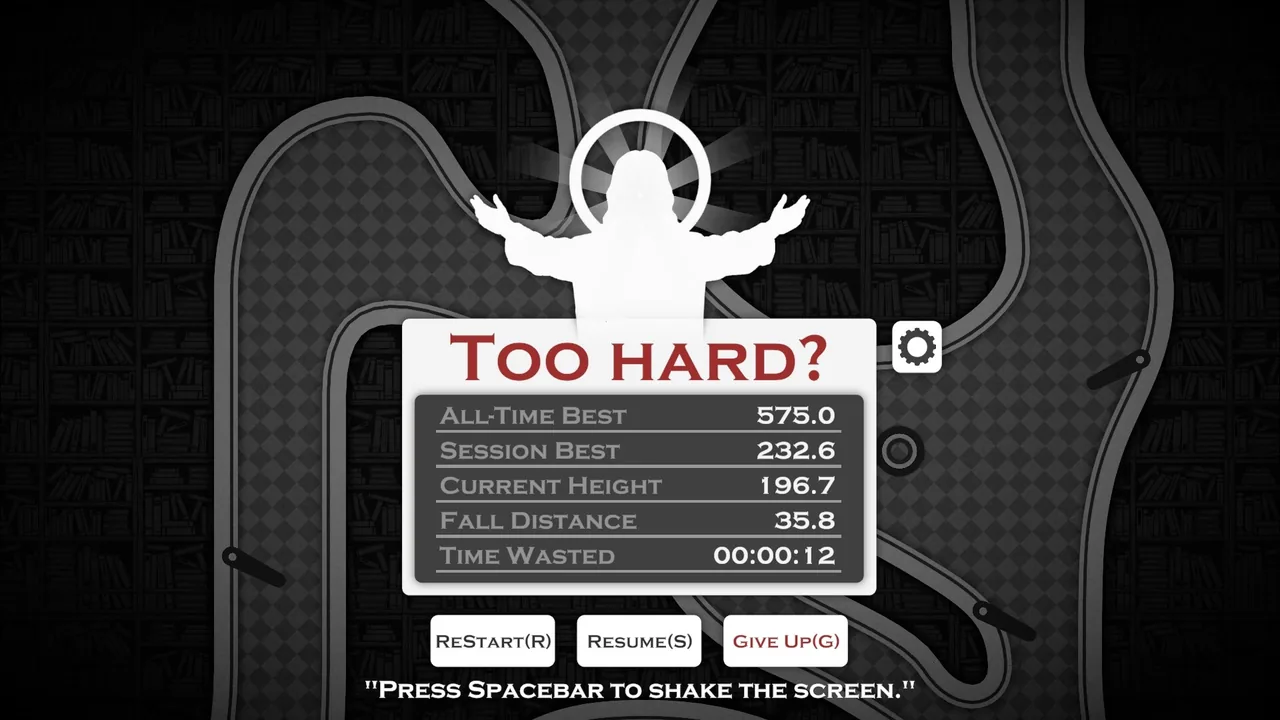
- This review checked the game's own feature list and confirmed a deliberately forgiving design choice: rather than falling all the way back to the start on a mistake, shelves throughout the library act as checkpoints and paddles cushion falls, a detail this review's reviewer independently confirms, writing that thanks to the paddles 'you won't go back so long way'
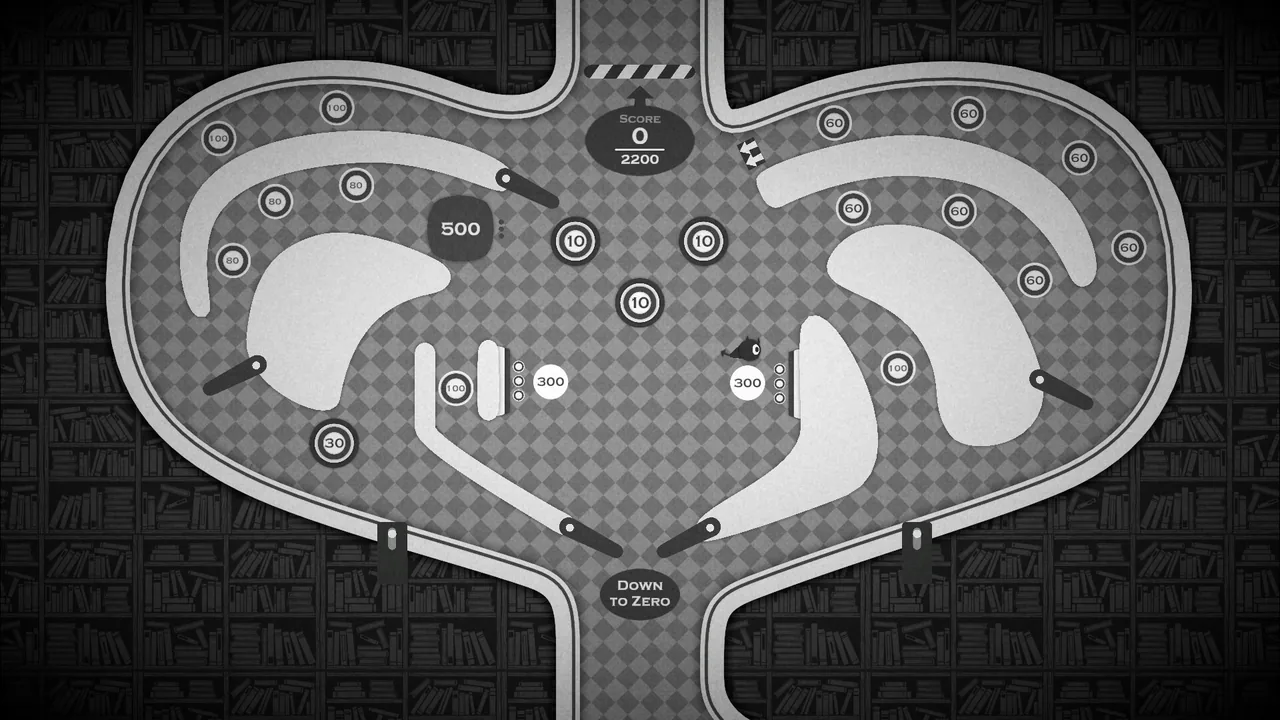
- This review's reviewer specifically praises the game's presentation, describing a 'classical cartoon-like white and black atmosphere' as 'wonderful' and the music as 'cozy and nice, never tired to listen,' with high enough engagement to log 472 minutes, nearly 8 hours, without reaching the game's ending
Biggest weaknesses
- This review's sample consists of exactly one review, meaning this review cannot independently corroborate how the game holds up for players less enthusiastic than its sole reviewer, or confirm whether the positive experience described generalizes at all
- This review checked the store's own feature list, which describes the game's visual style as a 'Cute Fantasy Aesthetic' that is 'simple, vibrant, and colorful,' directly at odds with the sole review's own description of a 'white and black' monochrome cartoon look, a discrepancy between the store's marketing copy and the one detailed account of what the game actually looks like in motion
- This review checked the Steam achievement API directly and found no achievement schema returned at all, meaning the game currently ships with zero tracked achievements despite the store page explicitly advertising a stage-based 'Roguelike Progression' system built around pushing a maximum height record, a structure that would typically pair naturally with milestone achievements
Who it's for: Fans of tight, physics-based climbing games like Jump King or Only Up, looking for a pinball-flavored spin on the formula; a risky pick for anyone wanting a well-established community consensus to lean on first.
Our recommendation: A genuinely inventive, cheap pinball climber that this review's one detailed reviewer found compelling enough to keep chasing "just one more mechanism," worth a look at $2.99 despite an almost total absence of outside corroboration.
6 / 10
An Angel and a Demon, shrunk down and trapped together as punishment for their constant bickering, must flip their way up the endless shelves of God's own library to escape. That's the premise of PinBall Escape, full title Pinball Escape: The Library of God, a $2.99 release from developer GAMSTERS Inc., released 31 March 2026. This review draws on the single review the game has accumulated so far, alongside its achievement data, developer patch history, and the game's own store description.
A one-review sample, and an honest starting caveat
Five months after launch, PinBall Escape has exactly one Steam review. That's the thinnest sample this lane has worked with this window, and this review treats it accordingly: everything drawn from it below reflects one player's detailed, enthusiastic account, not a broader consensus this review can currently confirm. What follows leans more heavily than usual on the game's own store description, achievement data, and patch history to fill out the picture.
Mechanics that keep evolving, by one detailed account
That single review, written in both English and Japanese, is unusually thorough. The reviewer compares the core climbing structure to genre touchstones like Jump King, but stresses the key difference is pinball's inherent unpredictability: full control is impossible, so luck plays a role alongside skill. They specifically praise how new mechanisms keep appearing as the climb continues, describing moments where the ball's alignment switches from devil to angel, or where gravity itself reverses, and write plainly that they didn't want to stop playing because they kept wanting to see what would come next.
A forgiving fall system the store and the reviewer agree on
This review checked the game's own feature list and confirmed a deliberate design choice: rather than a single mistake sending players all the way back to the bottom, the library's shelves and paddles are built to catch and cushion falls throughout the climb. The sole review independently confirms this in practice, writing that thanks to the paddles scattered throughout, "you won't go back so long way," and specifically recommending the game to players who found less forgiving climbing games frustrating.
A visual style the store and the review describe differently
Here this review found a genuine discrepancy worth flagging. The store's own feature list describes the game's look as a "Cute Fantasy Aesthetic" that is "simple, vibrant, and colorful." The sole review describes something quite different in practice: a "classical cartoon-like white and black atmosphere," calling it "wonderful" but explicitly monochrome rather than vibrant and colorful. This review can't resolve which framing better describes the finished game with only one firsthand account to check the store's marketing copy against, but the mismatch is worth knowing about for anyone deciding whether the visual style will appeal to them.
A premise built for comic mockery, per the store's own description
This review checked the game's full store description and found the setup goes further than the short-form summary suggests: the Angel and Demon aren't just trapped together, they're shrunk down and sealed inside God's own infinite study specifically as punishment for their constant bickering between Heaven and Hell, forced to cooperate as a single ball if either wants to escape. Along the way, magical obstacles including portals and bumpers block the climb, and a feature the store calls "God's Watchful Eye" actively mocks the player's failures as they fall. It's a small but distinctive bit of world-building for a genre that often gets by on abstract shapes and physics alone, and this review found the sole available reviewer's account of the climb, one of steadily escalating gimmicks rather than a flat, repetitive ladder of identical shelves, consistent with that framing.
No achievements, despite a stage-based progression hook
This review checked the Steam achievement API directly and found no achievement schema returned at all, meaning the game currently ships with zero tracked achievements. That's a notable gap given the store page explicitly advertises a "Roguelike Progression" system built around pushing a maximum height record across discrete "Stages," a structure that would typically pair naturally with milestone-based achievements marking new personal bests.
No visible patches, but no reported need for any either
This review checked the developer's public partner-events feed directly and found zero posts of any kind, meaning there's no public record of bug fixes, balance changes, or developer communication since launch. Unlike several other small-sample titles this lane has covered this window, however, this review's one available reviewer reports no bugs, crashes, or technical complaints of any kind, so this silence may simply reflect a stable, low-maintenance release rather than an abandoned or neglected one; with only one review to check that against, this review can't say for certain either way.
A solid accessibility showing for the genre
This review checked the store's accessibility feature-flag block directly and found four of nineteen tracked flags true: background volume controls, stereo sound, no forced quicktime events, and a dedicated keyboard-only play option, that last one a meaningful accommodation for a genre built entirely around precise, timing-sensitive flipper input.
Verdict
PinBall Escape's single available review makes a genuinely compelling case: evolving mechanics, a forgiving fall system, and a distinctive premise that kept at least one player chasing "just one more mechanism" for nearly eight hours without reaching the end. This review's own checks back up several of those specific claims against the game's feature list, but a missing achievement structure, an unexplained silence in the developer's public patch history, and a real discrepancy between the store's own marketing description and the one detailed account of what the game looks like in motion all mean this recommendation comes with real uncertainty attached. At $2.99, it's a reasonable, low-risk bet for climbing-game fans willing to be among the first to form an opinion.
Pros and cons
Pros
- This review's sole reviewer, writing in both English and Japanese, describes new mechanics continually appearing as the climb progresses, including switching the ball's alignment from devil to angel and full gravity reversal, writing they didn't want to stop playing because they kept wanting to see what mechanism would appear next
- This review checked the game's own feature list and confirmed a deliberately forgiving design choice: rather than falling all the way back to the start on a mistake, shelves throughout the library act as checkpoints and paddles cushion falls, a detail this review's reviewer independently confirms, writing that thanks to the paddles 'you won't go back so long way'
- This review's reviewer specifically praises the game's presentation, describing a 'classical cartoon-like white and black atmosphere' as 'wonderful' and the music as 'cozy and nice, never tired to listen,' with high enough engagement to log 472 minutes, nearly 8 hours, without reaching the game's ending
- This review checked the store's accessibility feature-flag block directly and found four of nineteen tracked flags true, including a dedicated keyboard-only play option, a meaningful accommodation for a genre built around precise timing-based input
Cons
- This review's sample consists of exactly one review, meaning this review cannot independently corroborate how the game holds up for players less enthusiastic than its sole reviewer, or confirm whether the positive experience described generalizes at all
- This review checked the store's own feature list, which describes the game's visual style as a 'Cute Fantasy Aesthetic' that is 'simple, vibrant, and colorful,' directly at odds with the sole review's own description of a 'white and black' monochrome cartoon look, a discrepancy between the store's marketing copy and the one detailed account of what the game actually looks like in motion
- This review checked the Steam achievement API directly and found no achievement schema returned at all, meaning the game currently ships with zero tracked achievements despite the store page explicitly advertising a stage-based 'Roguelike Progression' system built around pushing a maximum height record, a structure that would typically pair naturally with milestone achievements
- This review checked the developer's public partner-events feed and found zero posts of any kind, meaning there is no visible public record of post-launch patches, fixes, or developer communication five months after release, though this review also found no bug reports in its one available review to suggest such support is currently needed
Screenshots
-
PinBall EscapeImage: GAMSTERS Inc. via Steam -
PinBall EscapeImage: GAMSTERS Inc. via Steam -
PinBall EscapeImage: GAMSTERS Inc. via Steam