Game review
Pilgrim of Darkness
7.3 / 10
- Developer
- VIWESA GAMES
- Publisher
- VIWESA GAMES
- Released
- 6 March 2026
- Platforms
- Windows
- Genre
- Action
- Monetisation
- Premium
- Players
- Multiplayer
The short version
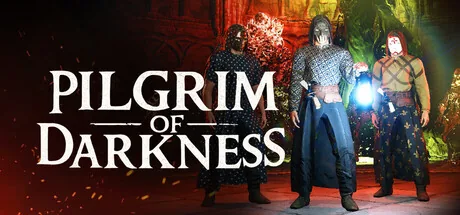
Pilgrim of Darkness is a $14.99 game from developer VIWESA GAMES, released 6 March 2026, a 1-4 player co-op PvE horror survival game about pilgrim-monks gathering crystals in cursed, demon-haunted lands, built around a fear system that intensifies as players grow more afraid. This review's full 9-review sample is unanimously positive across five languages, praising genuine atmosphere and a fear mechanic that can optionally sync with a real heart-rate monitor for extra immersion.
Biggest strengths
- This review's sample includes an English-language reviewer describing genuine panic while playing, joking about running past a hiding friend to survive, and rating the experience 10/10 as their first real horror game
- This review's sample includes two detailed Simplified Chinese reviewers breaking down the game's three distinct monster behavior states in detail, crediting the fear system for building tension gradually rather than relying only on jump scares
- This review checked the developer's public partner-events feed and found four separate update posts within roughly three weeks of launch, plus a pre-launch release delay explicitly taken to improve quality, showing sustained, rapid post-launch attention
Biggest weaknesses
- This review's sample includes a reviewer explicitly flagging rough optimization ('目前游戏的优化有一定的问题'), and a separate English-language reviewer specifically asking for a health bar, since it's currently hard to gauge how close to death a hit during in-game storms has brought them
- This review's sample includes a Ukrainian-language reviewer noting the game plays best with a full group of four, suggesting the experience is meaningfully diminished for smaller groups or solo attempts
- This review checked the Steam global achievement API and found several achievements sitting at or below 2%, a very steep drop-off suggesting the game's toughest content is reached or completed by only a small fraction of the current playerbase
Who it's for: Horror co-op fans, ideally with a full group of three friends, who enjoy tense, resource-scarce survival play and don't mind a still-polishing early post-launch build.
Our recommendation: A strong pick for horror co-op groups willing to accept some rough optimization edges in exchange for a genuinely tense, atmospheric fear system with a real technological hook.
7.3 / 10
Cursed lands, a crystal-gathering pilgrimage, and a fear meter that, for some players, can sync directly with their own real heartbeat. Pilgrim of Darkness is a $14.99 game from developer VIWESA GAMES, released 6 March 2026. This review draws on the game's full 9-review sample, unanimously positive across five languages.
A fear system that drives everything
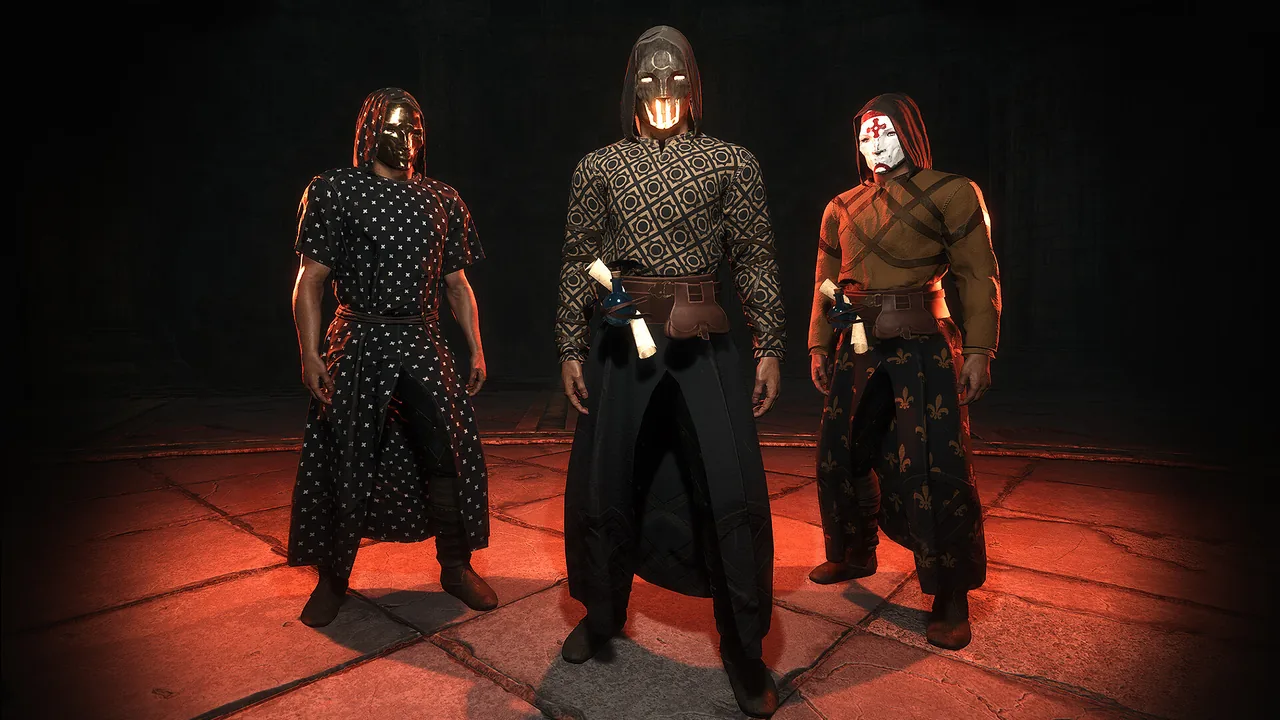
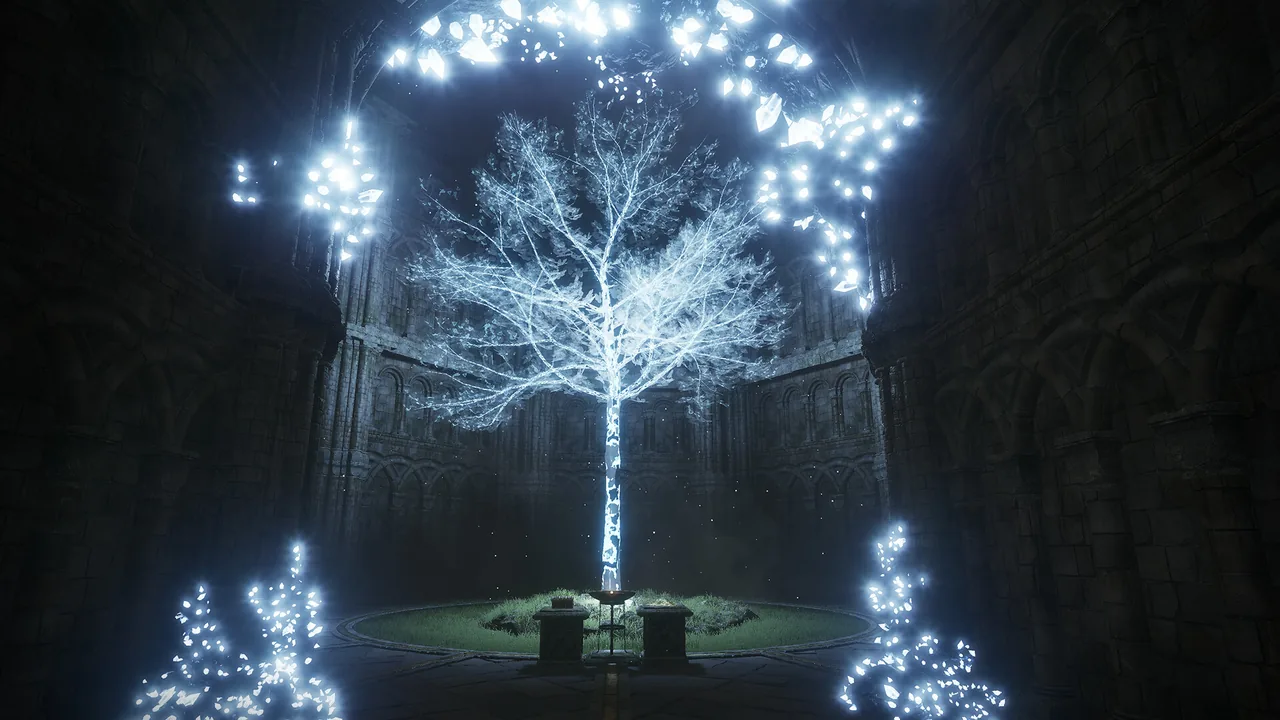
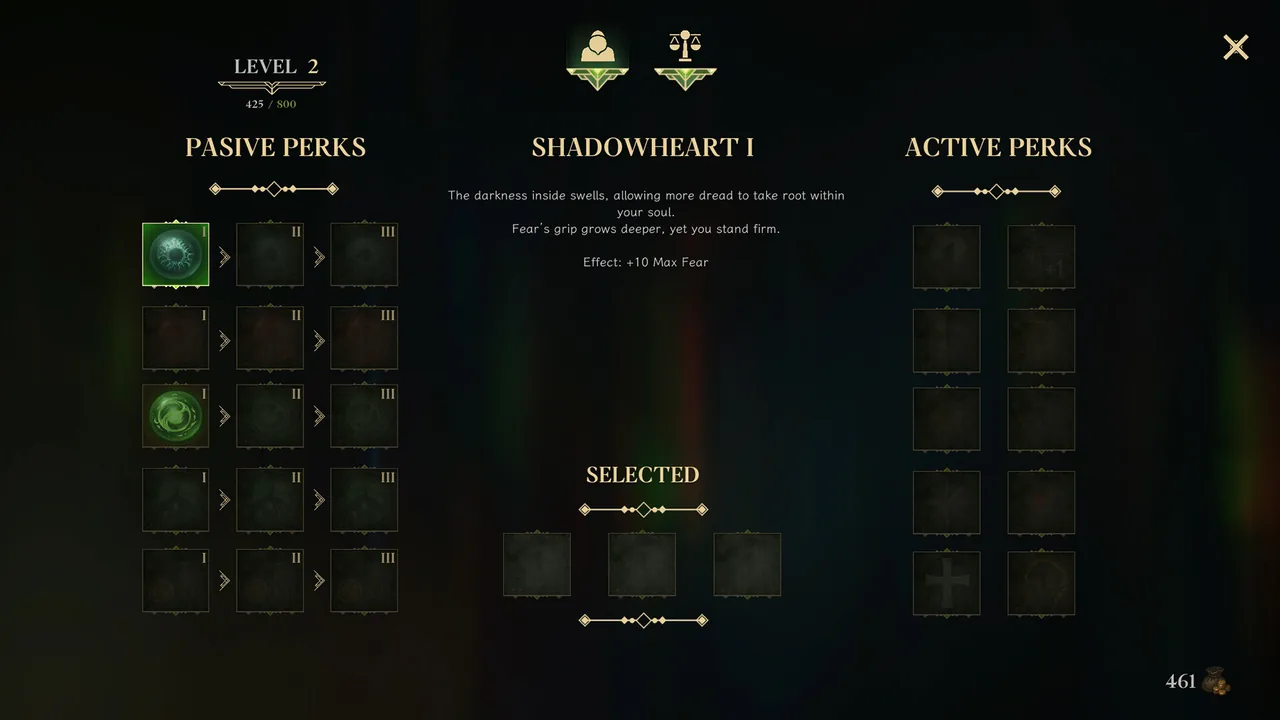
Pilgrim of Darkness casts one to four players as pilgrim-monks of the Sun Cult, sent into demon-haunted, eternally dark lands to gather crystals and hold back an encroaching darkness. This review's two most detailed reviewers, both writing in Simplified Chinese, broke down the game's core tension mechanic in close detail: a rising fear value that determines how visible players become to three distinct monster types, a spectral form that ignores players until fear peaks, a physical form that actively hunts and can be evaded by crouching and avoiding light, and a third, harmless-but-fear-inducing ghost that can be avoided entirely by moving low to the ground. Two shrine types let players manage fear directly, a warm-toned Madonna statue that clears it fully, and a cooler statue that halves it, giving players concrete, learnable tools against an otherwise mounting threat.
Genuine panic, genuinely enjoyed
The clearest throughline across this review's sample is that the fear system works as intended. One English-language reviewer, playing their first real horror game, described "screams and me running around crazy," joking that spotting blood at the edges of the screen signals the run is nearly over but offers no time to stop and think, and rating the experience a full 10/10 specifically for that adrenaline. A Ukrainian reviewer joked about the appeal of always being able to blame a teammate when something goes wrong, a small but telling sign of the game successfully generating the kind of chaotic, cooperative horror-comedy energy the genre thrives on.
A real technological hook
This review checked the game's own detailed description and confirmed a feature multiple reviewers referenced directly: an optional integration with Pulsoid, a biofeedback platform that can sync a player's real heart rate into the game's fear system, described by the developer as turning "pulse into a natural and honest reflection of the player's" own state. One reviewer who tried this directly called the resulting experience "very very enjoyable" and "pretty difficult," while noting bluntly that "you can only get the full experience if you have a heart monitor." That's a genuinely novel hook for a horror game, but it's also a real limitation: most buyers won't own compatible hardware, so this review treats the feature as a distinctive bonus for a subset of players rather than a core part of the experience most people will actually have.
Rough edges reviewers are patient about
Even within a unanimously positive sample, reviewers flagged real, current shortcomings. One reviewer wrote directly that the game's optimization "有一定的问题" (has some issues) despite otherwise praising its atmosphere and co-op design. A separate reviewer specifically asked for a health bar, noting it's currently difficult to judge how close to death a hit during the game's storm sequences has left them, a meaningful clarity gap for a survival game with real stakes. A Ukrainian reviewer added a structural note: the game reportedly plays noticeably better with a full group of four than with fewer players, meaning solo or duo attempts may not represent the experience at its best.
What the achievement data shows
This review checked the Steam global achievement API and found 24 tracked achievements with a steep late drop-off: several early achievements sit above 85%, while the hardest sit at 0.2%, 1.1%, and similarly rare figures. That shape is consistent with a demanding, perma-death-adjacent survival structure that most players engage with at a surface level while only a small fraction push into its toughest content, a normal pattern for the genre rather than a red flag on its own.
A developer actively patching
This review checked the developer's public partner-events feed and found eight posts spanning back to October 2025, including a pre-launch release delay explicitly taken "to improve quality," a Next Fest demo, and four separate update patches within roughly three weeks of the March 2026 launch. That's a genuinely responsive post-launch cadence, directly relevant to the optimization concerns raised in this review's sample, and a reasonable basis for the "hope they keep improving it" sentiment more than one reviewer expressed. The pre-launch delay is worth weighing on its own: a small studio choosing to push a release date back rather than ship something rougher is a meaningful signal about priorities, even before factoring in what happened after launch.
Tags that mostly track
The store's own tag list holds up well against this review's sample: "Survival Horror," "Co-op," "First-Person," "Psychological Horror," and "Atmospheric" all match what reviewers actually describe, and "Perma Death" and "Procedural Generation" line up with the resource-scarce, run-based structure implied by the fear system and the shrine mechanics reviewers detailed. "Medieval" and "Dark Fantasy" fit the pilgrim-monk, Sun Cult framing from the store description, even though no reviewer in this review's sample used either term directly. Nothing in the list reads as a clear mismatch, which is a fair outcome for a genre-forward horror co-op title where reviewers and marketing are largely describing the same experience.
Verdict
Pilgrim of Darkness earns its unanimous, cross-language praise: a tense, well-designed fear system, a genuinely novel optional heart-rate integration, and a developer visibly patching quickly after launch. Real rough edges remain, optimization concerns and a currently unclear damage-state readout chief among them, and the experience is clearly best with a full four-player group rather than fewer. For horror co-op fans willing to gather a full crew and tolerate some early-release polish issues, this looks like a strong, distinctive pick well worth its price.
Pros and cons
Pros
- This review's sample includes an English-language reviewer describing genuine panic while playing, joking about running past a hiding friend to survive, and rating the experience 10/10 as their first real horror game
- This review's sample includes two detailed Simplified Chinese reviewers breaking down the game's three distinct monster behavior states in detail, crediting the fear system for building tension gradually rather than relying only on jump scares
- This review checked the developer's public partner-events feed and found four separate update posts within roughly three weeks of launch, plus a pre-launch release delay explicitly taken to improve quality, showing sustained, rapid post-launch attention
- This review checked the store's accessibility feature-flag block directly and found nine of nineteen tracked flags true, including adjustable difficulty levels and contrast controls, a strong accessibility showing for a horror survival title
Cons
- This review's sample includes a reviewer explicitly flagging rough optimization ('目前游戏的优化有一定的问题'), and a separate English-language reviewer specifically asking for a health bar, since it's currently hard to gauge how close to death a hit during in-game storms has brought them
- This review's sample includes a Ukrainian-language reviewer noting the game plays best with a full group of four, suggesting the experience is meaningfully diminished for smaller groups or solo attempts
- This review checked the Steam global achievement API and found several achievements sitting at or below 2%, a very steep drop-off suggesting the game's toughest content is reached or completed by only a small fraction of the current playerbase
- This review's core fear-boosting feature, biofeedback integration through a heart-rate monitor and the Pulsoid platform, is opt-in hardware most players won't own, meaning the game's most distinctive selling point is inaccessible to the majority of buyers by default
Screenshots
-
Pilgrim of DarknessImage: VIWESA GAMES via Steam -
Pilgrim of DarknessImage: VIWESA GAMES via Steam -
Pilgrim of DarknessImage: VIWESA GAMES via Steam