Game review
OddFauna : Secret of the Terrabeast
6 / 10
- Developer
- North Channel
- Publisher
- North Channel
- Released
- 2 June 2026
- Platforms
- Windows
- Genre
- Adventure, Casual, Indie, Simulation, Early Access
- Monetisation
- paid
- Players
- false
The short version
Biggest strengths
- A completely distinctive hand-sculpted clay art style, with every creature and plant physically made and painted before being 3D-scanned into the game, that reviewers consistently called the best thing about it
- A nonviolent creature-befriending loop, feeding wild OddFauna their preferred food, that several reviewers found genuinely charming and rewarding
- A relaxed, non-punishing pace with no enemies attacking at night, and reported strong performance even on Steam Deck
Biggest weaknesses
- Core mechanics like animal-befriending and plant care are poorly explained in-game, with no progress indicators, leading to wasted resources and confusion
- A punishing 12-slot inventory and chest cap with a 30-unit stack limit, no way to drop items, and low tool durability that reviewers say makes basic resource gathering tedious
- An economic system reviewers called unbalanced, with backpack upgrades costing far more gems than the slow, RNG-based gem income can reasonably support
Who it's for: Cozy-game fans drawn to a genuinely distinctive hand-crafted art style, who are willing to accept a rough, unbalanced, and thinly explained Early Access build in exchange for supporting a small two-person team
Our recommendation: recommended with caveats
6 / 10
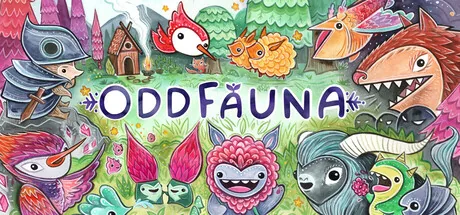
A world made by hand, one clay sculpture at a time
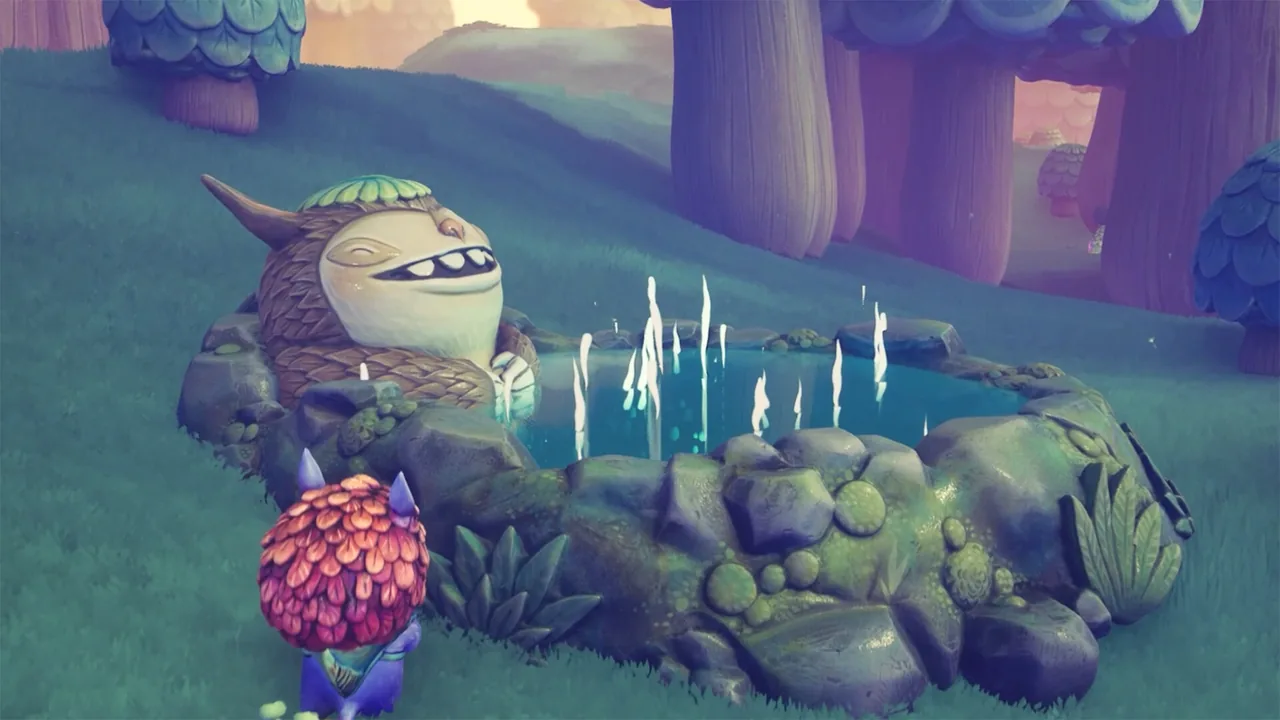
OddFauna's defining feature, and the thing reviewers return to again and again, is a genuinely unique production pipeline: every creature, plant, and tool starts as a real, physical clay sculpture before being painted and 3D-scanned into the game. One glowing reviewer explained why that matters: "All of the assets you see in OddFauna are handmade IN REAL LIFE, and then digitally scanned into the game. The artist, Emma, is married to the game designer, Cliff. I cannot even imagine anything more wholesome... Emma has sculpted the most wondrous animals, truly unique (which is a feat in itself, given the state of creature-collecting IP). Emma then paints each sculpture with the most beautiful pastel and earth tones." Even the pool's most critical detailed review, otherwise focused on the game's rough edges, opened by crediting the same strength: "The artistic presentation is outstanding and easily the best aspect of the game... It makes the game look whimsical and wholesome."
A gentle, nonviolent creature-collecting loop
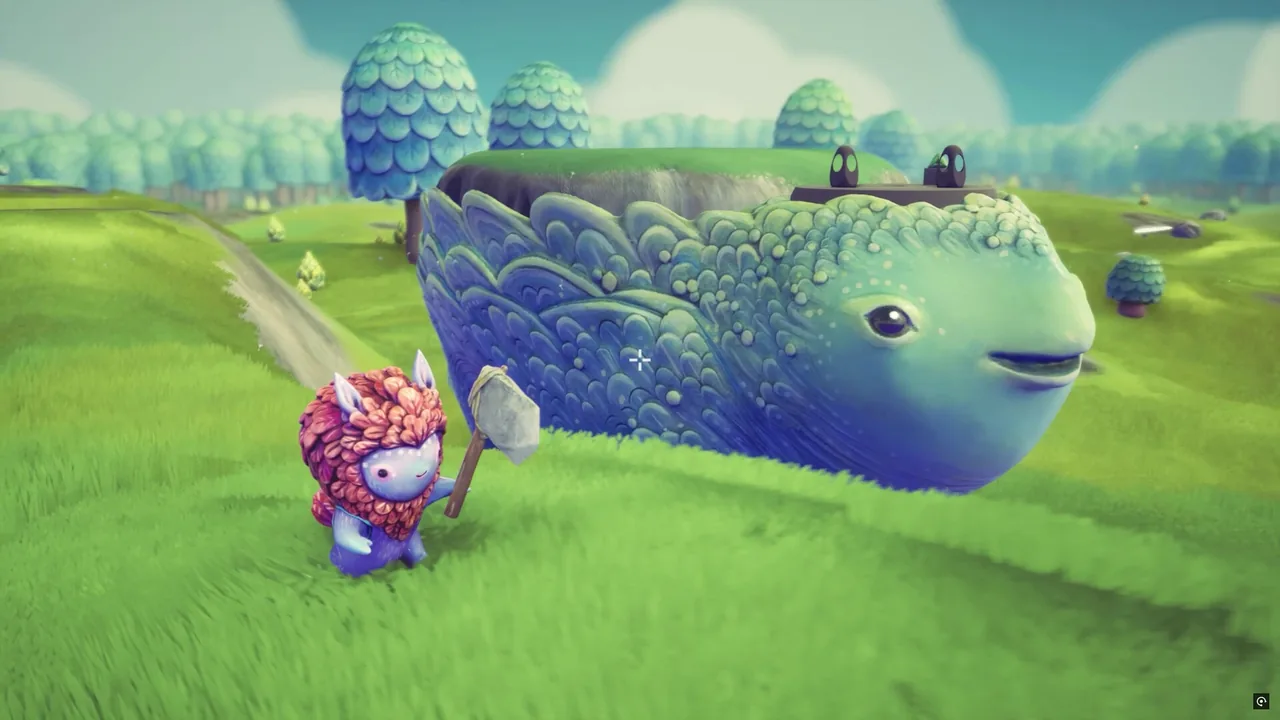
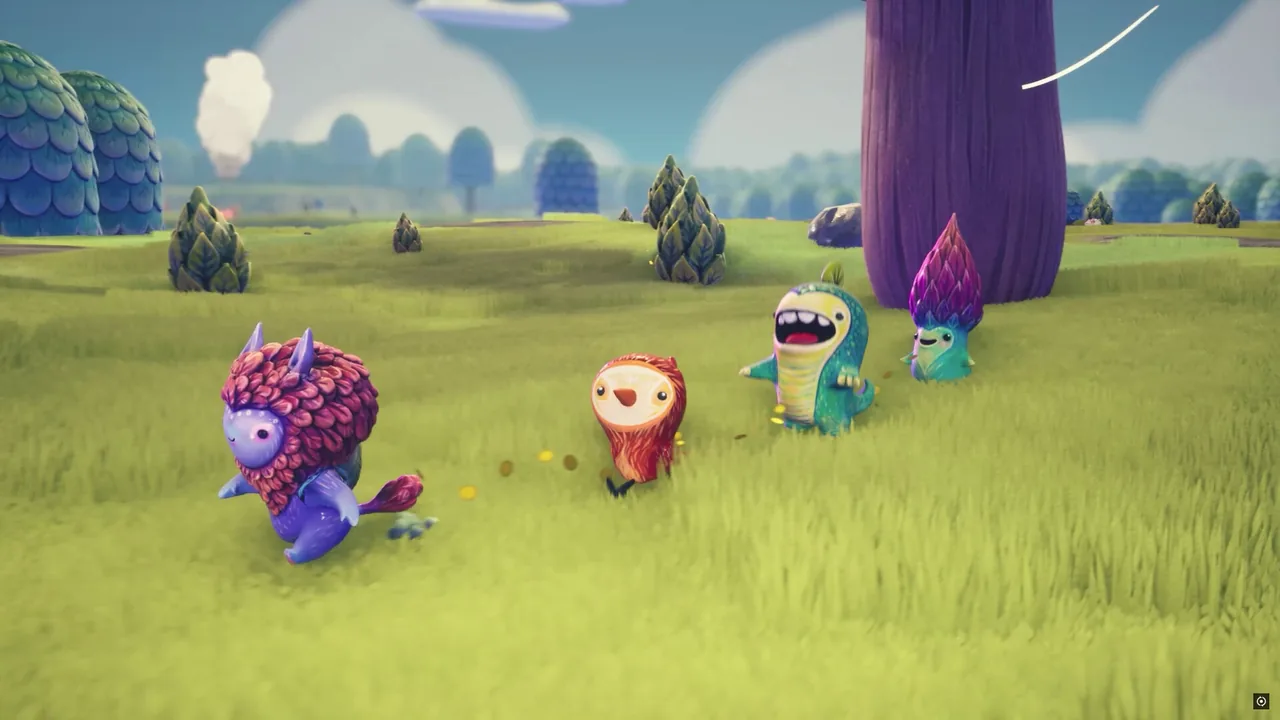
Players grow an ecosystem on the back of a slowly moving Terrabeast, befriending wild OddFauna by learning their favorite foods rather than fighting or trapping them. One reviewer, describing herself as a real wildlife sanctuary owner, connected the mechanic to something personal: "You befriend the creatures via figuring out their favorite foods... I love this nonviolent method of collecting the whimsical creatures of this game, for it is how I've befriended so many real-life animals here! Even when I fail, I find myself chuckling at the results and just wanting to try again." Another reviewer highlighted how creatures pay off mechanically once befriended: "adorable OddFauna creatures you can befriend/join your team which can assist in all the various pieces of gameplay in unique ways like terraformers, fighters, treasure finders, exploring faster etc." That same reviewer noted the game's broad appeal, describing a four-year-old delighted by the creatures and pretending the Terrabeast was her own pet to look after.
Systems that don't explain themselves
The pool's most detailed critical review, itself still a recommendation, laid out in careful depth how much friction sits beneath the charming surface. On the core befriending mechanic: "the game tells you to feed animals to befriend them, but it hides crucial information, such as the fact that you need to repeatedly feed them just to get them to approach you, and only when they are close enough are you able to attempt to befriend them. Otherwise, they run away, and you lose all the resources you had invested in the process. There is no progress bar to show how much the creature trusts you, no indicator for how full they are... and no way to see how much a specific food helps compared to other types of food." The same reviewer found similar ambiguity in farming: "It is unclear if wild plants specifically need to be watered, pollinated, or both to grow, or if these actions only add a speed boost to their growth. You can water anything in the game, but you do not know what is useful and what is not." A separate reviewer echoed the navigation gap directly: a mini-map "isn't yet implemented," making the world harder to parse than it needs to be.
A punishing inventory and an economy that doesn't add up
Beyond unclear systems, reviewers flagged concrete resource-management pain points. The same detailed critique described the inventory bottleneck in specific terms: "Your inventory and chests are capped at a tiny 12 slots, and item stacks are limited to an absurdly low 30 units. Inventory management is painful since you cannot easily split stacks, sort your chests, or move items fluidly. The workbench cannot pull resources from nearby chests, meaning you constantly have to ferry items back and forth... Your tools also have incredibly low durability, forcing you to craft new ones after breaking just a few boulders or chopping down a few trees." The same reviewer found the currency economy specifically unbalanced: "A backpack expansion costs an astronomical 1,000 gems. However, gems are rare drops that you mostly get in low quantities (1-5 at a time) by breaking rocks or rare spawns of blight crystals. When a basic seed costs 15 to 50 gems, and you need multiple fully grown plants... just to try befriending a single animal, the numbers just do not add up." A separate reviewer, less detailed but pointed, raised a related complaint: "The control support does not feel right, the building system felt uncomfortable to handle."
A team reviewers trust to fix it
Despite the rough state, reviewers who'd followed the project since its Kickstarter-backed alpha expressed real confidence in the small team behind it. One wrote, "I've been playing since alpha versions were released via Kickstarter and the Discord server started. Cliff has a good history of being open to feedback from the community and works fast in getting fixes/updates." The detailed critical reviewer closed on a similar note despite the long list of complaints: "the developers have a long road ahead of them to balance the systems, fix the bugs (including the many broken Steam achievements), and make the gameplay loop feel rewarding. The good thing is that they seem to be quite receptive to the community's feedback and are actively working on improving the game."
Verdict
OddFauna: Secret of the Terrabeast has one of the most genuinely distinctive art styles of any cozy game releasing this year, and its nonviolent, feed-to-befriend creature loop has real charm when it works. But its Early Access systems, unclear feedback, a cramped inventory, low tool durability, and a gem economy that doesn't scale with its own costs, add up to real friction that goes beyond typical early-build rough edges. Reviewers who've watched the small team's track record since its Kickstarter days are optimistic it'll smooth out; buyers going in today should treat the current $24.99 price as support for that team's vision rather than a fully realized game.
Pros and cons
Pros
- A completely distinctive hand-sculpted clay art style, with every creature and plant physically made and painted before being 3D-scanned into the game, that reviewers consistently called the best thing about it
- A nonviolent creature-befriending loop, feeding wild OddFauna their preferred food, that several reviewers found genuinely charming and rewarding
- A relaxed, non-punishing pace with no enemies attacking at night, and reported strong performance even on Steam Deck
- A small, two-person development team reviewers say is actively responsive to community feedback since its Kickstarter-backed alpha
Cons
- Core mechanics like animal-befriending and plant care are poorly explained in-game, with no progress indicators, leading to wasted resources and confusion
- A punishing 12-slot inventory and chest cap with a 30-unit stack limit, no way to drop items, and low tool durability that reviewers say makes basic resource gathering tedious
- An economic system reviewers called unbalanced, with backpack upgrades costing far more gems than the slow, RNG-based gem income can reasonably support
- Missing quality-of-life basics, including a compass or mini-map, a building placement grid, and functioning Steam achievements
Screenshots
-
OddFauna : Secret of the TerrabeastImage: North Channel via Steam -
OddFauna : Secret of the TerrabeastImage: North Channel via Steam -
OddFauna : Secret of the TerrabeastImage: North Channel via Steam