Game review
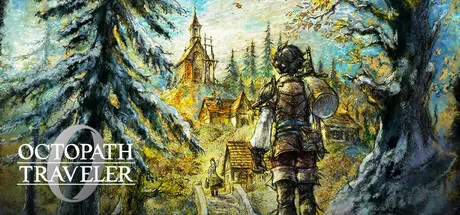
Octopath Traveler 0
8 / 10
- Developer
- Square Enix, DokiDoki Groove Works
- Publisher
- Square Enix
- Released
- 4 December 2025
- Platforms
- Windows, PlayStation 4, PlayStation 5, Xbox Series X|S, Nintendo Switch, Nintendo Switch 2
- Genre
- JRPG
- Monetisation
- Premium, one-off purchase; optional Digital Deluxe edition
- Players
- Single-player
The short version
Octopath Traveler 0 takes the series' best idea — turn-based combat built around breaking enemy weaknesses and boosting your own actions — and wraps it in the two things the earlier games didn't have: a character who is actually yours, and a town that grows because you're the one growing it.
It's also, underneath the HD-2D varnish, a console conversion of a mobile game, and some of that game's pacing DNA never quite got surgically removed. An 80-to-100-hour campaign built on frequent random encounters asks a lot of patience from anyone who isn't already sold on the genre.
Biggest strengths
- Break and Boost combat is still the sharpest idea in turn-based JRPGs, and an 8-character roster with mid-battle swaps gives it more room to work
- Building Wishvale back up gives long-term progress a physical shape instead of just a bigger number
- Up to 30 recruitable companions makes party composition a real, ongoing decision
Biggest weaknesses
- Random encounters and fight length are the most consistent complaint against a campaign that already runs 80 to 100 hours
- Town-building capacity is platform-gated — 500 structures on PC and current-gen consoles, 400 on Switch 2 and PS4, 250 on the original Switch — so the hardware you own changes how much of the system you actually get
- Some of the pacing still reads like a mobile progression loop with the timers switched off rather than a game designed console-first from the ground up
Who it's for: Turn-based JRPG players who liked the Break/Boost system in the earlier Octopath games and want more say over who they're playing as, plus anyone drawn to slow-burn town-management loops layered under a bigger RPG.
Our recommendation: Worth the full asking price if you know you like this genre and have the hours to spend. If you're unsure, the free demo carries progress into the full game, which is the safest way anyone has offered to test-drive an 80-hour commitment.
8 / 10
Every Octopath Traveler game so far has handed you eight fixed protagonists and let you pick which ones to drag along. Octopath Traveler 0 hands you one blank slate instead, sets fire to your hometown in the opening hour, and spends the rest of the game asking what you're going to rebuild it into. That's a bigger structural change than the numbering suggests, and it's the right one.
Underneath the new HD-2D coat of paint, this is a console reworking of Octopath Traveler: Champions of the Continent, a 2020 mobile gacha game. Square Enix has stripped the gacha out entirely, added full voice-over, rewritten and expanded the story, and asked the original Japanese cast to re-record more natural performances. What's left is closer to a proper sequel than a port, but the mobile game's fingerprints are still visible if you know where to look.
A hero of your own, a town that remembers it
Wishvale burns down in the opening stretch, and rebuilding it is the game's throughline. This isn't dressing — it's a genuine grid-based town-builder sitting inside the RPG, where structures, crop fields, paths and decorations get placed, upgraded and expanded as you explore and fight. Recruit up to thirty companions and each one can become a playable fighter, a settler working the town, or both.
The one wrinkle worth knowing before you buy: building capacity scales with hardware. PC, PS5 and Xbox Series X|S top out at 500 structures; Switch 2 and PS4 cap at 400; the original Switch caps at 250. It's not a difference that ruins the system on the smaller end, but it does mean the version you own quietly changes how far you can take the mode's ceiling.
Character creation itself covers appearance, voice and idle motions rather than a deep stat-build system — this is closer to picking who you are than min-maxing who you'll become. The real build decisions happen later, in your party.
Break and Boost, still the series' best idea
Combat hasn't drifted far from the formula that made the first two Octopath games worth recommending, and that's a compliment. Every enemy has hidden weaknesses — a sword, a bolt of lightning, a particular status — and landing enough hits against the right one breaks their guard and opens a window to pile on real damage. Boost Points let you commit extra uses of a skill or attack in a single turn, so a fight is a running conversation between spending resources now and saving them for the swing that matters.
The expansion here is scale: eight-person parties split across an offense-leaning frontline and a defense-leaning backline, with mid-battle swaps available whenever the fight calls for a different answer. Thirty potential recruits means the roster question isn't cosmetic — different combinations genuinely change what a fight looks like, and there's real incentive to keep rotating people through rather than settling on four favourites and never touching the bench.
Where it wears on you is frequency and length. Random encounters show up often enough, and individual fights run long enough, that even people who like the system describe fatigue setting in over a run that Famitsu clocked at 80 to 100 hours to finish. This is where the mobile origins show through most clearly — a structure built to fill idle minutes on a phone doesn't automatically compress well into a single continuous console session.
Presentation and music
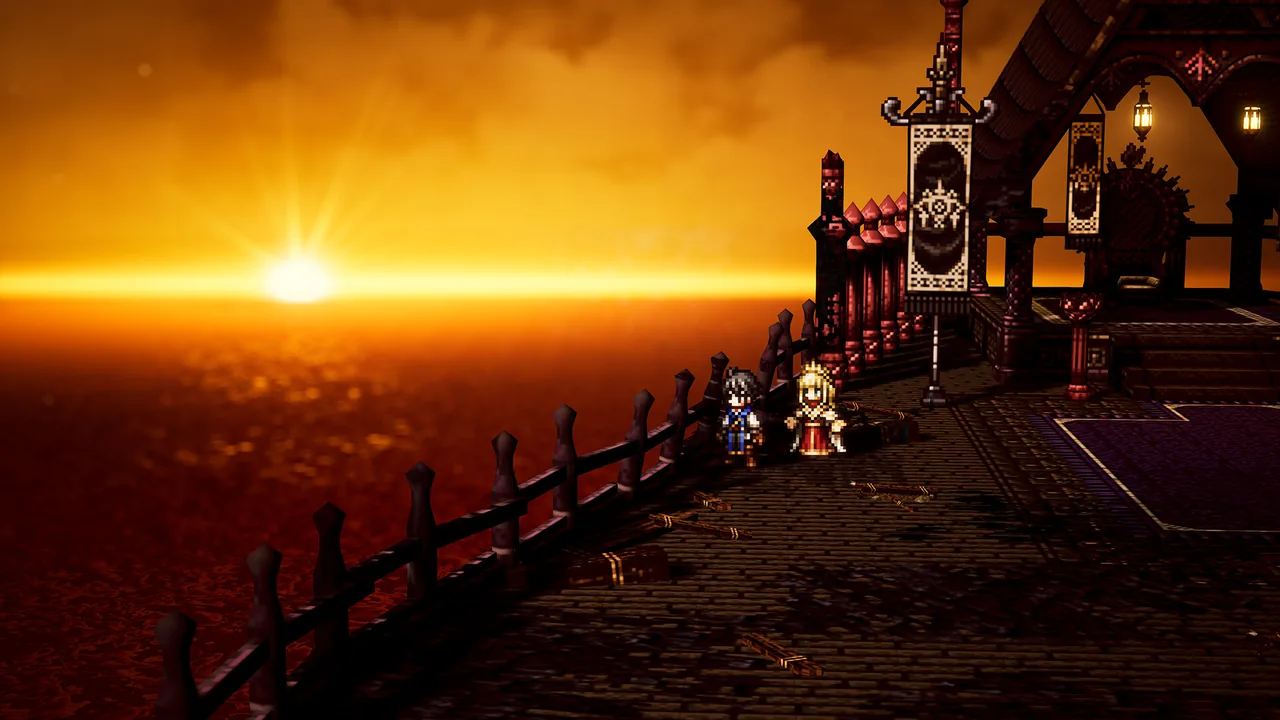
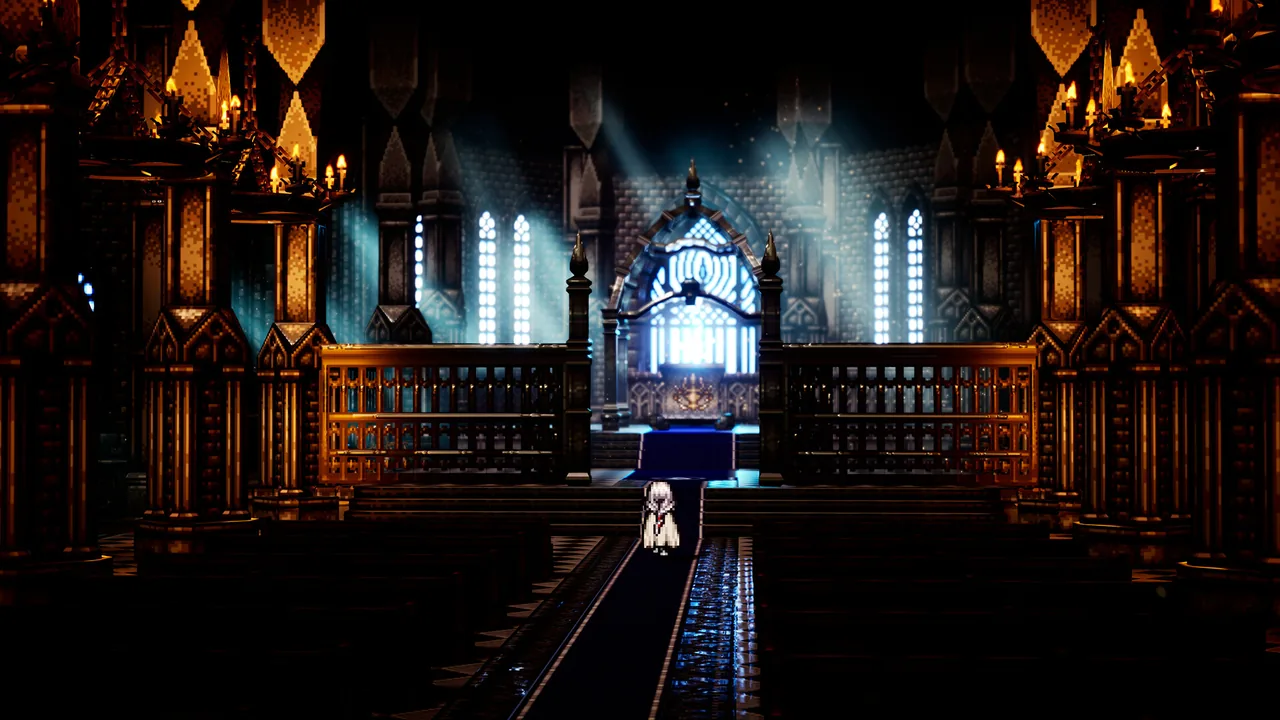
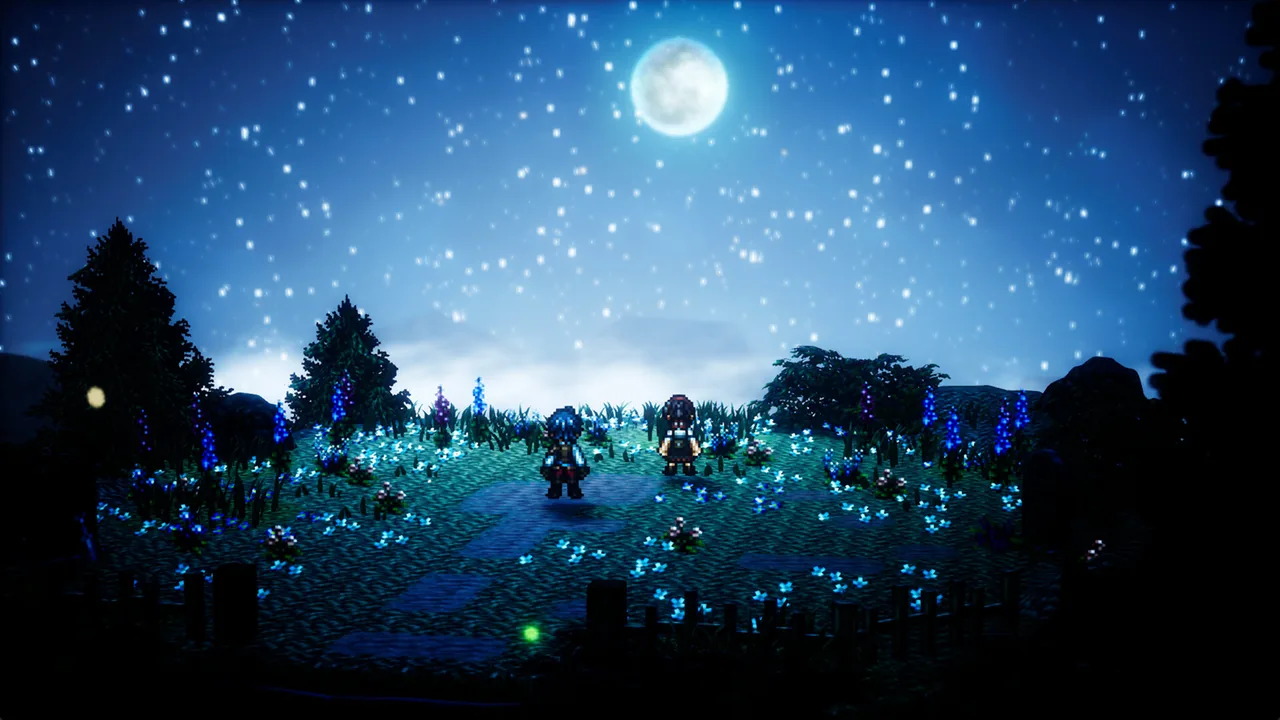
HD-2D continues to be one of the more distinctive looks in the genre, and Francesca Baerald's returning cartography work gives Orsterra's map the same hand-painted character earlier entries had. Yasunori Nishiki's soundtrack is the clearer highlight — the combat themes in particular have drawn consistent praise, and it's the kind of score that makes staying for one more fight easier to justify than it should be.
What the price is actually buying
Standard edition sits at NZ$79.95, with a NZ$119.95 Digital Deluxe tier above it — full JRPG pricing for a game whose own marketing leans into an 80-to-100-hour campaign. Judged purely on hours per dollar, that's a fair trade if you're already sold on the genre. Judged as a first purchase for someone unsure whether they like turn-based JRPGs, it's a much bigger ask, which is presumably why Square Enix shipped a free demo that carries its progress into the full release — worth using before deciding which edition, if either, is worth it.
Critical reception backs up the broad strokes here: Metacritic scores land in the low-to-mid 80s across Switch 2, PC and PS5, and Steam's own user base sits at Very Positive. The recurring complaint in that reception, consistently, is the one this review keeps returning to — encounter frequency and battle length wearing on a campaign that's already long by any standard.
Final verdict
Octopath Traveler 0 is a genuine improvement on its mobile source material and a meaningfully different game from the two numbered Octopath entries that came before it — a custom protagonist and a town worth defending give it a personal stake those games never quite had. The Break and Boost combat that made the series' name is intact and, with eight-person parties and a much larger recruitment pool, arguably deeper than it's ever been.
It doesn't chase a higher score because the mobile game underneath still shapes the pacing more than a console-first design would have. Long fights, frequent encounters and a campaign that comfortably clears eighty hours are a lot to sustain even with combat this good and a soundtrack this strong. Play the demo first. If the loop hasn't lost you by the end of it, the full game is one of the stronger turn-based JRPGs of the past year.
Price and platform details checked 29 July 2026.
If persistent progress that's still standing when you come back is what you're after, Wanderer runs on a similar promise — just without the eighty-hour campaign attached.
Pros and cons
Pros
- Break and Boost combat is still the sharpest idea in turn-based JRPGs, and an 8-character roster with mid-battle swaps gives it more room to work
- Building Wishvale back up gives long-term progress a physical shape instead of just a bigger number
- Up to 30 recruitable companions makes party composition a real, ongoing decision
- HD-2D remains one of the best-looking marriages of pixel art and 3D lighting in the genre
- Yasunori Nishiki's score earns its reputation, especially under combat
- Full voice-over and a reworked story fix the mobile original's weakest points
Cons
- Random encounters and fight length are the most consistent complaint against a campaign that already runs 80 to 100 hours
- Town-building capacity is platform-gated — 500 structures on PC and current-gen consoles, 400 on Switch 2 and PS4, 250 on the original Switch — so the hardware you own changes how much of the system you actually get
- Some of the pacing still reads like a mobile progression loop with the timers switched off rather than a game designed console-first from the ground up
- An 80-hour-plus runtime is a serious ask for anyone not already committed to the genre
Screenshots
-
OCTOPATH TRAVELER 0Image: Square Enix via Steam -
OCTOPATH TRAVELER 0Image: Square Enix via Steam -
OCTOPATH TRAVELER 0Image: Square Enix via Steam -
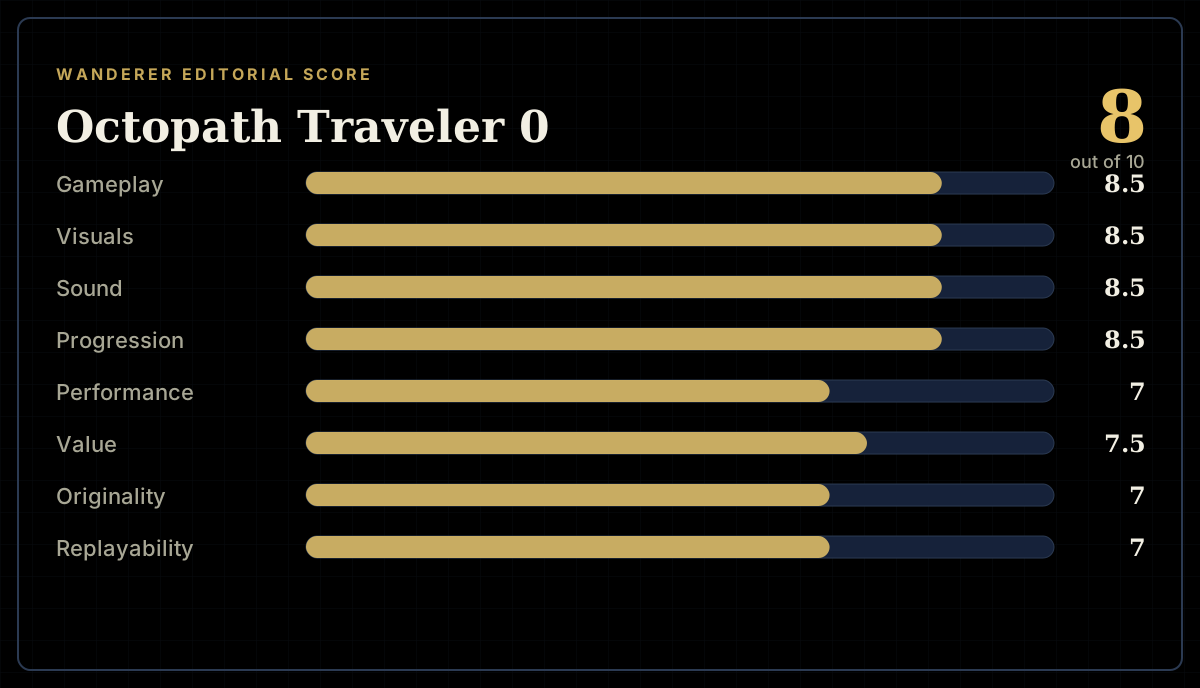
How the review scores each part of the gameWanderer Editorial -
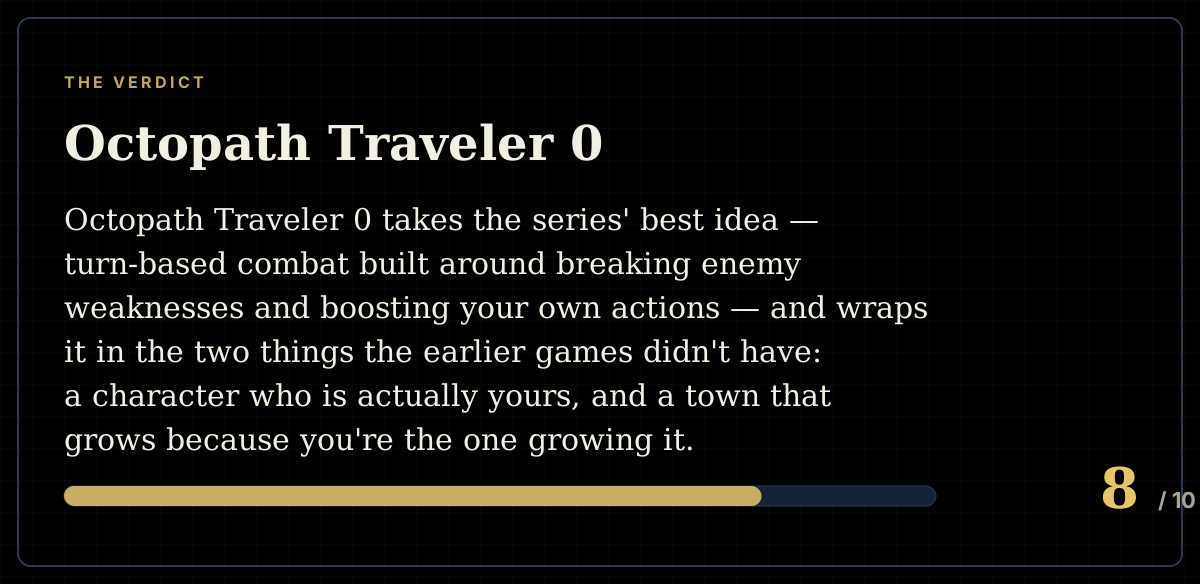
The short versionWanderer Editorial