
Game review
Metro Gravity
7 / 10
- Developer
- mrkogamedev
- Publisher
- mrkogamedev
- Released
- 19 June 2025
- Platforms
- Windows
- Genre
- Action, Adventure, Indie
- Monetisation
- paid
- Players
- false
The short version
Biggest strengths
- A genuinely novel core mechanic that lets players walk on essentially any surface by shifting gravity, opening up level design reviewers repeatedly called unlike anything else in the genre
- Boss fights built around rhythm-synced parrying against striking, visually distinct set pieces, cited by a large share of reviewers as the game's clear highlight
- An outstanding, widely praised original soundtrack woven directly into combat and movement, drawing repeated comparisons to genre favorites like Hi-Fi Rush
Biggest weaknesses
- A widely corroborated camera problem tied directly to the gravity-shifting mechanic, with a meaningful share of reviewers across the whole review pool reporting real motion sickness or disorientation severe enough to affect their ability to keep playing
- Confusing navigation and a map that many reviewers found unhelpful for orienting within the game's disorienting, gravity-warped 3D spaces, leading to frequent, frustrating backtracking
- Divisive rhythm-based combat that a substantial minority found unrewarding or poorly telegraphed outside of boss fights, with several detailed negative reviews describing weak hit feedback and unclear timing windows
Who it's for: Metroidvania and 3D platformer fans who want to see a genuinely novel traversal mechanic done well, and who aren't especially prone to motion sickness
Our recommendation: recommended
7 / 10
Metro Gravity released on Steam on June 19, 2025, a $12.99 3D metroidvania built largely by solo developer mrkogamedev, casting players as Stephanie, who wakes in a dreamlike, gravity-warped world and gradually pieces together what connects the people trapped there. Its defining idea is right there in the title: gravity isn't fixed, and nearly any surface a player can reach becomes walkable ground, turning exploration and puzzle-solving into a genuinely three-dimensional problem rather than a traditional 2D metroidvania with extra verticality. A 749-review English pool (698 positive, 51 negative, Very Positive) reflects a game whose central idea is widely admired, attached to a specific, well-documented technical problem serious enough to be worth understanding before buying.
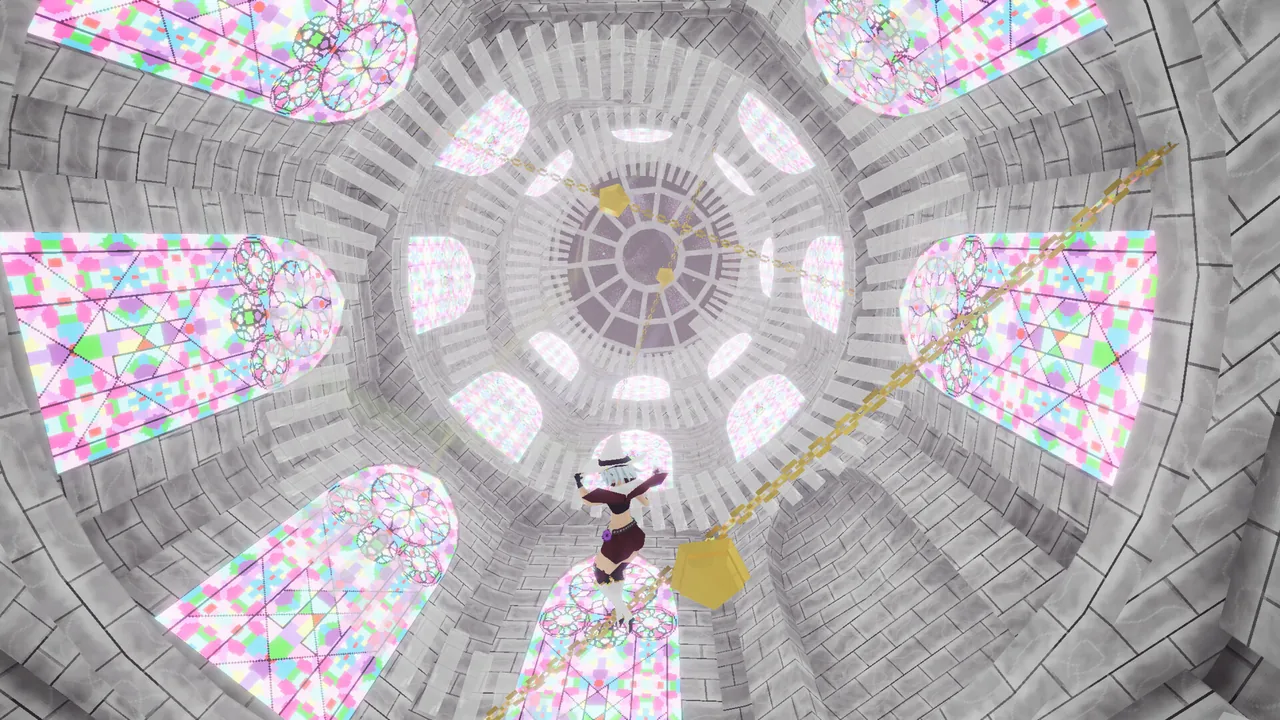
The gravity-shifting mechanic itself is the clear centerpiece of the pool's praise, and reviewers reached for ambitious comparisons to describe it. One called the game "genre defining," arguing its level design achieves something like a fourth dimension of navigation by letting the same physical space be approached from any orientation. Another compared the surreal, orientation-shifting architecture directly to M.C. Escher's work, describing exploration as "really surreal" in a way that made them "think outside the box a lot of the time." Multiple reviewers who cited Gravity Rush and Pseudoregalia as reference points concluded Metro Gravity stands apart from both, carving out what one reviewer suggested should be considered its own subgenre entirely.
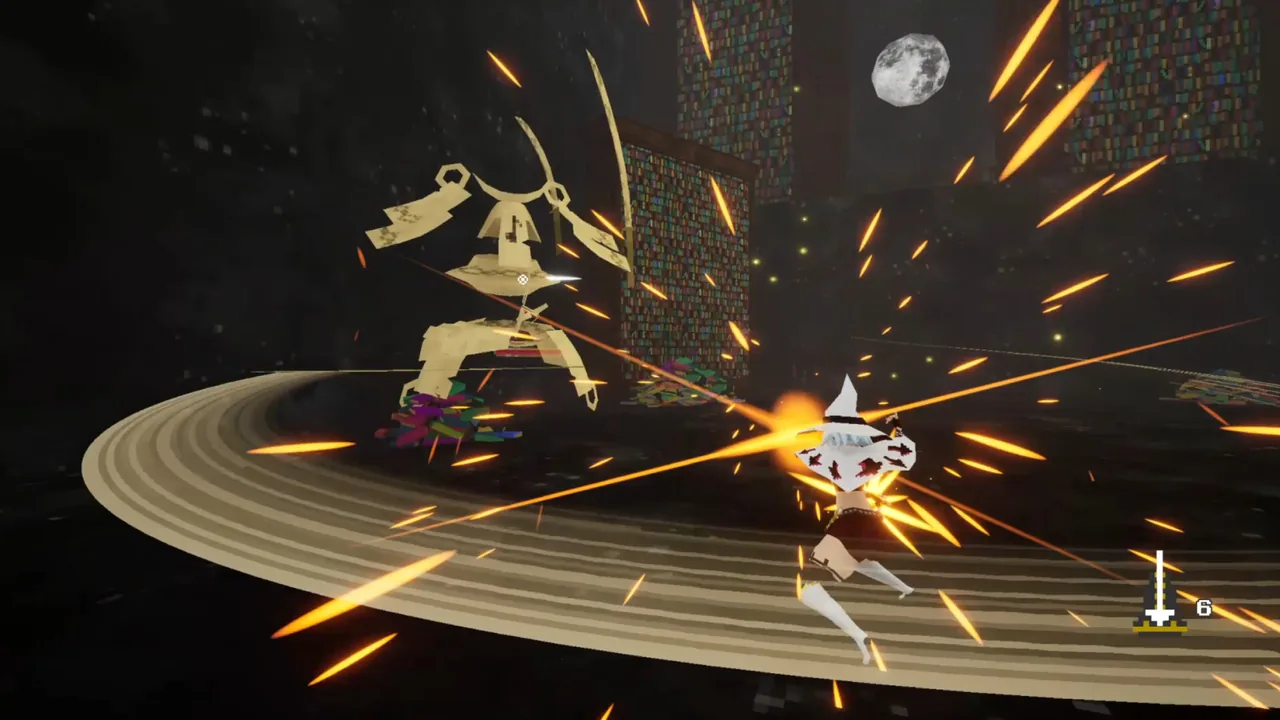
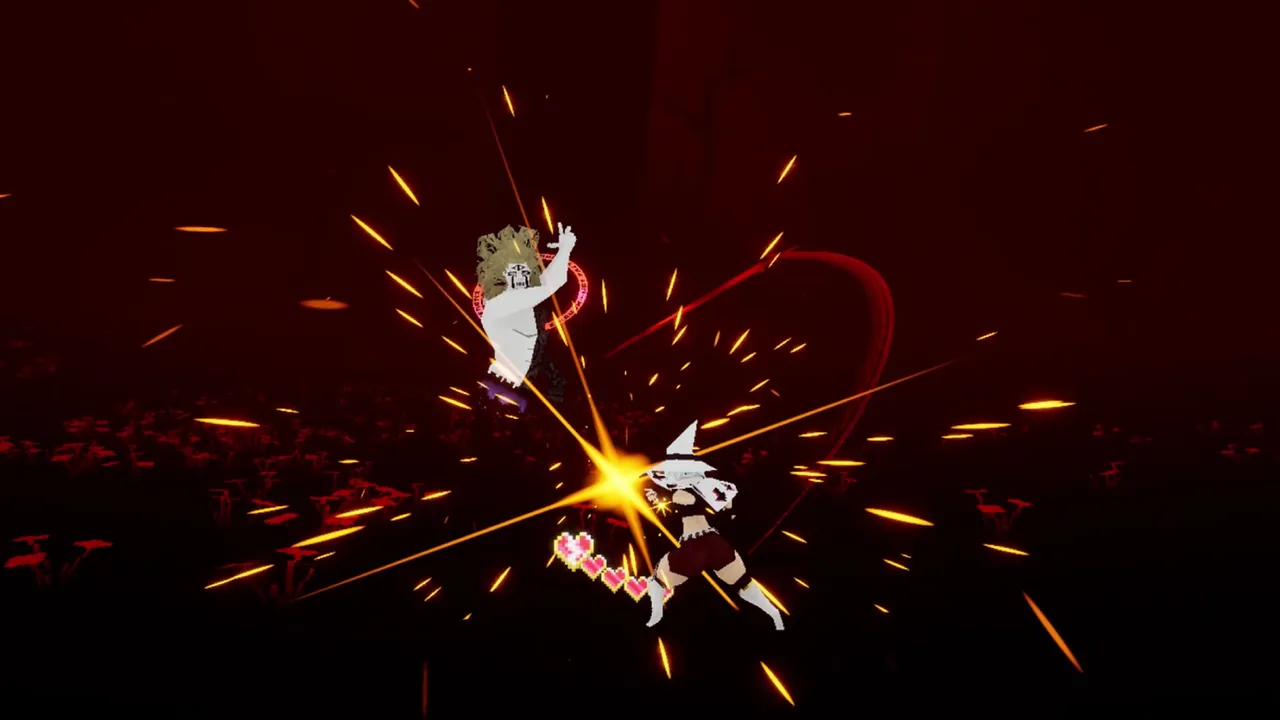
The boss fights, which layer rhythm-based parrying onto these gravity-warped arenas, draw similarly strong and specific praise. Reviewers consistently singled them out as the game's best moments, with one calling the visual and narrative set pieces so strong they'd "play a game of JUST the bosses." The original soundtrack, woven directly into combat timing as well as ambient movement and the walk cycle itself, drew comparisons to Hi-Fi Rush and was repeatedly described as one of the best scores reviewers had heard in recent memory, with several noting individual tracks got stuck in their heads for days afterward. Set against the game's story and scope, multiple reviewers made a point of noting how impressive the whole package is for what is largely a one-person project, a detail that appeared to genuinely shift how generously several reviewers weighed the game's rougher edges.
Those rougher edges cluster overwhelmingly around one specific, well-documented problem: the camera, and the motion sickness it induces for a real portion of players. One detailed negative review described the sensation bluntly, writing that despite having "VR legs" from years of VR gaming, they still found the constant reorientation "nauseating," closing their eyes when transitioning between gravity planes and eventually stopping the review to write the complaint rather than continue playing. A separate reviewer awarding the game a blunt 2/10 called it "the worst camera I've ever experienced in a game," specifically citing how frequently the view flips without warning, whether from simple movement or from taking a hit mid-fight. Crucially, this complaint doesn't come exclusively from the negative side of the pool — several strongly positive reviews independently flagged the same issue as their one real caveat, with one recommending reviewer warning outright that "if games make you motion sick, I definitely can't recommend it." That the exact same technical complaint recurs across both praise and criticism, from reviewers with wildly different overall opinions of the game, makes it the single most consistently corroborated weakness in the entire pool.
Closely related is a navigation complaint that shows up almost as frequently. Multiple reviewers described genuinely losing track of where they needed to go in the game's warped, interconnected spaces, with several specifically criticizing the in-game map for being hard to read relative to the player's current orientation. One reviewer suggested a small indicator showing which direction the character is actually facing on the map screen "would do wonders," while another reported spending real time stuck after overlooking that a required area was only reachable via fast travel rather than on foot. This is a distinct complaint from the motion-sickness issue, but the two compound each other in practice, since a confusing map is harder to parse while already disoriented by the camera.
The rhythm-based combat system proved genuinely divisive rather than uniformly criticized. Several reviewers who enjoy rhythm games specifically praised the parrying mechanics in boss fights as excellent, while a substantial number of others, including multiple detailed negative reviews, described the underlying timing system as poorly communicated, with one writing that "what's happening on screen is a complete decoy from the actual underlying mechanic," since hits are determined by audio timing rather than visual contact. Several reviewers on both sides of the recommendation line agreed combat against regular, non-boss enemies felt weaker and less rewarding than the boss encounters, suggesting the system works best in its most curated, highest-effort moments and less well as a constant companion to exploration.
A smaller but consistent complaint concerns puzzle clarity and the game's tutorial system. Several reviewers described specific puzzles relying on mechanics that hadn't been clearly established, and multiple independently raised the same structural gripe: tutorials appear briefly once and can't be revisited, so missing one due to a distraction like equipping a new item can leave a player stuck without recourse. This is a fixable, specific piece of design feedback rather than a deeper flaw, but it recurred often enough across the negative reviews to be worth flagging directly.
Taken together, Metro Gravity is a genuinely inventive, ambitious game whose central mechanic and boss-fight presentation earn the strong praise they're getting, built by a developer whose achievement, largely alone, is hard to overstate. But the camera issue isn't a minor nitpick from a vocal minority — it's the pool's most consistently repeated complaint across positive and negative reviews alike, and anyone with any history of motion sickness or camera-induced discomfort should weigh that seriously before buying, ideally by trying the available demo first. For everyone else, it's a strong, distinctive recommendation within the crowded metroidvania genre.
Pros and cons
Pros
- A genuinely novel core mechanic that lets players walk on essentially any surface by shifting gravity, opening up level design reviewers repeatedly called unlike anything else in the genre
- Boss fights built around rhythm-synced parrying against striking, visually distinct set pieces, cited by a large share of reviewers as the game's clear highlight
- An outstanding, widely praised original soundtrack woven directly into combat and movement, drawing repeated comparisons to genre favorites like Hi-Fi Rush
- An impressive achievement for a largely solo developer, with a scope, visual polish, and mechanical ambition that reviewers consistently noted punches well above what a one-person team usually delivers
Cons
- A widely corroborated camera problem tied directly to the gravity-shifting mechanic, with a meaningful share of reviewers across the whole review pool reporting real motion sickness or disorientation severe enough to affect their ability to keep playing
- Confusing navigation and a map that many reviewers found unhelpful for orienting within the game's disorienting, gravity-warped 3D spaces, leading to frequent, frustrating backtracking
- Divisive rhythm-based combat that a substantial minority found unrewarding or poorly telegraphed outside of boss fights, with several detailed negative reviews describing weak hit feedback and unclear timing windows
- Some puzzles criticized as obtuse or under-explained, compounded by a tutorial system that several reviewers said couldn't be revisited once missed
Screenshots
-
Metro GravityImage: mrkogamedev via Steam -
Metro GravityImage: mrkogamedev via Steam -
Metro GravityImage: mrkogamedev via Steam