Game review
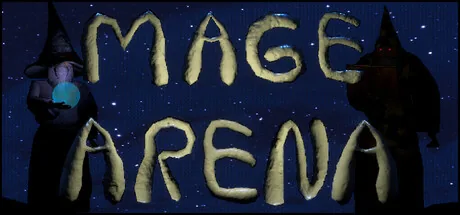
Mage Arena
7 / 10
- Developer
- jrsjams
- Released
- 24 July 2025
- Platforms
- Windows
- Genre
- Voice-Controlled PvP Action
- Monetisation
- One-time purchase, no microtransactions
- Players
- 4v4 team battles and co-op, plus 1v1 Mage Colosseum duels; no offline single-player mode
The short version
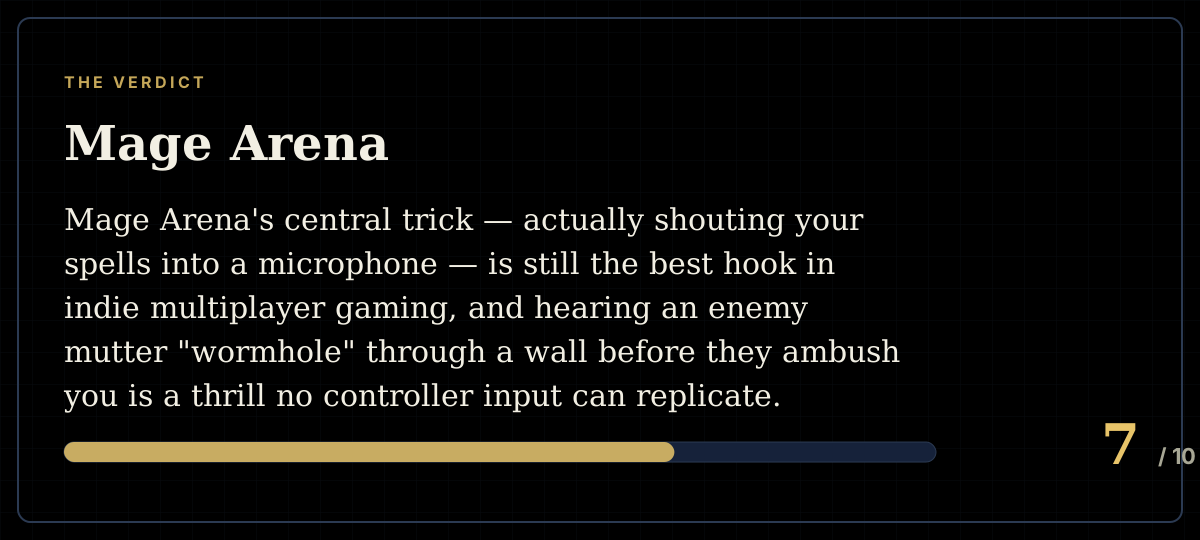
Mage Arena's central trick — actually shouting your spells into a microphone — is still the best hook in indie multiplayer gaming, and hearing an enemy mutter "wormhole" through a wall before they ambush you is a thrill no controller input can replicate.
A year past launch the trick hasn't worn out, but the game around it has grown unevenly: a six-month content drought, an Early Access tag that has outlived its own timeline, and a voice system that still treats a lot of English accents as a foreign language.
Biggest strengths
- Shouting "fireball" and watching it land in a crowded lobby has not gotten old after a year of updates
- Proximity voice chat turns overheard spellcasting and footsteps into genuine tactical information, not just banter
- At US$2.99 with zero microtransactions, it is nearly impossible to call it bad value
Biggest weaknesses
- Voice recognition is tuned around American and Indian accent presets; British and other accents have been reported going unrecognised for entire matches
- A silent stretch from mid-September 2025 to the end of March 2026 tested the patience of even the most forgiving early adopters
- Twelve months in, the game is still tagged Early Access, well past the developer's own early estimate of a three-to-six-month cycle
Who it's for: Voice-chat regulars with a stable group of friends and a microphone the game actually understands; less so solo players, the accent-unlucky, or anyone allergic to Early Access rough edges.
Our recommendation: Buy it for what it costs to skip a coffee, but go in expecting an Early Access project with real gaps, not a finished game wearing a discount price tag.
7 / 10
Most multiplayer games ask you to press a button. Mage Arena asks you to lie convincingly to a microphone, and that single design decision is the reason a solo-developer project with a Unity default menu screen and a price tag lower than most coffees became one of the loudest — literally — indie stories of 2025. A year on, the question worth asking isn't whether shouting "fireball" at your laptop is still funny. It is. The question is whether jrsjams built a game sturdy enough to carry that joke past its first viral week, and the answer is a genuine but qualified yes.
The pitch, and why it still works
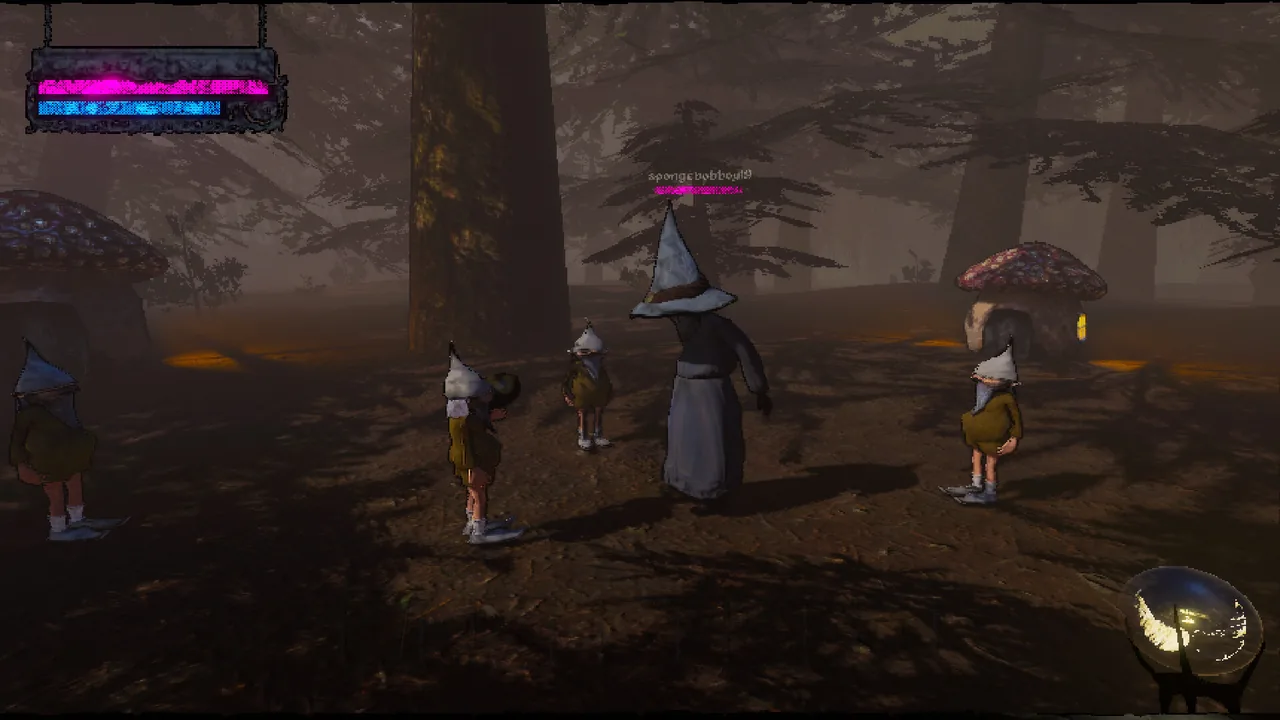
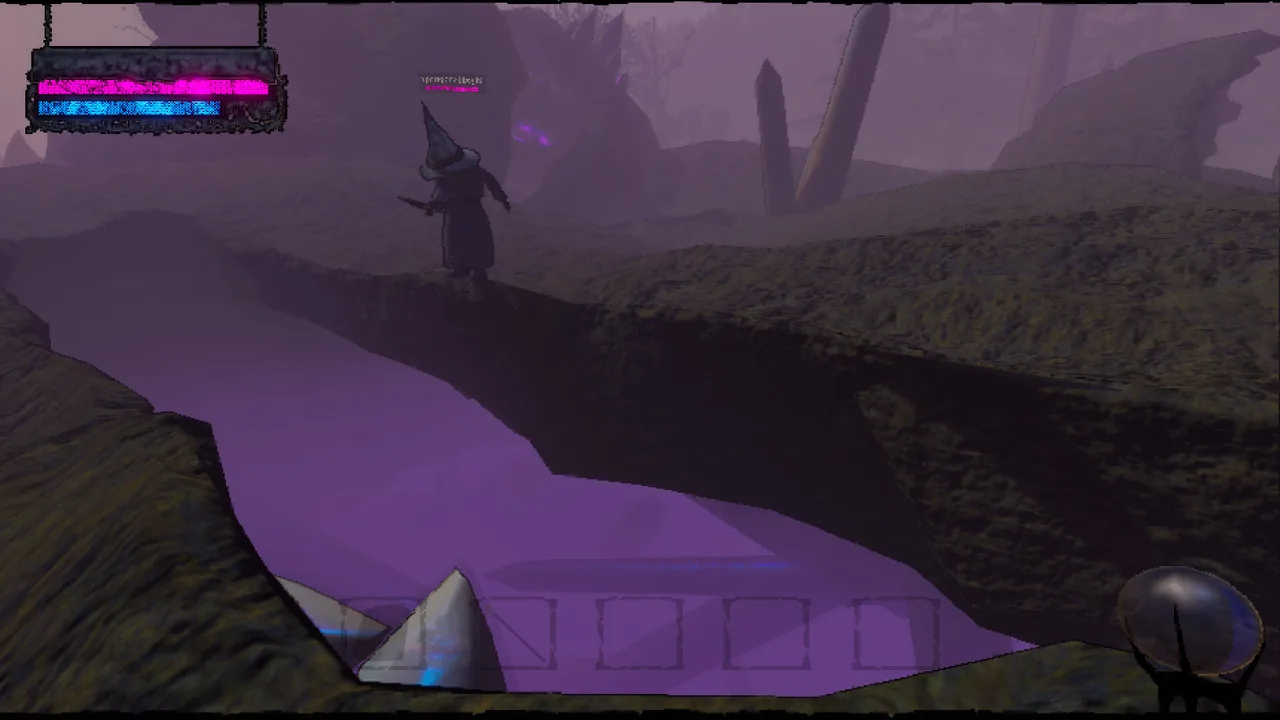
Mage Arena splits up to eight players into Sorcerers and Warlocks, sends them into a shifting island arena, and asks each side to hunt down and capture the other team's flag. The twist is that every spell — a lobbed fireball, a freezing bolt, a triple burst of magic missiles, a portal that yanks you across the map — is triggered by actually saying its name out loud into your microphone, picked up through the default Windows input device with no controller or gamepad path available. There's a smaller, tighter 1v1 Mage Colosseum mode for players who want the mechanic without eight people's worth of chaos, and a light survival-crafting layer sits underneath both: gather logs, stones, toads and crystals around the map to build gear, up to and including a one-hit-kill sword that rewards the kind of map knowledge only regulars will have.
None of that would matter if the voice input felt like a gimmick bolted onto a normal shooter, and it doesn't. Recognition is genuinely responsive for its target accents — spells register close to instantly for a huge share of players, with none of the exaggerated lag that sinks most speech-to- text novelties. More importantly, the game treats your own voice as a liability as much as a weapon. Proximity chat means enemies down the hall can hear you rehearsing a spell before you cast it, and that tension — do I whisper, do I risk the word, do I bait a response — is the actual design achievement here, not the party trick of voice control by itself. Combat without it would be a serviceable, forgettable capture-the-flag brawler. With it, every match generates its own short, stupid, memorable stories, which is exactly what carried this game across TikTok and Twitch clips in its first month and is still what keeps friend groups buying copies for each other.
Who the microphone leaves behind
The uncomfortable half of that same mechanic is who it doesn't work for. Mage Arena's voice system ships with a choice between American and Indian accent presets, and the advice for everyone else — stated plainly in the game's own help material — is to pick American and hope for the best. Players posting from the UK have described entire matches where the system simply never recognised a spell, and the discourse around it got pointed enough that it became a running joke on the game's own community boards. This isn't a one-off complaint pattern; it's a structural limitation of training a voice model around a narrow accent set and shipping it as the only input method in the game, with no alternate control scheme for players who can't get through to it. A modding community has already stepped in with unofficial voice-detection improvements, which says something flattering about how much people want this to work for them and something less flattering about how far the base game still has to go.
The same mechanic quietly filters out other players too: anyone in a shared house, an open-plan flat, or a noisy environment where shouting spell names at a laptop simply isn't viable; anyone with a speech impairment or a voice condition that a phonetic recognition model wasn't built to expect; non-native English speakers whose pronunciation doesn't match the presets, even if their English is otherwise fluent. None of this makes Mage Arena a bad game — a lot of great multiplayer games have narrow physical requirements, from rhythm titles to VR shooters — but it does mean the audience is narrower than the sales numbers suggest, and it's worth knowing that going in rather than finding out mid-purchase.
A year of Early Access, and the sequel that wasn't
Mage Arena launched on 24 July 2025 already tagged Early Access, and it earned its viral spike almost immediately: hundreds of thousands of copies sold within days, a concurrent player count that dwarfed most releases at ten times the price, and a Steam Awards nomination for Most Innovative Gameplay that year. What followed was a burst of near-daily patches through August and into mid-September — bug fixes, a new spell, hotfixes on the hotfixes — that looked exactly like a solo developer riding a wave while it lasted.
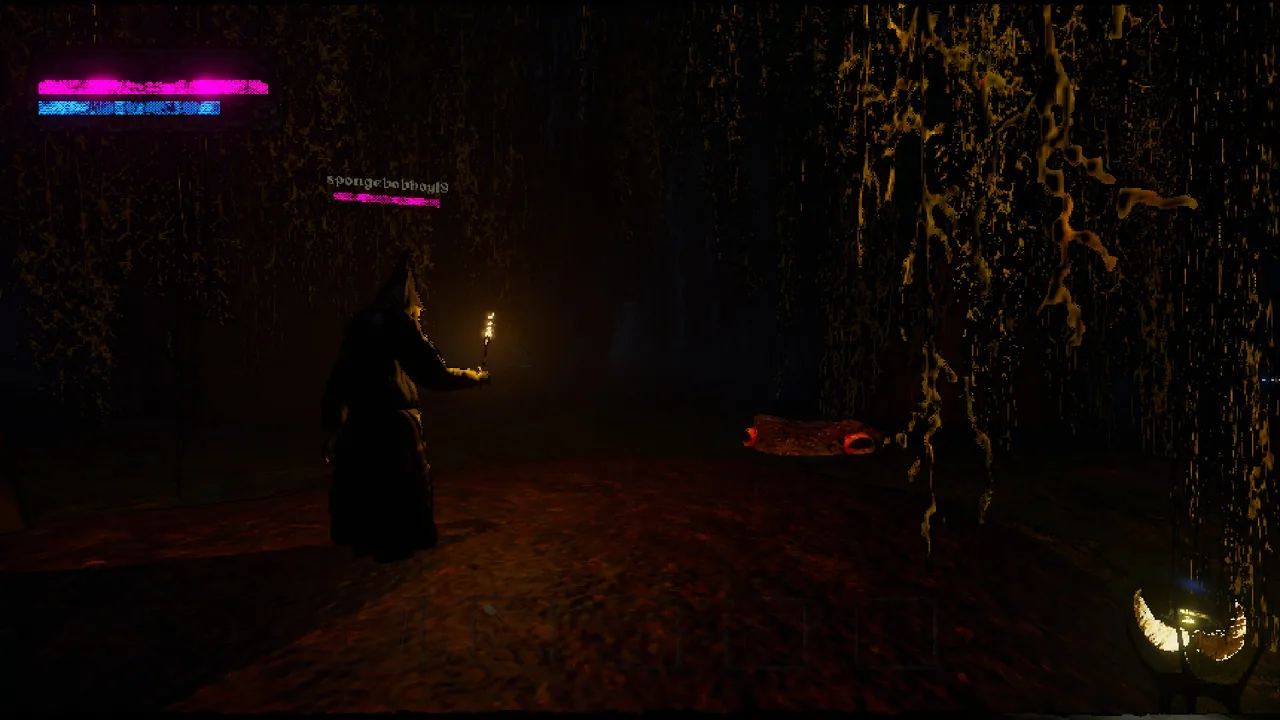
Then the updates stopped. From mid-September 2025 until the end of March 2026, Mage Arena went essentially quiet, a six-month gap that is difficult to justify for a one-person Early Access project living on its community's goodwill, even accounting for how much a single developer can reasonably ship alone. The March 2026 update, when it landed, was substantial — four new spells bringing the pool to eight with a four-spell loadout choice, a PvE addition in a new "dead forest" area, a rebuilt lobby system that lets players join matches already in progress, and a bump to the player cap — and later patches kept improving voice detection for specific spells and widening matchmaking regions for smaller player pools. It's good work. It just arrived after a silence long enough to lose a meaningful slice of the game's original audience, and it's the clearest evidence that "Early Access" here is doing more literal work than the label usually implies: jrsjams' own early guidance pointed toward a three-to-six-month window to full release, and Mage Arena is now well past a full year in that state.
Layered on top of the drought was a smaller, telling episode: a Mage Arena 2 announcement drew enough backlash from a community that felt like it was being asked to fund a sequel to a $3 game before the original had finished cooking, that the developer pulled back and refocused on the game people had actually paid for. Whatever you think of the reaction, it's a useful data point about where this project's audience draws the line — they bought a cheap, weird experiment and they want it finished, not franchised.
Value and where it lands
At US$2.99 with no in-app purchases, no battle pass and no premium currency, Mage Arena remains one of the easiest recommendations on Steam purely on a cost-per-laugh basis — you will get your money's worth from a single good lobby with friends. The harder judgment is whether the underlying game has grown into something that rewards long-term investment, and the honest answer is not yet. The spell pool is still small enough that veteran players will have seen everything the loadout system offers within a handful of sessions, the crafting layer is a light dressing rather than a real progression system, and the game currently offers nothing for players without a group or a reliable microphone setup.
None of that erases what Mage Arena got right. The core loop of vocalising a spell and having teammates and enemies genuinely react to what they hear you say is still the most distinctive thing a multiplayer game has done with voice input in years, and the fact that it survived a six-month silence with its community mostly intact says the hook has real staying power, not just launch-week novelty. But a year is long enough to judge a project by its follow-through as much as its idea, and on follow-through Mage Arena is still catching up to its own premise — worth playing, worth the asking price, not yet worth calling finished.
Players who like the idea of progress that keeps ticking over even when nobody's actively grinding it might also want to look at Wanderer, which leans the opposite direction from Mage Arena's live chaos toward something slower and more persistent.
Pros and cons
Pros
- Shouting "fireball" and watching it land in a crowded lobby has not gotten old after a year of updates
- Proximity voice chat turns overheard spellcasting and footsteps into genuine tactical information, not just banter
- At US$2.99 with zero microtransactions, it is nearly impossible to call it bad value
- The 1v1 Mage Colosseum gives the mechanic a tighter, more skill-testing arena than the chaotic team mode
Cons
- Voice recognition is tuned around American and Indian accent presets; British and other accents have been reported going unrecognised for entire matches
- A silent stretch from mid-September 2025 to the end of March 2026 tested the patience of even the most forgiving early adopters
- Twelve months in, the game is still tagged Early Access, well past the developer's own early estimate of a three-to-six-month cycle
- The spellbook and crafting loop run out of things to teach a player faster than the format can support
Screenshots
-
Mage ArenaImage: jrsjams via Steam -
Mage ArenaImage: jrsjams via Steam -
Mage ArenaImage: jrsjams via Steam -
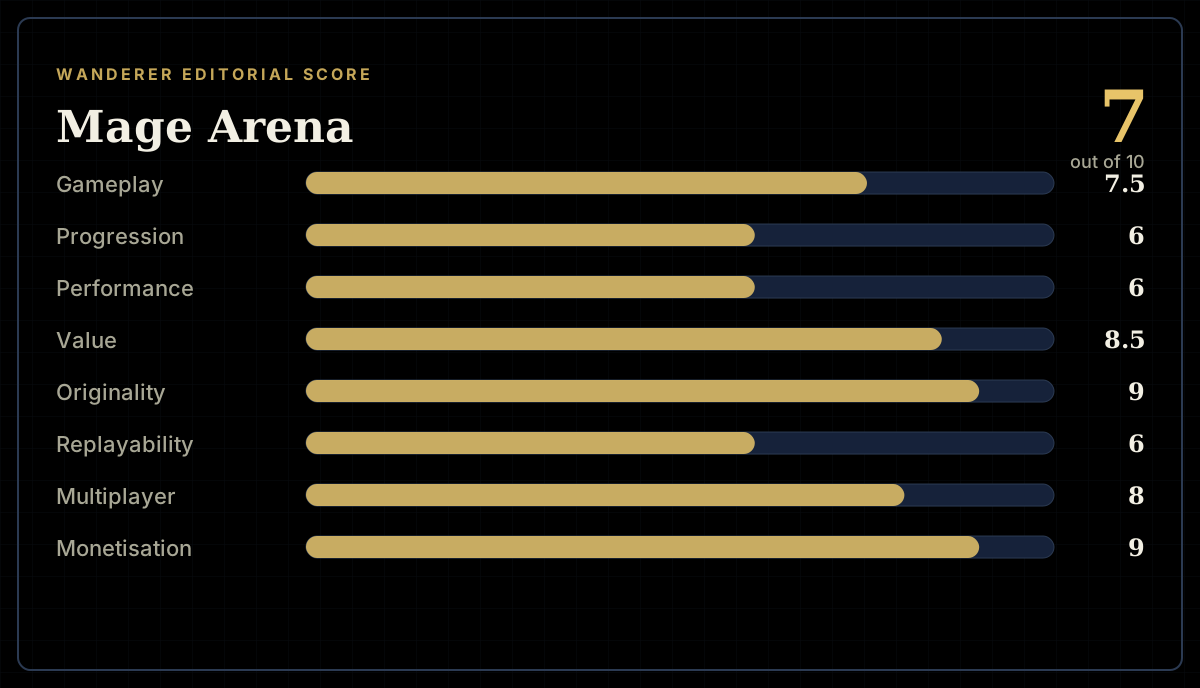
How the review scores each part of the gameWanderer Editorial -
The short versionWanderer Editorial