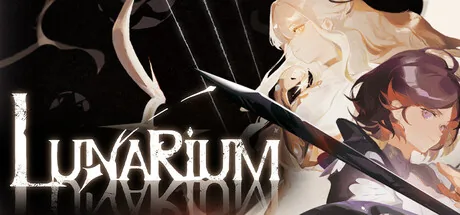
Game review
Lunarium
7.5 / 10
- Developer
- Lunarium Game Studio
- Publisher
- Imperfect Games
- Released
- 28 July 2026
- Platforms
- Windows
- Genre
- Action RPG
- Monetisation
- Premium, one-off purchase — no in-game purchases
- Players
- Single-player
The short version
The defensive combat is the real thing. Attacks are telegraphed honestly, the parry is rationed rather than free, and deaths land on you rather than on the camera. For eighteen dollars that's a lot of well-made game, and it is beautiful in a way almost nothing else at this price is.
It also shipped with placeholder strings in its dialogue, patches of untranslated Chinese and a progression economy generous enough to switch its own difficulty off. Buy it for the fighting; expect the story layer to improve after you've finished it.
Biggest strengths
- Enemy wind-ups are readable enough that a failed parry is nearly always your own misread
- Putting a cooldown on the parry makes each attempt a decision instead of a reflex
- Dodging is safe but builds nothing, so defence has an actual risk-reward curve
Biggest weaknesses
- Placeholder text and untranslated lines still appear in dialogue and journals at launch
- Upgrade currency is plentiful enough that the back half stops testing the systems it taught you
- The skill tree is fully completable, so its choices stop being choices
Who it's for: Anyone who wants Sekiro's rhythm at a third of the commitment, and players who like isometric combat that asks for reading rather than reflexes.
Our recommendation: Worth buying now if combat is what you're here for. If you want a clean narrative run, try the free demo and give the localisation a month of patches first.
7.5 / 10
Most action games hand you a parry and then spend the rest of their runtime trying to stop you mashing it. Lunarium solves that on day one by putting the parry on a cooldown. Miss, and you don't get to try again immediately — you have to survive the rest of the combo with a dodge that keeps you alive but earns you nothing. That single restriction does more for this game's combat than any amount of frame data would have.
It's the debut from Lunarium Game Studio, nine people in Shanghai who by their own account had no professional games experience between them when they started, working with publisher Imperfect Games. Two years on, they've shipped an isometric action RPG that looks like a watercolour and fights like a much more expensive game. They've also shipped it with English placeholder text still sitting in the dialogue boxes, which is the tension this entire review is about.
Defence you have to ration
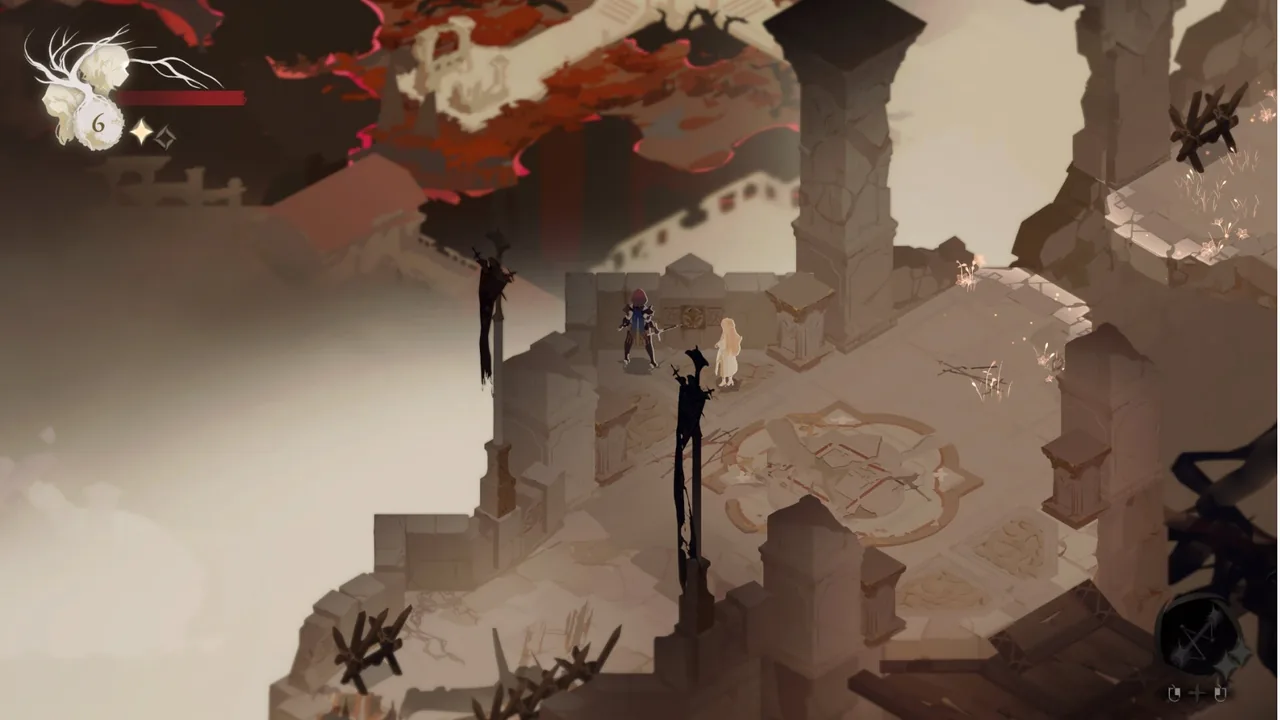
You play Ave, a lightly armoured knight, with the Starfarer Lune fighting alongside her. Ave's kit is compact: a three-or-four hit ground combo, a charged heavy thrust, a magical two-hander, a dash, a block and the parry. Nothing there is novel. What's novel is the economy the game builds on top of it.
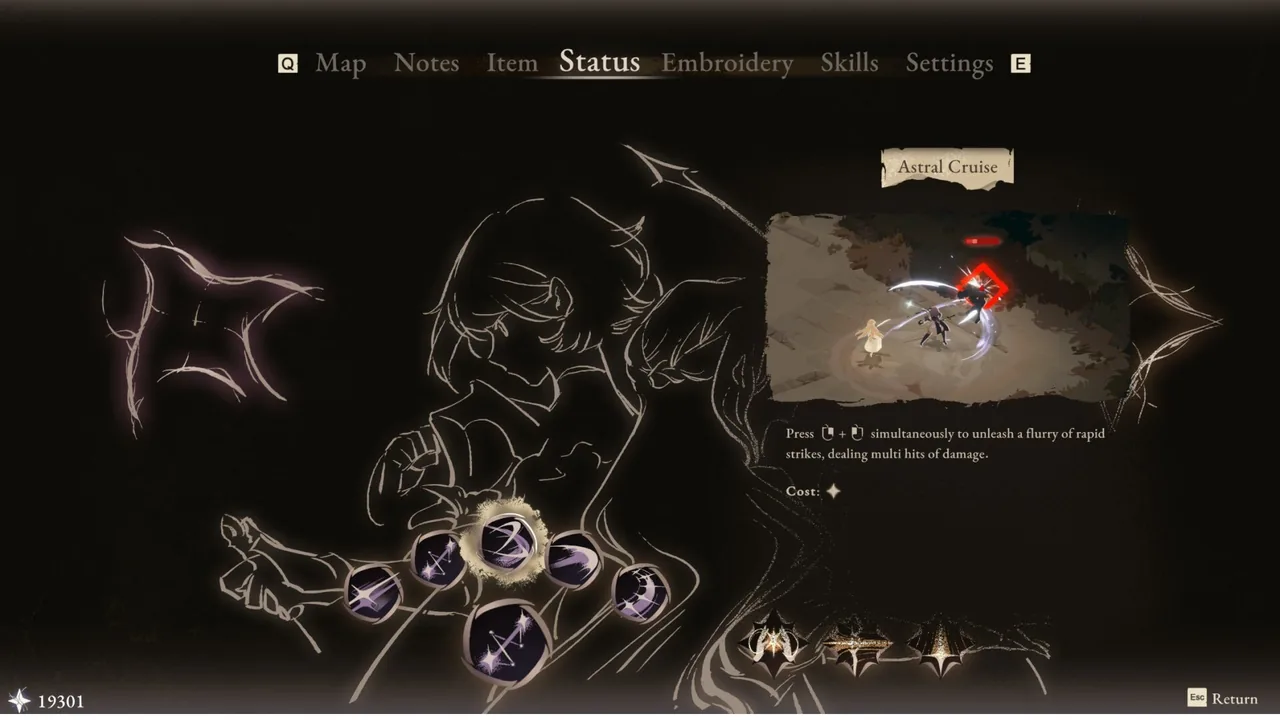
A successful parry fills the stagger meter. Enough stagger and the enemy is stunned outright, which opens a punish window long enough to actually use, and gives Lune a cue to land a heavy shot of her own. Dodging, by contrast, gets you out of the way and contributes nothing to that meter. So the question in every enemy wind-up isn't "can I avoid this" — it's "is this the swing I spend my parry on, and if I get it wrong, am I still standing." That's a genuinely good combat question, and the game asks it constantly.
The reason it works rather than frustrates is legibility. Enemy attack animations are telegraphed plainly and, more importantly, consistently: the same wind-up means the same timing every time you see it, which is the property that separates a hard fight from a cheap one. Deaths here read as misreads. Bosses are built around learning a moveset and then executing it, and the game backs that up structurally by respawning you close to the arena — the runback, that great tax on Soulslike learning, is barely present. Losing to a boss in Lunarium costs you about fifteen seconds and no dignity, which is exactly the right price when the intended solution is "watch it again."
Healing is rationed the way you'd expect. Prayers are your flask equivalent, limited in number and refilled at benches, which double as the game's upgrade and loadout stations. It's a familiar grammar and it's implemented cleanly rather than cleverly.
Where the seams show is in the busiest encounters. Multiple reviewers have flagged hit registration that stops being trustworthy when the screen fills up, and the game's arena gauntlets — waves of enemies in an enclosed space — are the one place where the difficulty stops feeling designed and starts feeling like an oversight. There are no difficulty options of any kind, so a player who hits a wall in a gauntlet has nothing to adjust except their own patience. For a game this deliberate about teaching you its defensive language, having no way to soften a spike that the language doesn't cover is an odd gap.
Lune isn't a sidekick, she's a resource
The companion could easily have been a passive damage tick. Instead Lune is wired into the same meter economy: her arrows and support fire come online when Ave's aggression has earned them, and Resonance Points accumulate through the encounter to fund paired attacks that hit far harder than anything Ave can produce alone. She also handles the exploration half, opening routes and solving the environmental puzzles that stitch the world together.
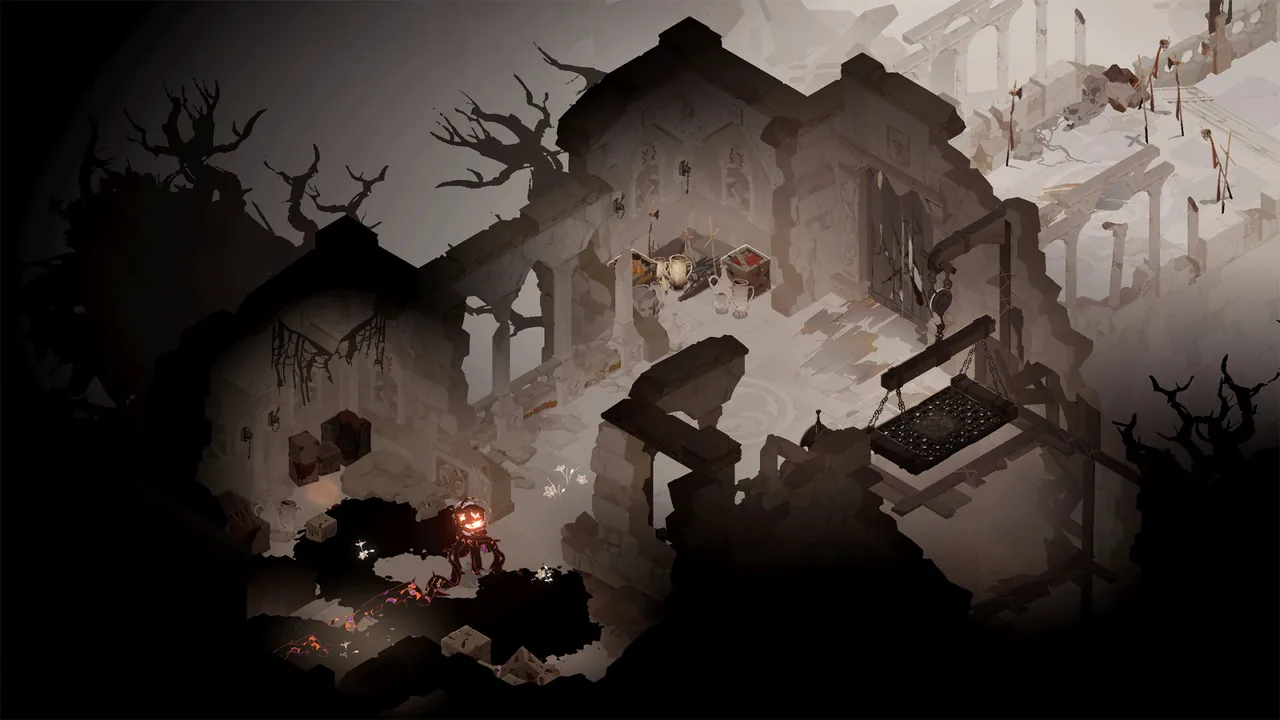
And it is a world rather than a level list. Regions interconnect, with hidden cracks, deployable ladders and shortcuts that fold back on each other in the way this genre does well. You can wander off-route, which is genuinely satisfying — and which is also where the game's technical problems find you, since exploring out of the intended order is what most of the reported progression locks have in common.
Cloaks do the work the skill tree doesn't
There are skill trees for both characters, and they're the least interesting part of the build system, because you can finish them. Every node is yours before the credits, which turns each individual pick into a question of order rather than identity. It's harmless, but it isn't progression in any meaningful sense.
The real customisation lives in cloaks and embroideries. Cloaks are crafted at looms from materials you find, and they don't just adjust stats — they alter how Ave moves and swings. Embroideries are the charm layer, twenty-odd passives that you slot to reshape the loop: extra healing, damage scaling, bonuses that trigger specifically on a perfect parry. Building around parry-on-hit embroideries and then leaning hard into stagger generation is a legitimately different game from building for raw damage, and that's the kind of divergence a skill tree usually promises and doesn't deliver.
The problem is the currency behind it. The game hands out upgrade materials generously enough that, by the back half, most players will have their equipment enhanced well past what the encounters are tuned for. The precise, rationed defensive game that the first several hours teach you becomes optional in the last several, because you can simply out-stat it. That's a balancing decision, not a design flaw, and it's the most fixable thing on this list — but as shipped, Lunarium spends hours building a beautiful combat argument and then quietly concedes it.
The bit that isn't finished
Lunarium runs well. Minimum spec is a GTX 1050 Ti, ultrawide is supported, and handheld coverage of launch builds reports it holding above 60fps on a ROG Xbox Ally X. There's very little to complain about technically, which makes the state of the text layer more conspicuous, not less.
At launch, placeholder strings still appear in dialogue and journal entries. Lines are attributed to the wrong characters. Patches of untranslated Chinese survive in places, including — per multiple launch-window accounts — spots where they block comprehension of what you're supposed to do next. Quest markers are unclear. Reviewers have reported soft-locks tied to exploring out of sequence. None of this is fatal, and much of it is the sort of thing a small team patches within weeks, but it is the difference between the game people will be recommending in September and the game that's on sale today.
That gap explains the Steam user rating better than anything else. It sits Mixed at 65% positive on a sample small enough that a handful of reviews swings it, and the split isn't about the combat — it's about the polish. Reading it against the professional coverage, which has ranged from 6 to 8 out of 10, the pattern is consistent: everybody likes the fighting, everybody has hit something unfinished.
The story is a modest casualty of the same problem. It's a serviceable one — a blight called the Nihilus, two protagonists trying to hold a dying world together, themes of memory and self, two endings — and it's told with real sincerity and a genuinely lovely presentation, full English and Japanese voice work included. But a narrative delivered through text boxes needs its text boxes to work, and right now some of them don't.
Verdict
Lunarium is a first game that got the hardest part right. Building a defensive system that is readable, fair and interesting to make decisions inside is beyond plenty of studios with a hundred staff and a decade of institutional memory, and nine people managed it in about two years. The parry cooldown alone is a smarter idea than most of this genre's recent additions, and the cloak-and-embroidery layer gives it somewhere to grow.
Seven and a half is what happens when a game that good at its core ships before its script is finished and with an upgrade economy that undoes its own tuning. Neither of those is a design failure — both are the kind of thing a committed team fixes — but you're buying what's on the disc today, not what's on the roadmap. At around eighteen dollars, with a free demo sitting right next to it on the store page, the risk is small and the ceiling is high.
Come for the fighting. If you played Silksong for its combat rhythm rather than its map, or you're the sort who reads Vahrin's Call reviews looking for the encounter design section first, this is worth your evening. Just don't expect the story to hold together yet.
Price, store details and user-review summary checked 29 July 2026.
Pros and cons
Pros
- Enemy wind-ups are readable enough that a failed parry is nearly always your own misread
- Putting a cooldown on the parry makes each attempt a decision instead of a reflex
- Dodging is safe but builds nothing, so defence has an actual risk-reward curve
- Boss runbacks are short, which keeps a hard fight in the learning phase instead of the chore phase
- Cloaks and embroideries change how you fight far more than the skill tree does
- Hand-painted environments and a strong score, on hardware from 2016
Cons
- Placeholder text and untranslated lines still appear in dialogue and journals at launch
- Upgrade currency is plentiful enough that the back half stops testing the systems it taught you
- The skill tree is fully completable, so its choices stop being choices
- No difficulty options at all, which hurts most in the arena gauntlets
- Hit registration is reported as inconsistent in the busiest fights
- Several bosses in the middle region blur into each other visually
Screenshots
-
LunariumImage: 月相仪Lunarium via Steam -
LunariumImage: 月相仪Lunarium via Steam -
LunariumImage: 月相仪Lunarium via Steam -
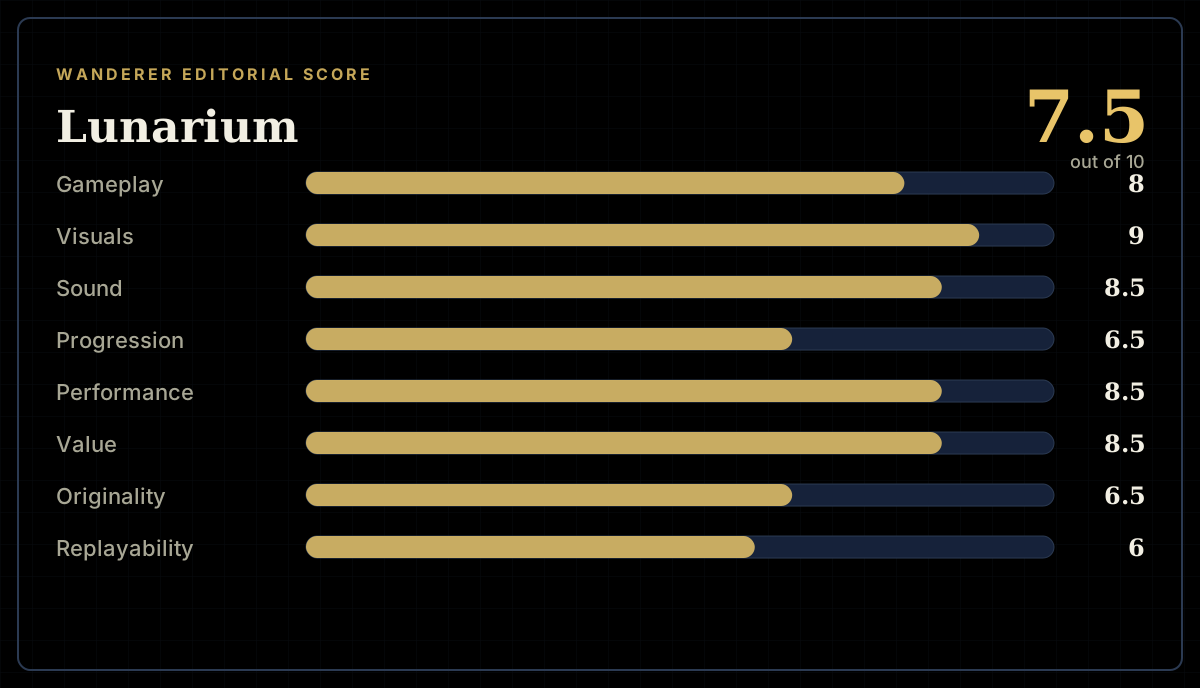
How the review scores each part of the gameWanderer Editorial -
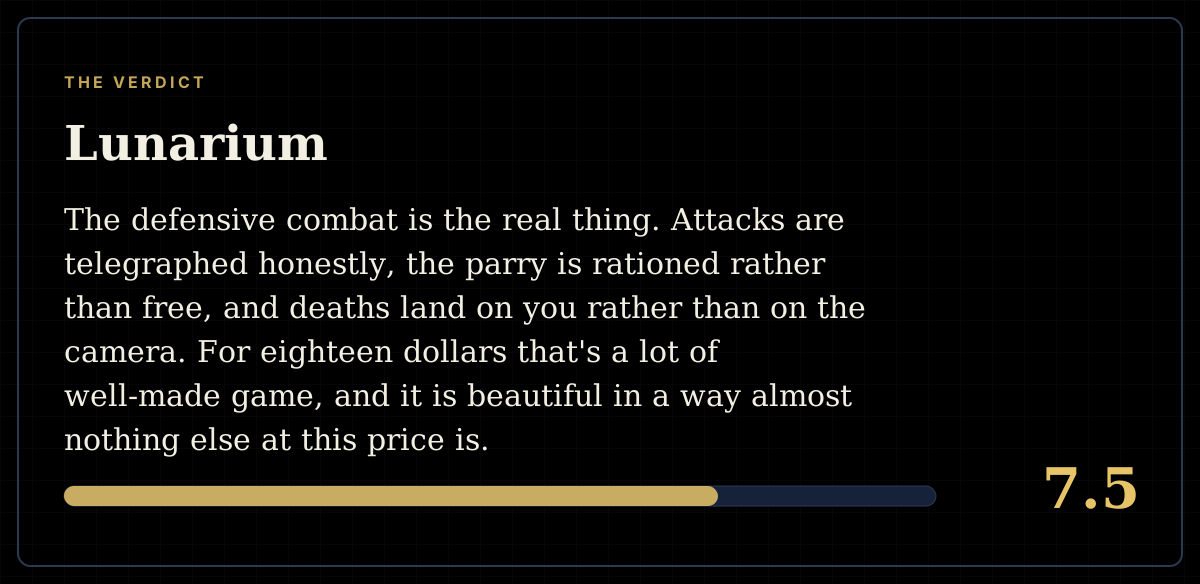
The short versionWanderer Editorial