Game review
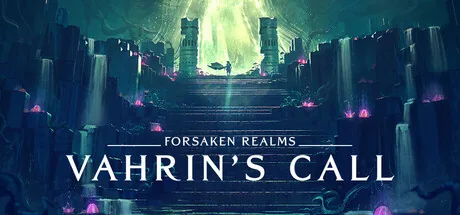
Forsaken Realms: Vahrin's Call
7.5 / 10
- Developer
- Titan Roc
- Publisher
- Titan Roc
- Released
- 27 July 2026
- Platforms
- Windows
- Genre
- Action RPG
- Monetisation
- Premium, one-off purchase — no in-game purchases
- Players
- Single-player
The short version
A genuinely ambitious fantasy RPG with the best-designed classless progression I've seen from a team this size, and a world built to be walked rather than fast-travelled through. Its ideas are worth the asking price.
Its optimisation is not there yet, the inventory and crafting screens fight you, and the combat that feels weighty in the open fields turns awkward the moment two enemies and a slope are involved. Buy it for the world and the build-craft; wait a few patches if smooth frame rates matter more to you than either.
Biggest strengths
- Specialisms level through use, so your build is a record of how you actually fought
- Unlimited free respecs mean experimenting costs nothing but time
- Traps and alchemy are real tactical options rather than crafting-menu filler
Biggest weaknesses
- Performance swings wildly by region, and the developers have said optimisation is unfinished
- Inventory and crafting screens take far too many clicks for the number of items involved
- Enemy pathing struggles on uneven ground, which undercuts otherwise deliberate combat
Who it's for: Elder Scrolls and Fable players who miss being a nobody with a sword, and anyone who builds characters by feel rather than by guide.
Our recommendation: Worth buying now if you have the hardware headroom and the patience for rough edges. If you're on a handheld or an older card, wishlist it and check back after the first optimisation passes.
7.5 / 10
You are not the Dragonborn. Nobody has prophesied you. The Vale of Vahrin has a war on and a shortage of people willing to walk into it for money, and that is the entire reason you're here.
That decision — no chosen one, no destiny, no NPC assuring you of your importance — turns out to shape everything else Titan Roc built. It's a seven-person studio that spent more than twelve years on this, self-funded, no publisher, and the result is the kind of game that gets several things right that far bigger productions get wrong, while stumbling over things far bigger productions solved a decade ago.
Build first, class never
The progression is the reason to pay attention. Every specialism is available from the first hour — sword and shield, great sword, bow, magic, alchemy, traps — and each one levels by being used. Fight with a bow and your bow work improves. Poison a blade and your alchemy improves.
The trick is that skill points eventually run out, and at that point the game quietly asks who you actually are. You've been building a character by playing rather than by picking a class at the start, and the moment you have to commit is the moment you realise the game has been paying attention.
Two design choices make this sing rather than punish. Each specialism is a self-contained playstyle rather than a stat bonus — sword and shield is a defensive game about holding ground, the great sword is a crowd-clearing game about spacing — so committing to one changes how you approach a fight rather than how big your numbers are. And respecs are free, instant and unlimited. There is no wrong build here, only a build you're bored of, which is exactly the right call for a system that wants you to experiment.
Traps and alchemy deserve their own mention. In most action RPGs, crafting is a menu you visit between fights to convert junk into slightly better junk. Here, a trap laid before you pull a group is a legitimate opening move, and brewing something specific for a specific enemy is worth the detour. Systems that could have been filler are load-bearing.
Combat that's better in fields than in corridors
Fighting sits somewhere between a classic action RPG and a gentle Soulslike — deliberate, commitment- based, with attacks you have to mean rather than mash. When it's working, and especially at range or with the heavier weapons, it has real weight.
It stops working in tight, awkward places. Enemies have visible trouble navigating uneven terrain, which turns confrontations that should be tense into confrontations that are slightly comic, and melee can feel floaty in a way that sits oddly against encounter design that clearly wants precision. This is the seam where the team's size shows: the animation and AI polish that smooths over messy geometry is the most expensive kind of work there is, and it hasn't all been done.
A world built for walking
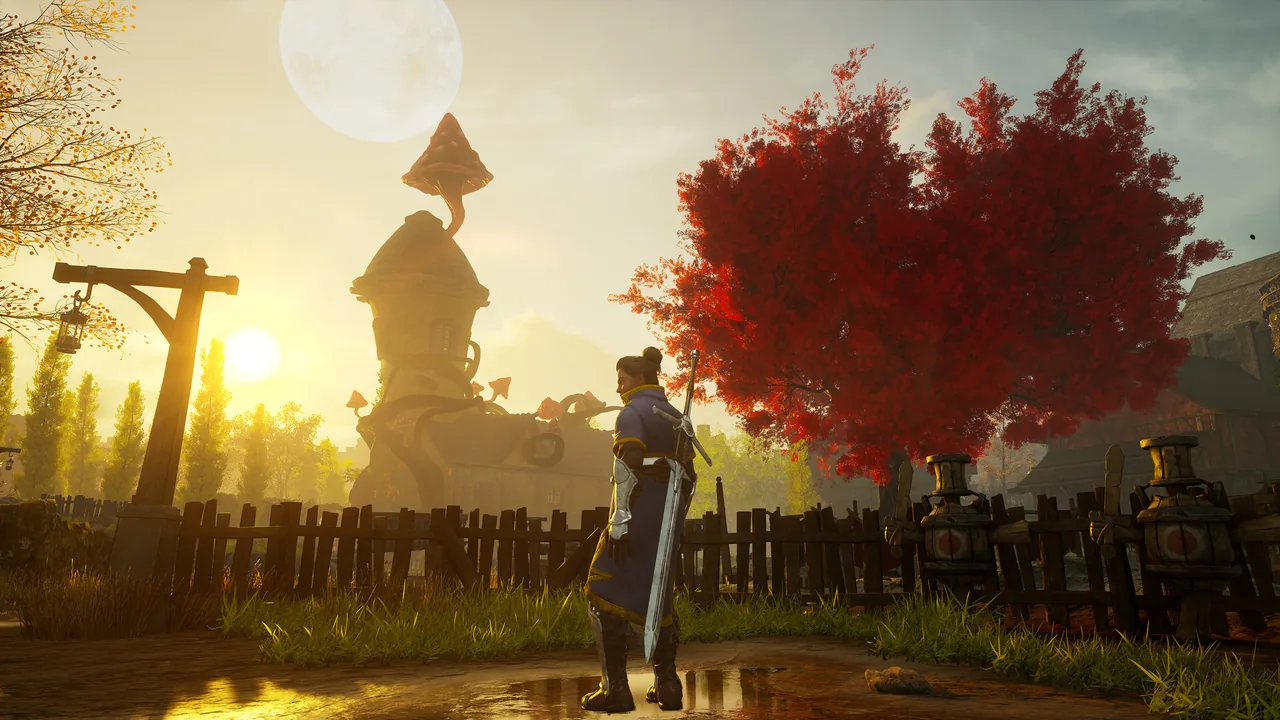
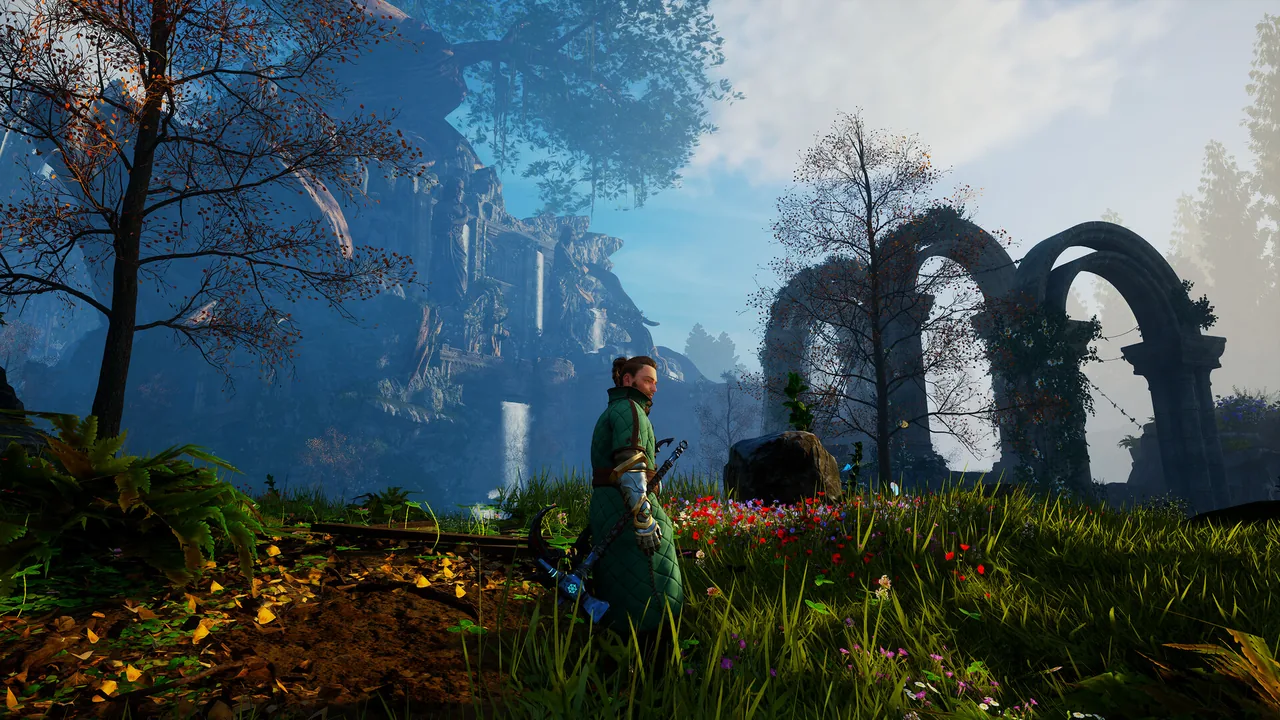
Exploration is the game's quiet triumph. The Vale is handcrafted rather than generated, and it's been designed on the assumption that you'll go and look at things — a village with its own mannerisms, a cave that pays off, a story happening at the edge of somewhere you weren't sent. There's no map bloat, no tower-unlocks-a-region checklist. You find things because you went.
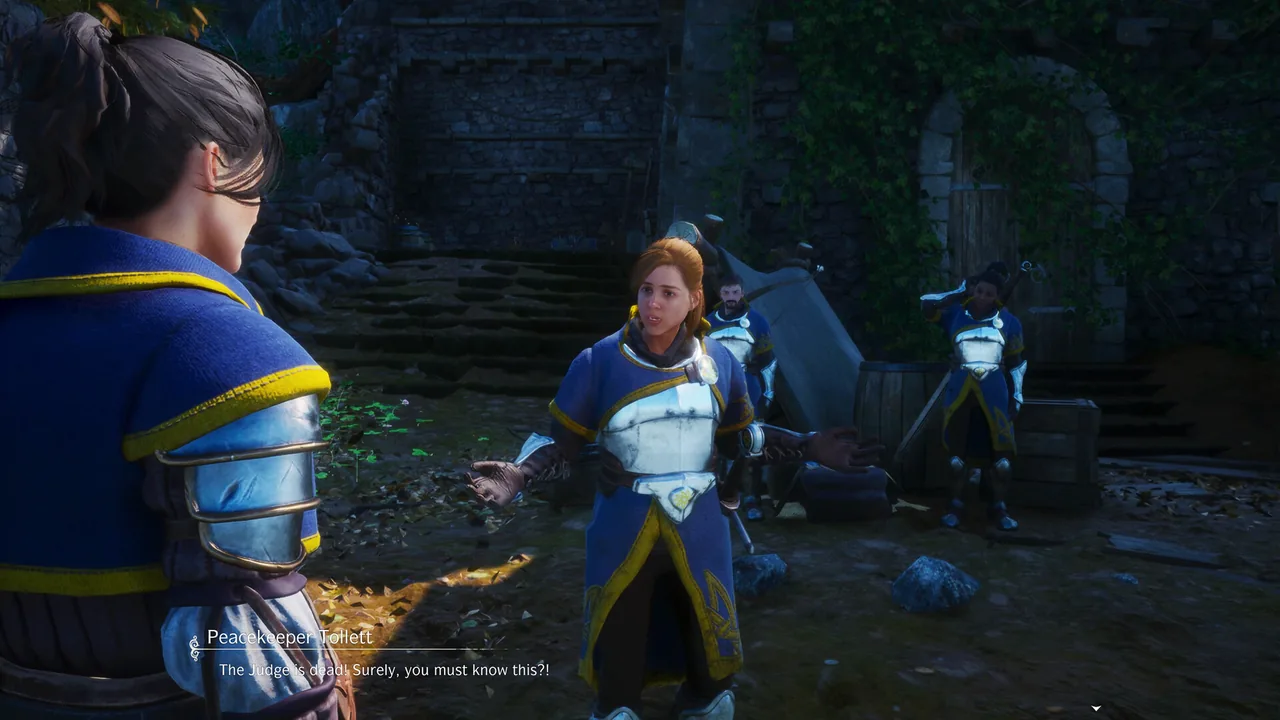
The narrative approach is the flip side of the same philosophy, and it's more divisive. Titan Roc deliberately cut branching dialogue and permanent companions, delivering the story through conversation and place instead. That keeps the world feeling like it isn't revolving around you, which is the point. It also means quests can feel like they're happening at you: you listen, you go, you do. Anyone who plays RPGs for the choose-your-response half of the genre will feel that absence immediately.
The voice work, on the other hand, is a genuine surprise — a fully voiced script of this size from a team this small is not a normal thing to find, and it's good.
Where it hurts
Performance is the game's real problem, and it's not evenly distributed. Frame rates swing sharply by region: handheld coverage of launch builds reports the South Vale sitting under 30fps while later zones and interiors run two to three times better on the same settings. The developers haven't pretended otherwise — optimisation is acknowledged as unfinished — but a stated minimum spec around a GTX 1080 is already steep for a game with this art budget, and buyers below the recommended tier should go in with expectations set.
The other consistent friction is the interface. Inventory and crafting involve far too much clicking for the volume of material the game hands you, and it's the sort of thing you notice more with every hour, because it's between you and the systems you actually like. It's fixable, it's clearly on the list, and right now it's the second thing people complain about after frame rates.
Steam's user rating sits Mixed as I write this, and reading the split honestly: the people who bounced off it bounced off the technical layer, not the design. That's a meaningful distinction when you're deciding whether to buy — technical layers get patched, and design doesn't get fixed later.
Verdict
Vahrin's Call is the most interesting fantasy RPG released this month and one of the more interesting indie RPGs of the year, and it is also visibly a game that needed either two more people or six more months. Both things are true. Its classless progression is smarter than most big-budget skill trees, its world rewards curiosity properly, and its refusal to make you the centre of the universe gives it a tone very few games in this genre attempt.
Seven and a half is where that lands: too accomplished to be filed under "rough indie", too rough to sit alongside the genre's best. If the studio spends the next few months on optimisation and the inventory screens rather than on new content, this becomes an easy recommendation. As it stands, it's a very good game you should buy with your hardware in mind.
Price and store details checked 29 July 2026.
Pros and cons
Pros
- Specialisms level through use, so your build is a record of how you actually fought
- Unlimited free respecs mean experimenting costs nothing but time
- Traps and alchemy are real tactical options rather than crafting-menu filler
- Exploration is rewarded with things worth finding, not map icons
- No chosen-one framing — being a mercenary in someone else's war is a refreshing place to stand
- Full human voice acting across a script this size is remarkable for a seven-person team
Cons
- Performance swings wildly by region, and the developers have said optimisation is unfinished
- Inventory and crafting screens take far too many clicks for the number of items involved
- Enemy pathing struggles on uneven ground, which undercuts otherwise deliberate combat
- Melee can feel floaty next to the precision the encounter design seems to want
- Dialogue is delivered at you rather than with you — deliberate, but it flattens the quests
- A GTX 1080-class card as the stated minimum is steep for a game that looks like this
Screenshots
-
Forsaken Realms: Vahrin's CallImage: Titan Roc via Steam -
Forsaken Realms: Vahrin's CallImage: Titan Roc via Steam -
Forsaken Realms: Vahrin's CallImage: Titan Roc via Steam -
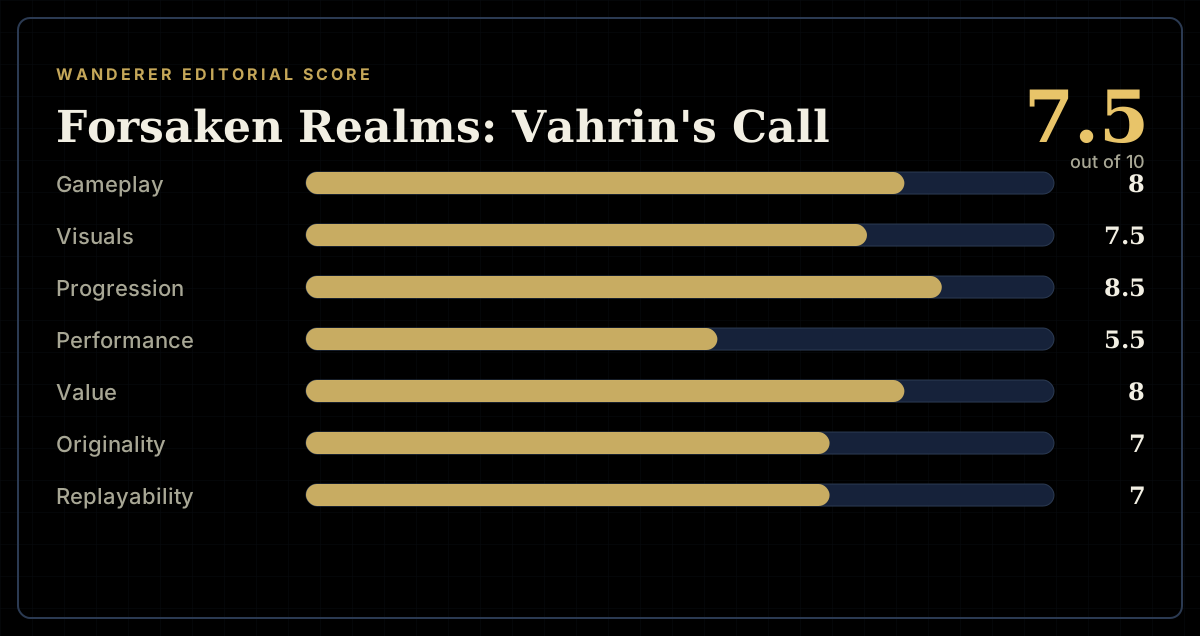
How the review scores each part of the gameWanderer Editorial -
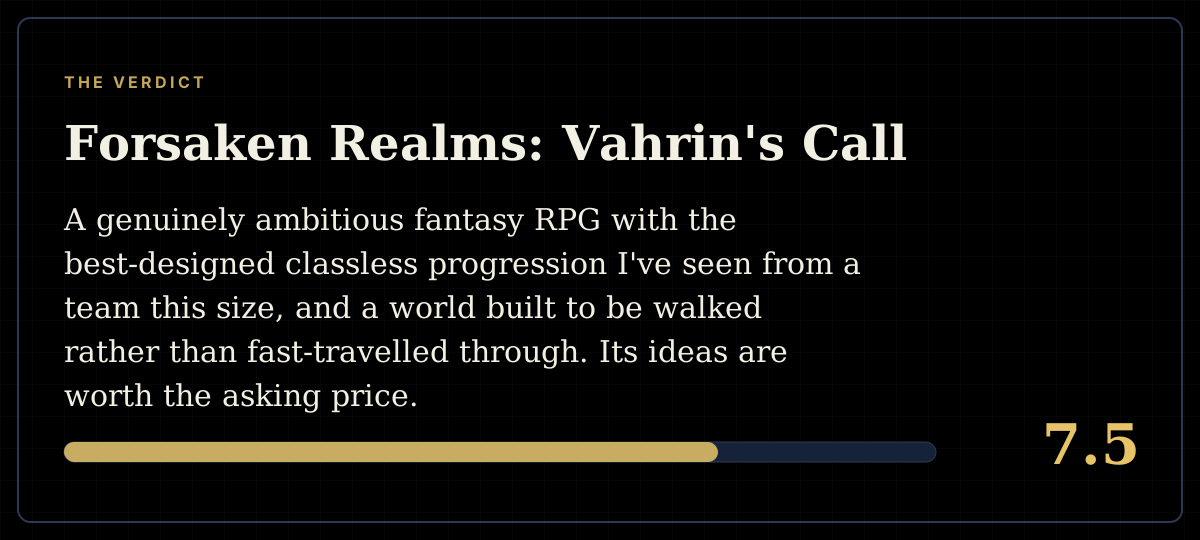
The short versionWanderer Editorial