Game review
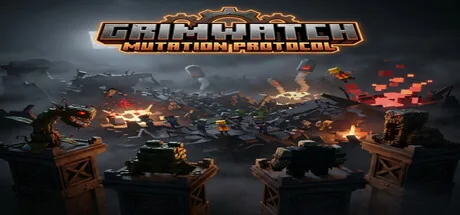
Grimwatch: Mutation Protocol
6.5 / 10
- Developer
- Blackmonkgaming
- Publisher
- Blackmonkgaming
- Released
- 1 May 2026
- Platforms
- Windows
- Genre
- Action, Adventure
- Monetisation
- Paid, one-time purchase.
- Players
- Single-player only.
The short version
Grimwatch: Mutation Protocol is a zombie tower-defense game from solo developer Blackmonkgaming, built around a distinctive twist: alongside traditional weapon towers, players can grow mutant, bio-weapon defenses that devour incoming hordes. Its small, entirely positive English review sample praises that mutation system and a satisfying, wave-based core loop, tempered by fair, corroborated complaints about clunky tower-upgrade and item-placement menus that need refinement.
Biggest strengths
- Praised repeatedly for its central mutation system, with multiple reviewers independently singling out the mix of traditional towers and organic, mutant defenses as the game's most distinctive and satisfying feature.
- Praised by several reviewers for genuine variety and replay value, citing a map that changes each playthrough, a deep unlock and achievement structure, and escalating enemy waves that force players to keep adapting their strategy.
- Praised for a fair price, low system requirements, and the presence of a free demo, with one reviewer explicitly urging others to "support indie devs."
Biggest weaknesses
- A fair, corroborated complaint from two independent reviewers is that core interface systems need an overhaul, specifically a tower-upgrade button that isn't properly integrated into the tower itself, and a trap and item placement system that requires exiting the map to select and manually place each one.
- A fair, corroborated complaint from two independent reviewers is that some menus and animations feel rough and unpolished, though both reviewers who raised the issue still recommended the game overall.
- This review's own check of Steam's global achievement data shows a steep drop-off from a 69.2 percent first-win rate down to single digits for harder, longer-session achievements, consistent with reviewer accounts of a game that's easy to get into but demands real strategic adaptation to push further.
Who it's for: Fans of tower-defense games who want a distinctive twist on the genre's usual formula and are willing to judge from a small review base; players who prioritise slick, frictionless menu design over raw gameplay variety should temper expectations.
Our recommendation: A distinctive, satisfying zombie tower-defense game with real strategic depth, undercut by rough menu and interface polish that a solo developer is likely still refining.
6.5 / 10
Zombie hordes, and defenses that grow rather than just shoot
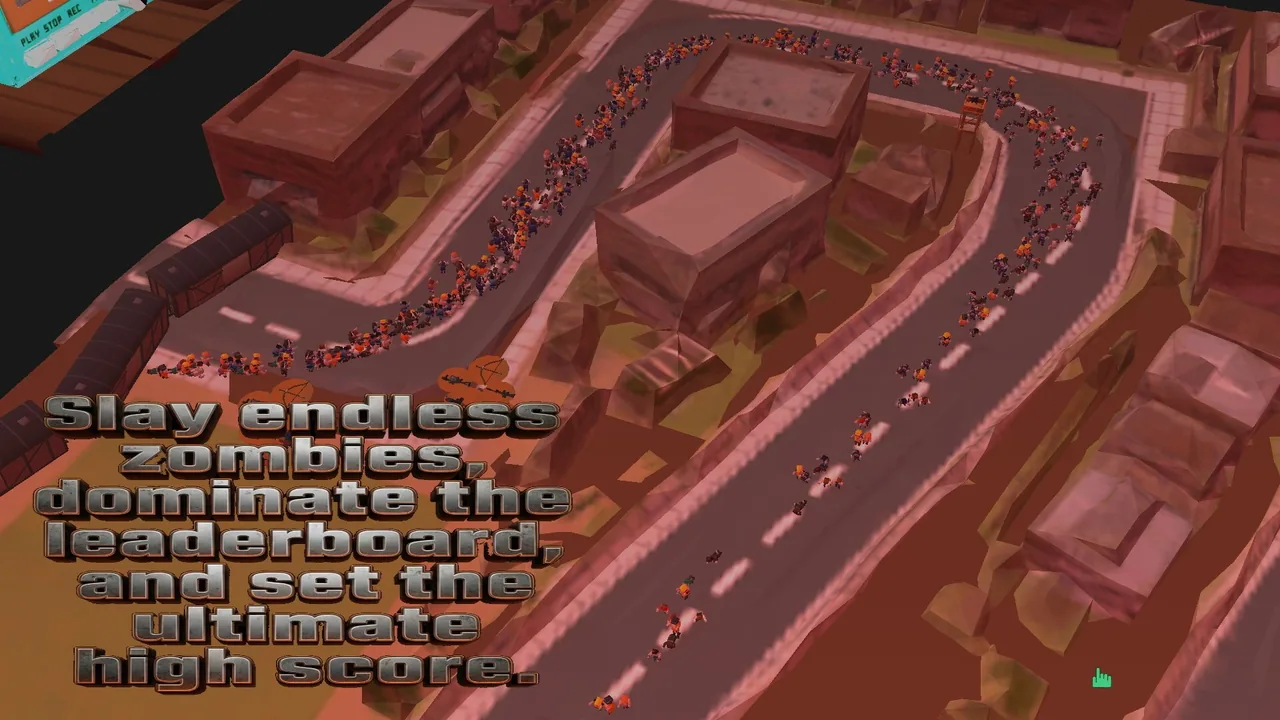
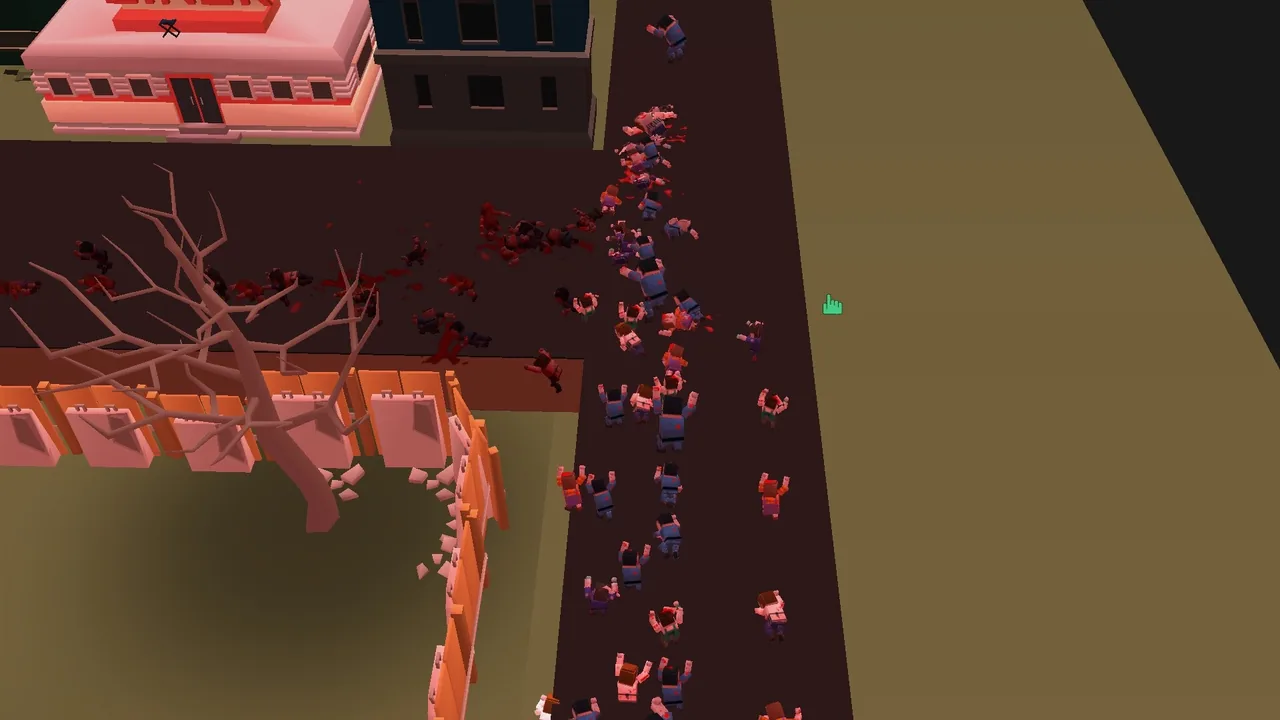
Grimwatch: Mutation Protocol is a zombie tower-defense game from solo developer Blackmonkgaming, tasking players with defending the last routes of survival against massive undead hordes by building armed defenses, blocking paths with wreckage, and unleashing experimental mutant towers that devour the enemy. This review draws on an English review sample, only 10 reviews at the time of research, all of them positive.
Praised for a genuinely distinctive mutation twist
Reviewers consistently single out the same feature as the game's strongest idea. "Instead of just placing normal towers and waiting, you also get to grow weird mutant defenses that absolutely shred zombie waves in the most entertaining way. Seeing giant hordes disappear because of a crazy setup you made never gets old," reads one detailed review. A separate reviewer independently reaches the same conclusion: "Blending standard firepower with living bio-weapons like carnivorous plants and mutant creatures keeps every run feeling fresh. Watching your organic defenses tear through massive undead hordes is ridiculously satisfying." A third reviewer agrees the mutation system is "probably my favorite part, and setting up defenses and watching everything get overwhelmed by huge zombie waves is really satisfying." This review treats that as fair: three independent reviewers, each describing the same specific hybrid tower system in their own words, converging on it as the game's standout feature is strong, corroborated evidence of a genuinely distinctive twist on a familiar genre.
Praised for variety, adaptability, and replay value
This review also found corroborated praise for the game's structure beyond its central mechanic. "The map also changes every time you play, so each playthrough will feel unique," reads one review. A separate reviewer independently praises the game's scaling difficulty and long-term goals: "There are plenty of things to unlock, tons of enemy waves to fight through, and the difficulty gets pretty challenging as you progress the waves. I also like the leaderboard and achievements, which give you some extra goals to work towards after playing through the main content." A third reviewer echoes the adaptability angle: "enemy waves scale up quickly, the game forces you to adapt your strategy on the fly instead of using the same safe layout every time." This review treats that as fair: multiple independent reviewers describing randomised maps, escalating difficulty, and meaningful unlock progression is credible, corroborated evidence of real structural depth beneath the game's central mutation hook.
A fair, corroborated complaint about clunky core menus
Set against that praise, this review found a specific, repeated complaint about interface friction. "Tower upgrades need some change, like to integrate upgrade button in the tower. Traps/Items cast/set system must be overhaul, right now you must go outside the map, click on item/trap and set it manually, which requires much time. It will be much better if there's a quick cast keys or be placed somewhere permanently on the screen for faster placement," reads one detailed review. A separate reviewer independently raises a related concern, noting "some of the menus feel a bit rough and could use some polish" even while still praising the underlying gameplay as "solid and enjoyable." This review treats that as fair: two independent reviewers, both otherwise positive, converging on the same underlying problem, core interaction systems that add friction rather than streamlining play, is credible, corroborated evidence of a rough but fixable interface issue typical of an early solo release.
A fair complaint about presentation polish
A smaller, related complaint touches on visual polish rather than interface design specifically. "The environments are well-designed, and the mutated enemies make every encounter feel exciting. While there are a few minor bugs and some animations could be smoother, the overall experience is enjoyable," reads one review. This review treats that as a fair, if more isolated, observation: a single detailed source flagging specific, minor technical rough edges within an otherwise strongly positive account, distinct in severity from the more heavily corroborated menu complaints above.
Achievement data suggests a steep skill and commitment curve
This review's own check of Steam's global achievement data shows 69.2 percent of players earning the game's first-win achievement, a comparatively high rate suggesting the core loop is genuinely accessible to newcomers. From there, however, completion drops sharply: only 7.6 percent of players reach either of two harder milestone achievements, and fewer still, under 4 percent, earn achievements tied to longer, higher-intensity matches. That steep drop-off is broadly consistent with reviewer accounts of a game that's easy to pick up but demands real strategic adaptation, through escalating waves and evolving defenses, to push meaningfully further, rather than a game whose difficulty curve is simply too steep for most players to get started at all.
A note on this review's small, entirely positive sample
This review draws on only 10 English reviews at the time of research, all of them positive, an unusually clean-sample base by the standards of this review's coverage. No negative reviews existed to weigh against the praise, so several of the complaints raised above come from within otherwise favourable reviews rather than from dedicated critical accounts. Given how small this sample is, this rating leans on the substance of the specific, corroborated interface complaints raised rather than on the reviews' uniformly positive formal verdicts, and should be read with some caution until a larger review base is available.
Final verdict
Grimwatch: Mutation Protocol is a zombie tower-defense game that earns real, corroborated credit for a genuinely distinctive mutation twist and meaningful structural variety, both repeatedly and independently praised across its small review sample. That credit is tempered by a fair, corroborated complaint about clunky tower-upgrade and item-placement menus that add unnecessary friction to an otherwise satisfying core loop, alongside smaller, more isolated notes on visual polish. For fans of tower-defense games who want a distinctive twist on the genre's usual formula and can tolerate some interface roughness from a solo developer, it's a strong pickup worth trying via its free demo; players who prioritise slick, frictionless menu design above all else should temper expectations.
Pros and cons
Pros
- Praised repeatedly for its central mutation system, with multiple reviewers independently singling out the mix of traditional towers and organic, mutant defenses as the game's most distinctive and satisfying feature.
- Praised by several reviewers for genuine variety and replay value, citing a map that changes each playthrough, a deep unlock and achievement structure, and escalating enemy waves that force players to keep adapting their strategy.
- Praised for a fair price, low system requirements, and the presence of a free demo, with one reviewer explicitly urging others to "support indie devs."
Cons
- A fair, corroborated complaint from two independent reviewers is that core interface systems need an overhaul, specifically a tower-upgrade button that isn't properly integrated into the tower itself, and a trap and item placement system that requires exiting the map to select and manually place each one.
- A fair, corroborated complaint from two independent reviewers is that some menus and animations feel rough and unpolished, though both reviewers who raised the issue still recommended the game overall.
- This review's own check of Steam's global achievement data shows a steep drop-off from a 69.2 percent first-win rate down to single digits for harder, longer-session achievements, consistent with reviewer accounts of a game that's easy to get into but demands real strategic adaptation to push further.
- This review's own assessment notes the sample here is small, only 10 English reviews at the time of research, and entirely positive, so this rating leans on the substance of specific complaints raised within otherwise favourable reviews rather than on any negative verdicts.
Screenshots
-
Grimwatch: Mutation ProtocolImage: Blackmonkgaming via Steam -
Grimwatch: Mutation ProtocolImage: Blackmonkgaming via Steam -
Grimwatch: Mutation ProtocolImage: Blackmonkgaming via Steam -
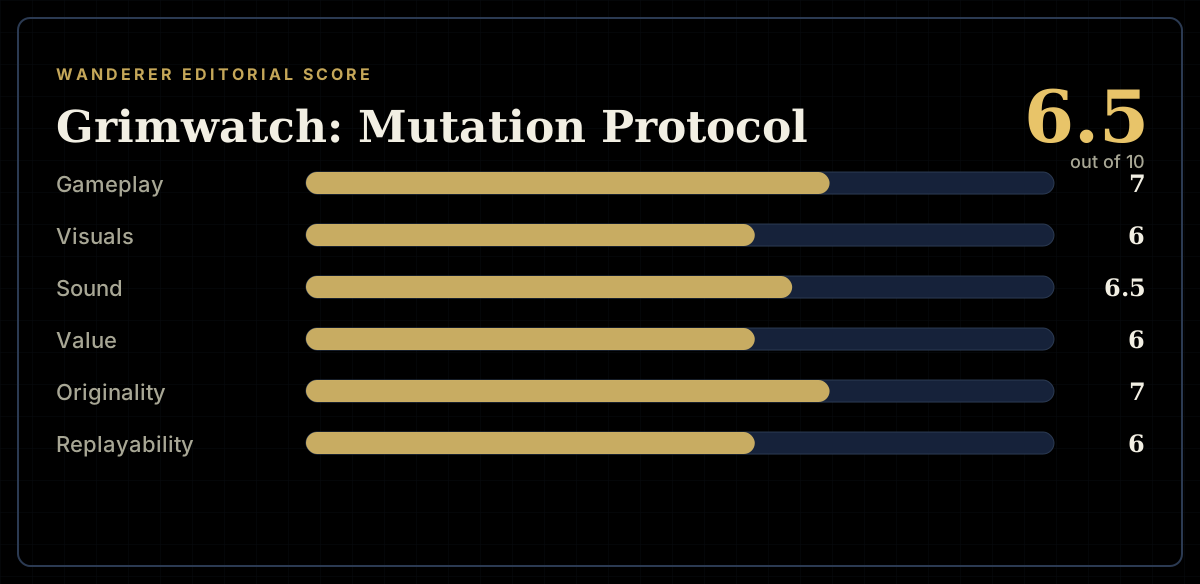
How the review scores each part of the gameWanderer Editorial -
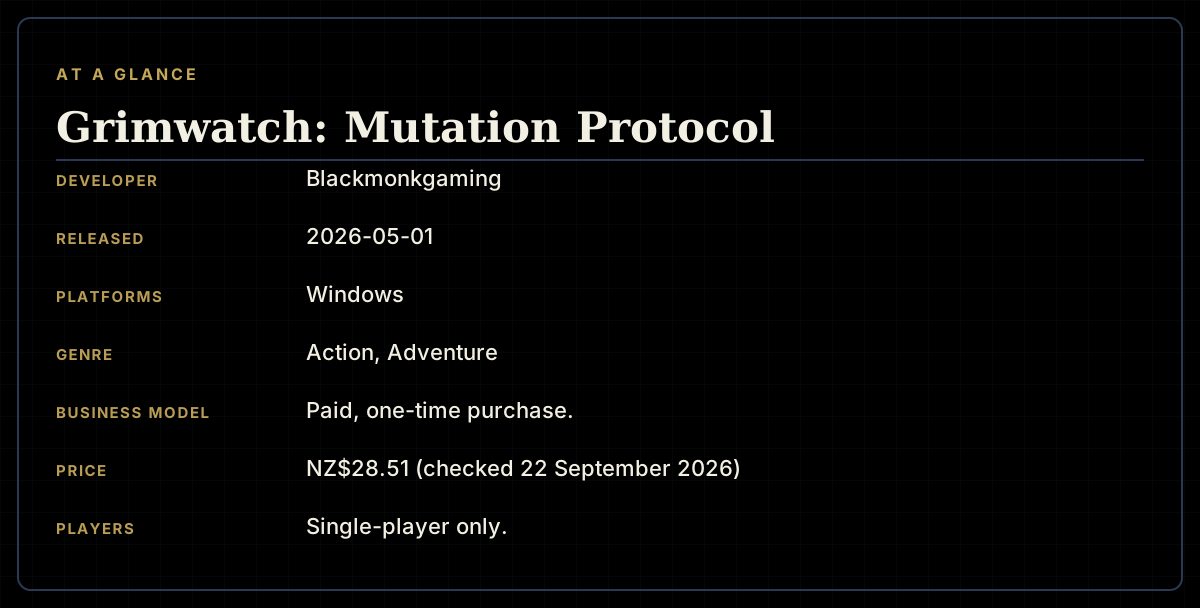
The specs at a glanceWanderer Editorial -
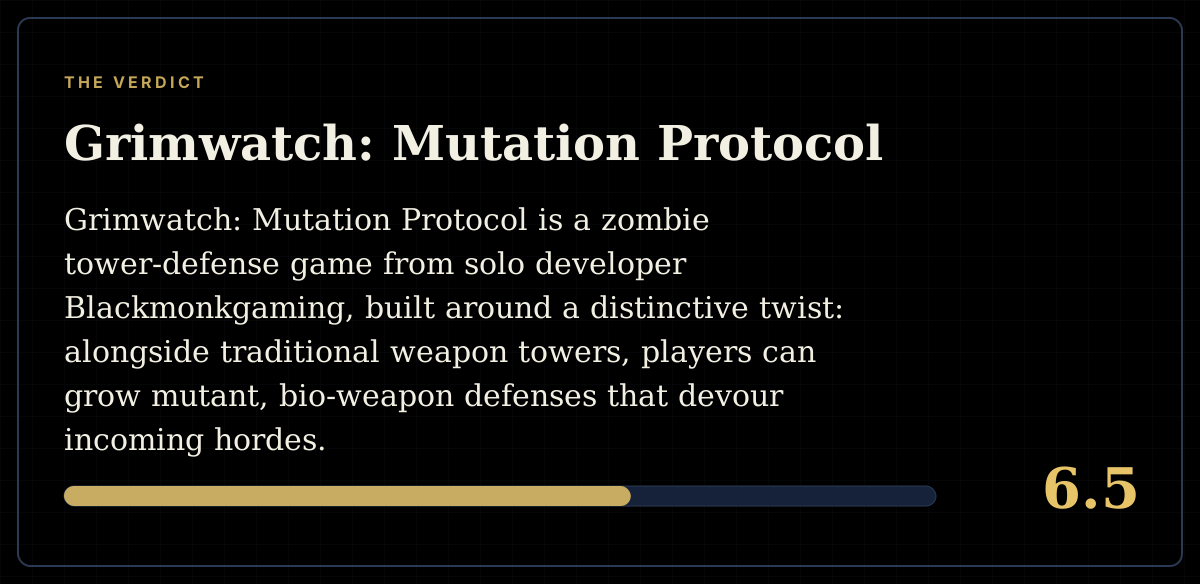
The short versionWanderer Editorial