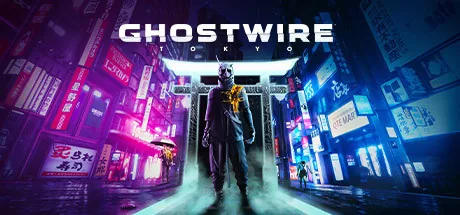
Game review
Ghostwire: Tokyo
6.5 / 10
- Developer
- Tango Gameworks
- Publisher
- Bethesda Softworks
- Released
- 25 March 2022
- Platforms
- Windows
- Genre
- Action Adventure
- Monetisation
- Full premium purchase, with a Deluxe Upgrade and a free prequel visual novel, "Prelude"; no in-app purchases or premium currency; developer Tango Gameworks was closed by Microsoft in June 2024 before being acquired and revived by Krafton that August, a history this publication has documented in full in its review of the studio's other game, Hi-Fi RUSH
- Players
- None. Single-player only, with no leaderboard, co-op or shared-progress feature
The short version
Ghostwire: Tokyo sends Akito, possessed by the spirit KK, through a Tokyo emptied of its population by a supernatural fog, using elemental magic to fight the hostile spirits that remain. Very Positive across more than 20,000 Steam reviews, the review sample consistently, specifically credits the game's Tokyo itself as a genuine achievement: "It is one of the most 'lived-in' feeling cities I've seen in a game," one review states, despite the setting's deliberate lack of any living NPCs. What tempers that praise is a real, remarkably consistent complaint recurring across the sample: combat and side content that reviewer after reviewer independently describes as repetitive, built around a small handful of enemy types and formulaic fetch quests. This review can also confirm a real, specific, and unusual controversy distinct from anything else in this genre: Bethesda added Denuvo DRM to Ghostwire: Tokyo on 12 April 2023, bundled inside what the developer's own update was framed as free content — a full year after the game had originally launched, and shipped, without any DRM at all. "Adding Denuvo a year after release and after many of your customers already paid for it is so dumb and a pathetic move," one widely-endorsed review states, a complaint corroborated by numerous independent reviewers describing genuine, specific performance degradation — stutters, increased CPU load and crashes — following that update.
Biggest strengths
- Tokyo itself draws remarkably consistent, specific praise as a genuinely dense, detailed and atmospheric recreation, with reviewers repeatedly describing specific streets and locations as recognisable and lived-in
- Visual presentation and enemy design draw sustained, independent credit as genuinely striking, even from reviewers who land on more mixed overall verdicts
- The elemental combat system draws some real, specific praise for feeling fresh in its opening hours, before the repetition complaint sets in for most reviewers
Biggest weaknesses
- A real, remarkably consistent complaint describes combat and side content as repetitive, independently attributed by many reviewers to a small handful of enemy types and formulaic fetch quests padding out an otherwise striking open world
- This review can confirm a real, specific, dateable controversy: Bethesda added Denuvo DRM to the game on 12 April 2023, a full year after its original Denuvo-free launch, bundled inside a nominally free content update
- Multiple independent reviewers describe specific, severe performance degradation directly following that DRM addition, including stutters, increased CPU load and crashes not present at launch, with no removal announcement found in the developer's subsequent communications
Who it's for: Atmospheric open-world fans drawn specifically to Tokyo as a setting, with real, documented caveats around repetitive combat and a genuine, still-unresolved performance regression tied to post-launch DRM.
Our recommendation: A genuinely striking, atmospheric recreation of Tokyo let down by repetitive combat and a real, specific, unusual DRM controversy — worth playing for the setting alone, ideally at a discount and with performance expectations adjusted accordingly.
6.5 / 10
Ghostwire: Tokyo, released 25 March 2022, sent Tango Gameworks — the studio this publication has separately documented was closed by Microsoft in 2024 before being revived by Krafton — into first-person supernatural action set across a genuinely striking recreation of Tokyo. Very Positive across more than 20,000 Steam reviews, the game's reception splits cleanly into real, specific praise for its setting and a real, remarkably consistent complaint about what fills that setting — plus a genuinely unusual, verifiable controversy this review can confirm directly.
A genuinely striking, atmospheric recreation of Tokyo
The review sample's praise for Ghostwire: Tokyo's setting is specific and consistent rather than generic open-world enthusiasm. "The world is very detailed, and is reminiscent of Shibuya. My first thought was... wow, that's the side street I went down to that hot pot place I hated that my friend took me to," one detailed review states, describing genuine, specific recognition of real Tokyo geography. Another frames the achievement precisely, despite the game's deliberate absence of any living human NPCs: "Despite the lack of NPCs it is one of the most 'lived-in' feeling cities I've seen in a game." Visual presentation and enemy design draw sustained, independent credit throughout the sample, with even reviewers landing on more mixed overall verdicts consistently crediting the game's specific, striking art direction.
A real, remarkably consistent complaint about repetition
What tempers that praise is a structural complaint recurring with real consistency across the sample. "Everything is repetitive and from what I experienced all the side quests are fetch quests," one review states plainly, while another names the specific mechanism: "You need to clear combat encounters a lot if you want to make any meaningful progression in the collectathon nature of the game, and the combat is incredibly shallow." A third reviewer, having completed the game to 100%, frames the tension directly: "It's clear a lot of effort went into making it visually striking. But because of the narrative choice to have no living NPCs," the world ultimately "feels empty" once the initial atmosphere wears off. That specificity — independent reviewers converging on the same structural complaint about a small enemy roster and formulaic side content — recurs often enough to treat as the sample's clearest, load-bearing finding about where the game falls short of its own visual ambition.
A real, specific, unusual DRM controversy this review can confirm
Separate from design criticism, this review can confirm a genuine, specific, and unusual controversy directly from the developer's own patch communications. Ghostwire: Tokyo originally launched on 25 March 2022 without any DRM protection. This review can confirm that on 12 April 2023 — a full year later — Bethesda's own update notes show Denuvo DRM was added to the game, bundled inside the free "Spider's Thread" content update. "Adding Denuvo a year after release and after many of your customers already paid for it is so dumb and a pathetic move even for a greedy company such as Bethesda. Free content update my a**, instead you just downgraded the game," one widely-endorsed review states, capturing the specific grievance precisely: this wasn't standard launch-day protection, but DRM retroactively added to a product customers had already purchased DRM-free. Multiple independent reviewers corroborate real, specific technical consequences: "They added Denuvo, now the game runs badly, FPS crashes, Crash to Desktop errors," one states, while another, with 45 hours invested, reports the game becoming "borderline unplayable" with "micro stutters noticeable enough to put the game down for good" following the update. This review checked the developer's subsequent communications and found no announcement of Denuvo's removal — unlike the same studio's other game, Hi-Fi RUSH, which this review has separately confirmed had its own Denuvo protection removed in January 2026 under Krafton's revived ownership.
Where this leaves a buyer
At NZ$119.95, discounted to roughly $30 at the time of writing, Ghostwire: Tokyo delivers a genuinely striking, atmospheric recreation of its setting this review's sample credits consistently and specifically, even as it recurringly describes the gameplay filling that setting as repetitive well before the campaign's end. The honest, necessary context this review can confirm directly concerns a real, specific, and genuinely unusual business decision: DRM added a full year after a Denuvo-free launch, with real, independently corroborated performance consequences and no confirmed removal since. Players drawn specifically to Tokyo as a setting, and willing to accept combat that several reviewers describe growing thin, are likely to find real value here, particularly at a discount. Players sensitive to DRM-related performance issues should know, with direct confirmation rather than speculation, exactly when and how this specific game's protection was added — and that, as of this review, it remains in place.
Pros and cons
Pros
- Tokyo itself draws remarkably consistent, specific praise as a genuinely dense, detailed and atmospheric recreation, with reviewers repeatedly describing specific streets and locations as recognisable and lived-in
- Visual presentation and enemy design draw sustained, independent credit as genuinely striking, even from reviewers who land on more mixed overall verdicts
- The elemental combat system draws some real, specific praise for feeling fresh in its opening hours, before the repetition complaint sets in for most reviewers
- Tango Gameworks sustained real seasonal content investment for over a year post-launch, with free thematic updates tied to real Japanese festivals like Tanabata and Obon
Cons
- A real, remarkably consistent complaint describes combat and side content as repetitive, independently attributed by many reviewers to a small handful of enemy types and formulaic fetch quests padding out an otherwise striking open world
- This review can confirm a real, specific, dateable controversy: Bethesda added Denuvo DRM to the game on 12 April 2023, a full year after its original Denuvo-free launch, bundled inside a nominally free content update
- Multiple independent reviewers describe specific, severe performance degradation directly following that DRM addition, including stutters, increased CPU load and crashes not present at launch, with no removal announcement found in the developer's subsequent communications
- A related, specific PC port complaint describes mouse sensitivity being tied to framerate and forced mouse acceleration with no in-game option to disable it
Screenshots
-
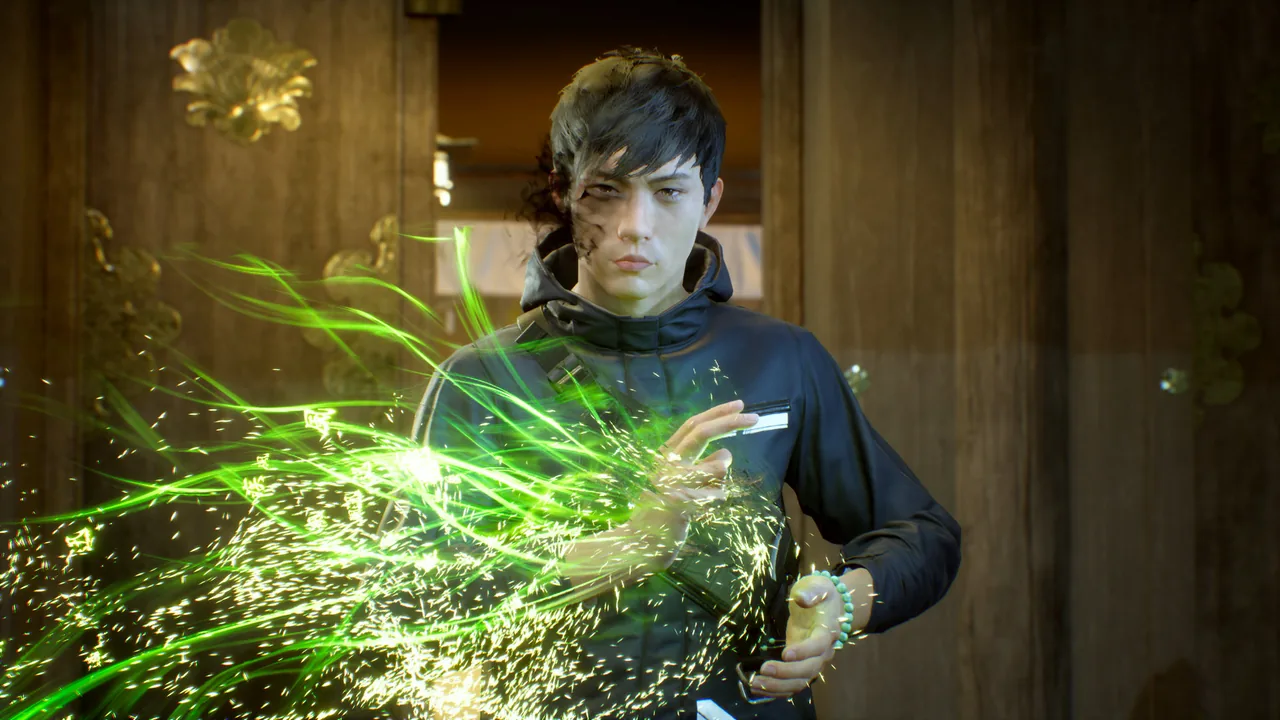
Ghostwire: TokyoImage: Bethesda Softworks via Steam -
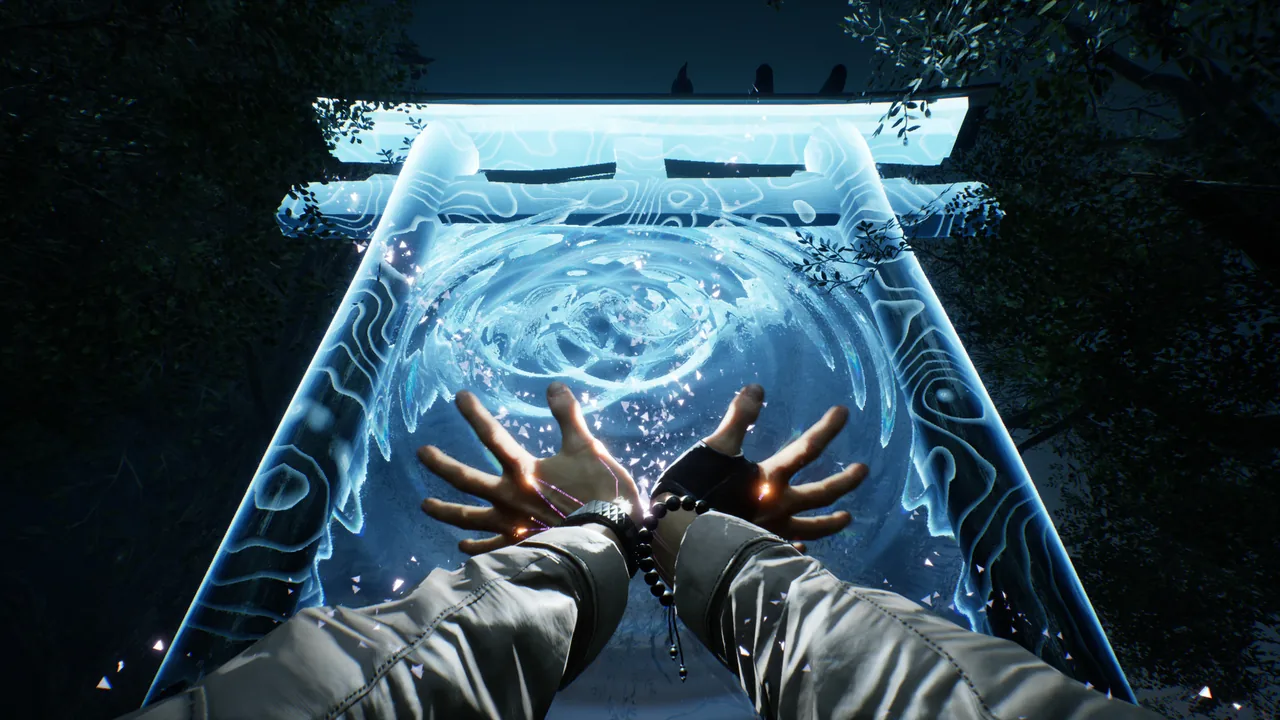
Ghostwire: TokyoImage: Bethesda Softworks via Steam -
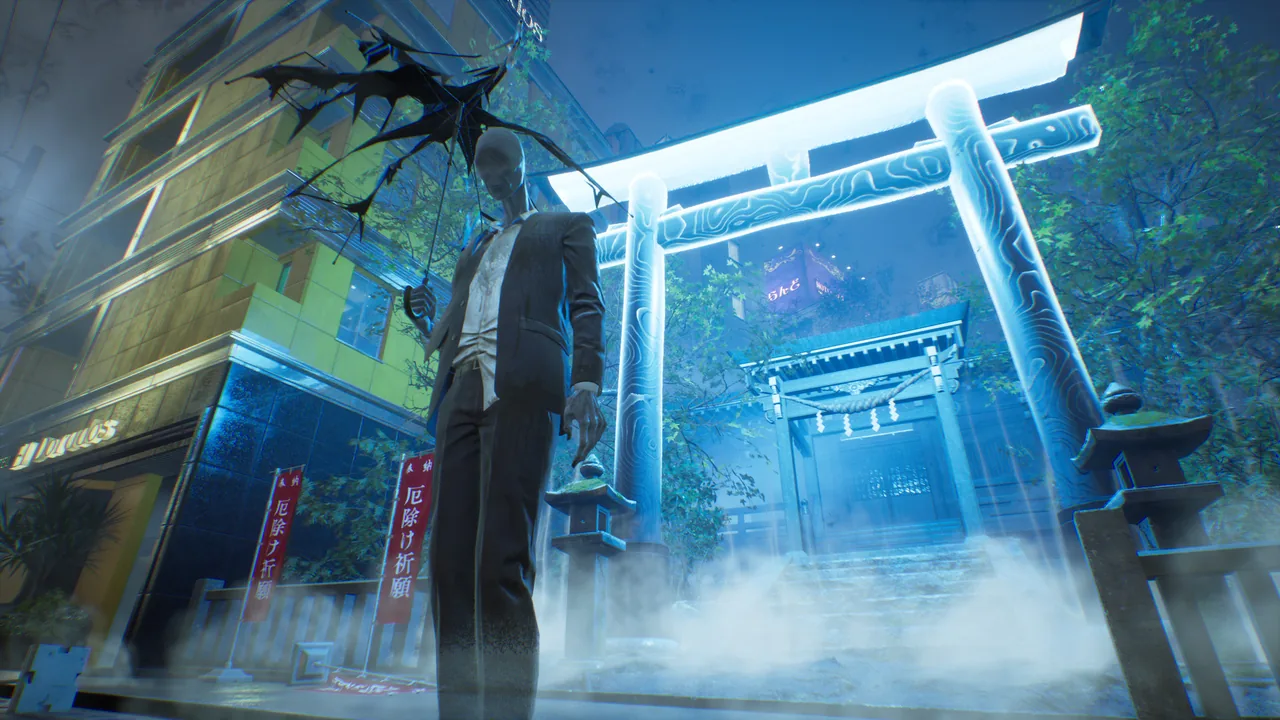
Ghostwire: TokyoImage: Bethesda Softworks via Steam -
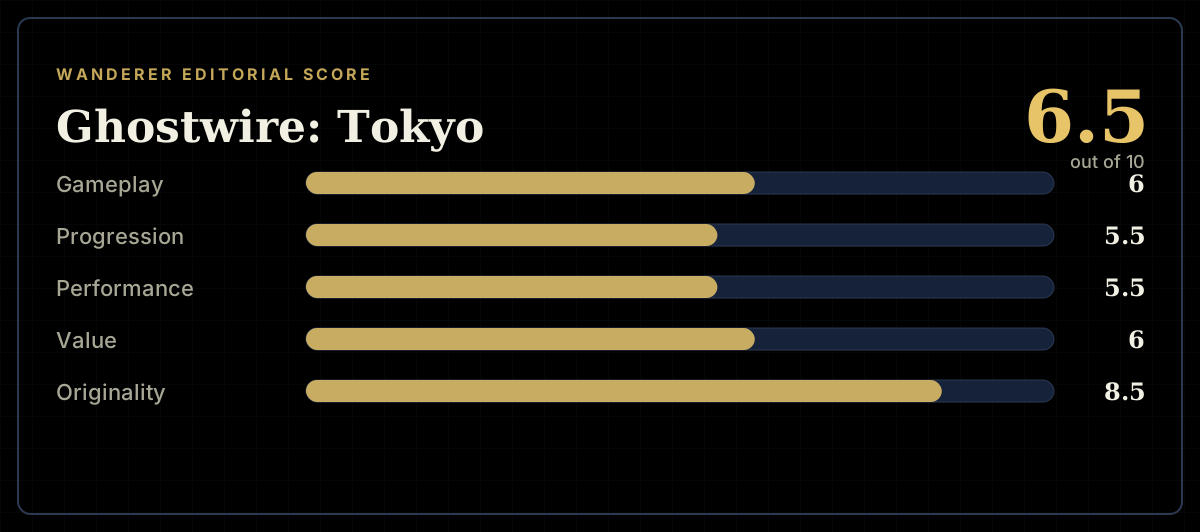
How the review scores each part of the gameWanderer Editorial -
The short versionWanderer Editorial