Game review
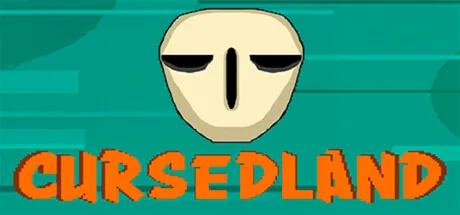
Cursedland
2.5 / 10
- Developer
- CSStudios
- Publisher
- CSStudios
- Released
- 15 May 2025
- Platforms
- Windows
- Genre
- Action, Adventure, Casual, Indie
- Monetisation
- Premium, one-time purchase. No microtransactions.
- Players
- Single-player only.
The short version
Cursedland is a budget-priced 2D precision platformer from solo developer CSStudios, built around Mario-style head-stomp combat, hidden routes, and a level-select unlock system. Its price is low enough that a handful of reviewers genuinely enjoyed it as a scrappy, charmingly rough experiment, but a much larger, heavily corroborated share of the review sample argues the game should not have been listed for sale at all in its current state, pointing to undisclosed AI-generated code and music, broken and unreliable achievements, controller support that requires restarting after every death, and at least one documented bug that can leave a run permanently unwinnable.
Biggest strengths
- A small minority of reviewers genuinely enjoyed the game's soundtrack and premise, with one reviewer calling it "Game of the Year and strong contender for best soundtrack," and another describing it as "super cute" with "some rough edges but as a devs early work its very impressive."
- At its very low asking price, several reviewers frame it charitably as reasonable value for what it is, with one writing "for a free game or even the 1 dollar, it's a nice little game," acknowledging its rough execution without treating that as disqualifying.
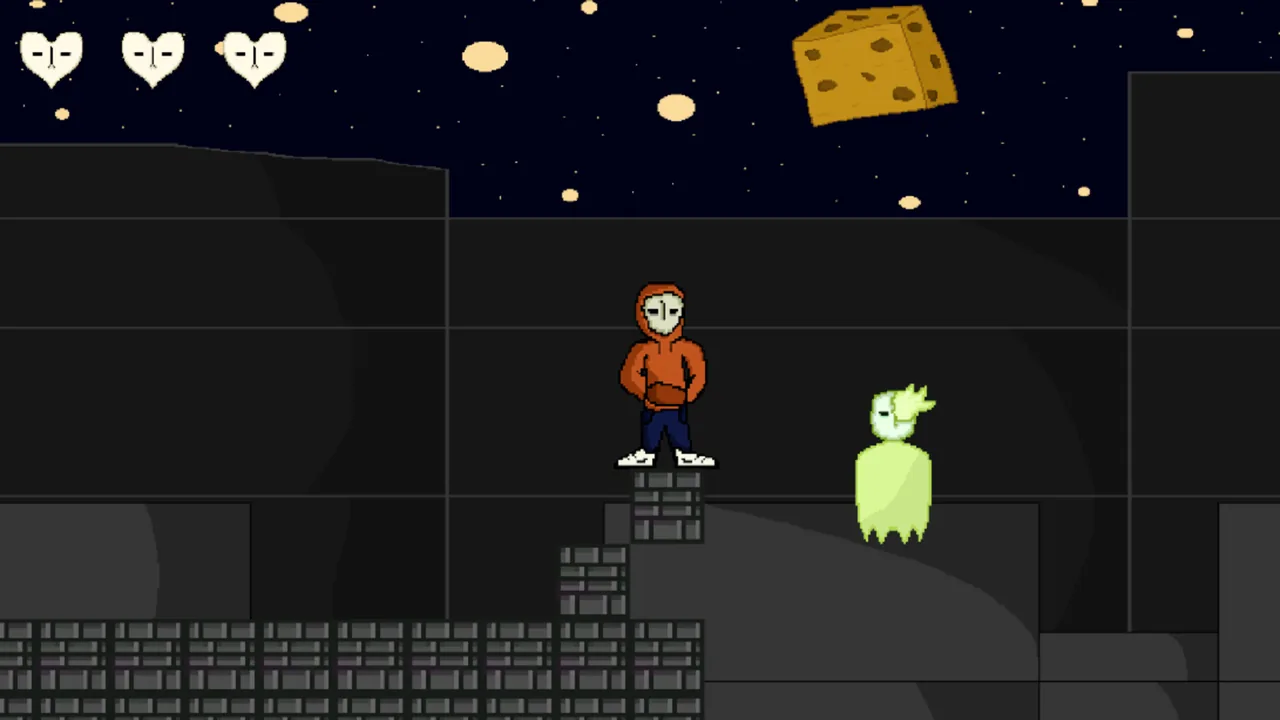
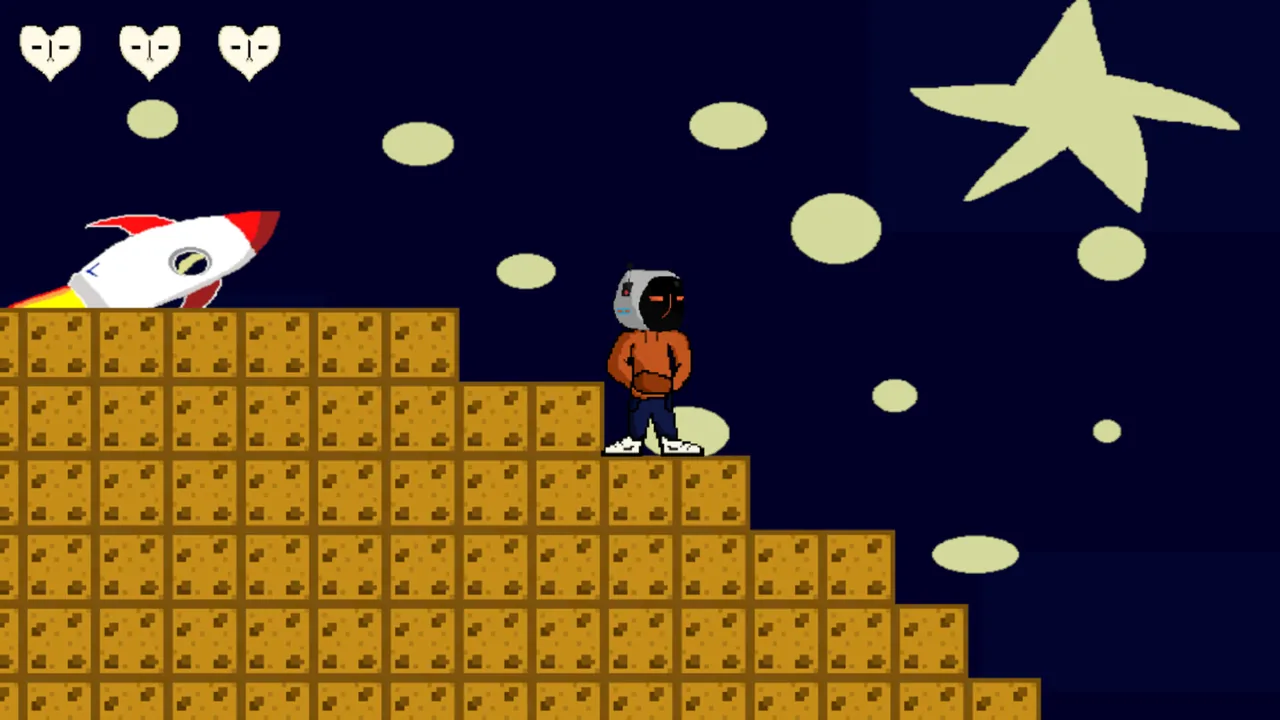
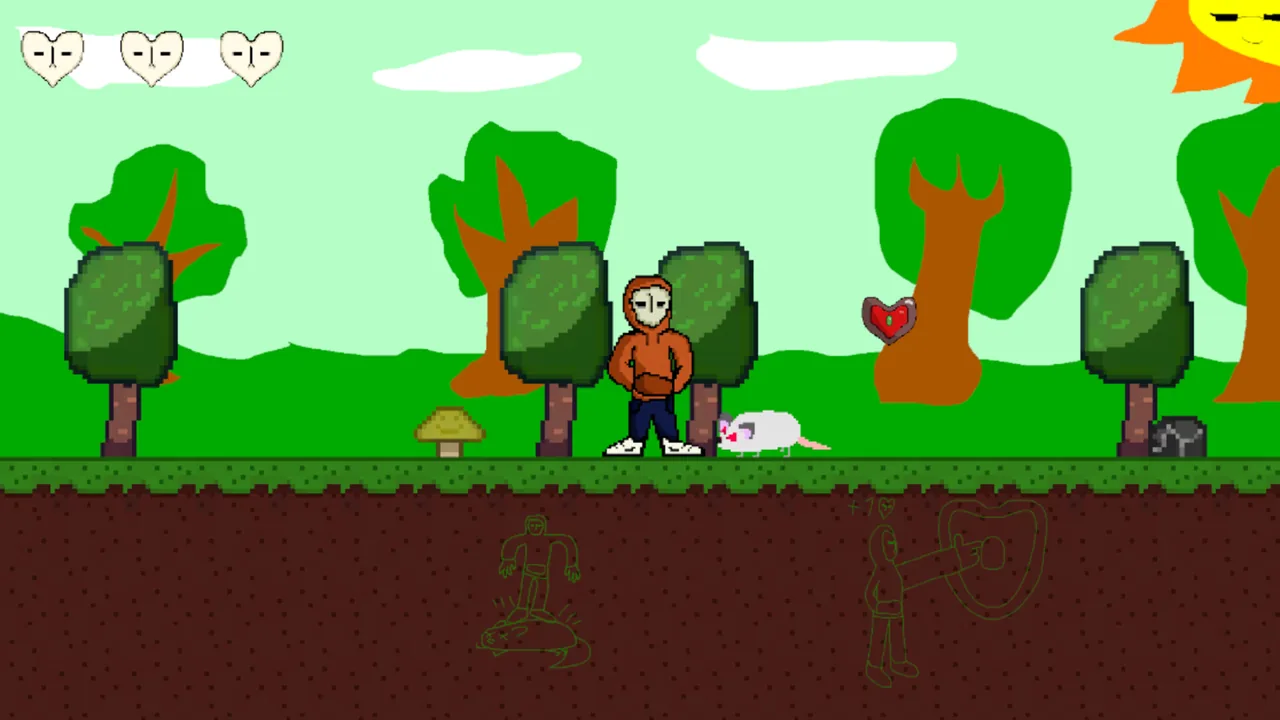
- The core Mario-inspired head-stomp platforming mechanic works as intended for players who complete it, with one reviewer noting hidden alternate routes add a layer of light replay incentive, alongside an unlockable level-select feature.
Biggest weaknesses
- The single most damaging, heavily corroborated complaint concerns undisclosed AI-generated content, with one reviewer reporting "when you finish the game it says chatGPT was used to code the game," adding "nowhere on the store page does it say AI was used," a disclosure failure echoed independently across dozens of the sample's most-upvoted negative reviews.
- A second, equally corroborated complaint concerns broken and unreliable achievements, with the same reviewer separately noting "broken Achievements" and a bug where falling down a hole that should have killed the player instead trapped them, "the only fix is reset," which "can't be done with controller."
- A third, serious complaint concerns the game's fundamental readiness for sale, with the most-upvoted review in the entire sample, by an overwhelming margin, arguing bluntly that "there was nothing here I didn't manage to do in high school on a 4 hour graded test," and that Steam should not become "a trash dump full of games that were me[a]nt as a test or a demo."
Who it's for: Only for players specifically curious about rough, openly experimental first-time developer projects and willing to tolerate broken achievements and possible game-breaking bugs; anyone expecting a finished, polished platformer, even a budget one, should look elsewhere.
Our recommendation: A student-project-grade platformer whose game-breaking bugs, broken achievements, and undisclosed AI-generated content outweigh its low asking price and occasional scrappy charm.
2.5 / 10
A school project sold as a finished game
Cursedland, released 15 May 2025 by solo developer CSStudios, presents itself on its store page as "a 2D indie action platformer where every jump, movement, and decision truly matters," promising precision, reflexes, and mastery wrapped in "chaos, humor, and surreal surprises." What the store page does not mention, according to an overwhelming and heavily corroborated share of the game's own review sample, is that both its code and its music were generated using AI tools, and that the developer has openly described the project as a school assignment. One reviewer reports discovering this directly from the game itself: "when you finish the game it says chatGPT was used to code the game," adding pointedly, "nowhere on the store page does it say AI was used, my understanding is you need to tell people if it was." That same disclosure gap is raised independently across a large number of the sample's most-upvoted negative reviews, several of which specifically credit the game's broken, unpolished feel to that undisclosed AI involvement.
The single most-upvoted review in the entire sample, by a very wide margin over every other review on either side, frames the core problem not as a matter of AI specifically but of readiness for a storefront at all. That reviewer writes there "was nothing here I didn't manage to do in high school on a 4 hour graded test," acknowledging the effort involved while arguing plainly that Steam should not become "a trash dump full of games that were meant as a test or a demo or a learning experience for the developer." That sentiment, articulated at length and upvoted far beyond anything else in the sample, sets the tone for how the large majority of the review base has responded to the game's existence as a commercial product rather than a portfolio piece.
Broken by design, not just by bugs
Beyond the disclosure concerns, reviewers report the game simply does not function reliably even on its own terms. The same detailed negative review cataloguing the AI-coding admission also lists a cluster of specific, functional problems: "slow move speed," "broken Achievements," and controller support so incomplete that players "need to reset after each death with keyboard." Most seriously, that reviewer documents falling through a hole that should have killed their character but instead trapped them in an unrecoverable state, noting "the only fix is reset that cant be done with controller," a genuinely game-breaking bug for anyone playing without easy access to a keyboard reset.
Multiple other reviewers independently confirm the broken-achievements problem specifically, a detail that recurs often enough across unrelated reviews to read as a systemic issue rather than an isolated account. One reviewer separately notes "achievements didn't pop" among a short list of complaints that also includes flatly calling the game "AI music AI coding... a slop game," while a further reviewer, more sympathetic overall, still concedes "the only reason it gets a thumbs down is the use of AI," specifically rejecting the developer's stated justification of "limited resources" as an excuse for using AI-generated music and code without disclosure.
A small, genuine minority still found something to like
It would be inaccurate to characterize the entire review sample as uniformly hostile. A meaningful minority of reviewers, some clearly aware of the game's rough, first-project origins, extend real charity toward it. One reviewer calls it "Game of the Year and strong contender for best soundtrack," a claim clearly made with tongue in cheek but genuine enthusiasm behind it, while another more measured review states "super cute game. Interesting premise... There are some rough edges but as a devs early work its very impressive." A further reviewer frames the value proposition specifically around the game's extremely low price, arguing "for a free game or even the 1 dollar, it's a nice little game," a framing that at least engages honestly with what the game actually is rather than judging it against full-priced competitors.
That said, even reviewers landing on the positive side of the ledger consistently temper their praise with acknowledgment of the game's origins as a practice or class project rather than a commercial release, and several explicitly frame their recommendation around low expectations rather than genuine polish. The gap between that small, forgiving minority and the much larger, specifically documented block of complaints about disclosure, broken achievements, and game-breaking bugs is wide enough that it cannot be dismissed as ordinary genre-taste variation.
The community discussion surrounding the game adds a further, somewhat unusual layer to the picture, one reviewer describes watching the developer respond directly and defensively to criticism within the Steam discussions, reporting the developer explained the use of AI-generated music by stating "I don't know how to make music," having similarly relied on AI tools for visual art and coding rather than developing those skills independently. That same reviewer notes the developer subsequently pushed back on a critic who separately praised the soundtrack specifically, in a back-and-forth the reviewer summarizes as illustrative of "what happens with modern game world" broadly, developers leaning entirely on generative AI tools to cover skill gaps across every discipline of a project, then bristling when reviewers call that gap out directly rather than treating it as incidental. Whatever one's view of AI-assisted development in principle, the specific complaint raised repeatedly here is narrower and harder to dismiss: the store page gave prospective buyers no indication that AI had been used at all, a disclosure failure that sits independently of, and compounds, the game's more conventional bugs and broken systems.
Verdict
Cursedland is not simply a rough or unambitious indie platformer, the kind that a harsh score alone would be unfair to; it is, by the overwhelming and specific account of its own review sample, a student project sold commercially without disclosing its AI-generated code and music, shipping with broken achievements and at least one documented bug capable of permanently trapping a player's run. Its extremely low price and a small number of genuinely charitable reviews keep it from being a total write-off, but the scale and specificity of the corroborated complaints here go well beyond ordinary early-access rough edges, and the score reflects that.
Pros and cons
Pros
- A small minority of reviewers genuinely enjoyed the game's soundtrack and premise, with one reviewer calling it "Game of the Year and strong contender for best soundtrack," and another describing it as "super cute" with "some rough edges but as a devs early work its very impressive."
- At its very low asking price, several reviewers frame it charitably as reasonable value for what it is, with one writing "for a free game or even the 1 dollar, it's a nice little game," acknowledging its rough execution without treating that as disqualifying.
- The core Mario-inspired head-stomp platforming mechanic works as intended for players who complete it, with one reviewer noting hidden alternate routes add a layer of light replay incentive, alongside an unlockable level-select feature.
Cons
- The single most damaging, heavily corroborated complaint concerns undisclosed AI-generated content, with one reviewer reporting "when you finish the game it says chatGPT was used to code the game," adding "nowhere on the store page does it say AI was used," a disclosure failure echoed independently across dozens of the sample's most-upvoted negative reviews.
- A second, equally corroborated complaint concerns broken and unreliable achievements, with the same reviewer separately noting "broken Achievements" and a bug where falling down a hole that should have killed the player instead trapped them, "the only fix is reset," which "can't be done with controller."
- A third, serious complaint concerns the game's fundamental readiness for sale, with the most-upvoted review in the entire sample, by an overwhelming margin, arguing bluntly that "there was nothing here I didn't manage to do in high school on a 4 hour graded test," and that Steam should not become "a trash dump full of games that were me[a]nt as a test or a demo."
Screenshots
-
CursedlandImage: CSStudios via Steam -
CursedlandImage: CSStudios via Steam -
CursedlandImage: CSStudios via Steam -
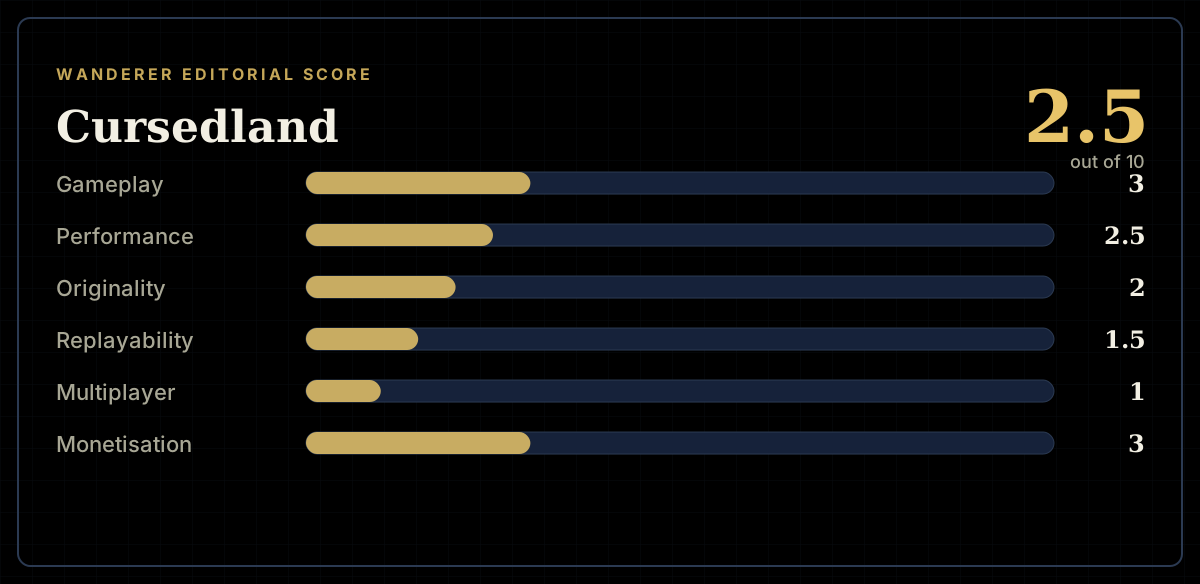
How the review scores each part of the gameWanderer Editorial -
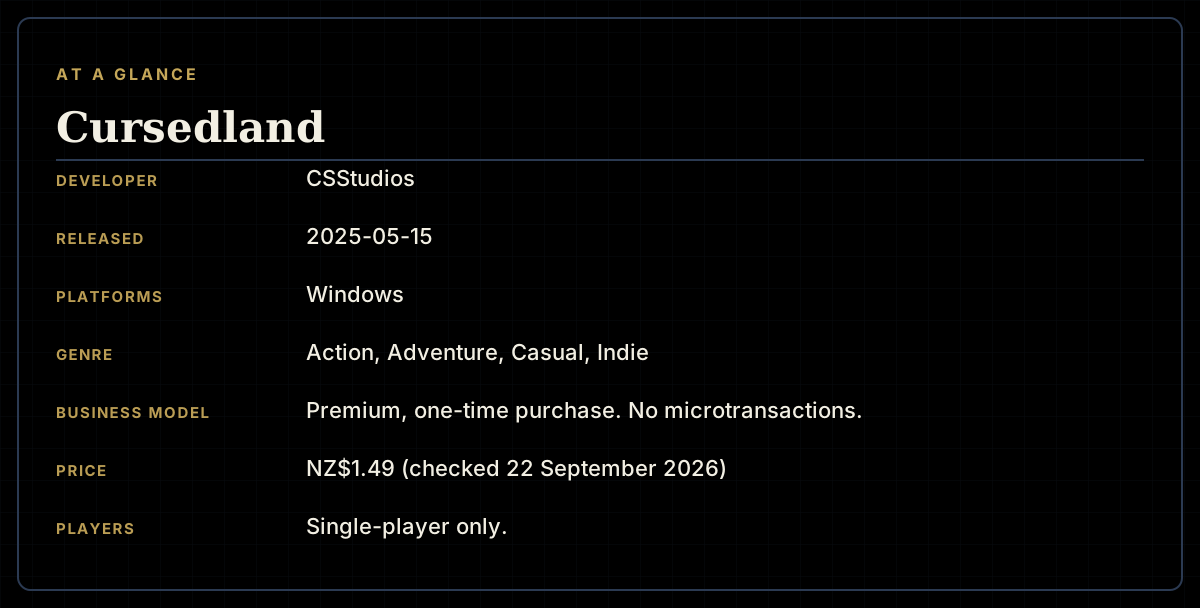
Key facts at a glanceWanderer Editorial -
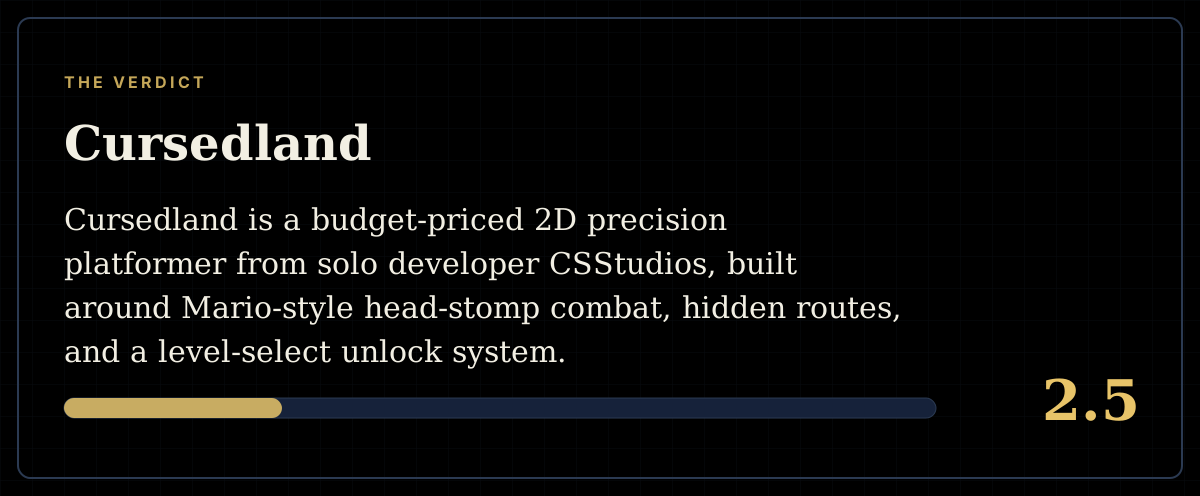
The short versionWanderer Editorial