Game review
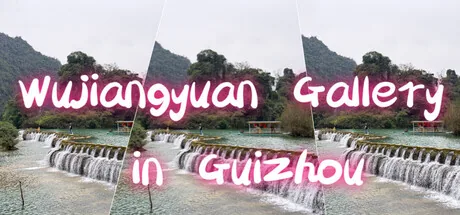
Wujiangyuan Gallery in GuiZhou
3.4 / 10
- Developer
- hgmGame
- Publisher
- hgmGame
- Released
- 31 March 2026
- Platforms
- Windows
- Genre
- Casual
- Monetisation
- Premium
- Players
- Single-player
The short version
Wujiangyuan Gallery in GuiZhou is a $0.99 game from developer and publisher hgmGame, released 31 March 2026, a single-mechanic sliding-tile puzzle that reassembles one photograph of the Wujiangyuan gallery region in GuiZhou over and over. This review's tiny, unanimous 2-review sample confirms the core mechanic works, but finds essentially nothing else to the game beyond that one loop, and flags a specific, credible bug report about broken puzzle generation.
Biggest strengths
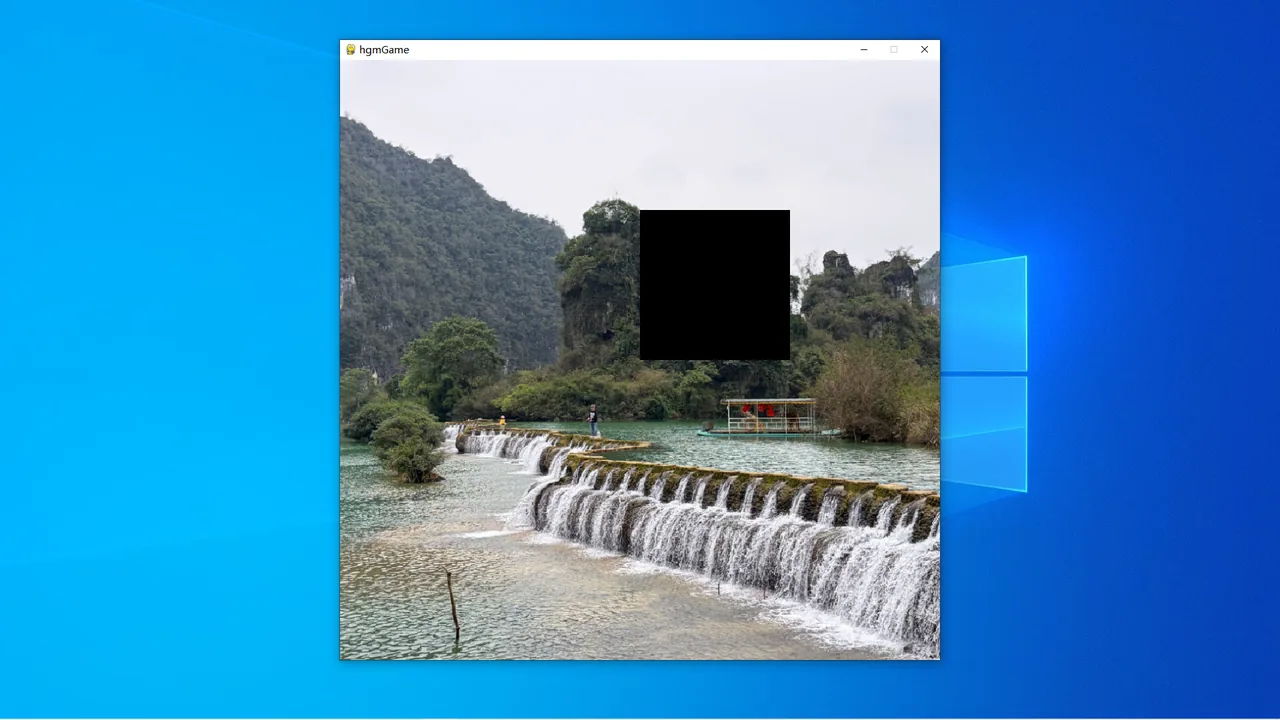
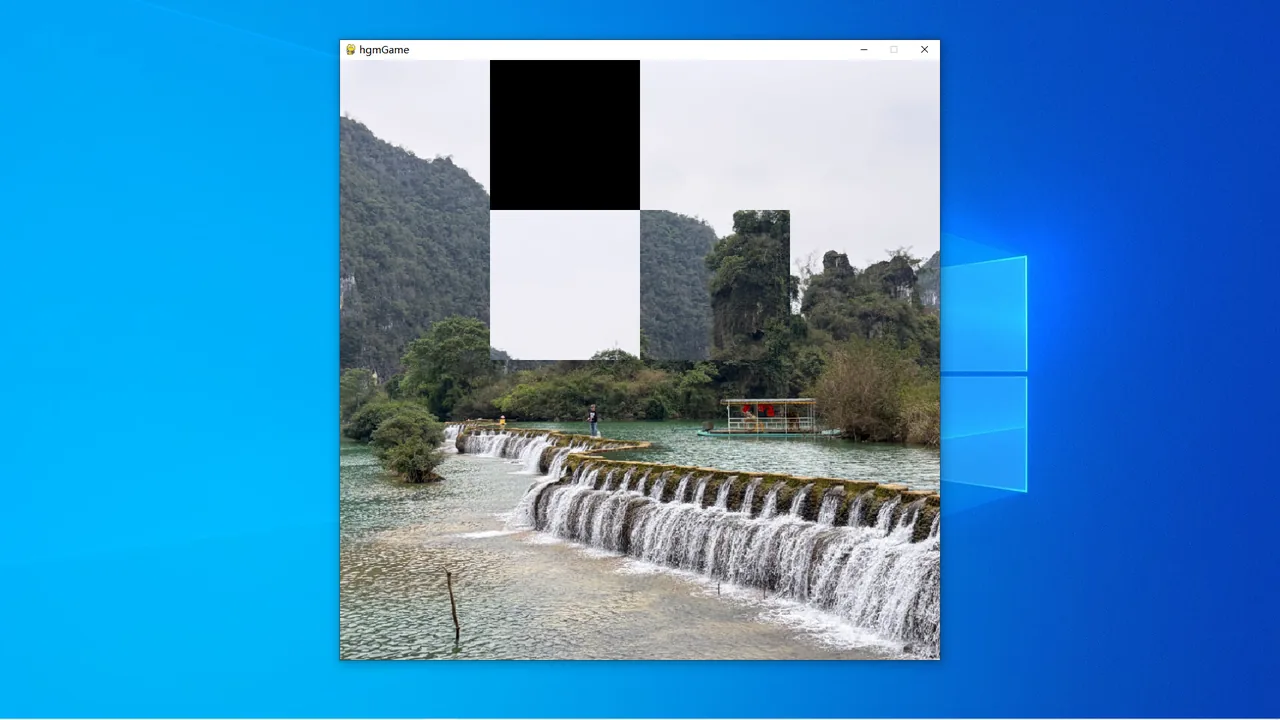
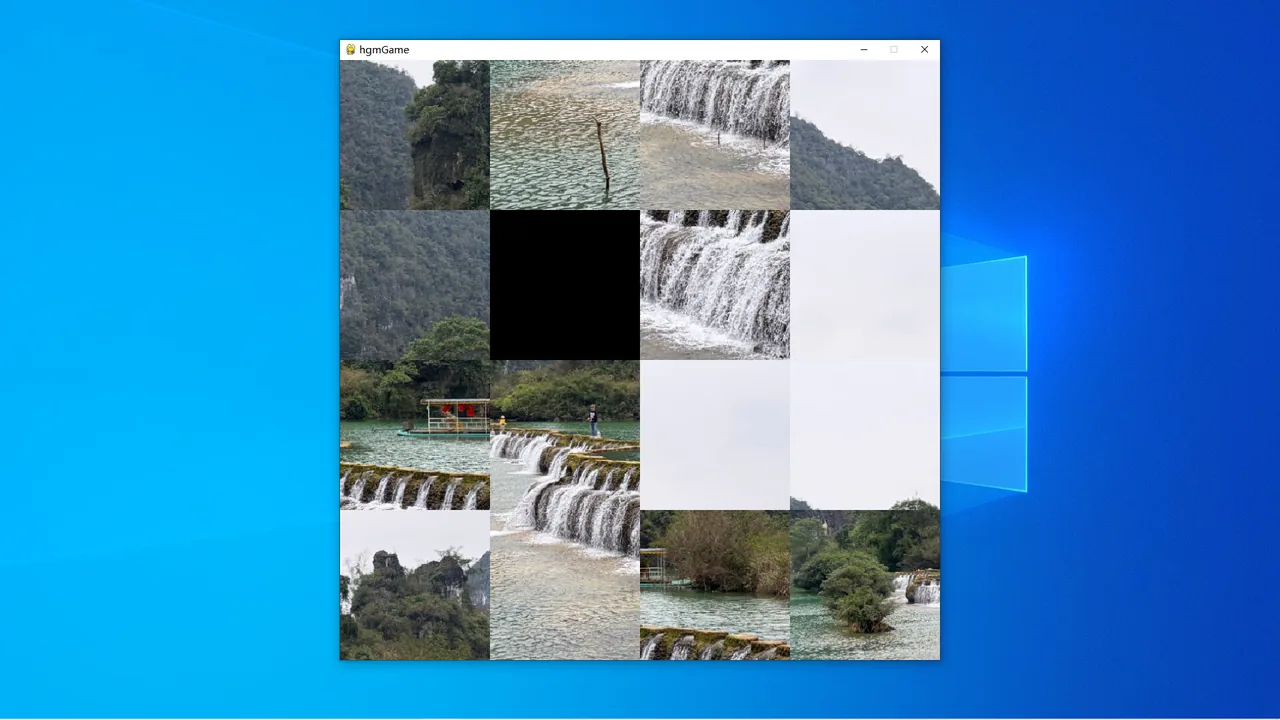
- This review checked the store's own detailed description and confirmed the mechanic is exactly what it appears to be: one photograph of the Wujiangyuan gallery region is shuffled into a 4x4 grid with one tile removed, and the player clicks tiles adjacent to the empty space to reassemble the original image
- This review's positive English-language reviewer confirmed the game runs well on modest hardware, listing a specific AMD Ryzen 5 3600 / GTX 1050 Ti / 16 GB RAM setup, and logged five hours of play, calling that 'pretty good for a $1 game'
- This review's positive reviewer specifically noted multiple difficulty levels that change where the empty tile starts when a new puzzle loads, a small but real structural feature this review's evidence otherwise found little else to point to
Biggest weaknesses
- This review's positive reviewer raised a specific, credible technical complaint this review treats seriously given its specificity: a suspicion that the game 'sometimes generates impossible puzzles,' unsolvable sliding-tile configurations that would directly undermine the entire point of the game
- This review checked the store's own tag list against the actual described mechanic and found a striking mismatch: '2D Fighter' and '2D Platformer' are both listed as tags for a game that is, by its own detailed description and both reviewers' accounts, a static sliding-image puzzle with no combat and no platforming of any kind
- This review's second reviewer, writing in Simplified Chinese, noted plainly that the game has 'no Chinese localization, no achievements' despite the game's own subject matter being a specific Chinese regional landmark, a real gap for a game built entirely around one culturally specific image
Who it's for: Only the most dedicated sliding-tile puzzle completionists looking for the cheapest possible way to pass idle time, with no expectation of variety, presentation, or structure beyond a single repeating image puzzle.
Our recommendation: A hard pass for all but the narrowest niche. The core mechanic is functional, but there is essentially no game built around it, and this review's own evidence includes a specific, credible report of broken puzzle generation.
3.4 / 10
One photograph, shuffled into sixteen pieces, over and over. Wujiangyuan Gallery in GuiZhou is a $0.99 game from developer and publisher hgmGame, released 31 March 2026. This review draws on the game's full 2-review sample, unanimously positive.
Exactly what it says on the tin, and nothing more
This review checked the store's own detailed description and found no gap between what's promised and what both reviewers describe: a single photograph of the Wujiangyuan gallery region in GuiZhou is shuffled into a 4-by-4 grid with one tile removed, and the player clicks tiles adjacent to the empty space to slide the image back into its original arrangement. That's the entire game. There's no scoring system this review's sample describes, no timer, no level progression beyond difficulty settings that change the empty tile's starting position, and no content beyond the one image. This review has covered thin games before, but Wujiangyuan Gallery in GuiZhou is among the most minimal, a single classic puzzle mechanic with almost nothing built around it.
What the mechanic actually delivers, according to this review's sample
Despite the bare presentation, this review's positive English-language reviewer found real value in the core loop, logging five hours of play and calling that "pretty good for a $1 game." That reviewer specifically praised the presence of multiple difficulty levels, which change where the empty tile starts when a new puzzle loads, a small structural detail that at least gives the sliding-puzzle formula some variation across sessions. This review's second reviewer, writing in Simplified Chinese, offered a shorter, more procedural account that largely restates the mechanic itself rather than offering a verdict, but confirmed no complaints about the core puzzle-solving experience.
A specific, credible bug report worth taking seriously
The same positive reviewer who praised the five-hour session also raised a concern this review treats as credible given its specificity: a suspicion that "the game generates impossible puzzles," unsolvable tile arrangements that would undermine the entire premise of a sliding-tile puzzle game. This review can't independently verify that claim, but it's exactly the kind of technical detail a reviewer notices through repeated play rather than invents, and it's worth flagging directly given how central puzzle-solvability is to a game with literally one mechanic.
A tag list that reaches into a different genre entirely
This review checked the store's own tag list against the actual described game and found a genuinely strange mismatch. Alongside the accurate "Casual" and "2D" tags sit "2D Fighter" and "2D Platformer," neither of which bears any resemblance to a static sliding-image puzzle with no combat, no movement, and no platforming of any kind. This review flags this as a significant tagging failure rather than a minor quibble, since a browsing player relying on those tags would be actively misled about what kind of game this is.
A missed opportunity in its own subject matter
This review's Simplified Chinese-language reviewer noted plainly that the game has "no Chinese localization, no achievements," a detail this review finds notable given that the game's entire subject matter, its one and only puzzle image, is a specific Chinese regional landmark. A game built around showcasing a particular place arguably has an obvious audience in players from that region and language, and this review found it a real gap that the game doesn't serve that audience with basic localization.
No structural data to lean on beyond the reviews themselves
This review checked the Steam global achievement API for Wujiangyuan Gallery in GuiZhou and found no tracked achievements at all, and checked the developer's partner-events feed and found no posts since launch either. That leaves this review with nothing beyond the two written reviews to corroborate or challenge either reviewer's account, a genuine limitation this review notes directly rather than treating the small positive sample as conclusive on its own.
The lowest accessibility showing this review has recorded
This review checked the store's accessibility feature-flag block directly and found zero of nineteen tracked flags true, the lowest possible result and a new low point among the titles this review has covered. No subtitles, no difficulty-adjustable design beyond the puzzle's own tile-position variation, no keyboard-only or mouse-only option explicitly called out, and no accommodation flags of any kind. For a game this mechanically simple, that showing is a disappointment rather than an excuse.
How this compares to the rest of this review's recent coverage
This review has covered several very thin, early-tier titles in recent cycles, but Wujiangyuan Gallery in GuiZhou stands out as one of the sparest yet. Even other minimal titles in this review's coverage have typically offered some combination of a distinct visual style, a named mechanic, or a small structural hook beyond their core loop. Here, the entire experience is the single sliding-tile puzzle itself, with the difficulty-level tile-position variation as the only concession to replay value this review's evidence could identify. That's not automatically disqualifying at a $0.99 price point, where expectations are naturally modest, but it does mean this review's originality score reflects a genuinely bare-bones design rather than a stylistic minimalism chosen for effect.
Verdict
Wujiangyuan Gallery in GuiZhou does exactly one thing, and this review's small sample confirms that one thing technically works, at least most of the time. But there's essentially no game built around that single sliding-tile mechanic: no scoring, no content beyond one image, a reported bug that may make some puzzles literally unsolvable, and a tag list that actively misrepresents the genre. At $0.99 the core loop might occupy a genre completionist for a few idle hours, but this review can only extend a hard pass to nearly everyone else.
Pros and cons
Pros
- This review checked the store's own detailed description and confirmed the mechanic is exactly what it appears to be: one photograph of the Wujiangyuan gallery region is shuffled into a 4x4 grid with one tile removed, and the player clicks tiles adjacent to the empty space to reassemble the original image
- This review's positive English-language reviewer confirmed the game runs well on modest hardware, listing a specific AMD Ryzen 5 3600 / GTX 1050 Ti / 16 GB RAM setup, and logged five hours of play, calling that 'pretty good for a $1 game'
- This review's positive reviewer specifically noted multiple difficulty levels that change where the empty tile starts when a new puzzle loads, a small but real structural feature this review's evidence otherwise found little else to point to
- At $0.99, this review weighs the asking price directly against the reviewer's own five-hour session, a genuinely low cost-per-hour even for an admittedly minimal game
Cons
- This review's positive reviewer raised a specific, credible technical complaint this review treats seriously given its specificity: a suspicion that the game 'sometimes generates impossible puzzles,' unsolvable sliding-tile configurations that would directly undermine the entire point of the game
- This review checked the store's own tag list against the actual described mechanic and found a striking mismatch: '2D Fighter' and '2D Platformer' are both listed as tags for a game that is, by its own detailed description and both reviewers' accounts, a static sliding-image puzzle with no combat and no platforming of any kind
- This review's second reviewer, writing in Simplified Chinese, noted plainly that the game has 'no Chinese localization, no achievements' despite the game's own subject matter being a specific Chinese regional landmark, a real gap for a game built entirely around one culturally specific image
- This review checked the store's accessibility feature-flag block directly and found zero of nineteen tracked flags true, the lowest possible showing this review has recorded, and checked the Steam achievement API and the developer's partner-events feed and found nothing in either, no tracked achievements and no post-launch activity at all
Screenshots
-
Wujiangyuan Gallery in GuiZhouImage: hgmGame via Steam -
Wujiangyuan Gallery in GuiZhouImage: hgmGame via Steam -
Wujiangyuan Gallery in GuiZhouImage: hgmGame via Steam