Game review
The Outer Worlds 2
8.5 / 10
- Developer
- Obsidian Entertainment
- Publisher
- Xbox Game Studios
- Released
- 29 October 2025
- Platforms
- Windows, Xbox Series X|S, PlayStation 5
- Genre
- Action RPG
- Monetisation
- Premium, one-off purchase across three editions
- Players
- Single-player
The short version
The perks-and-flaws build system was already the best idea in the first Outer Worlds, and the sequel makes it better: flaws now surface based on how you actually play rather than a menu you tick through, and Tactical Time Dilation gives every fight a reason to slow down and think. Layered over three factions you can support, ignore or play against each other, it's Obsidian's most confident RPG framework yet.
What it's built around, though, is thinner than the systems deserve. The companions are competent rather than memorable, the antagonists exist to be shot at rather than reckoned with, and the corporate satire that made the original distinctive gets repeated here more often than it's sharpened.
Biggest strengths
- Flaws trigger from how you actually play rather than a checklist, and trading them for perk points makes weaknesses a genuine build decision instead of busywork
- Tactical Time Dilation is one of the better slowed-time combat tools in the genre, rewarding called shots without turning every fight into a stopwatch exercise
- Three factions with real room to support none, one, or several at once, rather than a binary good/evil meter
Biggest weaknesses
- Companions are functional rather than memorable, short of the personality Obsidian's own back catalogue has set as the bar
- Antagonists mostly exist to be shot at rather than to be reckoned with
- The corporate satire that defined the original is repeated more often than it's sharpened, and lands as broad rather than pointed in several of its biggest beats
Who it's for: Fallout and first-Outer-Worlds players who want a meatier build system and don't need every companion to be a highlight, plus anyone who likes slow-motion tactical shooting layered over real RPG choice.
Our recommendation: Worth full price if character building is what you play these games for. If you're mainly here for the writing and the cast, it's still good — just not the leap forward the systems around it represent.
8.5 / 10
The first Outer Worlds worked because it knew exactly what it was: a scrappy, funny answer to Fallout that punched well above the budget Obsidian had to make it with. The sequel has a real budget behind it, Xbox Game Studios money and Unreal Engine 5 fidelity to match, and the strange result is a game that's better where it counts most — the actual business of building and playing a character — while feeling a little less essential everywhere the writing used to carry it.
Flaws that find you, not the other way around
The returning perks-and-flaws system is the clearest improvement here. Perks are the expected half — two skill points a level, way more trees than any one build can max, and enough overlapping specializations to reward planning a character rather than filling bars evenly. Flaws are the interesting half: rather than picking them from a list, the game notices patterns in how you actually play — getting knocked down by the same enemy type repeatedly, say — and offers a trade: accept a permanent, specific weakness in exchange for extra perk points and a matching strength. Don't like the offer, reject it. It's a system that reads your play back to you and asks if you'd like to lean into it, which is a much better hook than a static character-creation checklist.
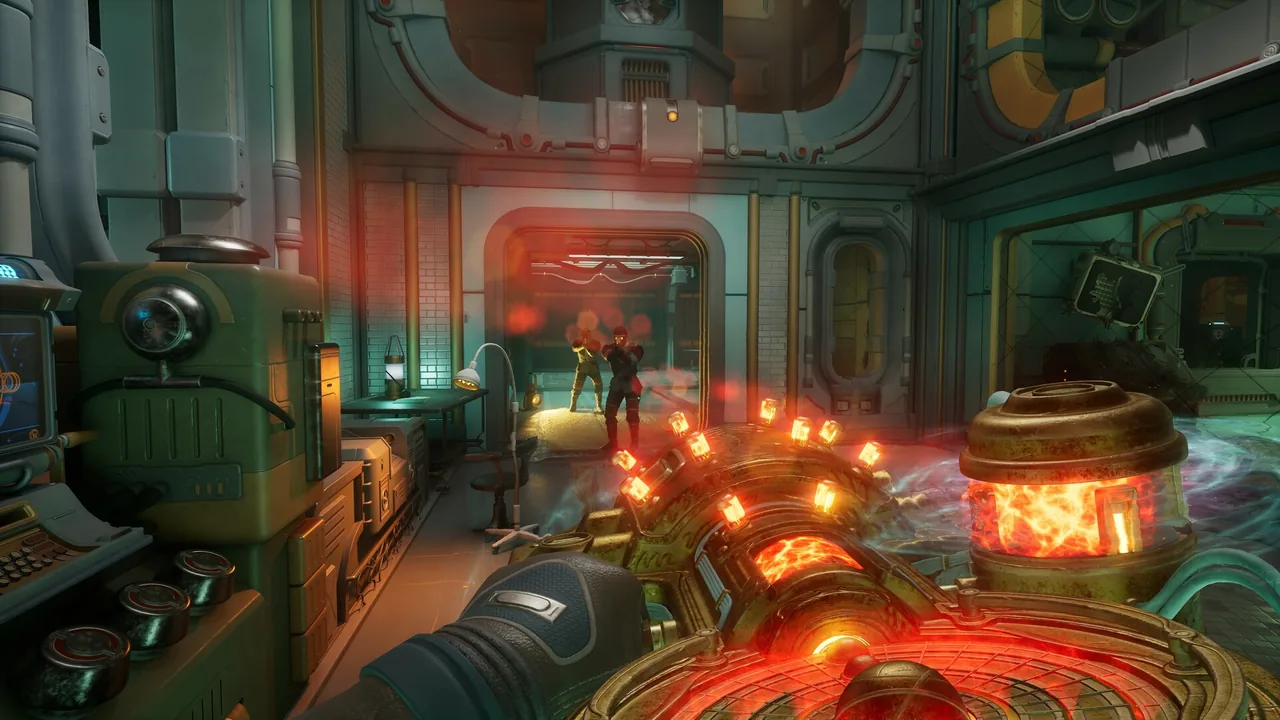
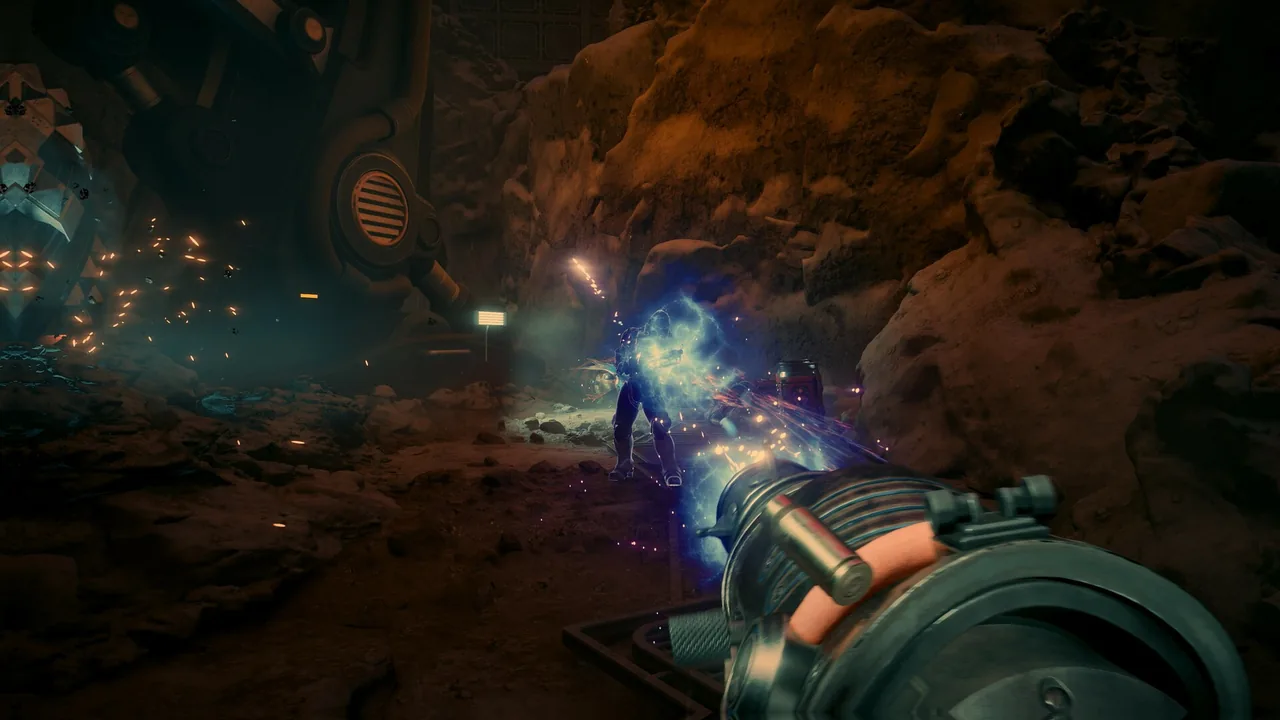
Tactical Time Dilation, the game's answer to VATS, returns and is genuinely one of its best tools — slow time, line up a called shot at a specific weak point, and get back to full speed having actually earned the damage rather than watched a cutscene resolve it. New this time is the ability to swap between first- and third-person on the fly, which sounds like a small addition and turns out to change how both exploration and gunfights feel more than you'd expect going in.
Three factions, and actual room between them
Arcadia's central conflict runs between the authoritarian Protectorate, the megacorp Auntie's Choice, and the religious Order of the Ascendant, and the game means it when it says you can back none of them, one of them, or play multiple sides against each other. That's a step up from a binary reputation meter, and it gives the faction layer real weight alongside the character-build layer — two systems pulling on the same set of choices instead of one dressing up the other.
Where the writing doesn't keep pace
This is also where the sequel is more of a lateral move than a leap. Companions are present, recruitable, and mechanically sound, but they don't carry the personality Obsidian's other casts have shown they're capable of — competent is the word that keeps coming up, not memorable. Antagonists fare worse: they're obstacles to shoot through more than characters worth being angry at, which undercuts the stakes in a game that wants its factional conflict to feel personal.
The satire is the biggest disappointment relative to expectations, not because it's absent but because it's familiar. The original's corporate-dystopia humor was sharp partly because it was new; here the same targets get hit again, more broadly and less precisely, and the social commentary reads more like a returning theme than a developed argument.
The parts that just need fixing
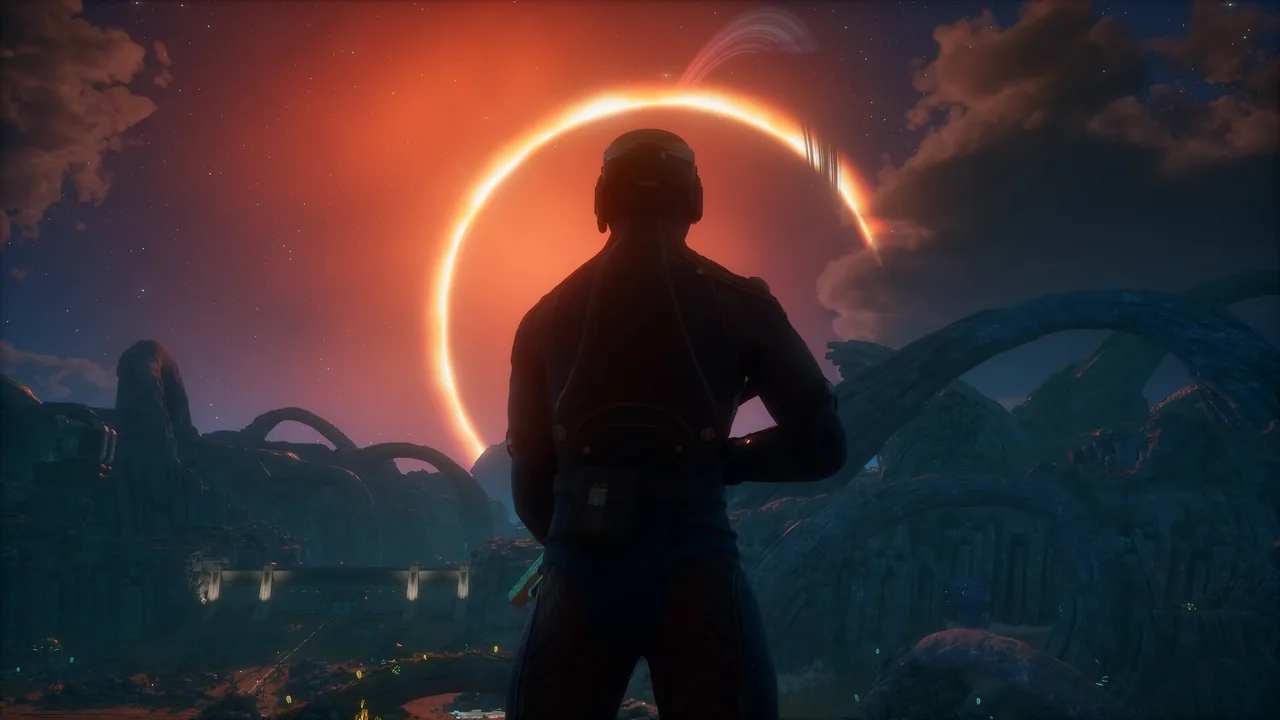
Menus are the other recurring complaint, and it's a fair one — sorting through weapons and items is more clicks than it should be, and the game doesn't remember your sort preferences between sessions, so you're re-setting them constantly. Visually, the world skews bright and saturated in a way that gives Arcadia a cartoonish sheen at moments clearly meant to land as tense or strange. Neither is a design failure so much as a polish gap, and both are the kind of thing a patch fixes rather than a kind of thing baked into the game's bones.
Value, and what happens next
At NZ$119.95 for the standard edition, this sits at full current-generation RPG pricing, and reception has been a genuine split between critical acclaim — Metacritic in the high 70s to low 80s across platforms, an 88% recommend rate on OpenCritic, a Best RPG nomination at The Game Awards — and a commercial performance that reportedly fell short of Xbox Game Studios' expectations, with no sequel currently planned. That gap between how well it played and how well it sold is worth knowing before you buy: this may be the only Outer Worlds you get for a while, which makes its systems worth appreciating on their own terms rather than as a promise of what comes next.
Final verdict
The Outer Worlds 2 is Obsidian at its most mechanically confident — the flaws system alone is worth the price of admission for anyone who likes building a character that reflects how they actually played rather than a plan made before the first fight. Tactical Time Dilation and the three-faction structure give that build real places to matter.
It settles at 8.5 rather than higher because the cast and the satire that made the first game punch above its budget don't get the same leap forward the systems around them do. Companions you'll forget and antagonists you'll barely notice are a real cost in a genre that leans on both. Play it for the build, and don't go in expecting the writing to be the highlight this time.
Price and platform details checked 29 July 2026.
If persistent character growth without a full campaign's time commitment is more your speed, Wanderer runs a much smaller version of the same build-your-own-character idea.
Pros and cons
Pros
- Flaws trigger from how you actually play rather than a checklist, and trading them for perk points makes weaknesses a genuine build decision instead of busywork
- Tactical Time Dilation is one of the better slowed-time combat tools in the genre, rewarding called shots without turning every fight into a stopwatch exercise
- Three factions with real room to support none, one, or several at once, rather than a binary good/evil meter
- Switching between first- and third-person on the fly is a small addition that changes how combat and exploration both feel
- Skill and perk trees are deep enough to reward planning without punishing experimentation, since flaws can be rejected if you don't want them
Cons
- Companions are functional rather than memorable, short of the personality Obsidian's own back catalogue has set as the bar
- Antagonists mostly exist to be shot at rather than to be reckoned with
- The corporate satire that defined the original is repeated more often than it's sharpened, and lands as broad rather than pointed in several of its biggest beats
- Menus for weapons and inventory are a genuine chore to navigate, and sorting preferences don't persist between sessions
- Visuals lean bright and saturated to the point of undercutting the world's atmosphere in places
Screenshots
-
The Outer Worlds 2Image: Xbox Game Studios via Steam -
The Outer Worlds 2Image: Xbox Game Studios via Steam -
The Outer Worlds 2Image: Xbox Game Studios via Steam -
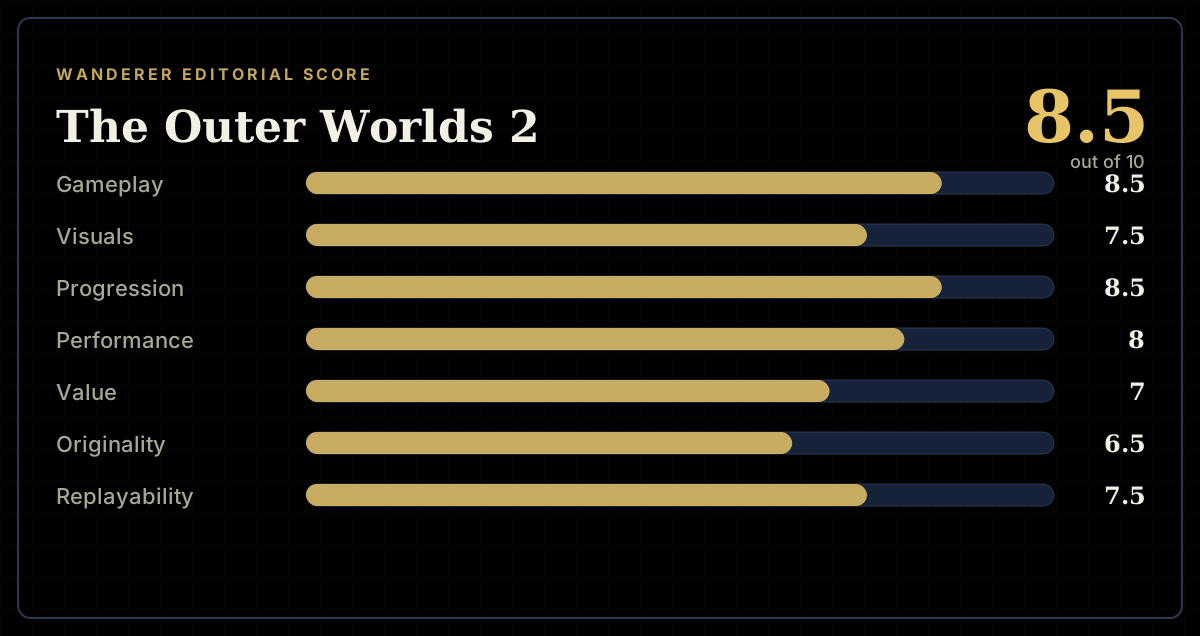
How the review scores each part of the gameWanderer Editorial -
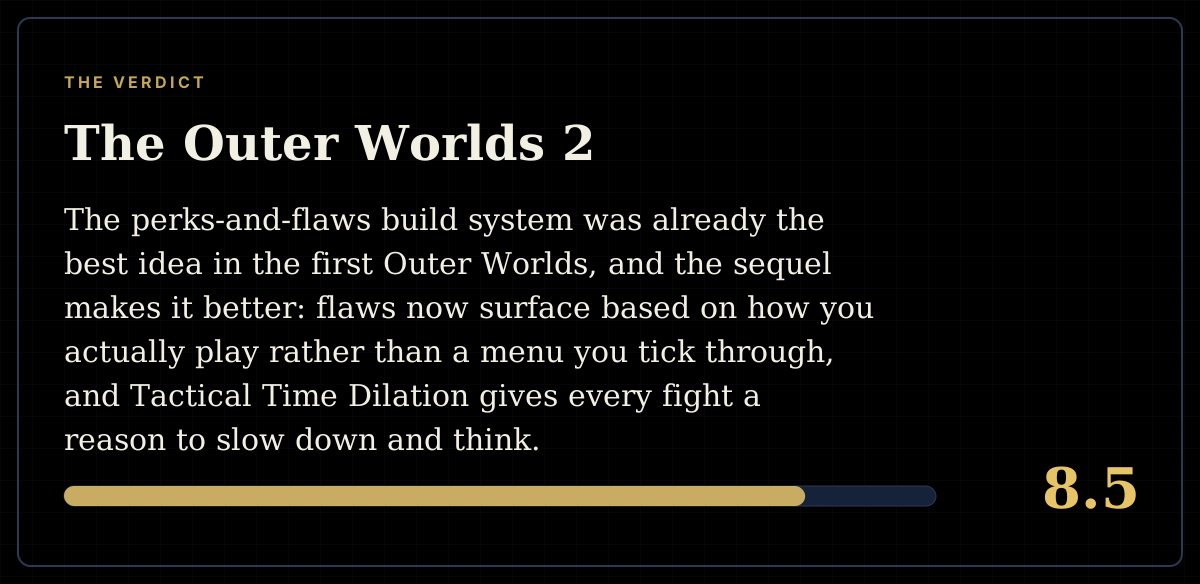
The short versionWanderer Editorial