
Game review
GutterPunk Review: A Student Project With Real Speed
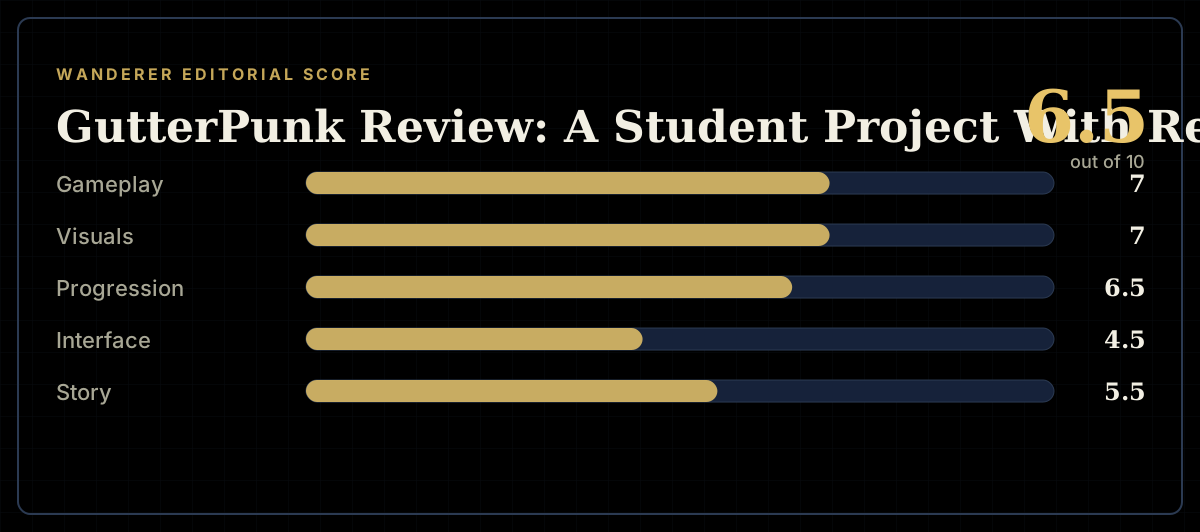
6.5 / 10
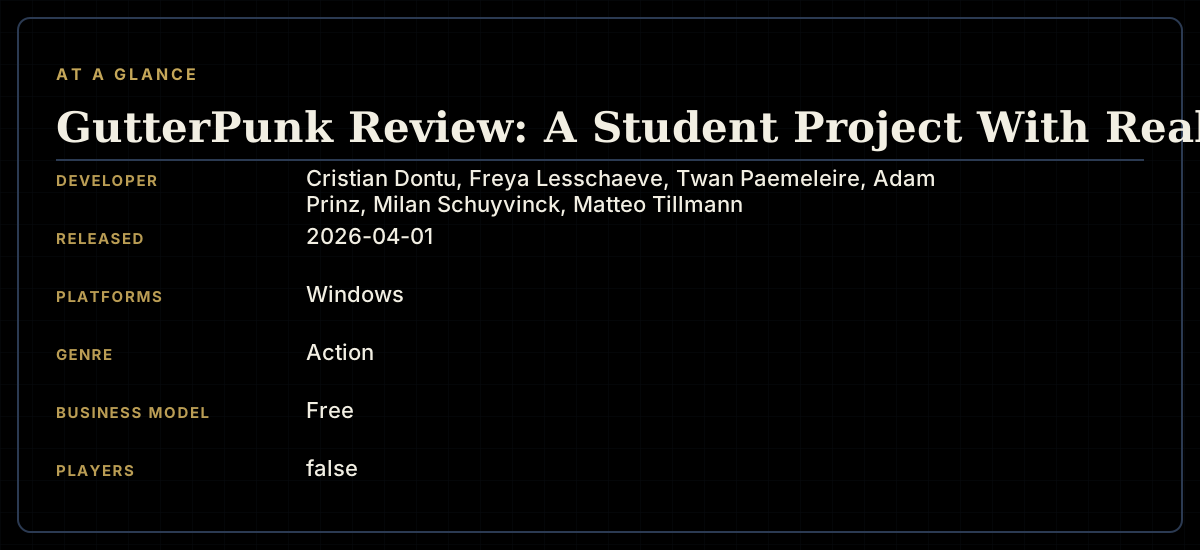
- Developer
- Cristian Dontu, Freya Lesschaeve, Twan Paemeleire, Adam Prinz, Milan Schuyvinck, Matteo Tillmann
- Publisher
- Hogeschool West-Vlaanderen
- Released
- 1 April 2026
- Platforms
- Windows
- Genre
- Action
- Monetisation
- Free
- Players
- false
The short version
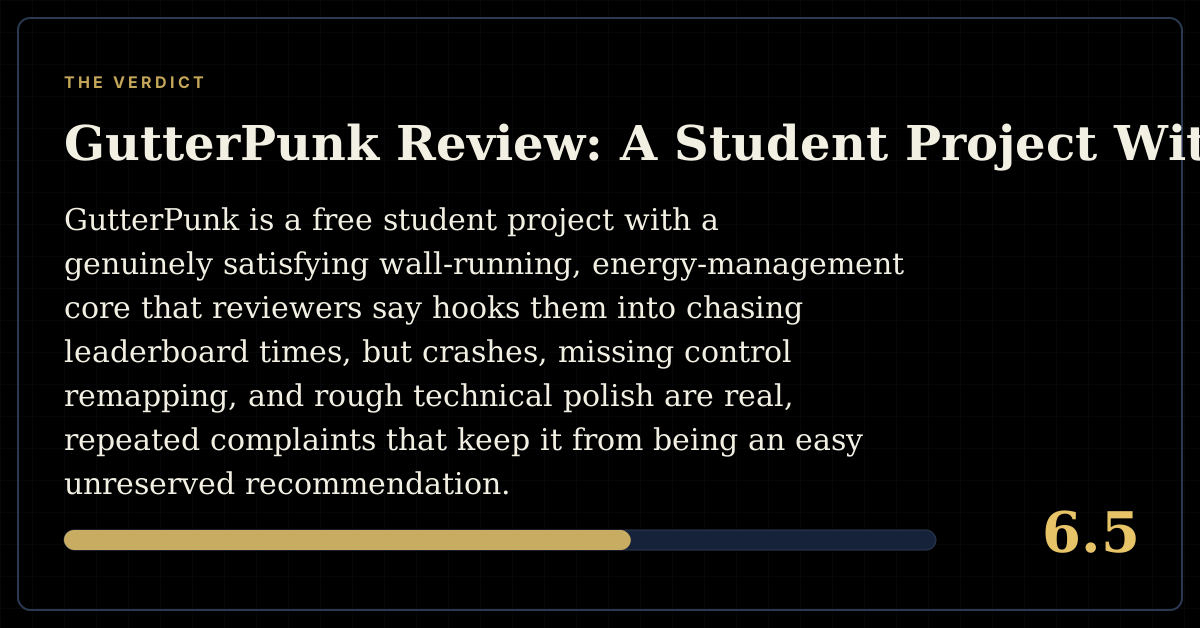
GutterPunk is a free student project with a genuinely satisfying wall-running, energy-management core that reviewers say hooks them into chasing leaderboard times, but crashes, missing control remapping, and rough technical polish are real, repeated complaints that keep it from being an easy unreserved recommendation.
Biggest strengths
- Wall-running and energy management that reviewers repeatedly single out as the best part of the game, letting players chain jumps, dashes, slides, and finishing moves as long as their momentum holds
- A leaderboard and sector-time system that multiple reviewers describe as genuinely addictive, driving them to keep replaying levels well beyond a single playthrough to chase better times
- A distinctive brutalist art direction and a light dystopian-rebellion narrative that reviewers praise for tone and atmosphere despite the game's brief, movement-focused runtime
Biggest weaknesses
- Multiple reviewers report crashes, with one describing a crash severe enough to overheat and shut down their laptop after finishing the game, and another unable to play at all despite a capable PC
- The game does not currently support control remapping, a specific complaint from a reviewer who otherwise praised the art and story
- Several reviewers report texture and loading issues, including images and text failing to load, alongside general jank in a movement-focused platformer where smoothness matters most
Who it's for: A good pick for movement-shooter and speedrunning fans curious about a free, promising student project; less appealing for players with low tolerance for crashes and unpolished technical edges, given it's built by an undergraduate class rather than a full studio.
Our recommendation: Consider it
6.5 / 10
Sprinting through the underground
GutterPunk casts players as Char, a young woman who left the Upper City behind and now helps organize an underground rebellion by racing through curfew-locked, brutalist concrete environments as cleanly and quickly as possible. It's a single-player, first-person speedrunning game that puts nearly all of its weight behind movement: wall-running, dashing, sliding, and finishing off enemy robots for speed boosts, with the story functioning more as light framing than a central focus. Defeating enemy robots along the way isn't strictly required to reach the end of a level, but doing so rewards a speed boost, giving skilled players an extra incentive to engage with combat rather than simply running past every threat.
Wall-running that earns its praise
The most consistently praised element in the sample is the core movement loop itself. One reviewer with over two hours logged calls the depth surprising "for something so simple," describing how wall-running builds energy that fuels dashes, slides, and finishing moves, creating a rhythm that feels fast and rewarding when everything clicks. Multiple reviewers specifically frame the wall-running as the best single element of the whole game, with one calling it the reason the rest of the experience holds together.
A leaderboard that keeps players coming back
Several reviewers describe getting pulled into a genuine competitive loop via the game's scoreboard and sector-time systems, with one self-identified top-10 player out of roughly 80 explicitly citing the leaderboard chase as what kept them engaged well beyond a single run. Another reviewer, logged at over 500 minutes of playtime, calls the urge to beat other players' times "a very fun chase of dopamine," crediting sector times specifically with giving them a clear, granular way to see where a run went wrong and where to improve next time.
Real crashes, not just minor bugs
Set against that praise, technical stability draws the sample's most serious complaints. One detailed review describes finishing the game only to notice their laptop had become alarmingly hot and then shut down entirely, while a separate, shorter review reports being unable to play at all despite what they describe as a strong PC setup. These aren't vague performance grumbles — they're specific, concerning reports that go beyond typical launch jank for a small free release.
Missing options that matter for a movement game
A specific, reasonable complaint from an otherwise positive reviewer is the absence of control remapping, a meaningful gap in a genre where precise, personalized input mapping often matters as much as raw skill. The same review also notes the dash feels clunky due to limited speed carryover, a detail that speaks directly to how much the core movement feel still needs refinement. Separately, reviewers report texture and loading issues — images and text failing to display correctly — and the lack of an instant-restart option for runs that have clearly gone wrong, a notable omission for a game explicitly built around chasing clean speedrun times.
An ambitious school project, not a studio release
Worth keeping in mind throughout: GutterPunk is explicitly credited as a third-year bachelor's team capstone project from the Digital Arts and Entertainment program at Belgium's Hogeschool West-Vlaanderen, built by six credited students, with an original score composed by a student at the Royal Conservatory of Ghent. That's a notably small, academic team compared to most commercially released movement shooters, and it's a useful lens for calibrating expectations around polish before diving into the specific complaints below. Framed against that context, the ambition on display — distinct art direction, a working leaderboard system, and movement mechanics multiple reviewers found genuinely compelling — is a real achievement, even as the rough technical edges are exactly what one would expect from a student project rather than a shortfall from a funded studio.
A short, focused runtime
Reported playtimes across the sample vary widely, from brief five-to-twenty-minute sessions to committed players well past five hours chasing leaderboard positions, which points to a genuinely short main campaign that opens up considerably for players motivated to replay levels for better times. One top-scoring player specifically frames the appeal around the pull to keep optimizing runs rather than a long linear story to work through, which is consistent with the game's framing as a speedrunning-first experience rather than a traditional single-playthrough shooter.
Confused newcomers and quick bounces
Not every short review in the sample engages deeply with the game's systems — a handful of brief negative reviews read more as quick, confused bounces than substantive critiques, including one that simply expresses bafflement without elaborating further. These are worth acknowledging honestly as part of the sample rather than smoothing over, since they suggest the game's onboarding and initial clarity could use work for players who don't immediately click with its movement-first design philosophy.
A developer already patching
A single bug-fix update landed roughly two and a half weeks after launch, addressing at least some of the technical issues reviewers flagged early on. For a free student capstone project without the resources of a commercial studio behind it, that continued attention is a meaningful signal, even if it hasn't yet resolved every crash or texture-loading report in the sample.
Verdict
GutterPunk delivers a genuinely fun, momentum-driven core loop that's earned real enthusiasm from the players chasing its leaderboards, but crashes and missing basics like control remapping are legitimate, repeated complaints rather than minor nitpicks. As a free download and an impressively ambitious student project, it's an easy recommendation to try; just go in expecting the technical rough edges that come with that context.
Pros and cons
Pros
- Wall-running and energy management that reviewers repeatedly single out as the best part of the game, letting players chain jumps, dashes, slides, and finishing moves as long as their momentum holds
- A leaderboard and sector-time system that multiple reviewers describe as genuinely addictive, driving them to keep replaying levels well beyond a single playthrough to chase better times
- A distinctive brutalist art direction and a light dystopian-rebellion narrative that reviewers praise for tone and atmosphere despite the game's brief, movement-focused runtime
- A free, ambitious scope for what is explicitly a bachelor's degree team capstone project from Belgium's Hogeschool West-Vlaanderen, including an original score composed by a student at the Royal Conservatory of Ghent
Cons
- Multiple reviewers report crashes, with one describing a crash severe enough to overheat and shut down their laptop after finishing the game, and another unable to play at all despite a capable PC
- The game does not currently support control remapping, a specific complaint from a reviewer who otherwise praised the art and story
- Several reviewers report texture and loading issues, including images and text failing to load, alongside general jank in a movement-focused platformer where smoothness matters most
- No instant-restart option for a speedrun that's clearly gone wrong is flagged as a meaningful missing feature for a game built around chasing clean times
Screenshots
-
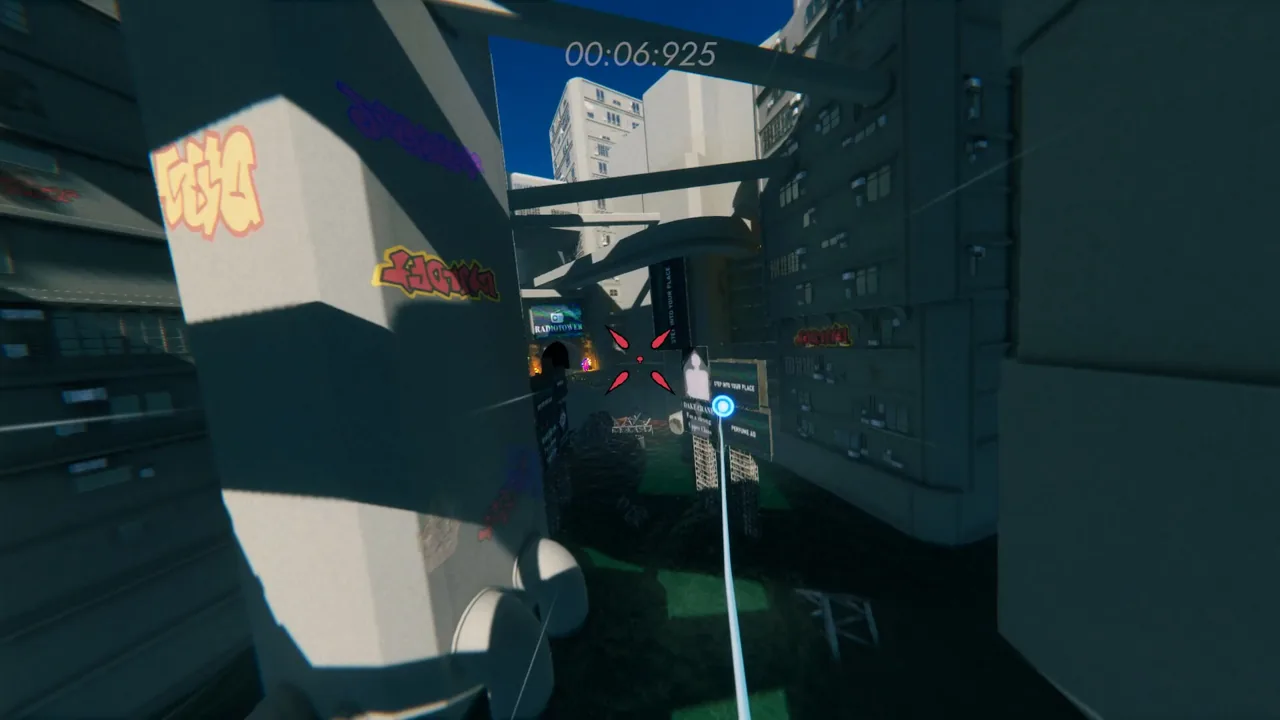
Image: Hogeschool West-Vlaanderen via Steam -
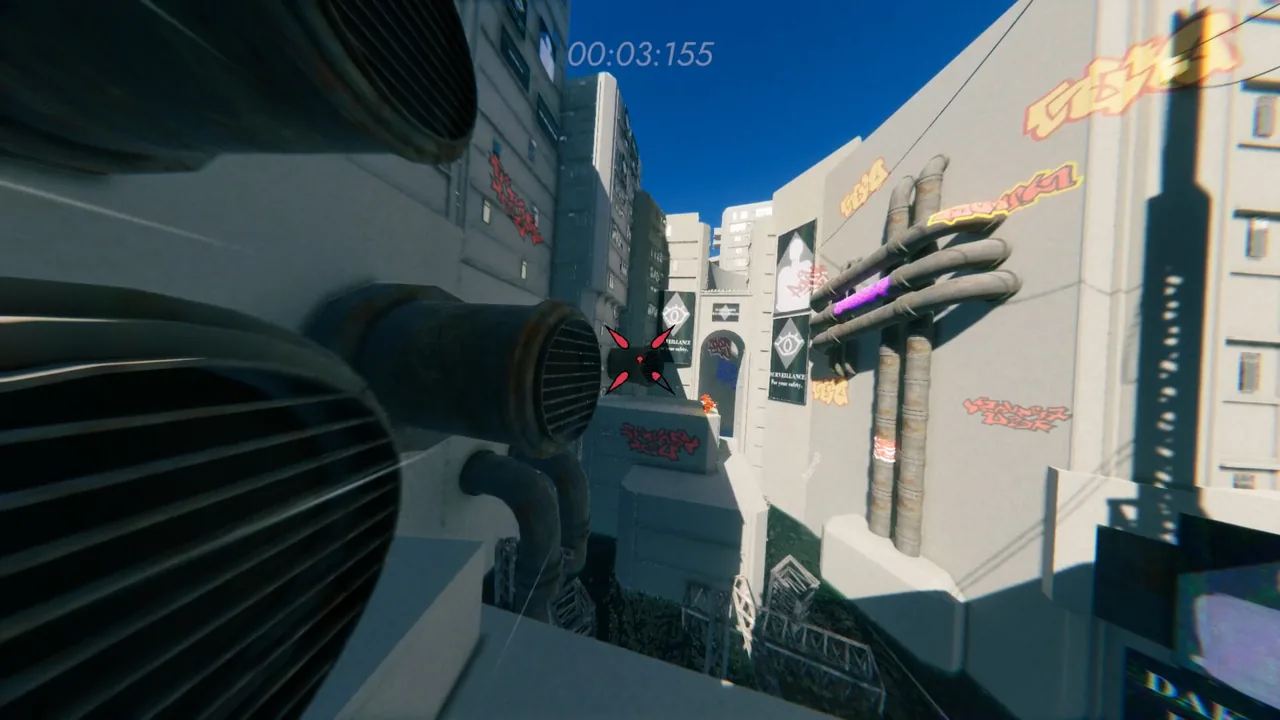
Image: Hogeschool West-Vlaanderen via Steam -
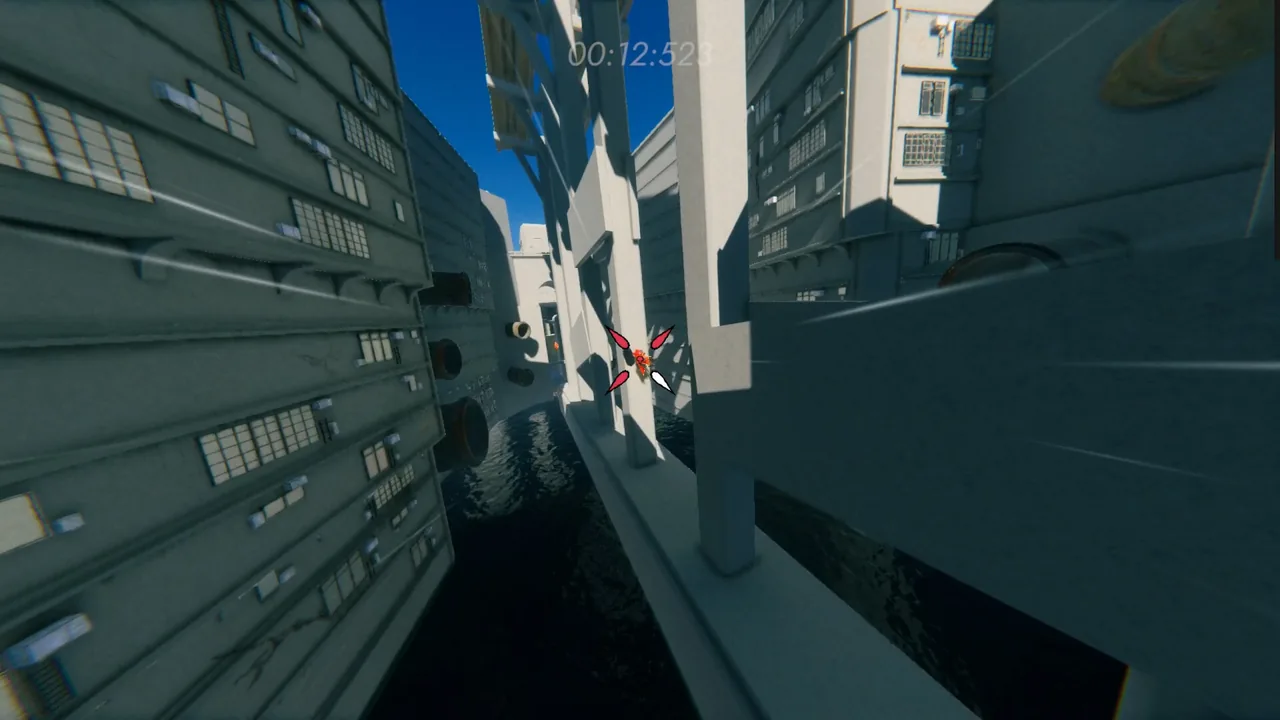
Image: Hogeschool West-Vlaanderen via Steam -
Wanderer Editorial -
Wanderer Editorial -
Wanderer Editorial