Game review
Those Who Rule
6.6 / 10
- Developer
- Eldin Turulja
- Publisher
- Eldin Turulja
The short version
Biggest strengths
- Hex-grid tactical combat with zone-of-control flanking rewards careful positioning, with reviewers repeatedly comparing it favorably to Fire Emblem's tile-based systems
- A single developer built roughly 20 hand-crafted chapters with optional objectives, a morally ambiguous political story, and 50-plus hours of playtime for players pursuing permadeath-free completion
- The developer is described by many reviewers as unusually responsive, patching reported bugs same-day or next-day and actively incorporating community quality-of-life suggestions
Biggest weaknesses
- There is no way to save mid-battle, so losing a key unit or dying late in a long encounter forces a full restart from the beginning of that fight, a complaint raised across dozens of reviews
- Inventory management and equipment-swapping menus are described by reviewers as clunky and confusing, undermining an otherwise strong combat loop
- Character building is comparatively shallow, with a single automatic base class and only one specialization choice at level 10, leaving little room for build customization
6.6 / 10
Overview
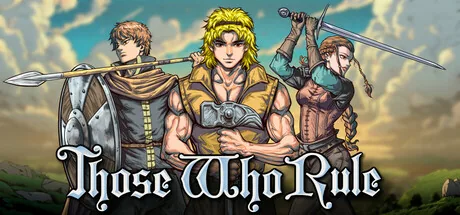
Those Who Rule is a tactical turn-based RPG built by a single developer, Eldin Turulja, in the mold of Fire Emblem's tile-based squad combat, but reworked around a hex grid and a low-fantasy, morally ambiguous political story. Players take command of a small band of recruits caught up in a web of betrayal as war threatens their homeland, recruiting allies, training a growing roster, and making story decisions that reviewers say meaningfully shift the direction of the conflict. It released on Steam on January 27, 2025, priced at NZ$26.29, and has built up a large and enthusiastic Very Positive review base of nearly 900 English-language reviews.
What comes through most clearly in that review pool is how much goodwill the game has earned as a solo project. Reviewers repeatedly frame it less as an imitation of Fire Emblem than as a spiritual successor to older grid-tactics series like Vandal Hearts and Berwick Saga, built by a developer who has stayed unusually engaged with the community fixing bugs and adjusting systems since launch.
Story and Setting
The story follows a handful of fresh recruits, including a prominently mentioned character named Fern, whose fates become entangled with "warring children" and a conspiracy driving the wider conflict as the plot unfolds across roughly 20 chapters. Reviewers describe the narrative as more serious and "low fantasy" than many genre peers, with a linear structure that avoids branching paths but includes at least one late-game decision multiple reviewers single out as genuinely meaningful, with no clearly correct answer. Opinions on the writing split more than most other aspects of the game: several reviewers praise it as epic and engaging with a story-altering choice system, calling the cast well-written and the political throughline compelling, while others found the plot generic, the characters flat, or the ending's tonal shift poorly executed.
One notably critical reviewer objected to how the game's central "serious choice" was framed, arguing it reduced complex political positions to caricatures, while several supportive reviewers instead praised the game's willingness to avoid a tidy happy ending as a strength. Either way, reviewers agree the story doesn't get in the way of the combat, delivering context and stakes through dialogue between missions rather than padding the game with cutscenes.
Gameplay and Mechanics
Combat is Those Who Rule's clear strength across the review pool. Battles play out on a hex grid rather than the square tiles more common to the genre, with unit facing and zone-of-control effects around enemies meaningfully restricting movement and rewarding flanking, a system multiple reviewers describe as adding real depth beyond what a straightforward Fire Emblem clone would offer. Weapons each carry a unique active ability rather than relying on a rock-paper-scissors weapon triangle, and reviewers highlight positioning, unit synergy, and careful planning as more decisive than raw stats.
The genre's traditional tension points are present and divisive: permadeath is optional but recommended by fans of the harder difficulties, and RNG on hit chances and critical strikes draws both praise (for keeping fights tense) and frustration (with several reviewers calling specific swings "unfair" or "baffling"). The most consistent complaint by far, though, is structural rather than tactical: there's no way to save partway through a battle, so a unit lost late in a long fight, or a crash mid-encounter, means replaying the whole thing from scratch. Multiple reviewers call this the single biggest quality-of-life gap holding the game back, alongside menus for shopping, equipping, and comparing gear that reviewers repeatedly describe as clunky and hard to navigate.
Progression and Replayability
Characters progress through a base class assigned automatically at recruitment, with a single specialization choice unlocked around level 10 that reviewers say is the extent of meaningful build customization; there's no character creator and no ability to freely choose starting classes or names. Several reviewers who came in expecting Fire Emblem-style depth found this thinner than hoped, citing a lack of magic classes beyond healing and a roster that ultimately boils down to melee, tank, and archer roles. Others treat the streamlined system as a deliberate strength, arguing it keeps the roughly 20-chapter campaign tightly paced without grinding, since the linear mission structure removes the need to farm levels between story beats.
Completion times reported by reviewers cluster around 50 to 70 hours for a full permadeath run with two playthroughs, and reviewers who finished it describe strong incentive to replay at higher difficulties once the story's political choice is known, even though the lack of branching paths means a second run largely retreads the same ground. The developer's active patch cadence, cited across many reviews as fixing bugs "same-day or next-day," is treated by the community as an ongoing part of the game's value rather than a one-time launch fix.
Visual Style and Sound Design
Those Who Rule uses a distinctive voxel-adjacent art style for its overworld and character sprites, paired with hand-drawn splash art for major story beats during cutscenes. Reviewers describe the presentation as unusual rather than flashy, with more than one comparing its functional, blocky look to city-builder Parkitect, and generally regard the character designs as a step below the tactical depth of the combat itself, though the sprite work during battles draws specific praise for clarity. The soundtrack is described as atmospheric and fitting for the tone of the story, helping sell the low-fantasy setting during both exploration and combat.
On the technical side, reviewers report a rockier launch than the polished combat suggests, with crashes, freezes, and bugs including a widely-referenced inventory-duplication glitch showing up in the early review pool. The consistent thread across nearly every bug report, though, is that the solo developer addressed issues quickly, with several reviewers explicitly updating their verdict from negative to positive after a bug was patched or after receiving a direct response from the developer on the Steam forums.
Verdict
Those Who Rule earns its comparisons to Fire Emblem honestly, building a hex-grid tactical combat system with real positioning depth and 20 hand-crafted chapters that reviewers describe as a genuine labor of love from a single developer. The missing mid-battle save, clunky inventory menus, and comparatively shallow class customization are real drawbacks that show up in review after review, and players expecting Fire Emblem's full character-building depth may find the roster thinner than hoped. But for genre fans starved of new grid-tactics games, and willing to tolerate some launch-era rough edges from a developer who has consistently shown up to fix them, Those Who Rule delivers a combat system substantial enough to carry a 50-plus-hour campaign on its own.
Pros and cons
Pros
- Hex-grid tactical combat with zone-of-control flanking rewards careful positioning, with reviewers repeatedly comparing it favorably to Fire Emblem's tile-based systems
- A single developer built roughly 20 hand-crafted chapters with optional objectives, a morally ambiguous political story, and 50-plus hours of playtime for players pursuing permadeath-free completion
- The developer is described by many reviewers as unusually responsive, patching reported bugs same-day or next-day and actively incorporating community quality-of-life suggestions
- Multiple difficulty tiers, from an easier story-focused mode up through Brutal, let players tune the genre's traditionally punishing RNG-and-permadeath tension to their taste
Cons
- There is no way to save mid-battle, so losing a key unit or dying late in a long encounter forces a full restart from the beginning of that fight, a complaint raised across dozens of reviews
- Inventory management and equipment-swapping menus are described by reviewers as clunky and confusing, undermining an otherwise strong combat loop
- Character building is comparatively shallow, with a single automatic base class and only one specialization choice at level 10, leaving little room for build customization
- The game shipped with a meaningful number of bugs, including crashes, freezes, and at least one inventory-duplication glitch, though most were patched quickly after release
Screenshots
-
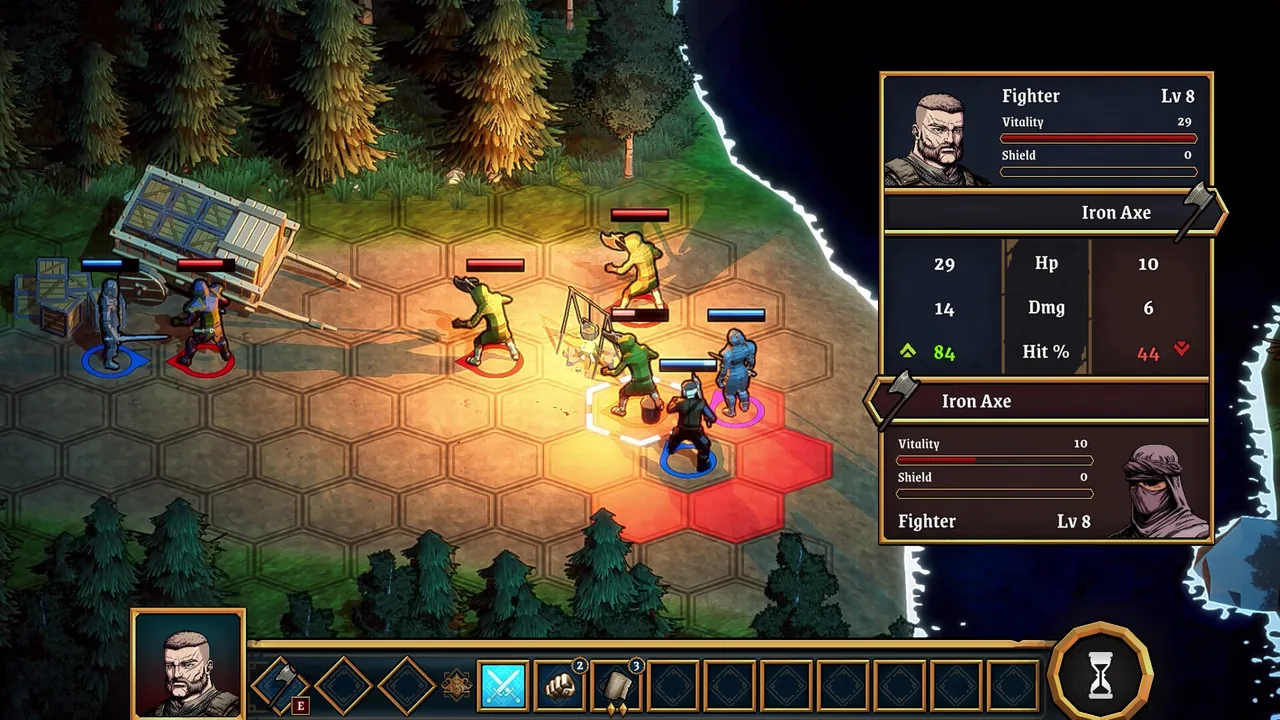
Combat panels lay out hit percentage and damage for both sides before you commit to an attack, rewarding the kind of careful positioning reviewers say sets the hex grid apartImage: Eldin Turulja via Steam -

Overlapping blue movement and red threat zones make the zone-of-control system reviewers praise visible at a glance during multi-unit skirmishesImage: Eldin Turulja via Steam -
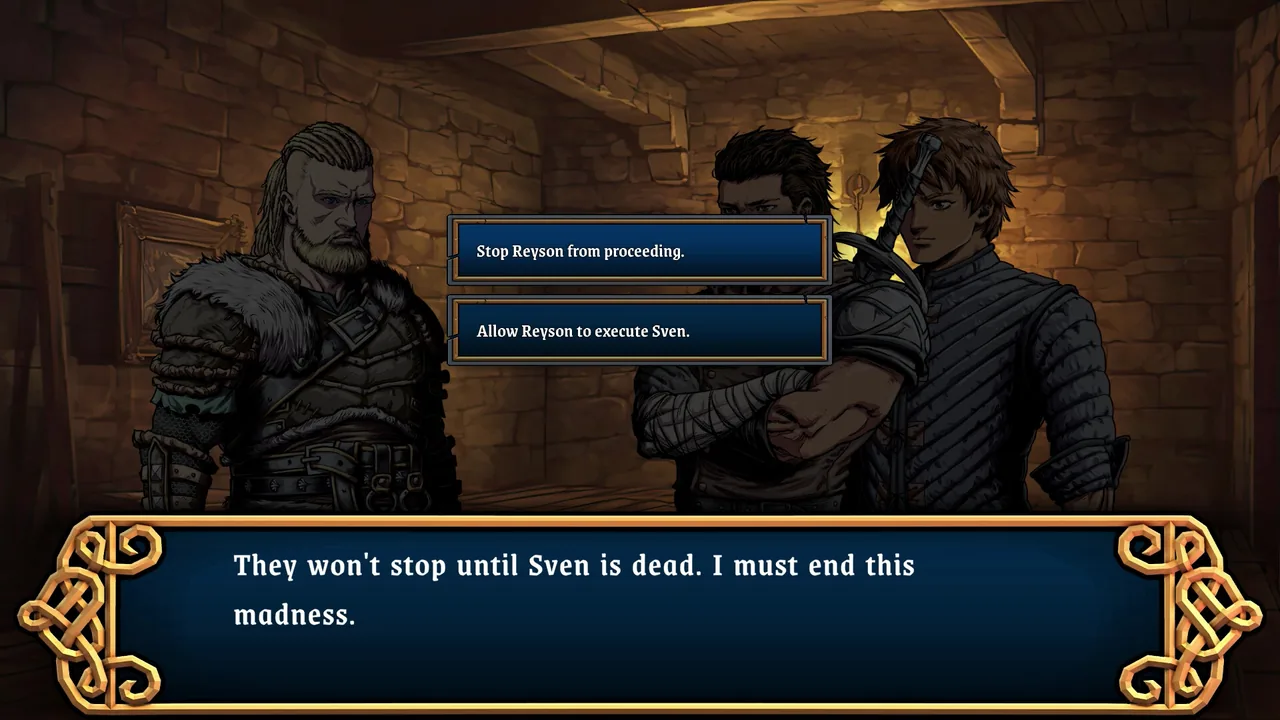
Story choices like whether to let Reyson execute Sven are the kind of morally weighted decisions reviewers cite as the campaign's strongest writingImage: Eldin Turulja via Steam -
Wanderer Game ReviewsWanderer Game Reviews