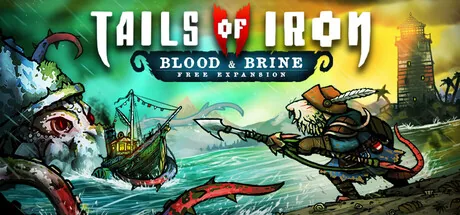
Game review
Tails of Iron 2: Whiskers of Winter
5.8 / 10
- Developer
- Odd Bug Studio
- Publisher
- United Label
The short version
Biggest strengths
- The hand-drawn art style and rat-kingdom atmosphere remain a highlight, with many reviewers directly comparing the world's charm to the Redwall book series
- Doug Cockle, best known as the voice of Geralt of Rivia, returns as narrator, and reviewers consistently single out his performance as one of the game's strongest draws
- A new elemental magic system (Electric, Poison, Fire, and Ice) adds a genuine layer of enemy-weakness strategy to the soulslike combat for players willing to engage with it
Biggest weaknesses
- The single most repeated criticism across the review pool is that the sequel reuses the first game's story beats, structure, and combat almost wholesale, offering little that feels genuinely new
- Several reviewers describe healing animations as painfully slow and bosses as prone to running across the map mid-fight, turning encounters into a tedious chase rather than a tense duel
- The elemental resistance system is criticized by a significant portion of reviewers as busywork, forcing frequent trips into crafting and equipment menus rather than adding meaningful strategic depth
5.8 / 10
Overview
Tails of Iron 2: Whiskers of Winter picks up as Arlo, young heir to the Warden of the Wastes, journeys into the snow-ravaged northern realms of the Ratdom to confront an ancient evil known as the Dark Wings. Developed by Odd Bug Studio and published by United Label, it continues the hand-drawn soulslike formula of the original Tails of Iron, adding a new elemental magic system, settlement-building, and a roaming giant-beast hunt on top of the first game's dodge-and-parry combat. It released on Steam on January 28, 2025, priced at NZ$35.99, and holds a Mostly Positive standing across roughly 1,860 reviews.
That "Mostly Positive" tag, rather than a clean Very Positive, tells the real story of the review pool: this is a sequel almost universally praised for its presentation and narration, but deeply divided over whether it actually improves on, or simply repeats, everything its predecessor already did.
Story and Setting
Following the war between Rodent and Frog chronicled in the first game, Whiskers of Winter sends Arlo into a frost-bitten kingdom to root out the Dark Wings, uniting disparate clans and uncovering a secret tied to blood and crown along the way. The entire adventure is narrated by Doug Cockle, best known to most players as the voice of Geralt of Rivia in The Witcher series, and reviewers repeatedly call his performance one of the game's best assets, with several describing it as reason enough to buy the game on its own. The world's storybook presentation draws frequent comparisons to the Redwall novels, and reviewers who grew up on that series in particular describe the atmosphere as uniquely charming among soulslike games.
Where the story draws real criticism is in how closely it mirrors the first game's structure. Multiple reviewers point out that the opening hours follow almost the exact same beats as the original, and that the overall plot, while serviceable, doesn't meaningfully expand on what Tails of Iron already told. A few reviewers who played both games back to back found this repetition frustrating enough to call the sequel "a reskin," while others treat the familiarity as comforting rather than lazy, framing it as more of the same world they already loved rather than a bold reinvention.
Gameplay and Mechanics
Combat retains the original's soulslike foundation, dodge rolls, parry bashes, and gruesome finishing executions, now layered with a new "Elementa" magic system covering Electric, Poison, Fire, and Ice damage, plus matching resistances on enemies and craftable gear. Reviewers are split roughly down the middle on whether this addition works. Supporters describe it as giving real purpose to weapon and armor variety, rewarding players who study enemy weaknesses and swap loadouts accordingly. Detractors, and there are many in the review pool, call it busywork: since most equipment is strong against one element and weak against others, players report constantly ducking into crafting and inventory menus between fights rather than actually fighting, turning what should be tactical depth into administrative overhead.
A newly added stun mechanic and roaming bosses that flee across the map mid-encounter are the most frequently cited frustrations. Several reviewers describe chasing a boss across an arena as tedious rather than tense, and combined with notably slow healing animations, some found extended fights turning into a war of attrition against pacing rather than the enemy. On the technical side, reviewers report mixed but not universally negative experiences: dodge i-frames and hit detection are called "wildly unclear" by some, while others report the game running smoothly with no issues at all, including strong Steam Deck battery life.
Progression and Replayability
Progression follows the settlement-upgrade loop familiar from the first game: gold and resources earned from giant-beast hunts and clan quests fund upgrades to the Smithy, Kitchen, and shop, unlocking stronger gear and tools over time. Reviewers report widely varying completion times, from roughly 9 hours for a focused story run to close to 100 hours for players chasing full completion across every difficulty, including the punishing Bloody Whiskers mode. A free "Blood & Brine" expansion adds roughly 90 minutes of additional content, praised by reviewers who tried it for its bosses and gear, though several note it doesn't advance the main story.
Reviewers disagree sharply on difficulty balance. Some found the sequel noticeably easier than the original once early health upgrades kick in, with a handful calling certain fights "cheesable," while others praised the difficulty curve as fairer and better-tuned than the first game's reliance on exploit strategies. A more consistent complaint involves achievements: multiple reviewers report chasing 100% completion only to find some achievements unobtainable due to bugs, an issue that undercuts an otherwise generous save-point and difficulty-selection system reviewers say is well spread out and easy to adjust mid-run.
Visual Style and Sound Design
The hand-drawn 2D art style is close to unanimously praised, with reviewers calling the character art and backdrops beautiful and describing the sequel's visuals as even more polished than the original's. Combined with Doug Cockle's narration and a soundtrack multiple reviewers call top-notch, the overall atmosphere is consistently rated as the game's strongest asset regardless of how a given reviewer feels about the gameplay changes underneath it.
Technical polish is where opinions diverge most sharply. A meaningful portion of the review pool describes the game as unpolished compared to its predecessor, citing bugs in the new roaming-boss system, a slow-paced final act where narration doesn't match cutscene pacing, and at least one specific progression-blocking bug involving the lightning spell failing to activate during the Thunder Magic Arena encounter. Other reviewers report a clean, smooth experience throughout, including reliable Steam Deck performance, suggesting the technical issues may be more inconsistent across hardware and save states than universal.
Verdict
Tails of Iron 2: Whiskers of Winter delivers exactly what fans of the original came for: gorgeous hand-drawn art, Doug Cockle's excellent narration, and the same rat-kingdom soulslike combat, now dressed up with an elemental magic system that roughly half the review pool finds adds real depth and the other half finds tedious. It's a safe, competent sequel rather than an ambitious one, and reviewers who loved the first game's exact formula are likely to feel the same way about this one. But players hoping for meaningful innovation, tighter pacing, or a story that moves the world forward in a substantial way should temper their expectations, and the reported bugs and achievement issues are worth waiting on a patch or two before diving in.
Pros and cons
Pros
- The hand-drawn art style and rat-kingdom atmosphere remain a highlight, with many reviewers directly comparing the world's charm to the Redwall book series
- Doug Cockle, best known as the voice of Geralt of Rivia, returns as narrator, and reviewers consistently single out his performance as one of the game's strongest draws
- A new elemental magic system (Electric, Poison, Fire, and Ice) adds a genuine layer of enemy-weakness strategy to the soulslike combat for players willing to engage with it
- Multiple difficulty tiers, from a story-focused Tails of Iron mode up to the punishing Bloody Whiskers mode, let players tune the challenge to their taste, and it runs well on Steam Deck
Cons
- The single most repeated criticism across the review pool is that the sequel reuses the first game's story beats, structure, and combat almost wholesale, offering little that feels genuinely new
- Several reviewers describe healing animations as painfully slow and bosses as prone to running across the map mid-fight, turning encounters into a tedious chase rather than a tense duel
- The elemental resistance system is criticized by a significant portion of reviewers as busywork, forcing frequent trips into crafting and equipment menus rather than adding meaningful strategic depth
- At least one reviewer reports a progression-blocking bug in the Thunder Magic Arena where the lightning spell fails to activate, and others cite unpolished performance and unobtainable achievements
Screenshots
-
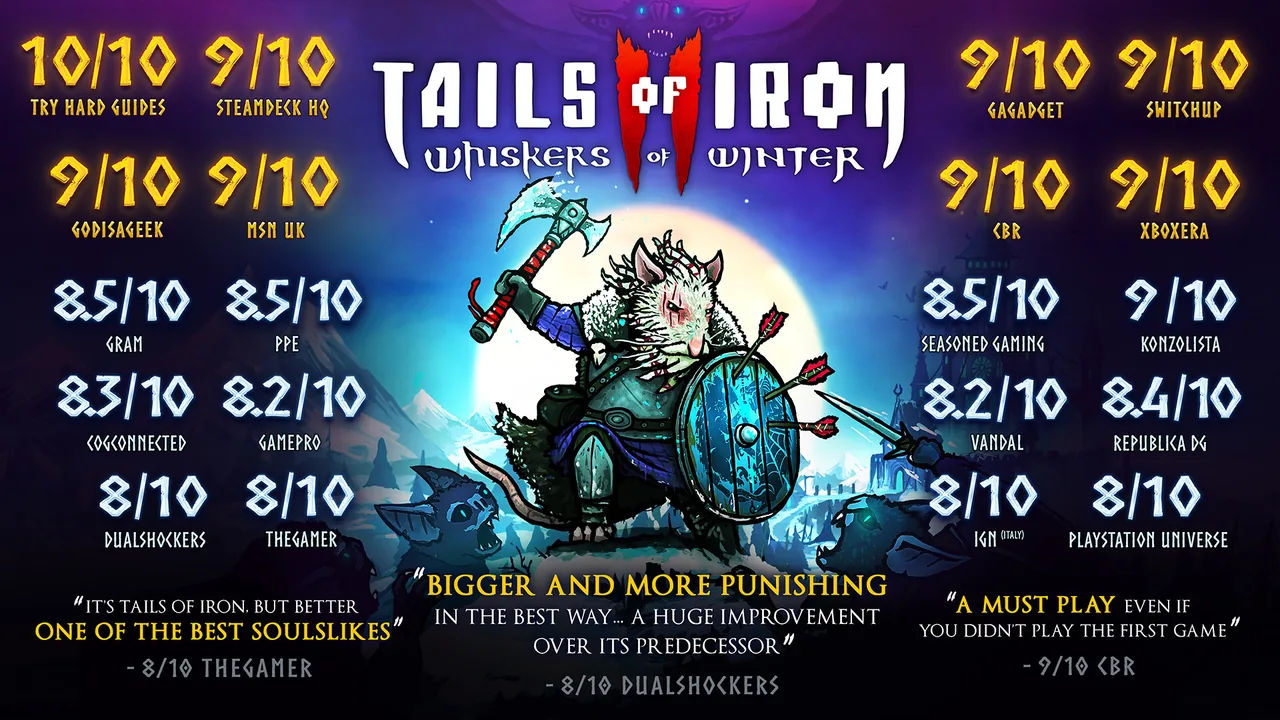
Launch marketing leaned heavily on critical acclaim, though the Steam user-review score has since settled at a more divided Mostly PositiveImage: Odd Bug Studio via Steam -
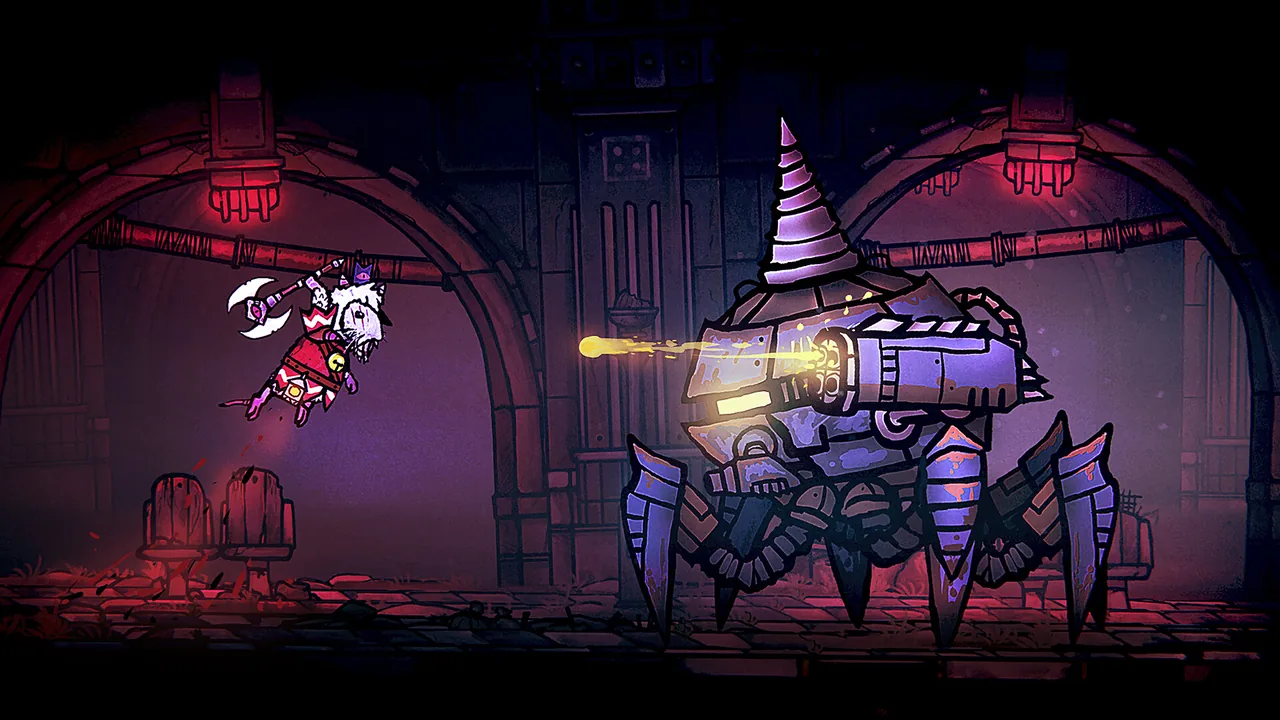
Boss encounters like this mechanical turret showcase the dodge-and-parry combat reviewers say remains the series' strongest assetImage: Odd Bug Studio via Steam -
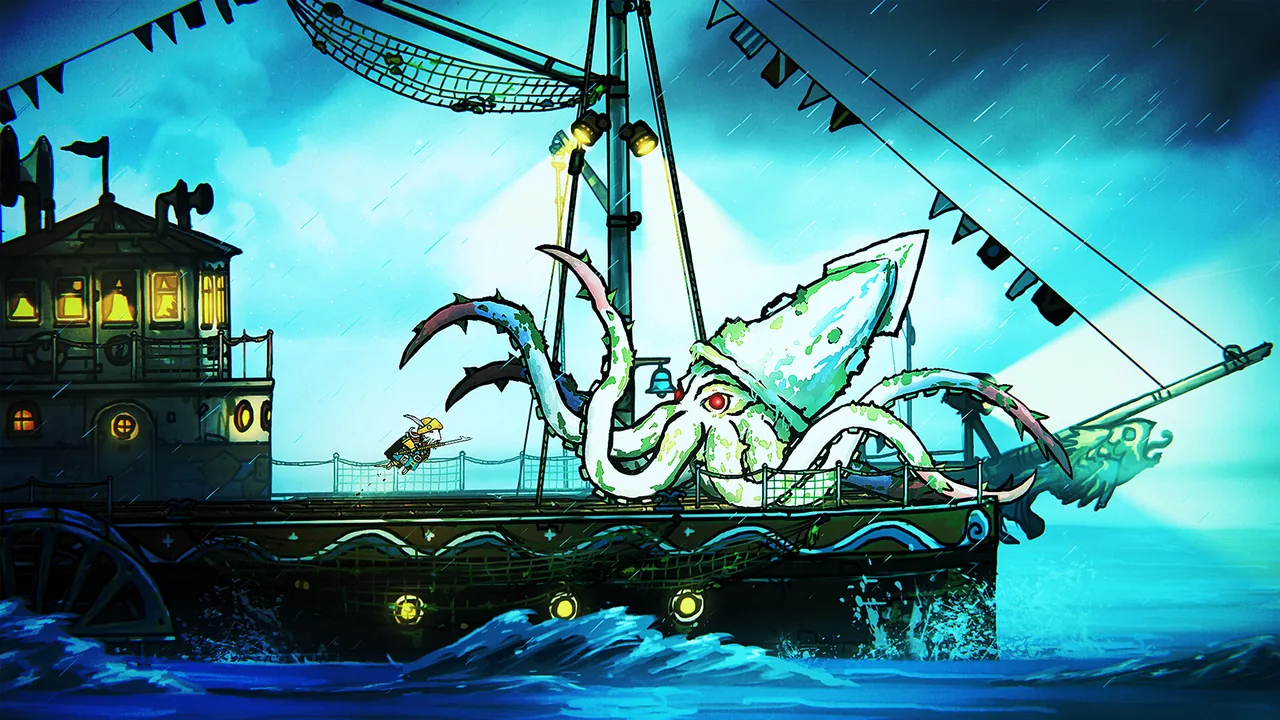
Giant beast hunts like this shipboard confrontation are central to earning the rare crafting materials the settlement-upgrade loop depends onImage: Odd Bug Studio via Steam -
Wanderer Game ReviewsWanderer Game Reviews