Game review
Murim Survival
6.2 / 10
- Developer
- Sunwood Games
- Publisher
- Sunwood Games
The short version
Biggest strengths
- A martial-arts theme, real story content, and NPC recruitment give it more identity than the average Vampire Survivors clone
- A genuinely deep equipment-and-martial-arts combination system rewards experimentation across dozens of runs
- Manual aim and a slower, more deliberate pace differentiate it from faster bullet-heaven peers
Biggest weaknesses
- Progression is gated behind clearing a stage's boss, so a difficulty wall can lock you out of an entire map with no partial credit
- Gear iconography is unclear — reviewers report difficulty telling which stat an item icon actually represents
- The companion/NPC-recruitment system feels underdeveloped relative to the rest of the game's systems
6.2 / 10
The Pitch
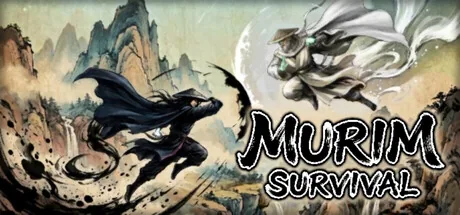
Murim Survival takes the now-familiar Vampire Survivors formula — stand in a shrinking arena, mow down endless waves of enemies for fifteen to twenty minutes, and slowly snowball into a screen-clearing killing machine — and wraps it in a martial-arts fantasy setting most bullet-heaven games don't bother with. You play Sowoon, a warrior in a Murim world that collapsed five hundred years after its golden age, now overrun by monsters and a spreading affliction called Madness. Between runs you return to a Hideout to talk with NPCs, some of whom become recruitable companions, and slowly unravel a story that's unusually substantial for the genre.
Mechanically, it's built on the Vampire Survivors/Diablo blueprint the developer cites directly: fight through a ruined map, gather over sixty types of permanently obtainable equipment and martial arts, and combine active and passive skills into builds that carry Mastery bonuses from run to run. It's currently in Early Access — first surfacing publicly in March 2025 — with a 1.0 release still ahead, and its 30 English reviews (29 positive) sit comfortably in "Positive" territory even as several reviewers flag the same handful of rough edges.
The Martial-Arts Identity Actually Works
The single thing reviewers keep returning to, positive and mixed alike, is that Murim Survival doesn't feel like just another interchangeable entry in an oversaturated genre. One detailed review calls out the "progression depth and thematic focus" as the game's real differentiator from the wave of Vampire Survivors clones currently flooding Steam, while another appreciates that the game "actually had some story" rather than being purely a numbers-go-up experience. The martial-arts framing isn't just cosmetic — Mastery accrues specifically through repeated use of individual martial arts techniques, meaning your build choices in one run meaningfully inform what gets stronger in the next, and the manual-aim option gives combat a more deliberate feel than the auto-targeting most peers default to.
Reviewers who've put real time in (several past 500, 900, even 2,800 minutes) consistently describe a game that rewards patience: one calls the early impression underwhelming before a later session convinced them the build variety was worth sticking around for, describing it as able to produce "truly monstrous builds" once active skills and upgrade points start compounding. The pixel art is repeatedly called "charming" and "clear" rather than merely functional, and the soundtrack gets a specific nod as well. Value comes up unprompted almost as often as the martial-arts theme itself: at its current Early Access price (around NZ$11.79, with some reviewers recalling paying closer to eight dollars at launch), multiple reviewers explicitly frame it as punching above its price bracket, with one going as far as saying it "can already keep up with the triple A slop" despite being a fraction of the cost — a specific, repeated value argument rather than generic praise.
A Notably Slower, More Grounded Pace
Where Murim Survival diverges most from its inspirations is tempo. Several reviewers describe the game as deliberately slower and heavier than faster bullet-heaven peers — one compares your character to "tugging around a ball and chain" and frames that as a feature rather than a flaw for players who want "a slow, grueling challenge" instead of something fast and flashy. That's a real design choice with real trade-offs: the meta-progression curve is gentler, so the moment-to-moment dopamine hit some genre fans chase arrives later and less often, but the payoff is a game that rewards sticking with a single build across many runs rather than chasing constant small wins. It won't suit everyone chasing the genre's usual power-fantasy pacing, but it's a coherent identity rather than an accident of underbalancing.
The Rough Edges Are Consistent, Not Isolated
Despite the goodwill, the same handful of complaints surface across multiple independent reviews, which is a stronger signal than any one of them alone. The most structurally significant is that progress through the map roster is gated behind actually clearing a stage's boss — unlike most survivor-likes, where a bad run just means less loot, here a boss wall can leave you stuck replaying an entire map with essentially no way forward until you beat it. One reviewer calls this "obnoxious" specifically because nearly all of a map's difficulty is concentrated in that final fight, so a full clear can dead-end on the one encounter that matters.
Gear clarity is the second recurring complaint: multiple reviewers report genuine confusion over what individual equipment icons represent, unable to tell at a glance which item boosts critical chance versus critical damage, and there's no in-game library to look up which martial arts skills can combine or evolve together — a real problem in a system this build-dependent. The companion/NPC system, meanwhile, is repeatedly described as feeling "tossed in" relative to the rest of the game's systems, more a checkbox feature than a fully realized one. And a non-trivial number of reviewers, even positive ones, flag concern about development pace — one non-English review (translated) describes the game as having gone without meaningful patches for a stretch, framing it bluntly as feeling abandoned mid-development, a sentiment echoed more gently by English reviewers hoping for "significantly more content" given how crowded this genre has become.
Verdict
Murim Survival earns its Positive rating by doing something a lot of its genre-mates don't bother with: giving its bullet-heaven mechanics an actual identity, a story worth following, and a martial-arts combination system with real depth once you commit to learning it. The boss-gated progression, unclear gear iconography, and half-finished companion system are real, repeatedly-cited problems rather than one-off complaints, and the slower update cadence some reviewers worry about is worth keeping in mind before buying into an Early Access title expecting rapid content growth. Still, at its current price and in its current state, it's a genuinely above-average entry in an oversaturated genre — worth a look if the martial-arts setting or the promise of build depth appeals to you, with the understanding that you're buying into an unfinished game with real, if survivable, growing pains.
Pros and cons
Pros
- A martial-arts theme, real story content, and NPC recruitment give it more identity than the average Vampire Survivors clone
- A genuinely deep equipment-and-martial-arts combination system rewards experimentation across dozens of runs
- Manual aim and a slower, more deliberate pace differentiate it from faster bullet-heaven peers
- Strong value at its current Early Access price, with reviewers consistently calling it a fair or generous deal
Cons
- Progression is gated behind clearing a stage's boss, so a difficulty wall can lock you out of an entire map with no partial credit
- Gear iconography is unclear — reviewers report difficulty telling which stat an item icon actually represents
- The companion/NPC-recruitment system feels underdeveloped relative to the rest of the game's systems
- Update cadence has been slow enough that several reviewers explicitly worry about long-term development momentum
Screenshots
-
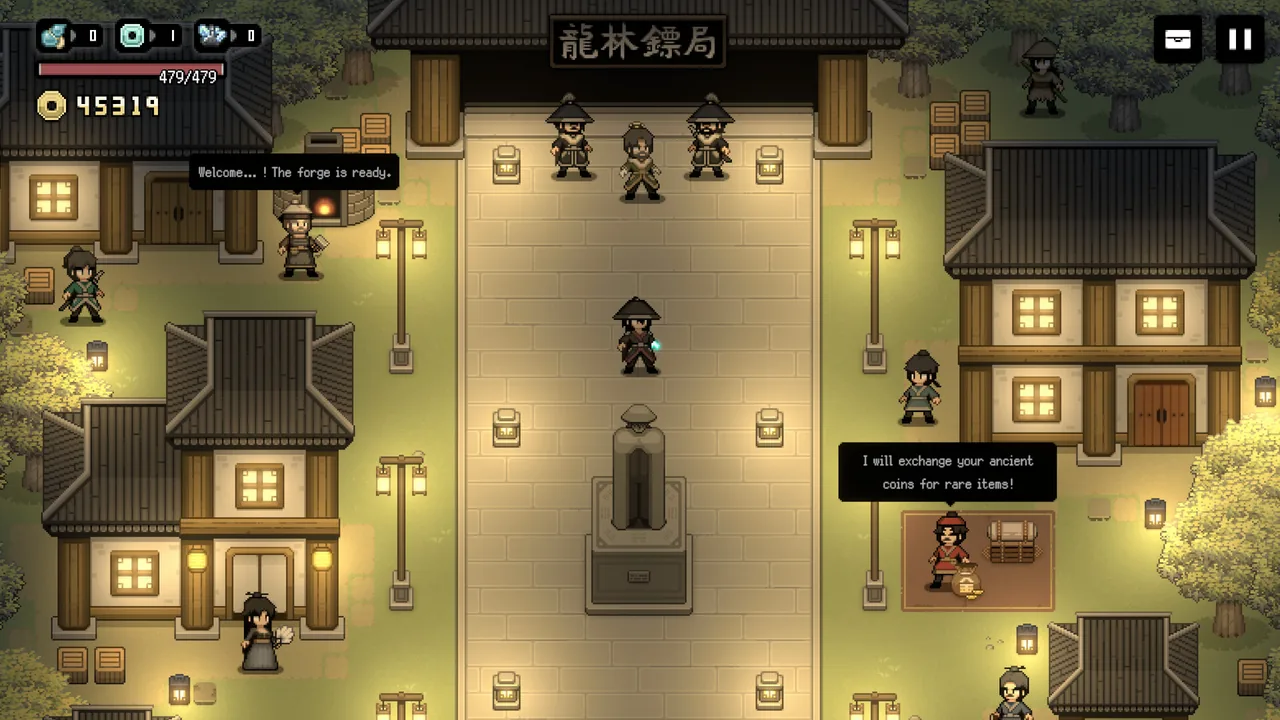
The Hideout — the between-run village hub where NPCs, shops, and companions liveImage: Sunwood Games via Steam -
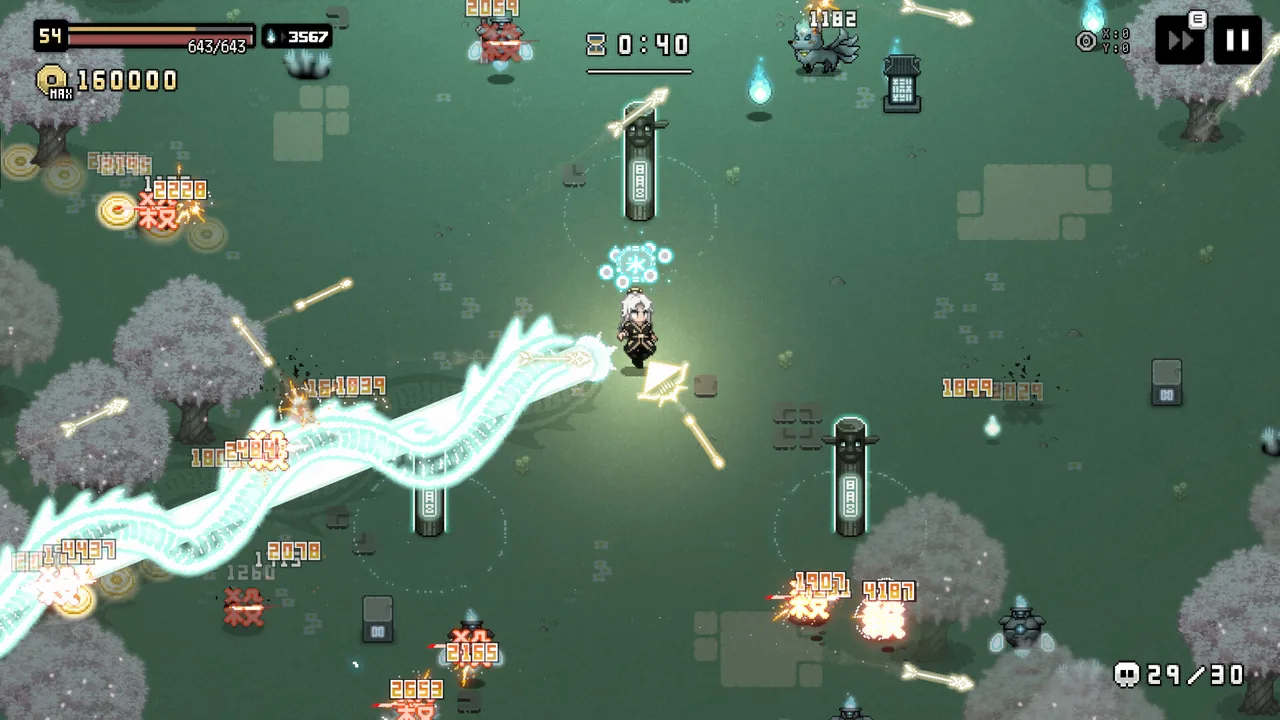
A late-run build coming together, with active martial arts skills filling the screenImage: Sunwood Games via Steam -
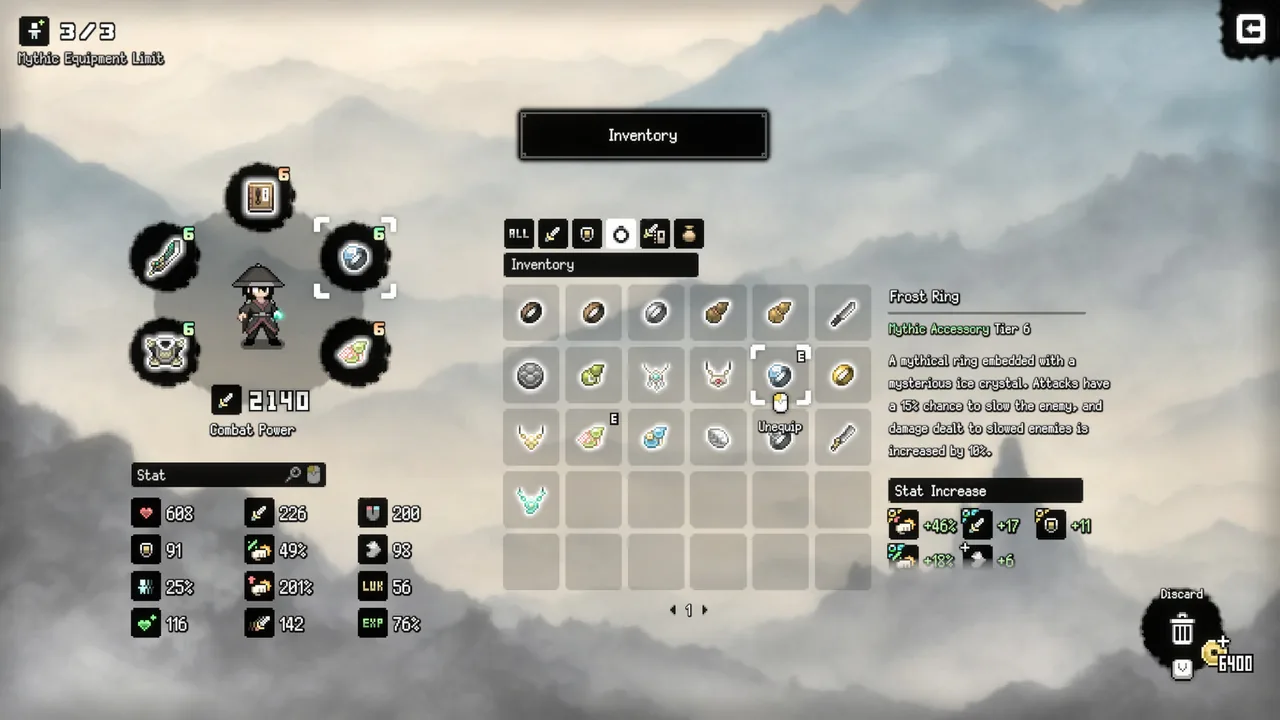
The equipment inspection screen — the mythic-tier gear system reviewers found deep but sometimes unclearImage: Sunwood Games via Steam -

Category scores for Murim SurvivalWanderer Game Reviews