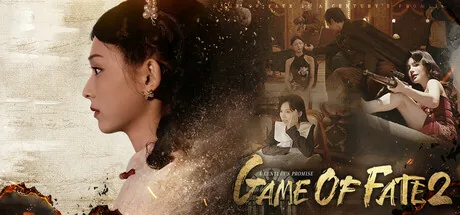
Game review
Game of Fate 2: A Century's Promise
6.4 / 10
- Developer
- KARMAGAME HK LIMITED
- Publisher
- EpicDream Games
The short version
Biggest strengths
- Reviewers consistently praise the production values, with live-action performances, 1920s Republic-of-China-era costuming and sets, and cinematography described as a genuine step up from most full-motion-video titles
- The lead actress's performance and the wider cast draw repeated specific praise, with several reviewers naming individual actors and calling their work the game's emotional anchor
- A new favorability-tracking feature lets players see how their choices affect relationships with each character in real time, which reviewers single out as a meaningful improvement over the first game
Biggest weaknesses
- English subtitle quality is the review pool's most consistent complaint, with reviewers reporting scenes with missing subtitles, out-of-sync timing, and awkward or ambiguous translation throughout
- Several reviewers say the branching choices are often illusory, funneling players down a narrow intended route rather than offering the meaningful divergence the format promises
- The story leans heavily on knowledge of Chinese history and the events of the first game, and reviewers warn that Western players unfamiliar with either may miss key context and references
6.4 / 10
Overview
Game of Fate 2: A Century's Promise is a first-person, live-action interactive movie from KARMAGAME HK LIMITED, published by EpicDream Games, and released on Steam on January 14, 2025. A direct sequel set five years after the events of the original Game of Fate, it drops the modern-day serial-killer framing of its predecessor in favor of a standalone period drama: a mysterious artifact pulls the protagonist a century back into a turbulent 1920s Republic-of-China setting defined by revenge, loyalty, and shifting allegiances. It holds a Very Positive standing across 68 reviews.
The review pool is largely enthusiastic, with reviewers consistently praising the production's scale and the cast's performances as a genuine step up from the first game, while just as consistently flagging rough English subtitles and choices that feel less consequential than advertised as the sequel's clearest weaknesses.
Story and Setting
The plot follows a scientist protagonist whose experiments with time travel pull him a century into the past, into a story reviewers describe as blending sci-fi framing with a grounded, historically inspired revenge narrative. Reviewers repeatedly note that the game continues directly from the first title's ending, closing out lingering threads for players who finished the original, while a handful add that newcomers can still follow along thanks to an opening recap.
Several reviewers highlight the returning cast, particularly praising one lead actress's performance across the game's central relationships, and describe the interweaving of era-appropriate politics, romance, and personal loyalty as more emotionally grounded than typical dating-sim-adjacent FMV fare. The most consistent caveat is cultural: multiple reviewers explicitly warn that the story draws heavily on Chinese historical context and references that Western audiences may not fully register, even as they still found the core human drama compelling on its own terms.
A number of reviewers also point out a returning supporting cast member who played a different role in a separate, related title by the same team, treating the crossover as a pleasant bonus for players already following the studio's other work rather than a story requirement. Opinions are split on whether the sequel's central romantic subplot strengthens or dilutes the revenge plot at its core, with some reviewers calling the balance an improvement over the first game's tighter focus and others feeling the thriller elements get crowded out in the back half.
Gameplay and Mechanics
As an interactive movie, the core loop is choice-driven: players select dialogue and action options at branch points that shift the story toward one of several endings, with a still-shot scrapbook style presentation that reviewers say makes it easy to track which paths are locked or unlocked. The headline new mechanic this time is a live favorability tracker, letting players see in real time how choices affect standing with individual characters, which several reviewers call a clear, welcome improvement over the more opaque system in the first game.
Not every reviewer is convinced the choices carry real weight, though. A recurring complaint is that many decision points funnel the player toward a single intended outcome regardless of what's picked, with one reviewer describing certain choices as effectively decorative rather than genuinely branching. This tension between the game's visible mechanical improvements and its sometimes-illusory sense of agency is the most consistent critical thread in the gameplay-focused feedback.
The scene-skip and chapter-select tools also draw comment, with several reviewers praising how easy it is to jump back to a specific decision point to chase a missed ending without replaying the entire chapter from scratch. That convenience matters more here than in a typical visual novel, since a handful of the character-specific favor endings require threading a narrow sequence of choices that most players won't land on their first attempt.
Progression and Replayability
Reviewers put full-completion playtime at roughly 12 hours, factoring in multiple endings and the pursuit of all achievements. The branching structure and character-specific favorability endings give the game clear replay value, and reviewers who chased 100% completion describe the various paths, including notably difficult-to-reach favor endings for specific characters, as demanding enough to require real strategy around dialogue choices rather than blind repetition.
That said, a few reviewers note the sequel's stakes feel lower than the original's serial-killer mystery, since much of the central conflict is resolved earlier and the back half leans more on romance and political intrigue than escalating tension. This is treated as a matter of taste rather than a structural flaw, with most reviewers still finding enough reason to pursue additional playthroughs for the character-specific content alone.
Visual Style and Sound Design
Live-action production values earn some of the review pool's strongest praise, with reviewers repeatedly citing the period-accurate 1920s costuming, sets, and cinematography as unusually polished for the FMV genre, and several specifically praise the 4K presentation. Music also draws positive mentions, though at least one reviewer flags copyright issues triggered while livestreaming the game, suggesting some of the soundtrack may not be fully cleared for that kind of use.
Subtitles are where the presentation consistently falters. Numerous reviewers describe English subtitle timing as out of sync with dialogue, translation as occasionally ambiguous or garbled, and in at least one case entire scenes missing subtitles altogether, an issue several reviewers explicitly contrast with the developer's other, better-localized titles. Technical stability is also inconsistent for some players, with at least one report of repeated crashes preventing story progress on certain hardware.
Verdict
Game of Fate 2: A Century's Promise is an ambitious, handsomely produced sequel that reviewers broadly agree improves on its predecessor's production values and cast performances while introducing a genuinely useful favorability-tracking mechanic. Its persistent subtitle and translation problems, occasional sense that choices matter less than the branching structure implies, and reliance on cultural context some Western players may lack keep it from being a clean recommendation for everyone. For fans of FMV drama who enjoyed the original, or who are willing to meet a subtitle-rough but sincerely told historical revenge story halfway, there's a substantial, well-acted experience here worth the price of admission.
Pros and cons
Pros
- Reviewers consistently praise the production values, with live-action performances, 1920s Republic-of-China-era costuming and sets, and cinematography described as a genuine step up from most full-motion-video titles
- The lead actress's performance and the wider cast draw repeated specific praise, with several reviewers naming individual actors and calling their work the game's emotional anchor
- A new favorability-tracking feature lets players see how their choices affect relationships with each character in real time, which reviewers single out as a meaningful improvement over the first game
- Multiple branching paths and endings give the roughly 12-hour campaign real replay incentive, with reviewers who chased 100% achievement completion describing the effort as worthwhile
Cons
- English subtitle quality is the review pool's most consistent complaint, with reviewers reporting scenes with missing subtitles, out-of-sync timing, and awkward or ambiguous translation throughout
- Several reviewers say the branching choices are often illusory, funneling players down a narrow intended route rather than offering the meaningful divergence the format promises
- The story leans heavily on knowledge of Chinese history and the events of the first game, and reviewers warn that Western players unfamiliar with either may miss key context and references
- Technical stability is inconsistent, with at least one reviewer reporting repeated crashes that blocked story progress entirely on their hardware
Screenshots
-
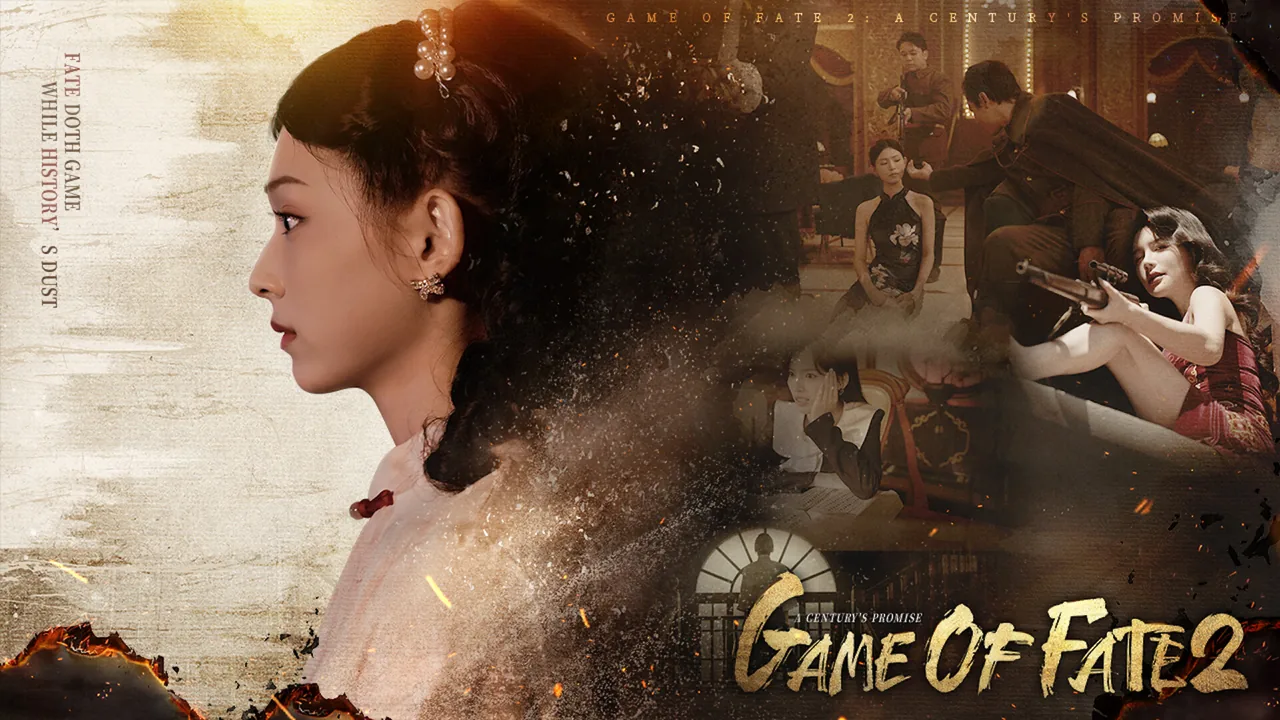
Key art previewing several of the story's dramatic set piecesImage: KARMAGAME HK LIMITED via Steam -
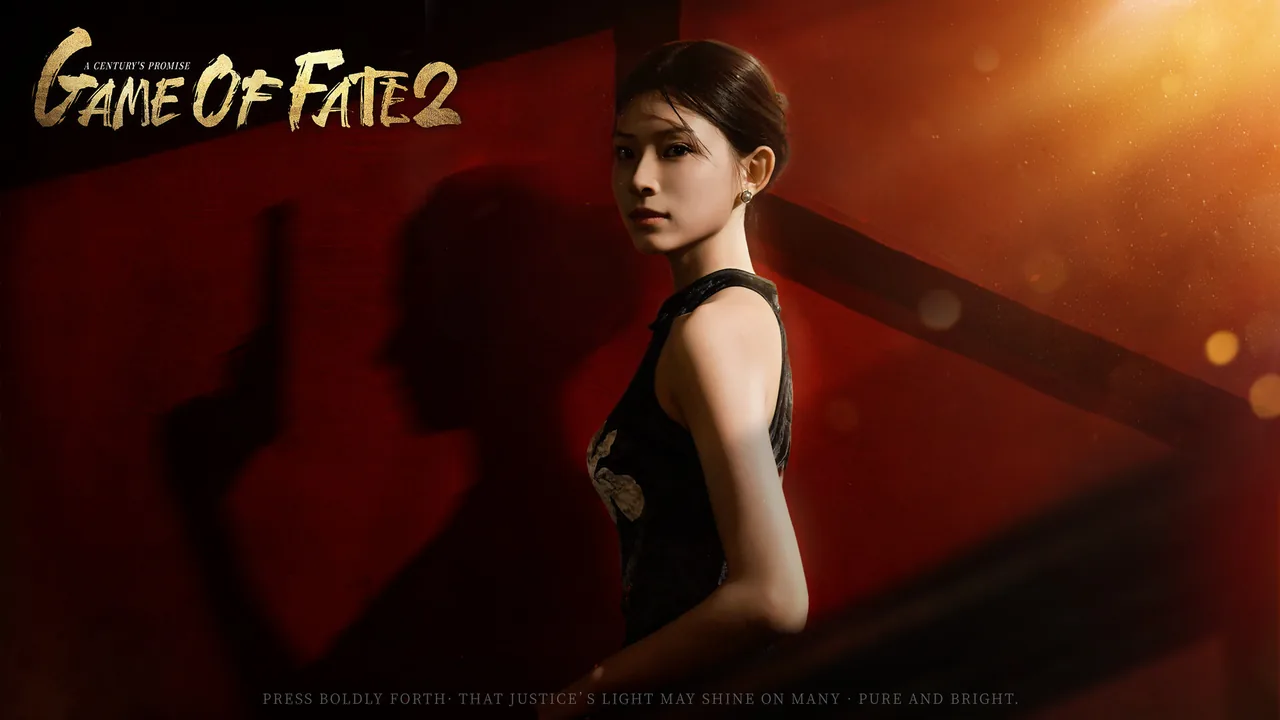
The game's live-action cinematography leans heavily on moody, theatrical lightingImage: KARMAGAME HK LIMITED via Steam -
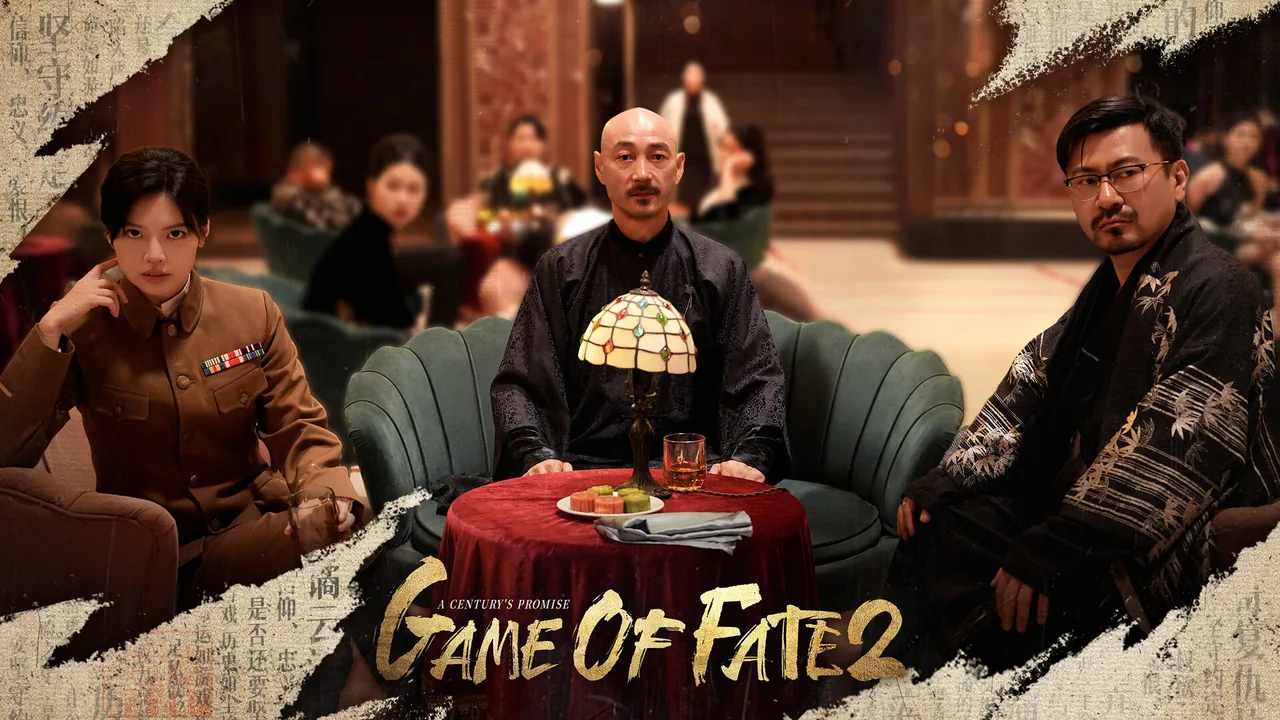
A tense meeting between three of the story's key characters in the game's Republic-of-China-era settingImage: KARMAGAME HK LIMITED via Steam -
Wanderer Game ReviewsWanderer Game Reviews