Game review
Eternal Quest: Ascended
5.3 / 10
- Developer
- Jeremy Moshe
- Publisher
- Jeremy Moshe
The short version
Biggest strengths
- A genuinely deep build-crafting system for the genre, with a self-aware sense of humor about idle-RPG conventions
- Aggressively cheap for the amount of theorycrafting on offer, and multiple reviewers back that value read directly
- Solo developer shipped a hotfix and a balance patch within roughly two weeks of launch, and appears to be reading feedback
Biggest weaknesses
- At least one reviewer reports a full day of played progress failing to save at all, with no fix offered
- Multiple reports of crashes occurring several times per session, severe enough to call the game 'unplayable' as delivered
- The mythic-gear economy is punishingly slow by design: single-digit drops per day gated behind a further reroll system before they're even usable
5.3 / 10
The Pitch
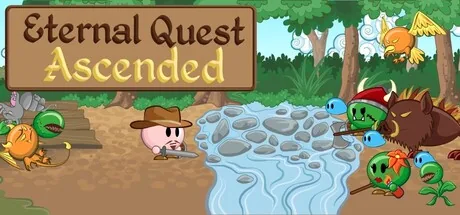
Eternal Quest: Ascended is a solo-developer idle action RPG built around one specific promise: give players the theorycrafting depth of a full-fat ARPG's talent tree and item system, then strip out the part where you actually have to grind through combat by hand. The store page's own framing is unusually candid about this — it pitches itself directly at players who "loved the complex character building, meta crafting and optimization exploration" of games like Path of Exile but "had to slog through all that annoying GAMEPLAY" to get there. You build a hero from five starter classes, ten unlockable starter talents, and over a hundred items, then watch him walk through zones fighting things automatically while you tune the build between runs. It's a fair pitch, delivered with more self-awareness than the genre usually bothers with — the demo is literally titled "Eternal Quest: Unascended," a joke about the whole idle-RPG habit of naming everything after its own progression mechanic.
Developer Jeremy Moshe is shipping this solo and self-published, at a genuinely low NZ$7.39 asking price, and the patch notes since the April launch show real post-release attention: a hotfix within days addressing loading errors, followed by a balance pass roughly two weeks later that touched late-game reward rates, decay speed on a resource called Suns, and achievement point payouts, plus a fix for an ascension bug involving empty inventories. That's a developer who is present and responding, which matters more for a five-review indie idler than it would for a game with a QA department. The problem is that "present and responding" and "currently stable" are two different claims, and the review pool makes clear the second one doesn't yet hold.
Where The Depth Actually Lands
When the build-crafting system is working as intended, it's the game's clearest strength, and reviewers who praise it are specific rather than vague about why. One reviewer calls it "an incredible RPG Idle game" with "lots of possible build options for classes and item combinations for fun builds," explicitly framing the class-and-item combinatorics as the draw rather than the idle wrapper around them. Another describes it as "SO fun" and "a really chill idler," which is a different but compatible read: for players who just want a build to tinker with and something to glance at occasionally, the game clears that bar too. Both of those reviews back their praise with the same underlying claim the store page makes — that there's real depth in how classes, talents, and items interact — and neither reads like a driveby thumbs-up.
That depth is also, per the store's own description, deliberately front-loaded and hidden: the pitch explicitly promises "carefully crafted algorithms, mechanics and interactions waiting to be discovered" beneath a deceptively simple surface. That's a legitimate design choice for a theorycrafting-focused idler, but it puts a lot of weight on the game actually surfacing enough information for players to do the discovering, and that's exactly where the complaints start.
A Grind Built On Sand
One reviewer's account, from a substantial 23,900-minute (nearly 400-hour) playtime, lays out the endgame economy in detail, and it's not flattering: farming runs take "a day or more" per attempt, drop chances on the mythic-tier gear that the build system revolves around are low enough that the reviewer estimates only three to five per day even at that scale, and turning an unwanted mythic into the one you actually want requires accumulating twelve of them for a reroll, a system gated hard enough behind the drop rate that it compounds rather than relieves the problem. Layered on top of that is a crafting system where unidentified mythics get thrown into a blender-style combination mechanic with unknown recipes, meaning even successful farming doesn't reliably translate into usable progress. None of this is a complaint about the build system's depth being fake — it's a complaint that the depth is walled off behind grind math that punishes the exact playstyle (extended, engaged, high-investment play) that a 400-hour reviewer represents. The balance patch's late-game reward increases and slower Sun decay suggest the developer has already registered a version of this complaint, which is a point in the game's favour going forward, but it doesn't retroactively fix what's live right now.
Stacked on top of the economy complaints are two more serious, harder-to-argue-around problems: one reviewer reports putting "a full day" into the game only to find none of it had saved by the next session, and a separate reviewer describes crashes happening "multiple times a day," severe enough that they call the game "unplayable" in its current state. A hotfix specifically targeting load-time errors shipped after these reports, which may address some of this, but an idle game that can silently eat a day of unattended progress is failing at the one thing idle games are structurally supposed to be reliable about — you're not meant to have to babysit it to make sure it's actually keeping score.
Verdict
Eternal Quest: Ascended has a genuinely good idea at its center and a developer who seems to be taking feedback seriously in near-real-time, which counts for something at this price point. But right now it's an idler whose central economy is tuned punishingly slow for the depth it's trying to showcase, and whose stability reports — lost saves, repeated crashes — are serious enough to override the goodwill its cheap price and honest pitch earn it. Worth watching if the developer keeps patching at the current pace; worth buying today only if you're willing to treat an early, occasionally broken build as part of the theorycrafting experiment the game is selling.
Pros and cons
Pros
- A genuinely deep build-crafting system for the genre, with a self-aware sense of humor about idle-RPG conventions
- Aggressively cheap for the amount of theorycrafting on offer, and multiple reviewers back that value read directly
- Solo developer shipped a hotfix and a balance patch within roughly two weeks of launch, and appears to be reading feedback
- The core loop of building, watching, and adjusting a hero's stat spread is satisfying when the numbers are behaving
Cons
- At least one reviewer reports a full day of played progress failing to save at all, with no fix offered
- Multiple reports of crashes occurring several times per session, severe enough to call the game 'unplayable' as delivered
- The mythic-gear economy is punishingly slow by design: single-digit drops per day gated behind a further reroll system before they're even usable
- The much-touted build depth means very little without a UI that actually explains what any of it is doing
Screenshots
-
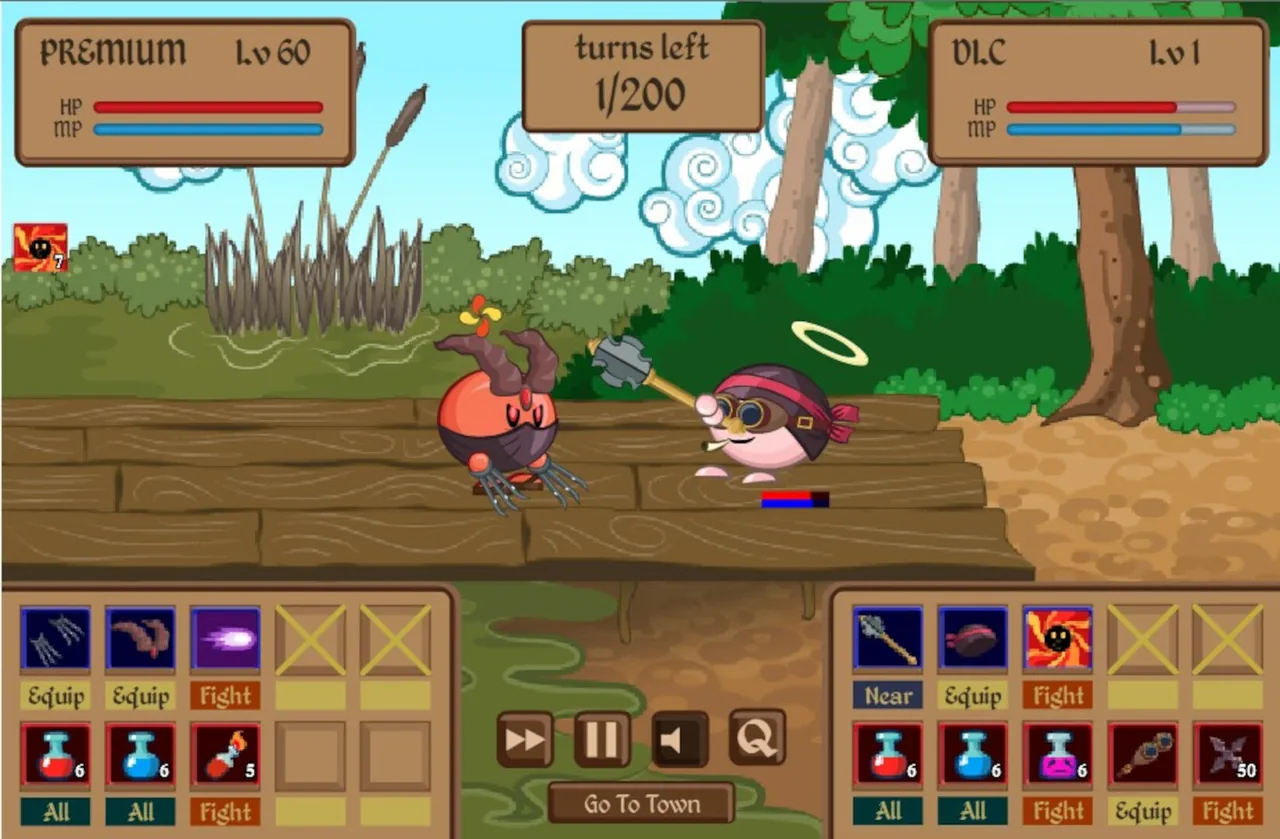
Combat runs automatically in the background, turn by turn, while equipped gear and consumables tick away on their own.Image: Jeremy Moshe via Steam -
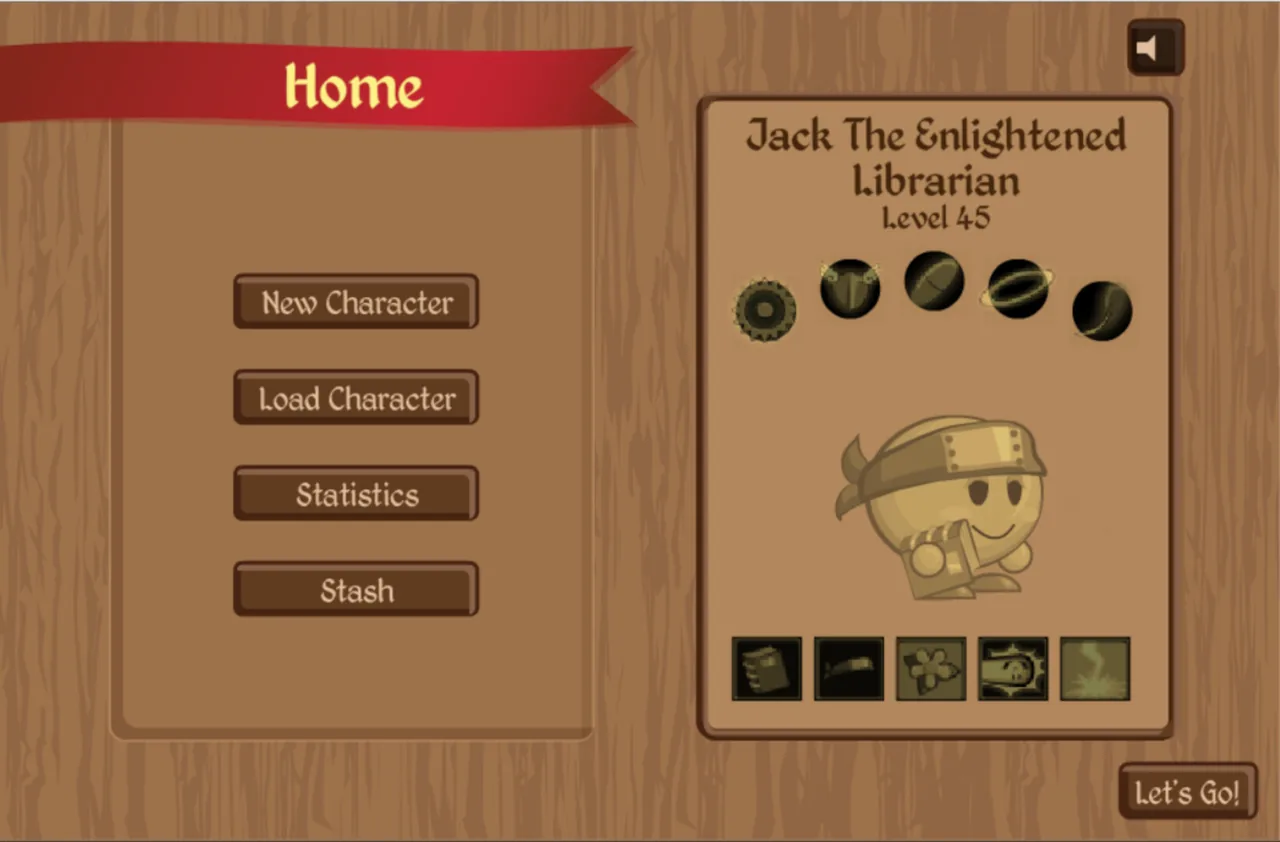
The home screen between runs, where builds get assembled from unlocked talents and gear before the next fight.Image: Jeremy Moshe via Steam -
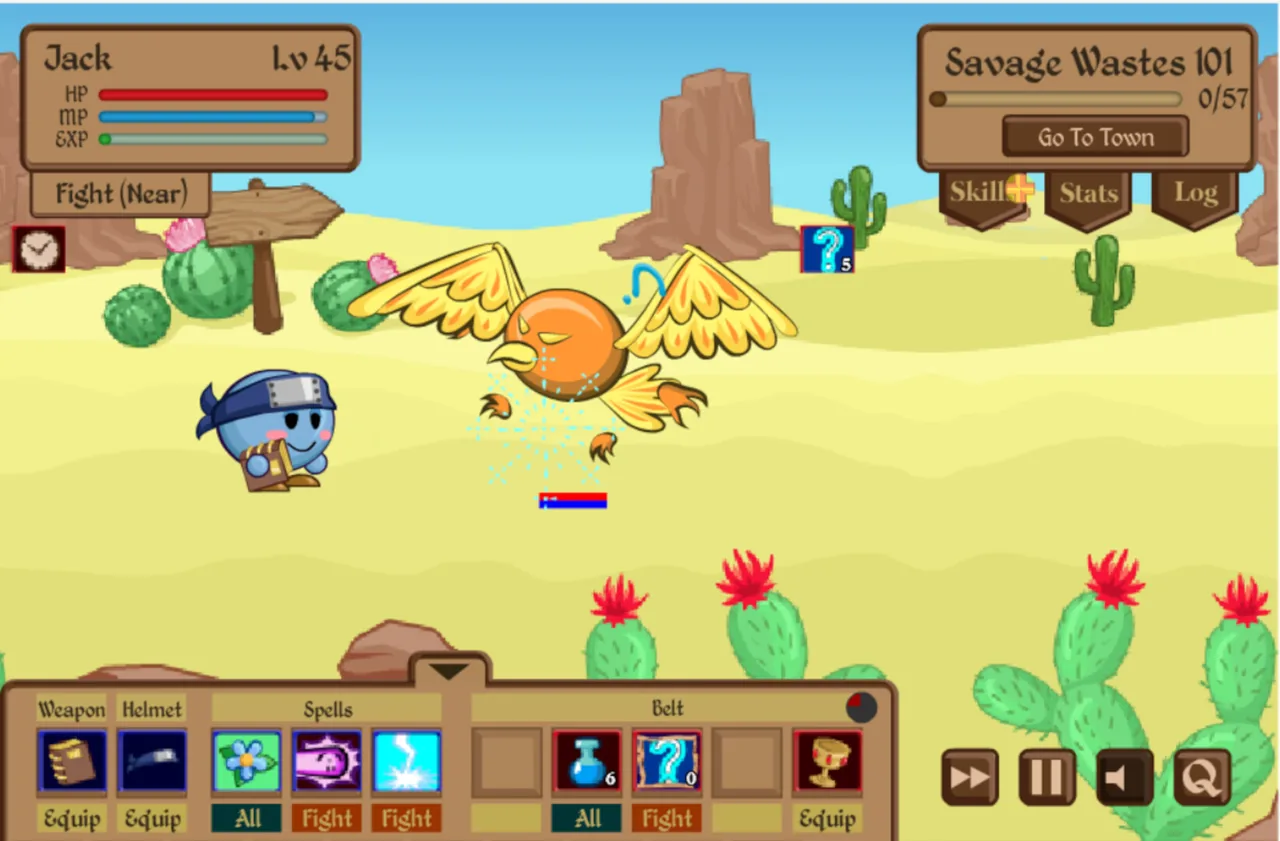
One of the game's desert zones, with the spell and item belt that underpins its build-crafting system laid out along the bottom.Image: Jeremy Moshe via Steam -
Developer, release date and platform details at a glance.Wanderer