
Game review
Cardfight!! Vanguard Dear Days 2
5.2 / 10
- Developer
- FURYU Corporation, LANCARSE Ltd.
- Publisher
- Bushiroad Inc.
The short version
Biggest strengths
- The core Vanguard card game itself draws consistent praise as genuinely enjoyable, with reviewers highlighting back-and-forth matches and meaningful deckbuilding decisions between competing archetypes
- A new Vintage/legacy mode letting players build decks from the game's earliest era earns specific, repeated praise as a nostalgic highlight for long-time fans of the physical card game
- Deckbuilding tools are widely called a clear improvement over the previous Dear Days title, with reviewers citing a helpful 'Related Cards' search feature and a friendlier overall card-browsing UI
Biggest weaknesses
- Pricing is overwhelmingly the review pool's dominant complaint, with the roughly $70 base price plus a steady stream of paid DLC needed to stay competitive described repeatedly as exploitative or 'robbery'
- Stability issues are widespread, with reviewers reporting frequent crashes, a day-one patch required just to make the game playable, and card interactions that stop working correctly after unrelated updates
- English translation quality draws frequent criticism, with reviewers describing errors and awkward phrasing noticeable within minutes of starting the game
5.2 / 10
Overview
Cardfight!! Vanguard Dear Days 2 is the digital sequel to Bushiroad's Dear Days, adapting the long-running physical Cardfight!! Vanguard trading card game into a Steam release with over 3,000 cards, an original story mode, and both ranked and casual online play. Developed by FURYU Corporation and LANCARSE Ltd. and published by Bushiroad Inc., it launched on January 29, 2025, and holds a Mixed standing across 376 reviews.
The review pool is sharply divided, and the divide runs along a consistent line: reviewers who focus on the underlying card game and its improved deckbuilding tools tend to walk away satisfied, while the game's pricing structure, launch-week stability, and English localization draw criticism severe and widespread enough to drag the overall reception down to Mixed.
Story and Setting
Dear Days 2 ships with what Bushiroad describes as a brand-new original story set within the broader Cardfight!! Vanguard anime continuity, though reviewers treat it as a secondary feature rather than a selling point. One reviewer rates the story mode a middling "5 out of 10," noting it neither offends nor particularly enthuses, while others note the story exists mainly to teach mechanics and introduce opponent decks rather than to stand on its own as a narrative.
More pointed criticism comes from longtime players who note that, unlike a typical sequel, new story content essentially stops after launch, with card set releases arriving on a slow cadence and no ongoing narrative expansion to match. For players coming to Dear Days 2 primarily for a Vanguard-flavored story campaign, reviewers suggest tempering expectations considerably; the appeal here lies almost entirely in the card game itself.
A handful of reviewers who followed the anime series into its newer "D series" and "DivineZ" eras note that the game's setting draws lightly on that ongoing continuity without requiring prior familiarity, framing the story mode as accessible to newcomers even if it won't be what keeps them playing.
Gameplay and Mechanics
At its core, reviewers consistently praise the Vanguard card game as genuinely fun, describing matches as a back-and-forth exchange with real strategic depth between competing archetypes, a stronger sense of give-and-take than many reviewers say they find in other modern digital card games. The new Vintage mode, letting players build decks using cards and rules from the franchise's earliest era, draws specific and repeated praise as a nostalgic highlight, with one reviewer specifically calling out reliving "season 1" deckbuilding as a standout addition.
The friction comes almost entirely from systems layered on top of that solid core. Reviewers report card interactions that stop functioning correctly after patches meant only to add new content, PvE content that several call a downgrade from the original Dear Days, and matchmaking that multiple reviewers describe as broken or prone to pairing new players against far more experienced opponents. The underlying game clearly works, in other words, but reviewers consistently note that the surrounding infrastructure often gets in its way.
Progression and Replayability
Deckbuilding is one of the review pool's clearer wins: reviewers repeatedly praise a "Related Cards" search tool and a generally friendlier card-browsing interface as meaningful improvements over the original Dear Days, and several specifically welcome the fact that progress and unlocked cards carry over from the first game, a generosity some reviewers say they didn't expect from a sequel.
Long-term progression is where opinions split hardest, and almost entirely along financial lines. Reviewers broadly agree there's a large and growing card pool to chase, but many describe the practical path to a competitive deck as gated behind expensive paid DLC on top of an already steep base price, with several explicitly comparing the total cost unfavorably to buying real-world booster packs. A few reviewers push back on this framing, arguing that even with DLC costs, the total remains cheaper than collecting the same cards physically, but they're a minority voice against a much larger chorus of pricing complaints. Region-lock restrictions add another wrinkle to progression for some players, with several reviewers reporting they had to manually switch their Steam download region to find active matchmaking pools at all.
Visual Style and Sound Design
Presentation draws comparatively little discussion in the review pool, which reviewers implicitly treat as a mark against a full-priced sequel: a few note the game "looks much worse than the last game" or find the UI harder to navigate on first impression, though this criticism is less consistent than the game's other pain points. In-game card animations receive occasional positive mention as a step up in presentation quality for individual card effects during matches.
Where technical presentation clearly falls short is stability and infrastructure. Reviewers report frequent crashes across a range of hardware configurations, connection issues during ranked play, and a day-one patch that several describe as a bare-minimum requirement just to make the game functional at launch. English localization is a recurring specific complaint, with reviewers noting spelling and grammatical errors visible within the first few minutes of play.
Verdict
Cardfight!! Vanguard Dear Days 2 has a genuinely solid trading card game at its heart, one that reviewers consistently say is worth playing on its own merits, wrapped in a launch package that undermines it at nearly every turn. Steep base pricing compounded by aggressive DLC costs, persistent stability problems, and rough English localization leave much of the review pool recommending the game only conditionally, typically to players who have no other way to experience Vanguard digitally or who are prepared to accept its costs as the price of admission to a niche hobby. Newcomers with alternatives should look elsewhere first, but longtime fans willing to look past a rocky launch and an unapologetically expensive DLC model will likely find the card game underneath worth the frustration.
Pros and cons
Pros
- The core Vanguard card game itself draws consistent praise as genuinely enjoyable, with reviewers highlighting back-and-forth matches and meaningful deckbuilding decisions between competing archetypes
- A new Vintage/legacy mode letting players build decks from the game's earliest era earns specific, repeated praise as a nostalgic highlight for long-time fans of the physical card game
- Deckbuilding tools are widely called a clear improvement over the previous Dear Days title, with reviewers citing a helpful 'Related Cards' search feature and a friendlier overall card-browsing UI
- Progress and unlocked cards carry over from the first Dear Days game, which several longtime players call a welcome, uncommonly generous touch for a sequel
Cons
- Pricing is overwhelmingly the review pool's dominant complaint, with the roughly $70 base price plus a steady stream of paid DLC needed to stay competitive described repeatedly as exploitative or 'robbery'
- Stability issues are widespread, with reviewers reporting frequent crashes, a day-one patch required just to make the game playable, and card interactions that stop working correctly after unrelated updates
- English translation quality draws frequent criticism, with reviewers describing errors and awkward phrasing noticeable within minutes of starting the game
- Multiplayer infrastructure is repeatedly flagged as unreliable, with reports of broken matchmaking, region-lock restrictions requiring a Steam download-region change, and a shrinking active player base
Screenshots
-
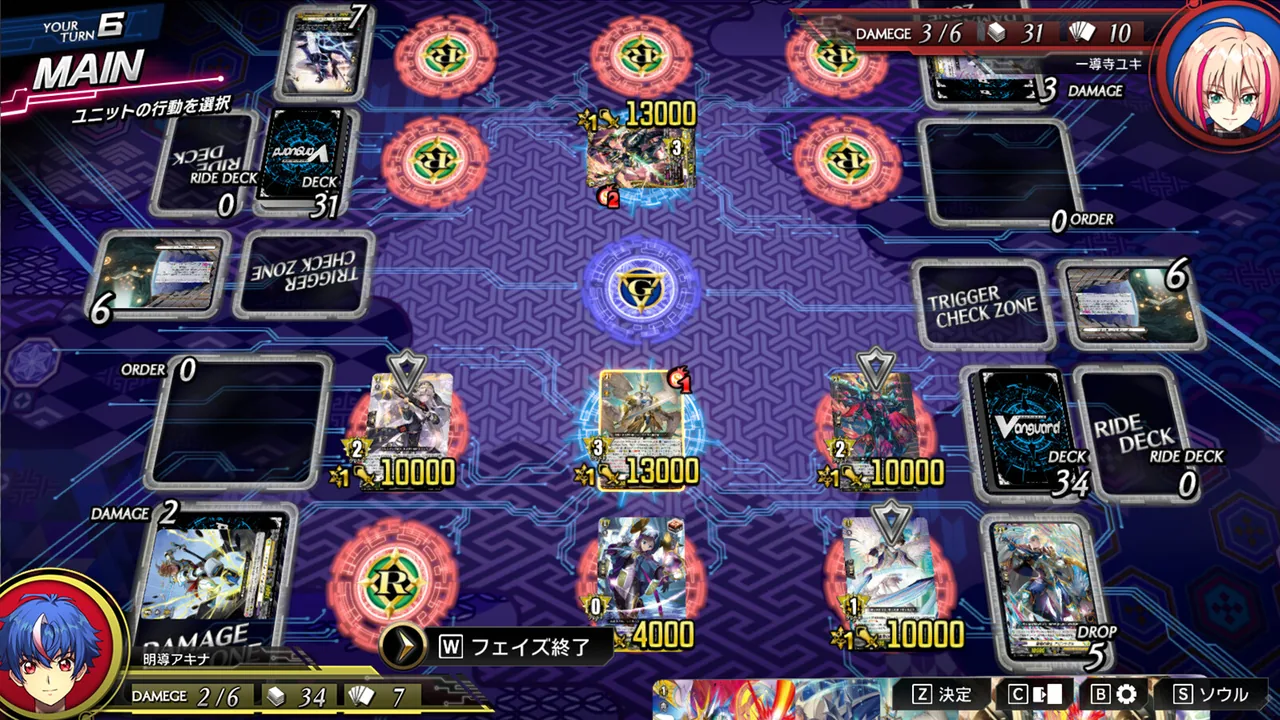
A mid-match view of the battlefield during a ranked duelImage: FURYU Corporation via Steam -

The pre-match versus screen introduces the story mode's rival charactersImage: FURYU Corporation via Steam -
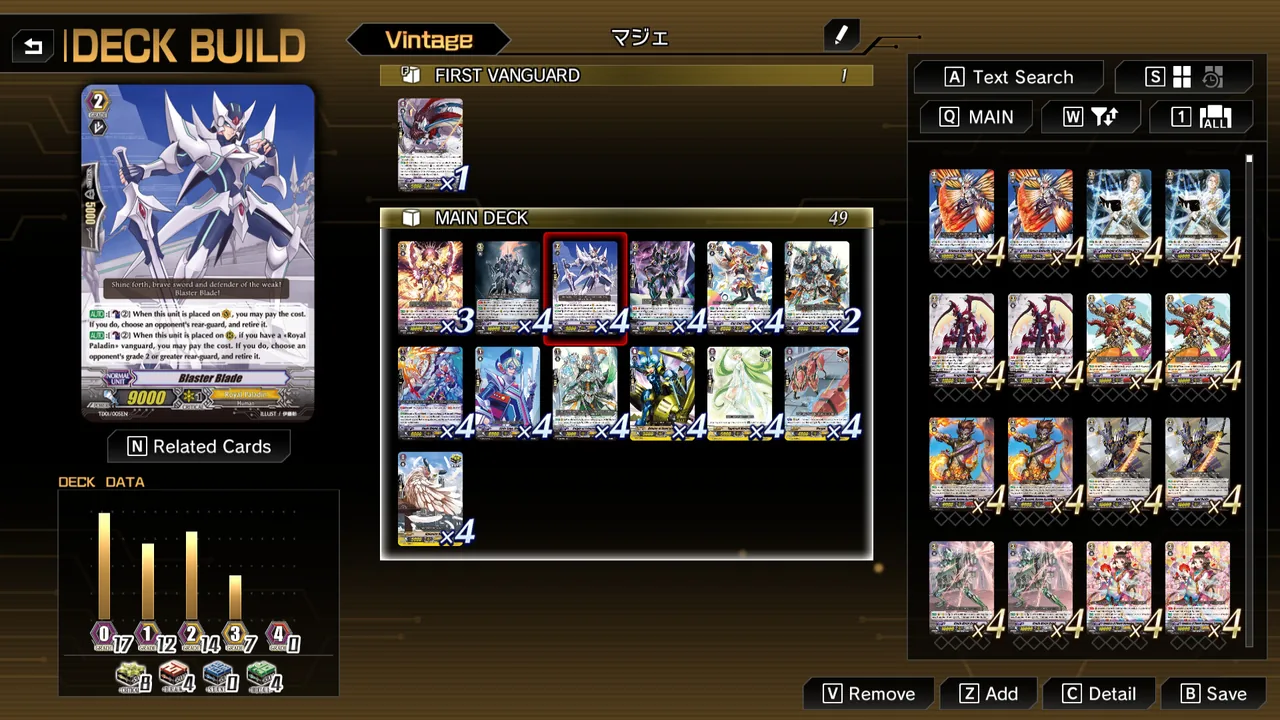
The deckbuilding screen, including the Vintage mode and Related Cards tool reviewers single out as improvementsImage: FURYU Corporation via Steam -

Wanderer Game ReviewsWanderer Game Reviews