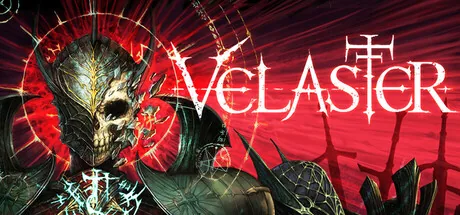
Game review
VELASTER
6 / 10
- Developer
- ODYSSEYER
- Publisher
- ODYSSEYER
The short version
Biggest strengths
- A genuinely distinctive 2.5D take on parry-focused soulslike combat, with several reviewers calling the world surprisingly three-dimensional despite the side-scrolling format
- A strong, grotesque dark-fantasy art direction and an unusually thoughtful lore tab that tracks kill and death counts for every enemy
- Real evidence of a small, passionate team punching above its weight, with a four-person developer credited by reviewers for the amount of content already on offer
Biggest weaknesses
- Parry timing windows were widely criticized as inconsistent or overly strict, undermining a mechanic the game explicitly builds its entire combat identity around
- No map and no shrine-to-shrine fast travel make backtracking through the Early Access build a recurring, specifically named frustration
- Several bosses were described as unbalanced to the point of feeling unbeatable, with stamina and stagger mechanics that some reviewers felt actively worked against the player
6 / 10
Overview
VELASTER is an Early Access 2.5D side-scrolling action game from four-person developer ODYSSEYER, self-published in January 2026 as a parry-centric soulslike set in the corrupted realm of Malum. Its pitch is direct and uncompromising: parrying isn't an optional defensive tool but the explicit core of every encounter, a design choice that split its small but engaged English review pool between players who found the rhythm deeply satisfying and those who found the timing windows punishing to the point of frustration. The result lands as Mostly Positive, a game reviewers consistently describe as having real identity and passion behind it, tempered by rough Early Access balance and structural gaps.
Story and Setting
Players awaken in Malum, a bloody borderland dragged from the human world so that warring angels and demons would have somewhere to coexist, now rotting under the weight of a war that consumed it entirely. The player character remembers nothing beyond a single driving purpose, revenge against a target waiting somewhere within a distant castle, and must fight through grotesque, corpse-strewn environments to grow strong enough to reach it. Reviewers responded well to the atmosphere this setup creates, repeatedly praising the game's grim, misty presentation and its surprising sense of spatial depth despite being a side-scroller, with one reviewer specifically noting the world feels far more three-dimensional than the format usually allows. A standout, frequently mentioned detail is the game's lore tab, which pairs high-quality artwork of each enemy with individual kill and death counters, a small touch multiple reviewers pointed to as evidence of genuine care going into the project beyond just combat mechanics.
Gameplay and Mechanics
Combat is built entirely around parrying, and reviewers were sharply divided on how well that design goal is currently realized. Several described the system as deeply rewarding once its rhythm clicks, drawing direct comparisons to Dark Souls and Lies of P and praising how chaining consecutive parries against aggressive bosses creates real tension and payoff. Just as many, though, described the actual timing windows as inconsistent or unreasonably tight, with one reviewer calling the parry a "gamble" rather than a skill check and another noting that unclear enemy attack telegraphs make it genuinely difficult to know when a hit is landing versus about to land. Boss balance drew some of the sharpest criticism in the pool: multiple reviewers singled out one specific encounter, a butcher-type boss, as feeling functionally unbeatable due to stamina-draining attacks that leave the player unable to roll, block, or otherwise respond, with the parry mechanic notably failing to stagger enemies the way its own marketing promises. Structural friction compounds the combat issues, since the current build offers no map and no way to fast-travel between shrine checkpoints, turning backtracking into a named frustration across several reviews. On a more basic level, the lack of remappable controls was flagged as a surprising omission for a combat game this demanding of precise input. The game does ship with full controller support, including specific DualSense integration, and one reviewer who stuck with it despite the early frustrations noted the parry window felt generous enough to eventually find a workable rhythm, suggesting the tuning problem may be more about inconsistency between encounters than a uniformly broken system.
Visual Style and Sound Design
The grotesque, dark-fantasy visual direction was one of the most consistently praised elements in the review pool, with reviewers comparing its aesthetic favorably to Dark Souls' original grimy, decaying architecture while carving out its own identity through Malum's angel-and-demon war-torn backdrop. Presentation extends into supporting details like the enemy lore tab's artwork, which reviewers called high-quality and a clear sign of design ambition beyond what a four-person team might typically be expected to deliver. Technical polish trails the art direction somewhat, with reviewers describing occasional jankiness, unclear animation timing, and optimization rough edges consistent with an early-stage Early Access release still being tuned.
Progression and Replayability
Growth follows familiar soulslike shapes, gathering currency from fallen enemies to level up and push further into Malum's corrupted spaces, with a level cap of 99 and a single character skin currently limiting build variety during this Early Access window. That lack of build or equipment diversity drew specific criticism from at least one reviewer who felt it made the current content difficult to complete fairly, given how demanding the boss balance already is without meaningful loadout options to offset it. On the more positive side, reviewers with the most playtime logged, including one who reported over 1,700 minutes, described the core loop as compelling enough to keep coming back despite its rough edges, and several explicitly said they were looking forward to future updates expanding gear, mobility options, and boss balance as development continues. Others were more measured, framing their positive reviews as conditional recommendations contingent on the developer following through on visible promise rather than unreserved endorsements of the current build, a distinction that matters given how early this release sits in its own development cycle.
Verdict
VELASTER is a parry-obsessed soulslike with real atmosphere and a clear creative vision, held back right now by inconsistent execution of the exact mechanic it's built entirely around. Its grim 2.5D world and thoughtful presentation touches are genuinely impressive for a four-person team, but punishing, occasionally unbeatable-feeling boss balance and a frustrating lack of basic navigation tools make it hard to recommend without real reservations at this stage. Worth watching for soulslike fans who don't mind rough Early Access edges and want to see where a promising parry-first combat system goes, but best approached with patience rather than an expectation of a fully realized experience.
Pros and cons
Pros
- A genuinely distinctive 2.5D take on parry-focused soulslike combat, with several reviewers calling the world surprisingly three-dimensional despite the side-scrolling format
- A strong, grotesque dark-fantasy art direction and an unusually thoughtful lore tab that tracks kill and death counts for every enemy
- Real evidence of a small, passionate team punching above its weight, with a four-person developer credited by reviewers for the amount of content already on offer
- When the parry rhythm clicks, reviewers describe combat as tight and satisfying, with comparisons to Dark Souls and Lies of P showing up repeatedly
Cons
- Parry timing windows were widely criticized as inconsistent or overly strict, undermining a mechanic the game explicitly builds its entire combat identity around
- No map and no shrine-to-shrine fast travel make backtracking through the Early Access build a recurring, specifically named frustration
- Several bosses were described as unbalanced to the point of feeling unbeatable, with stamina and stagger mechanics that some reviewers felt actively worked against the player
- Assorted early-access rough edges, including a lack of remappable controls and unclear enemy attack telegraphs that make reads harder than they should be
Screenshots
-
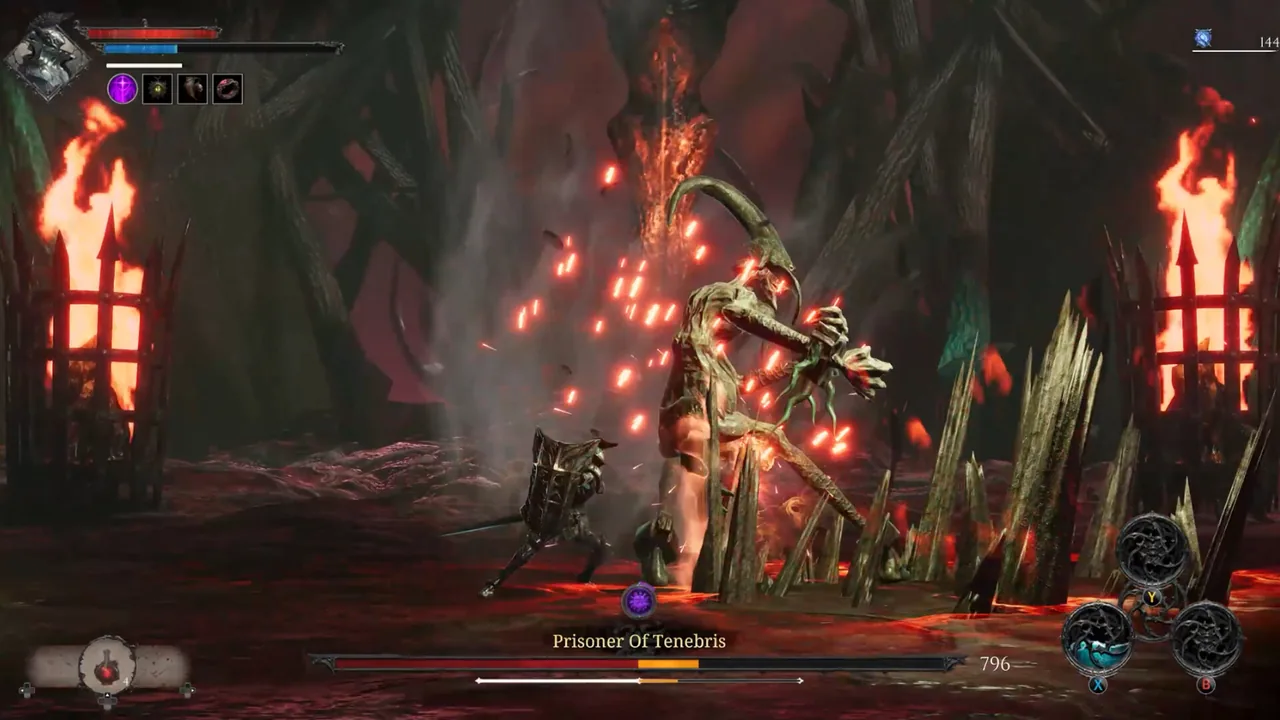
Boss encounters like the Prisoner Of Tenebris lean on the game's dark, fire-lit environmental artImage: ODYSSEYER via Steam -
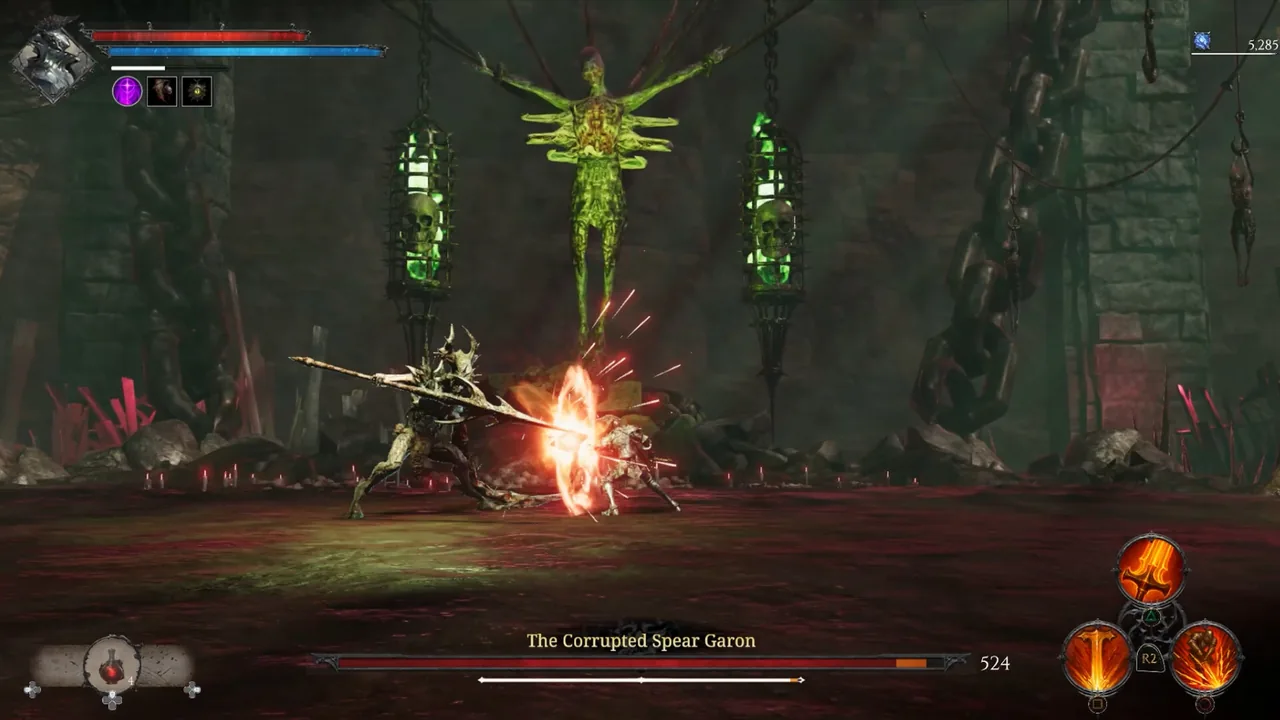
Named bosses like The Corrupted Spear Garon anchor VELASTER's parry-driven encountersImage: ODYSSEYER via Steam -
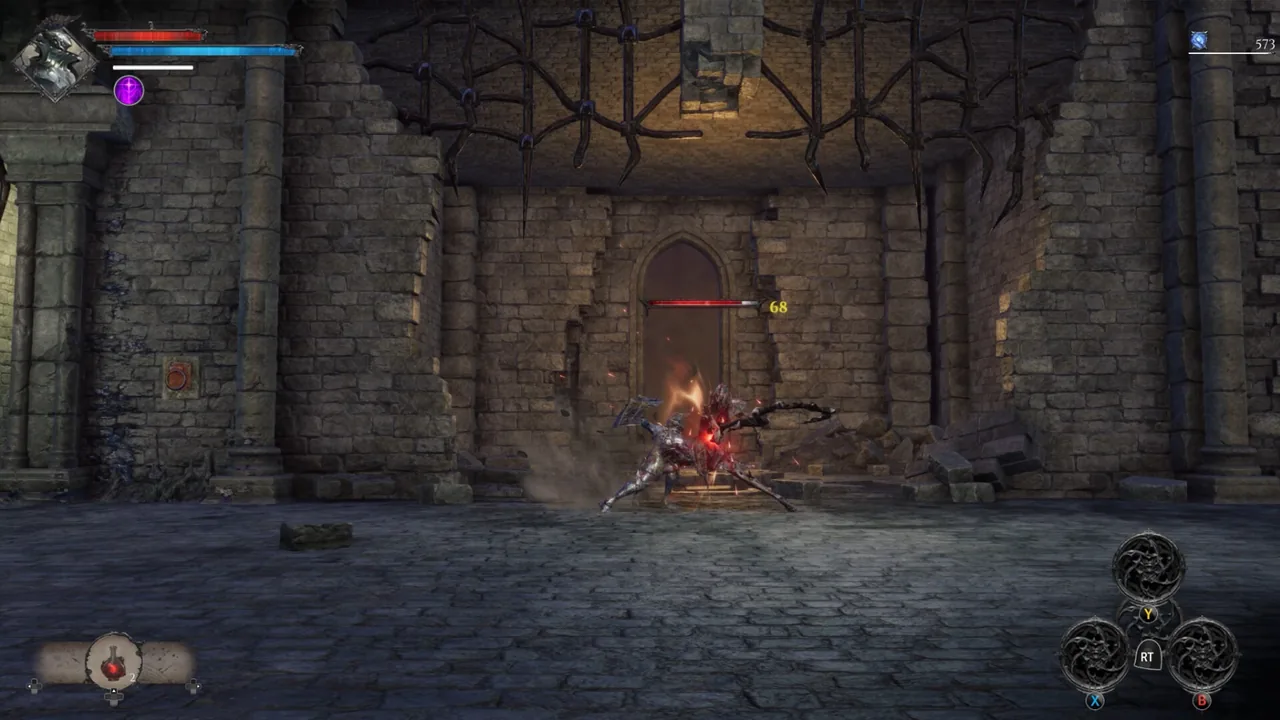
Stone castle interiors showcase the game's surprisingly three-dimensional side-scrolling environmentsImage: ODYSSEYER via Steam -
Technical specificationsWanderer Game Reviews