Game review
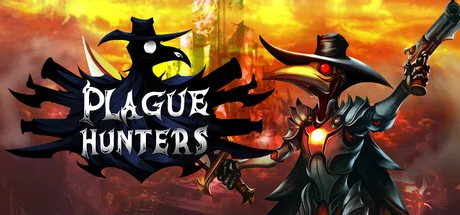
Plague Hunters
6.3 / 10
- Developer
- Arcade Distillery
- Publisher
- Arcade Distillery
The short version
Biggest strengths
- Free-to-play entry point removes all risk while offering a genuinely deep turn-based roguelite loop
- Shrine risk/reward system and survivor-retirement mechanic give real strategic texture between runs
- Twisted fairytale art direction and plague-horror atmosphere land well even on critical reviewers
Biggest weaknesses
- Tutorial drops players into combat with essentially no explanation of core systems
- Early balance skews heavily in the player's favor, undercutting tension until overleveling sets in
- Interface rough edges, a messy minimap and disappearing NPC markers among them, and reports of crashes and alt-tab glitches
6.3 / 10
Overview
Plague Hunters is a free-to-play, turn-based roguelite from Arcade Distillery that drops players into a plague-devastated fantasy city as a Plague Doctor rebuilding a fractured community of survivors and specialized hunters. It arrived on Steam in January 2026 with a "twisted fairytale" pitch, grim art direction wrapped around a procedurally generated dungeon-crawl structure, and it landed a strongly positive reception from the English-language reviews that followed, currently sitting around 92 percent favorable. The zero-cost entry point does a lot of heavy lifting here: reviewers were consistently willing to forgive rough edges that would sink a premium release, because there was never any money on the line to begin with.
Story and Setting
The framing is straightforward plague-horror fantasy: a cursed city, grotesque foes twisted by contagion, and a player-controlled Doctor tasked with recruiting the survivors scattered across it into a functioning hunting party. Reviewers repeatedly singled out the atmosphere as the game's strongest asset, describing the world as "dark, grim, and eerily beautiful," with one comparing the visual sensibility to Fran Bow's illustrated horror aesthetic. The narrative delivery method drew sharper criticism than the setting itself, though; one reviewer who bounced off the game early complained about a text-heavy opening riddled with typos and an "unskippable" letter-by-letter text animation that dragged early scenes out well past their welcome, a rough first impression that stood in contrast to how much more forgiving later reviewers were once the tutorial text gave way to actual play.
Gameplay and Mechanics
The core loop pairs turn-based, party-based combat with a meta-layer of camp management: recruit survivors during runs, assign them to base structures to boost the settlement, and gradually build up a roster of Hunters with distinct roles and perks. Reviewers who stuck with it praised the depth underneath that loop, highlighting positioning, ability timing, and party synergy as genuine tactical considerations rather than decoration, and calling out the shrine system, gambling for powerful boons at the risk of accompanying curses, as a standout mechanic that forces real risk assessment mid-run. The onboarding is the loop's biggest liability: multiple reviewers noted the tutorial offers essentially no combat explanation before throwing the player into a fight, and one detailed playthrough found the game tilted heavily in the player's favor early on, with abundant consumable drops and an apparently bugged infinite-rest campsite removing any real resource pressure until overleveling made things trivially easy. That same reviewer flagged that the survivor-retirement mechanic, quietly the key to leveling up base buildings, was never explained at all, leaving its value to be discovered by trial and error. Technical rough edges came up more than once too, including crashes tied to disabling v-sync, alt-tab glitches that could lock up the screen, and a minimap that several reviewers found genuinely difficult to read. On the accessibility side, the game ships with a broader-than-usual option set for the genre, mouse-only controls, adjustable volume mixing, and an option to play without timed input, alongside DualShock and DualSense support, and one reviewer specifically recommended playing with a controller to "sit back and relax" rather than fighting the default mouse-and-keyboard scheme.
Visual Style and Sound Design
The 2.5D presentation consistently drew praise, reviewers called the plague-ravaged towns, grotesque enemy designs, and boss silhouettes captivating even when they had little good to say about anything else, and several described the sound design and music as similarly satisfying and well-suited to the tone. One more critical reviewer noted that the graphics are shared with the developer's earlier, paid Kickstarter-funded title, arguing that a genuinely new release should have pushed the visuals further rather than reusing an existing asset base, a fair point given the two games' apparent visual overlap, though it didn't stop most players from responding warmly to the style on its own terms. It's worth noting that being free to play makes the asset reuse a smaller sticking point than it would be on a paid follow-up, since players aren't being asked to pay twice for the same look.
Progression and Replayability
Progression runs through recruiting and retiring survivors, unlocking and upgrading base structures, and leveling up a growing bench of Hunter types, with procedurally generated runs and a recycling quest pool designed to keep repeat sessions from feeling like the same content twice. Reviewers who invested serious hours, several logged well over 100 minutes and multiple return sessions, described the unlock pacing as meaningful rather than grindy, tying new strategic options to actual play rather than pure time investment, though the same balance issues that undercut early combat also blunt progression tension until the difficulty catches up. Coupled with the free price of entry, the replayability case is easy to make: there's no financial reason not to keep coming back for another run. Steam Achievements and Steam Cloud support round out the package, giving longer-term players concrete goals to chase and letting progress carry across machines without extra setup.
Verdict
Plague Hunters is a rough-edged but genuinely engaging free-to-play roguelite, one whose atmospheric plague-horror presentation and shrine-driven risk management systems consistently won over reviewers willing to look past a confusing tutorial and some early balance and interface issues. It isn't a polished premium alternative to genre leaders, and its opening hour undersells what's actually a fairly deep party-management loop underneath, but with zero cost of entry and a developer still actively patching post-launch, it's an easy recommendation for roguelite fans willing to push past a shaky first impression.
Pros and cons
Pros
- Free-to-play entry point removes all risk while offering a genuinely deep turn-based roguelite loop
- Shrine risk/reward system and survivor-retirement mechanic give real strategic texture between runs
- Twisted fairytale art direction and plague-horror atmosphere land well even on critical reviewers
- Procedural runs and a recycling quest pool keep repeat sessions from feeling identical
Cons
- Tutorial drops players into combat with essentially no explanation of core systems
- Early balance skews heavily in the player's favor, undercutting tension until overleveling sets in
- Interface rough edges, a messy minimap and disappearing NPC markers among them, and reports of crashes and alt-tab glitches
- Presentation reuses assets from the developer's earlier paid title, limiting how distinctive the art actually feels up close
Screenshots
-
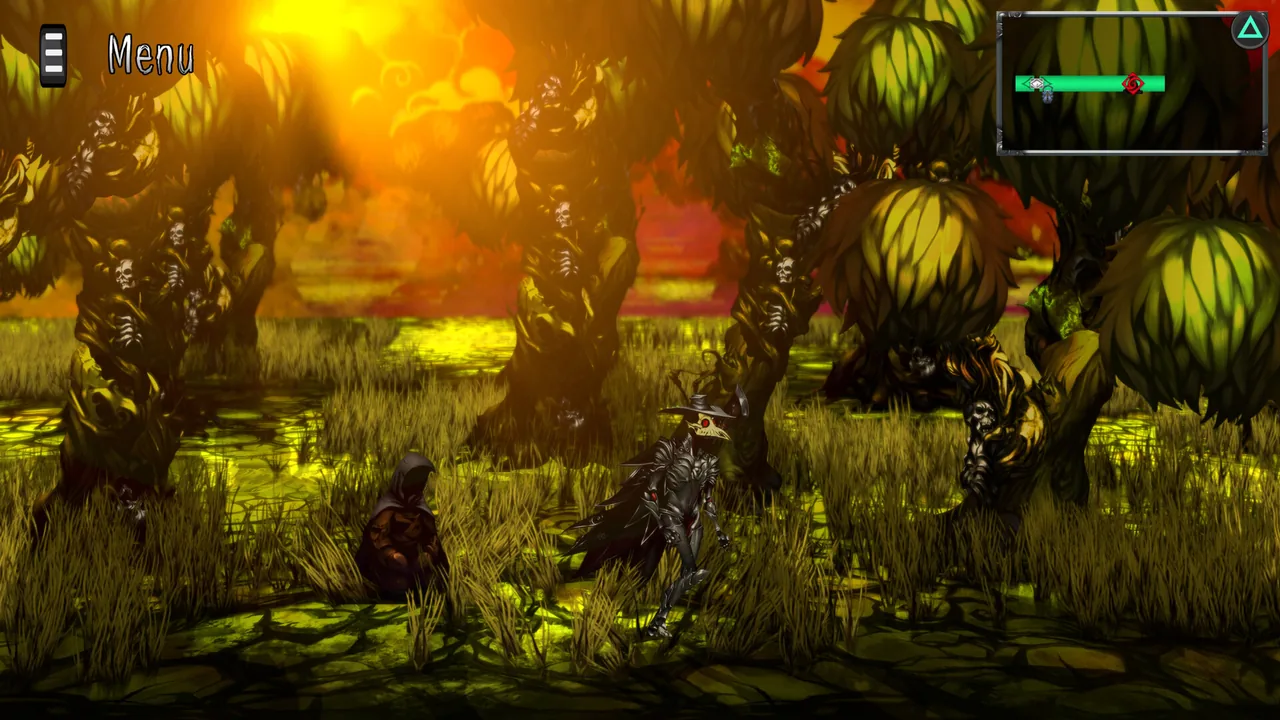
Exploration zones lean hard into the game's plague-horror, twisted fairytale art directionImage: Arcade Distillery via Steam -
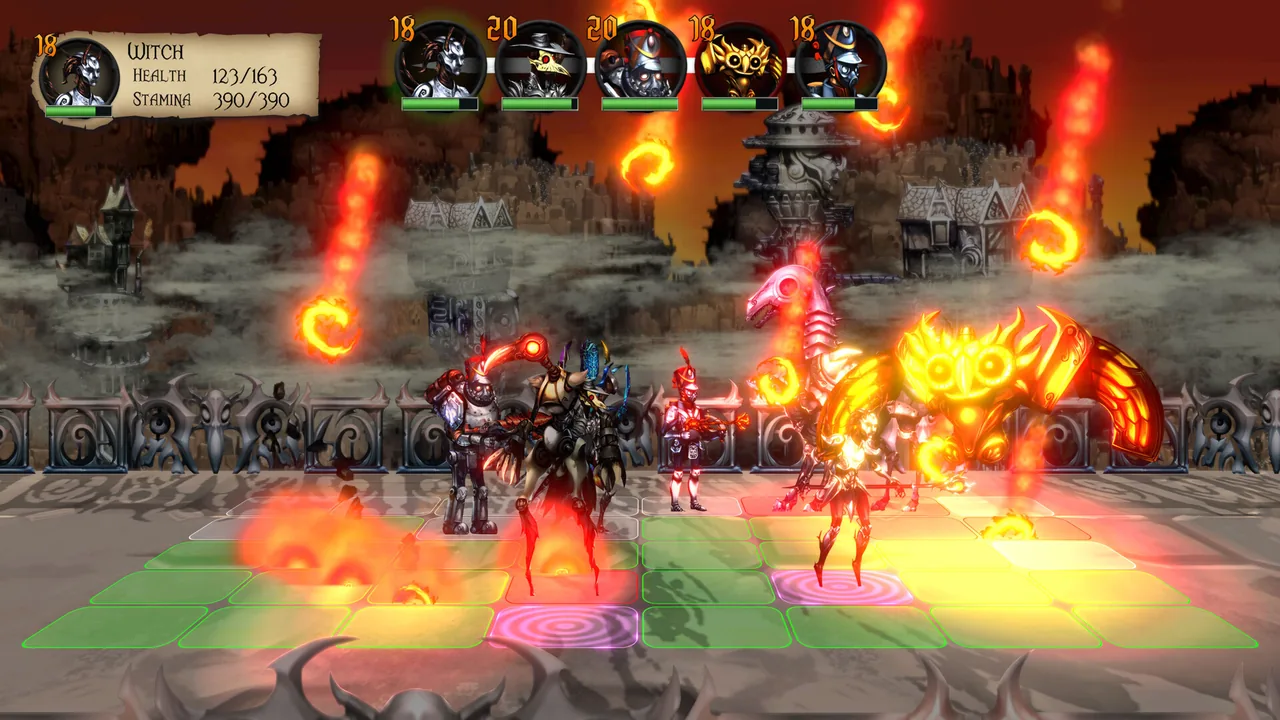
Turn-based boss fights test party positioning and ability timing on a tiled battle gridImage: Arcade Distillery via Steam -
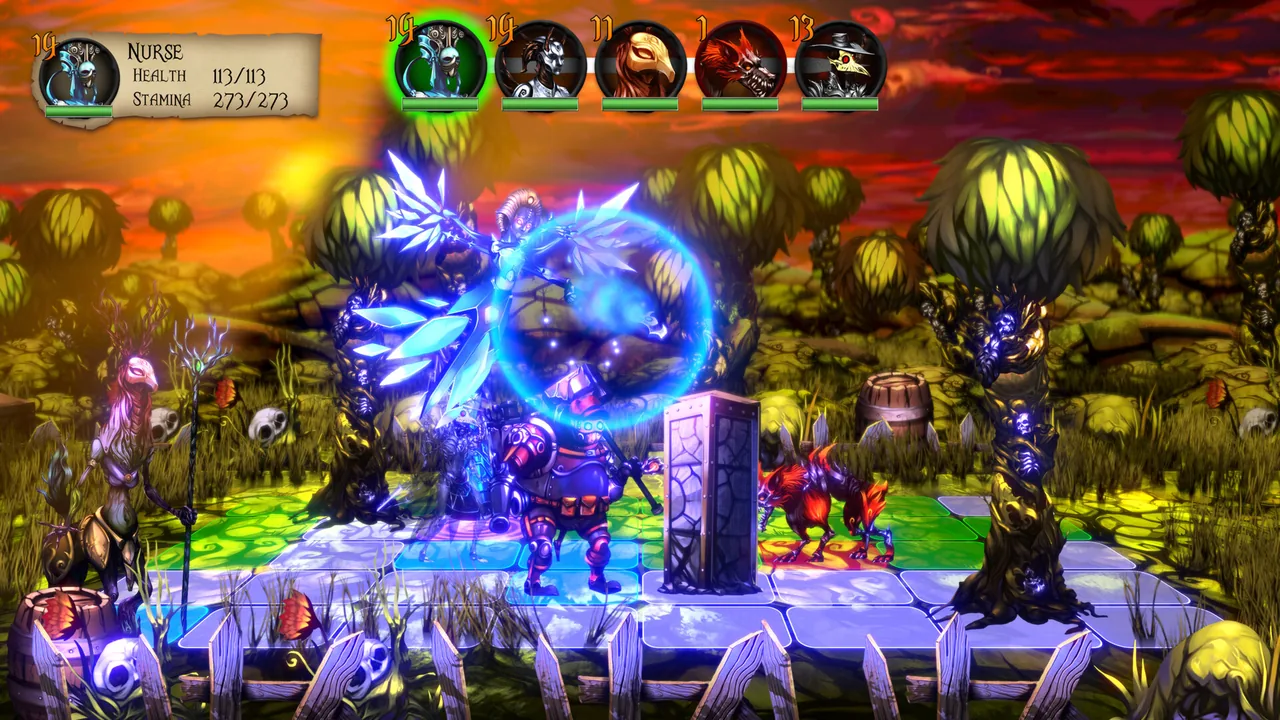
Shrines scattered through runs offer powerful boons at the risk of accompanying cursesImage: Arcade Distillery via Steam -
Technical specificationsWanderer Game Reviews