Game review
Etrange Overlord
7.2 / 10
- Developer
- Gemdrops, Inc.
- Publisher
- NIS America, Inc.
The short version
Biggest strengths
- A large, genuinely delightful cast of 16-plus playable subordinates, with reviewers repeatedly praising how much screentime and personality each character gets despite the size of the roster
- Charming, comedy-forward writing carried by fully voiced scenes and musical numbers, with multiple reviewers calling it a worthy spiritual successor to the Rhapsody series from the same creator
- 2-4 player multiplayer built around the revolving lane mechanic gives the mission-based combat a genuinely chaotic, party-game energy that several reviewers single out as the game's best angle
Biggest weaknesses
- Combat is widely described as simple and repetitive — each character has only one un-upgradeable attack combo, with several reviewers calling the fighting itself clunky or button-mashy
- Multiple reviewers flag a near-total lack of post-game or endgame content once the roughly 11-13 hour story concludes
- At least one reviewer criticizes NIS America's English localization quality specifically, separate from complaints about the base game
7.2 / 10
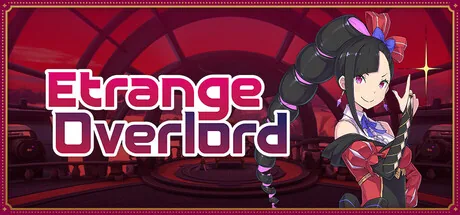
A wrongly executed noblewoman takes over hell
Etrange Overlord opens with its heroine, Étrange von Rosenburg, falsely accused of assassinating the king and put to death for it. Waking up in hell rather than staying dead, she decides the sensible response is to simply conquer the place and run it her way. It's a premise built entirely around Étrange's personality — described by reviewers as an "eccentric," "beast-mode villainess/ojou-sama silly" lead who bumbles through the underworld dishing out her own brand of justice — and the game leans hard into comedy from the opening minutes. One reviewer frames the whole thing as "a very charming tale of a rather crazy eccentric lady," and that description holds up across the review pool: this is a game that lives or dies on how much players enjoy spending time with its central character, and going by the response so far, most do.
An army of hell's most charming subordinates
As Étrange works her way toward hell's throne, she recruits a growing "army of subordinates" — the game lists more than 15 playable characters in total, each pulled into her orbit and put to work in battle. Reviewers are consistently impressed by how well this large cast is handled: one specifically calls out how "every character in this game is pretty delightful," adding they were "pleasantly surprised by how much screentime everybody receives" given both the size of the cast and the game's relatively short overall length. Character designs come from Shinichiro Otsuka, and at least one reviewer draws a direct comparison to the artist's other well-known work on Re:Zero, praising the distinctive visual style even where they had other complaints about the game itself. Keeping Étrange fed matters too — the game builds a running joke out of her "insatiable need for sweets," which players indulge in order to earn character improvements and bonuses, tying the comedy directly into the game's systems rather than leaving it purely as flavor text.
The subordinate roster isn't just cosmetic variety, either. One reviewer notes that many of the 16 playable characters "genuinely feel better suited for certain mission types," which pushes players to actually experiment with different squad compositions rather than settling on one favorite and sticking with it for the whole campaign — a small but real piece of tactical depth sitting underneath the game's otherwise straightforward combat.
The revolving lane and chaotic co-op
The signature mechanical hook is what the game calls its "revolving lane" system, which sends items, buffs, power-ups, and even entire characters circling around the stage as missions play out. Reviewers describe the resulting combat as mission-based with a light tactical layer, rotating between objectives like defeating enemies, guarding NPCs, capturing points, or racing an opposing team to deliver items — one calls this variety a key strength that "keeps the gameplay fresh even though the combat itself is fairly simple." That chaos scales up further in the game's 2-4 player multiplayer mode, which multiple reviewers point to as the strongest reason to pick the game up, with one describing it as playing "like an arcadey party game of old" full of interactable items and character synergies.
Musical numbers and a story that knows when to stop
Beyond combat, Etrange Overlord folds in fully voiced cutscenes and short musical numbers woven around its missions, drawing explicit comparisons from longtime fans to director Sohei Niikawa's earlier cult favorite Rhapsody: A Musical Adventure. One reviewer who came in hoping for a "spiritual successor to the Rhapsody series" reports being largely satisfied, praising the "charming writing and presentation" carried through the whole cast. Several reviewers also praise the story's pacing and restraint, with one noting it "cleanly exits center stage without overstaying its welcome" rather than padding itself out, while another appreciates that the roughly 11-to-13-hour campaign "didn't overstay its welcome" even as the story takes some unexpectedly dark or silly turns along the way — one reviewer jokingly cites a plot beat where "God can now be used in battle" as proof of how far the writing is willing to go for a laugh.
Where the seams show
The praise for Étrange and her cast comes with consistent, specific complaints about the mechanics underneath. Several reviewers describe the combat itself as shallow: each character reportedly has just one attack combo that can't be upgraded or altered, relying instead on stage items for special moves, healing, or crowd control, which one reviewer summarizes as feeling "like a tech demo or an alternate mode for a different game." A separate, recurring complaint is the total absence of meaningful post-game content once the story wraps — multiple reviewers independently flag this as their main disappointment, with one calling it "strange" given how much setup the game does for its larger cast. Companion AI during missions draws specific criticism too, with one reviewer noting that "stupid companion AI" adds unintended difficulty rather than deliberate challenge, and at least one review separately criticizes the quality of NIS America's English localization.
Verdict
Etrange Overlord is a game carried almost entirely by its cast, comedy, and musical presentation rather than by depth of combat, and reviewers are largely fine with that trade-off — the positive-to-negative review ratio runs comfortably in the game's favor even from people who found the fighting itself simple or repetitive. It won't satisfy players looking for a mechanically deep action RPG, especially given the shallow combat and complete lack of endgame content once the roughly 11-to-13-hour story ends, but as a comedic, musical spin on Disgaea-style hell politics with genuine heart in its writing, it's easy to see why so many reviewers came away charmed despite its rough edges.
Pros and cons
Pros
- A large, genuinely delightful cast of 16-plus playable subordinates, with reviewers repeatedly praising how much screentime and personality each character gets despite the size of the roster
- Charming, comedy-forward writing carried by fully voiced scenes and musical numbers, with multiple reviewers calling it a worthy spiritual successor to the Rhapsody series from the same creator
- 2-4 player multiplayer built around the revolving lane mechanic gives the mission-based combat a genuinely chaotic, party-game energy that several reviewers single out as the game's best angle
- Runs smoothly with no reported performance complaints, and one reviewer specifically praises how well it performs even in co-op
Cons
- Combat is widely described as simple and repetitive — each character has only one un-upgradeable attack combo, with several reviewers calling the fighting itself clunky or button-mashy
- Multiple reviewers flag a near-total lack of post-game or endgame content once the roughly 11-13 hour story concludes
- At least one reviewer criticizes NIS America's English localization quality specifically, separate from complaints about the base game
- Companion AI during missions is called out as frustratingly dumb by at least one reviewer, adding unintended difficulty rather than deliberate challenge
Screenshots
-
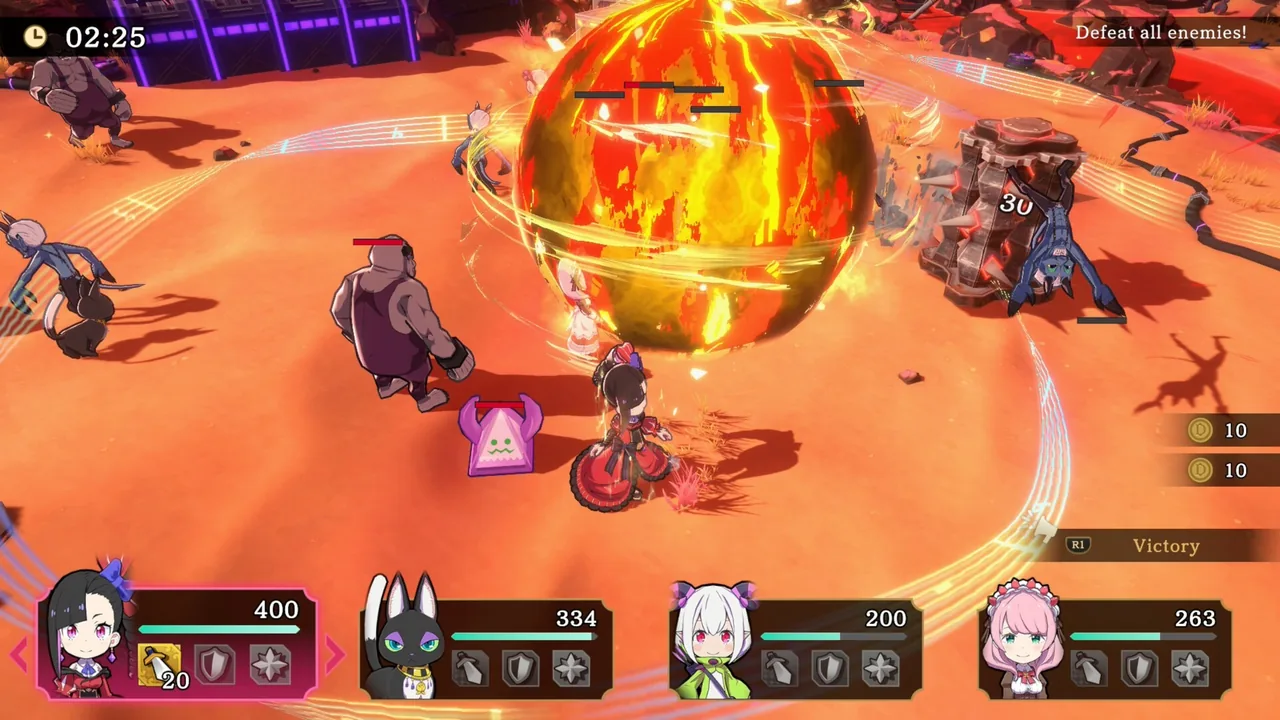
A four-character battle against a hulking enemy, with a huge fire attack filling the arenaImage: Gemdrops, Inc. via Steam -
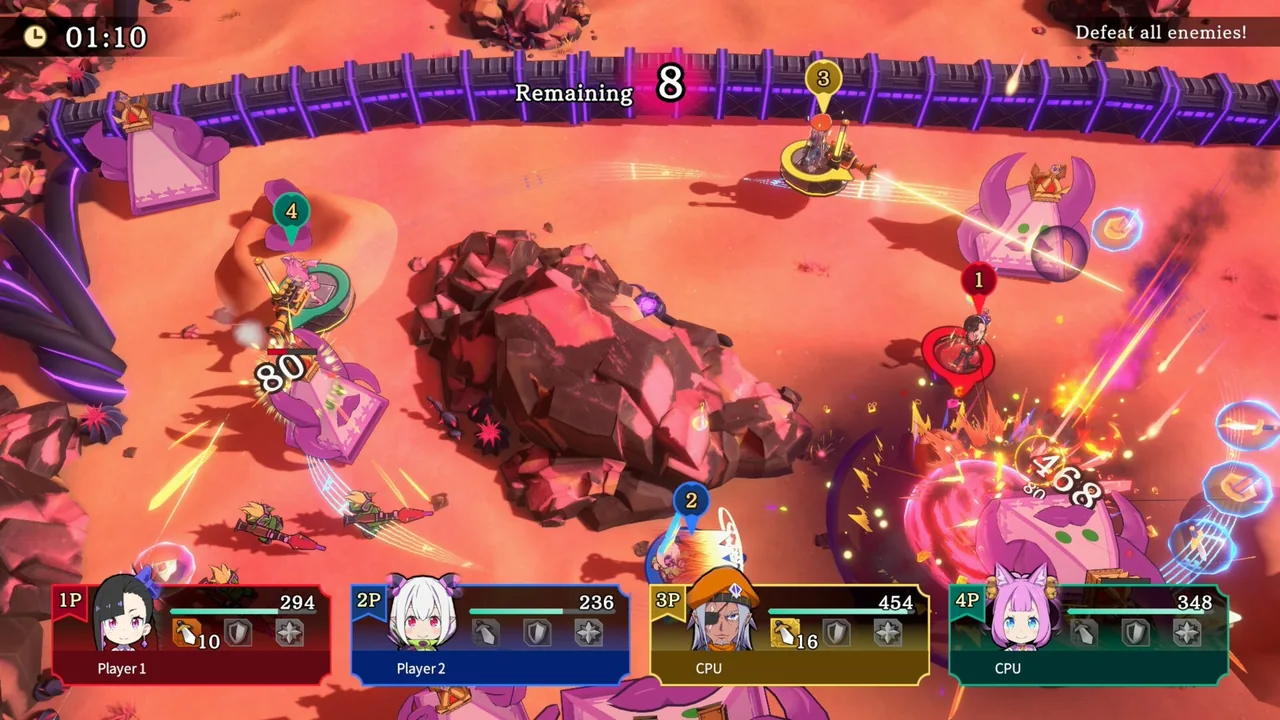
The revolving lane mechanic in action during a 4-player multiplayer matchImage: Gemdrops, Inc. via Steam -
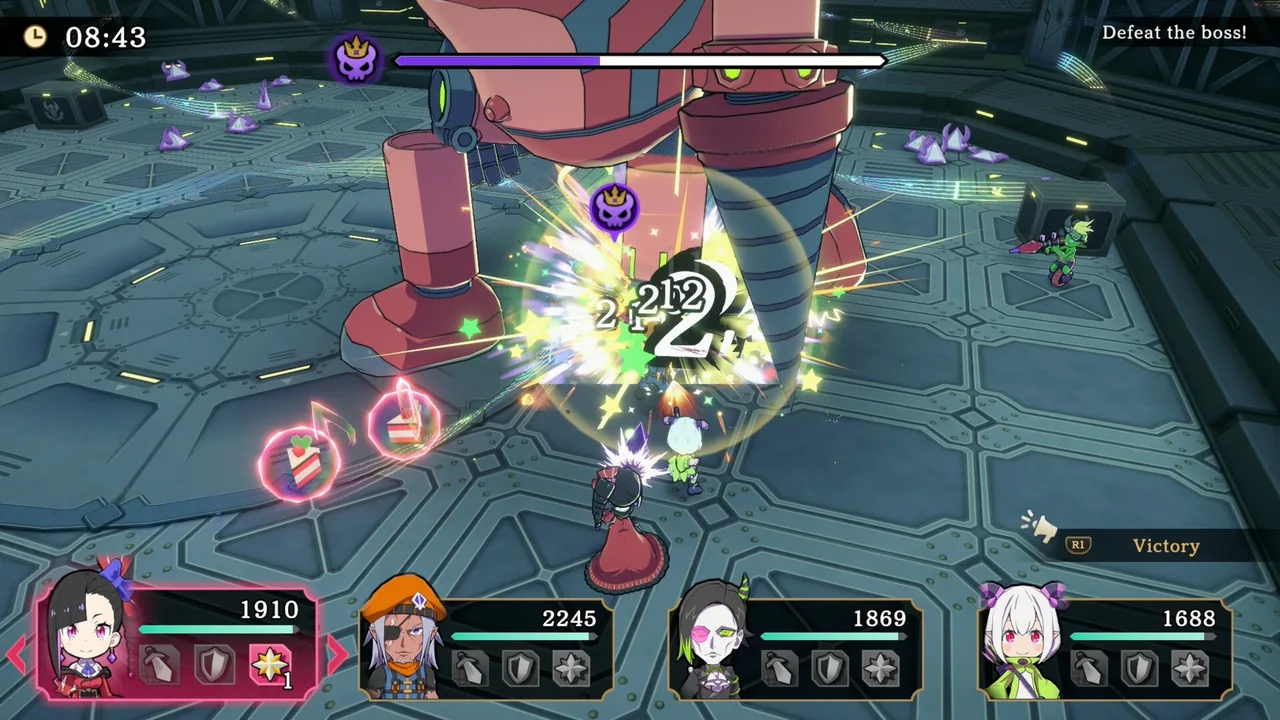
Taking down a towering mechanical boss with the full partyImage: Gemdrops, Inc. via Steam -
Category scores for Etrange OverlordWanderer Game Reviews