Game review
Elengard: Ascension
6.5 / 10
- Developer
- Stèphano M. M. G.
- Publisher
- Stèphano M. M. G.
The short version
Biggest strengths
- Unusually deep, class-unrestricted skill and talent system that lets players truly build the character they want
- Real-time-with-pause combat that reviewers consistently compared favorably to Dragon Age: Origins and Neverwinter Nights
- Genuinely impressive scope and polish for a solo-developer project, with an actively communicative creator
Biggest weaknesses
- Overwhelming new-player onboarding, with a wall of tutorials and unclear stat requirements for chosen builds
- Early zones lean heavily on repetitive forest tilesets that several reviewers found visually monotonous
- Assorted Early Access bugs, including inventory item-handling issues and at least one fall-through-the-map report
6.5 / 10
Overview
Elengard: Ascension is an Early Access real-time-with-pause RPG from solo developer Stèphano M. M. G., entering Steam in January 2026 with an explicit debt to classic CRPGs like Dragon Age: Origins and Neverwinter Nights, filtered through more combat-forward, action-adjacent systems. It arrived to a Very Positive reception across a healthy pool of English reviews, driven almost entirely by the strength and depth of its combat and character-building systems rather than any claim to content completeness, which reviewers universally acknowledged is still a work in progress this early in development.
Story and Setting
The framing casts players into a fantasy world built around a classless progression system, where a massive, level- and class-unrestricted ability tree lets a character mix magic, melee, and support skills freely rather than locking them into a predefined archetype. Reviewers were split on how "classless" this actually feels in practice: one detailed critique argued the system still effectively forces a binary choice between magic-focused builds tied to belief in a god and purely mundane fighters, frustrating a player who wanted to blend the two. Others found the character creation and world exploration compelling on their own terms, praising the voice acting and atmosphere even while acknowledging the early game's forested starting zones felt visually repetitive and the main quest and side content moved slowly through largely similar-looking terrain. Dialogue runs through multiple-choice conversations layered over main and side quests, and one reviewer specifically called out a lengthy in-character discussion with a priest companion about the game's in-world faith system as a highlight of the early hours, suggesting there's more narrative texture available for players willing to engage with it beyond the combat loop.
Gameplay and Mechanics
Combat is the game's clear centerpiece, offering both an automatic mode reminiscent of classic CRPGs and a manual mode with click-to-attack and active blocking that leans closer to modern action RPGs. Reviewers repeatedly singled out the depth here as genuinely unusual for the genre: one detailed the ability to configure spell power versus casting speed on the fly, with visual effects scaling to match a spell's strength, while others compared the tactical feel to a blend of Dragon Age: Origins and Kenshi. The skill and talent trees drew consistent praise for avoiding filler options, with one reviewer specifically noting there are no "10 trash skills" standing between a player and a good one, and stats meaningfully driving character power rather than gear checks alone. That depth comes at a real onboarding cost, though: several reviewers described being overwhelmed by a heavy tutorial load early on, and multiple reviews flagged confusing stat requirements, one mage-focused player discovered their chosen offensive spells scaled off willpower rather than the intelligence stat the game had steered them toward, souring an otherwise promising build. Bugs consistent with early alpha-stage development came up periodically too, including inventory items failing to register correctly and at least one report of falling through the map entirely. A newly added survival-style layer of fatigue, morale, and exhaustion systems proved divisive, with some long-time players in the review pool arguing it stacked redundant penalties onto the same stats without adding meaningful strategic depth.
Visual Style and Sound Design
Reviewers described the visual presentation as functional rather than cutting-edge, appropriate to an old-school RPG homage rather than a showcase title, with particular praise for how magic effects visibly scale in intensity alongside a spell's configured power. Voice acting drew specific compliments as a standout for a solo-developer project, and the overall atmosphere and vistas around the starting region were called immersive by multiple reviewers, even as the same reviewers acknowledged the environments beyond that opening area could use more variety and additional points of interest.
Progression and Replayability
Character growth runs through the sprawling ability tree alongside camp- and city-based skill training, with reviewers highlighting genuine build diversity between spell-slinging mages, sword-and-board fighters, and hybrid approaches blending both. Equipment, trading, item crafting, and enchanting round out the systems on offer, and one reviewer singled out the character creator specifically, appearance customization including gender, visible equipped clothing and weapons, and a broad set of starting attributes and innate abilities, as unusually thorough for a solo-developer project, even while noting the available hairstyle and eye-color options still feel limited for now. The developer's active presence on Discord, adjusting difficulty, sheathing mechanics, and other systems directly from community feedback, came up repeatedly as a reason for optimism about where the game is headed, even among reviewers who were otherwise critical of its current rough edges. Replay incentive at this stage leans on build experimentation rather than substantial branching content, since the game remains genuinely early in its Early Access life, but the scope of the skill system alone gave several reviewers confidence there's a lot more game to explore as development continues.
Verdict
Elengard: Ascension is an ambitious, unusually deep real-time-with-pause RPG that punches well above its solo-developer weight class, with combat and build-crafting systems that reviewers consistently found more substantial than most genre peers offer even at full release. Its overwhelming onboarding, repetitive early environments, and contentious survival-system additions are real Early Access growing pains rather than fundamental flaws, and an actively communicative developer gives reasonable confidence they'll be addressed over time. Recommended for CRPG fans willing to tolerate rough edges in exchange for genuinely substantial character-building depth, best approached with patience for its steep early learning curve, and best purchased with realistic expectations about how much content is currently finished versus still on the roadmap.
Pros and cons
Pros
- Unusually deep, class-unrestricted skill and talent system that lets players truly build the character they want
- Real-time-with-pause combat that reviewers consistently compared favorably to Dragon Age: Origins and Neverwinter Nights
- Genuinely impressive scope and polish for a solo-developer project, with an actively communicative creator
- Configurable spell mechanics, like adjusting a spell's power versus casting speed, add rare tactical texture to combat
Cons
- Overwhelming new-player onboarding, with a wall of tutorials and unclear stat requirements for chosen builds
- Early zones lean heavily on repetitive forest tilesets that several reviewers found visually monotonous
- Assorted Early Access bugs, including inventory item-handling issues and at least one fall-through-the-map report
- Contentious added survival-style systems (fatigue, morale, exhaustion) that some longtime players felt undermined the core combat design
Screenshots
-
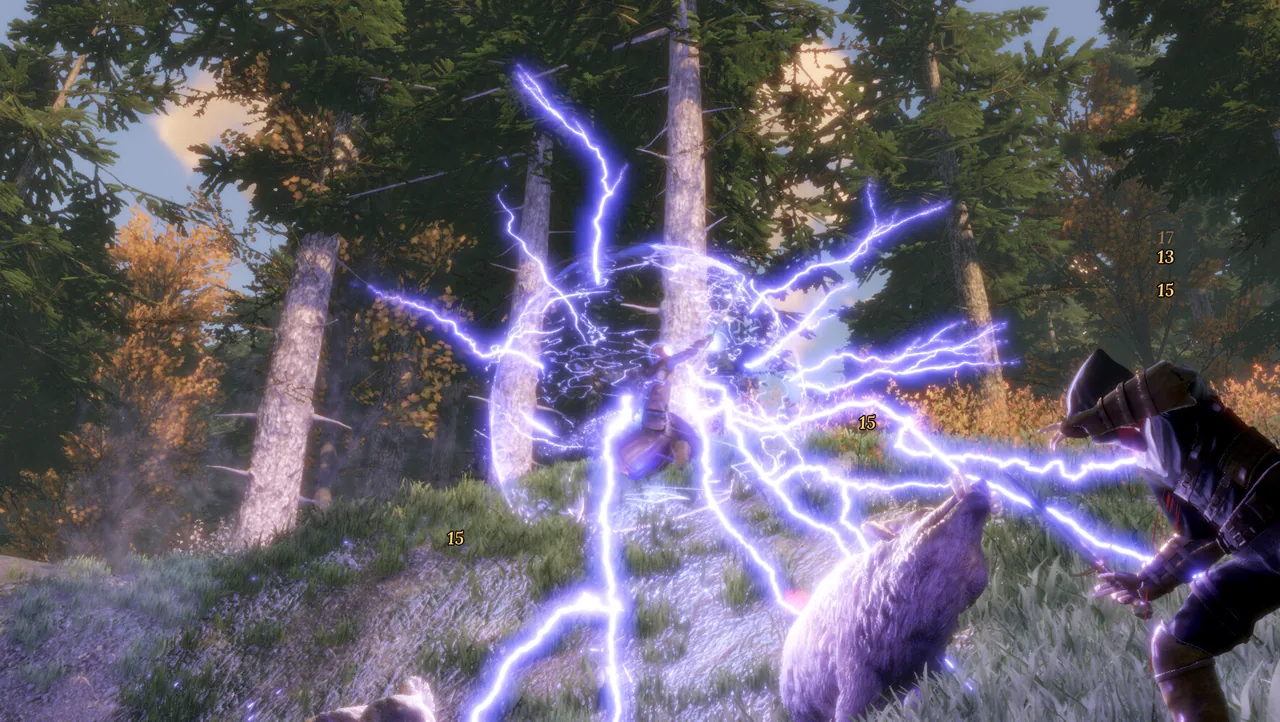
Combat lets players configure and visibly scale spell effects like this branching lightning attackImage: Stèphano M. M. G. via Steam -
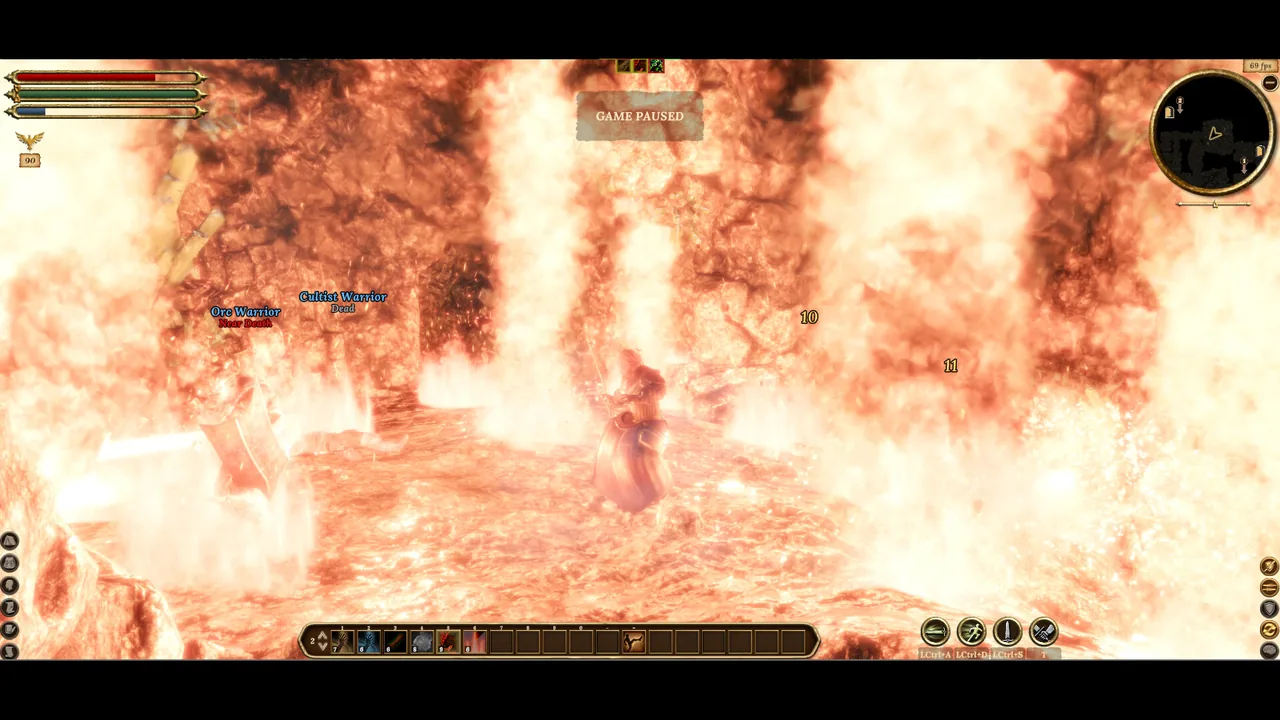
The real-time-with-pause system lets players freeze the action mid-fight to issue ordersImage: Stèphano M. M. G. via Steam -
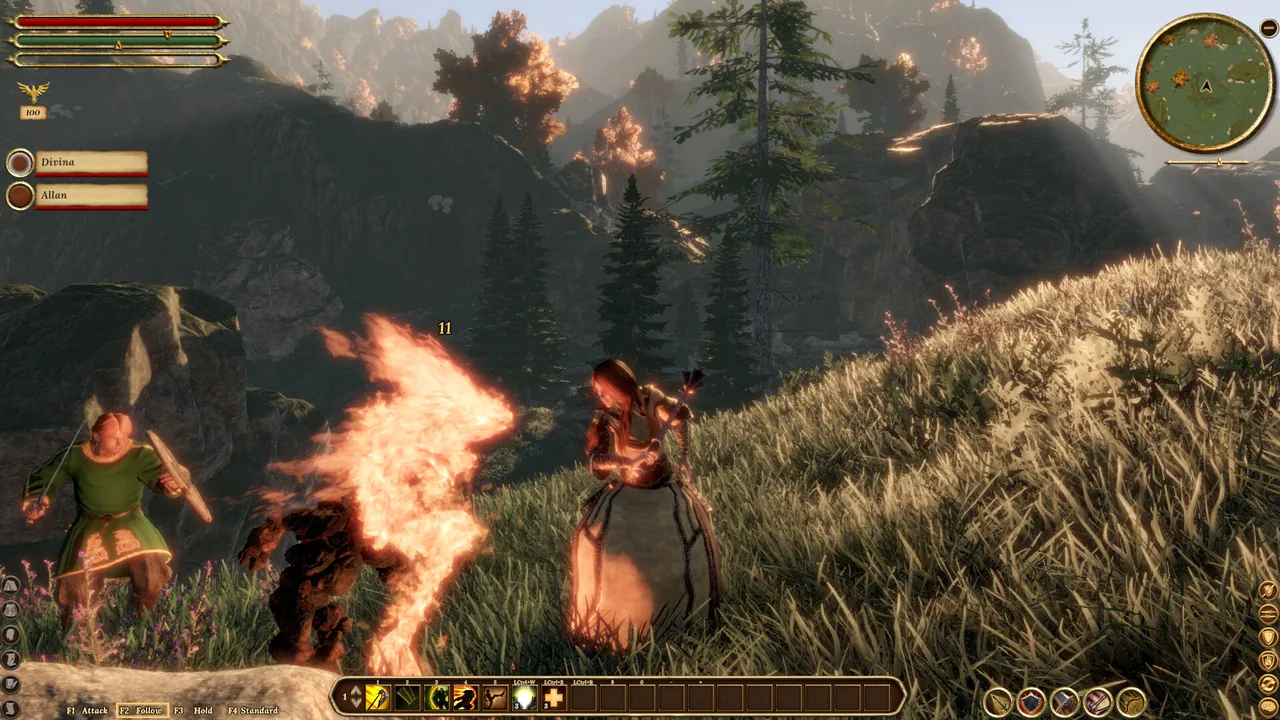
Named companions join the party as the game leans into its Dragon Age: Origins-style explorationImage: Stèphano M. M. G. via Steam -
Technical specificationsWanderer Game Reviews