Game review
Dwarves: Glory, Death and Loot
6.5 / 10
- Developer
- Hamma Studios
- Publisher
- Sidekick Publishing / Gamersky Games
The short version
Biggest strengths
- Satisfying pre-battle prep loop where formation and equipment choices decide fights in advance
- Meaningful meta-progression through Gem-based permanent unlocks across multiple runs
- Strong, well-liked background score that reviewers singled out as a standout element
Biggest weaknesses
- Individual runs can stretch toward five hours, dragging out pacing for a genre built on replay speed
- Certain enemy types, especially lightning-wielding orcs, can end well-built runs with little counterplay
- At least one reviewer reported a serious bug repeatedly reverting late-run progress after a loss
6.5 / 10
Overview
Dwarves: Glory, Death and Loot is a medieval fantasy roguelite from Hamma Studios that fuses party-based RPG customization with auto-battler positioning and permadeath run structure. Players command a growing legion of up to ten dwarven "Beardlings," starting each run with just two poorly-equipped fighters and building outward through successive battles into a full-fledged raid party. It arrives into a genre where the tactical decisions all happen before combat starts, since fights themselves resolve automatically, and reviewers were broadly positive about the resulting loop, praising its prep-focused strategy and steady sense of growth even as several flagged pacing and balance issues that keep it from feeling fully polished. The release ships with full controller support, including dedicated DualShock and DualSense input, alongside Steam Achievements, Trading Cards, and Cloud saves, a feature set that signals a genuinely finished commercial release rather than a bare-bones early access experiment.
Premise and Setting
The framing is straightforward dwarven fantasy: send a raid party out to fight for "Glory, Death, and Loot," with the title's blunt honesty setting the tone for the whole experience. There's no elaborate story here, just a procession of increasingly dangerous encounters standing between the player and better gear, deeper unlocks, and a stronger legion. One reviewer summed up the appeal plainly as "a great addition to the Dwarf genre," a framing that captures how the game leans on established fantasy dwarf tropes, sturdy warriors, gruff attitude, and a love of loot, rather than trying to reinvent the setting. The tone stays light and a little tongue-in-cheek throughout, matching the title's own gallows humor about how often a run is likely to end in death rather than glory.
Gameplay and Mechanics
The core loop splits cleanly into preparation and resolution. Before each fight, players choose formations, assign roles, and equip gear across their Beardlings, shaping individual dwarves into frontline tanks, melee damage dealers, or fragile but powerful mages who need protecting. Once combat begins, it plays out automatically, meaning nearly all of the actual skill expression happens beforehand in reading the upcoming threat and building a formation to counter it, reinforcing your frontline against heavy assault or targeting the backline against enemy casters. After each battle, players choose how to invest: gaining experience, spending gold on better equipment, or recruiting fresh Beardlings to round out the squad, with permanent Gem-based unlocks carrying some progress between runs entirely. Reviewers responded well to this decision-making layer, with several describing genuine satisfaction in tuning a formation to beat a specific enemy composition. The friction comes from run length and balance: one reviewer flatly stated runs can stretch toward five hours, calling that "just too long" for a genre built around replayable, bite-sized attempts, while another described losing well-developed runs to swarms of "lighting [sic] orcs" that could annihilate a prepared party at high speed with little apparent counterplay. A different reviewer echoed the complaint about "magic orcs" specifically, describing "great concepts and systems bogged down by boring and excessively grindy gameplay." At least one player also reported a serious bug, a loss on a specific late-game battle repeatedly reverting their progress back several battles rather than simply ending the run, a frustration serious enough that they described it as a reason to avoid the developer's other titles going forward.
Visual Style and Sound Design
Reviewers consistently called out the game's background music as a highlight, with one describing it simply as a "nice auto-battler with great background music and fun flavor" worth returning to periodically even after finishing a run. The pixel-art presentation leans functional over flashy, prioritizing legibility of formations and enemy compositions over spectacle, which fits a genre where reading the battlefield correctly matters more than watching it. No reviewers raised significant complaints about visual clarity or audio quality beyond wanting more of the score, suggesting the presentation does its job without drawing much attention to itself either way.
Progression and Replayability
Progression operates on two tracks: the moment-to-moment growth of a single run, recruiting Beardlings, upgrading gear, and adapting formations to tougher encounters, and a longer meta-progression layer built around Gems, which unlock permanent upgrades and new playstyles for future attempts. Several reviewers described sinking enormous amounts of time into the loop despite describing it as "simple on the surface," with one noting how easy it is "to lose lots of time in" even a supposedly straightforward auto-battler. That said, not every reviewer found the loop as compelling over the long term; one described completing a single run and feeling no pull to continue, comparing the experience to "eating popcorn, but like mostly meh popcorn." A recurring undercurrent in the reviews is unease about the game's compulsion loop itself, with one reviewer explicitly flagging its "built-in gambling mechanics" as "quite addictive" even while still recommending it, a tension between engagement and concern worth noting for players sensitive to that kind of design.
Verdict
Dwarves: Glory, Death and Loot delivers a competent, occasionally compelling auto-battler roguelite built around genuinely satisfying pre-battle preparation and a legion-building fantasy that fans of the format should enjoy. Its Gem-based meta-progression and deep customization options give it real staying power for players willing to push through, but bloated run lengths, a handful of enemy types that reviewers felt bordered on unfair, and at least one significant progress-loss bug hold it back from being an easy, unreserved recommendation. Worth a look for auto-battler fans craving a dwarven spin on the formula, provided you go in accepting that it still needs some tuning to reach its full potential.
Pros and cons
Pros
- Satisfying pre-battle prep loop where formation and equipment choices decide fights in advance
- Meaningful meta-progression through Gem-based permanent unlocks across multiple runs
- Strong, well-liked background score that reviewers singled out as a standout element
- Deep customization lets every Beardling be shaped into a distinct tank, striker, or mage role
Cons
- Individual runs can stretch toward five hours, dragging out pacing for a genre built on replay speed
- Certain enemy types, especially lightning-wielding orcs, can end well-built runs with little counterplay
- At least one reviewer reported a serious bug repeatedly reverting late-run progress after a loss
- Official documentation is thin enough that reviewers recommend community wikis and Reddit over in-game guidance
Screenshots
-
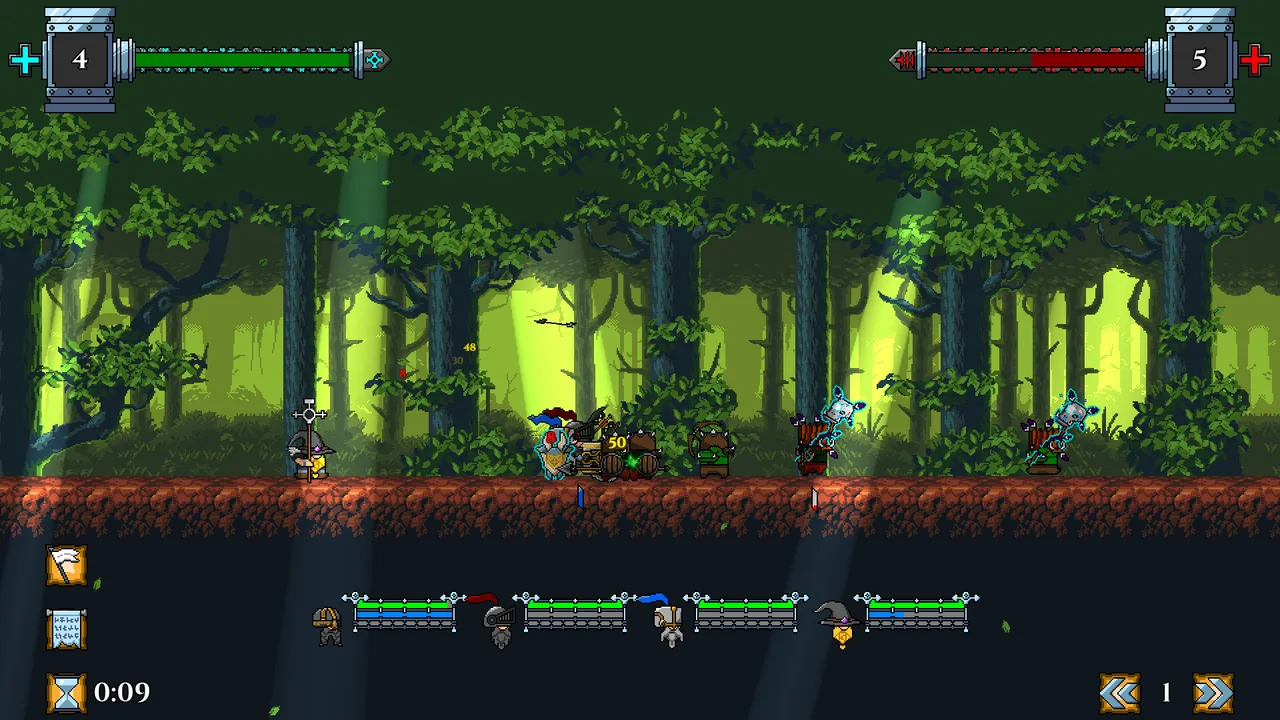
Auto-resolving battles unfold in side-view, testing the formation set up beforehandImage: Hamma Studios via Steam -
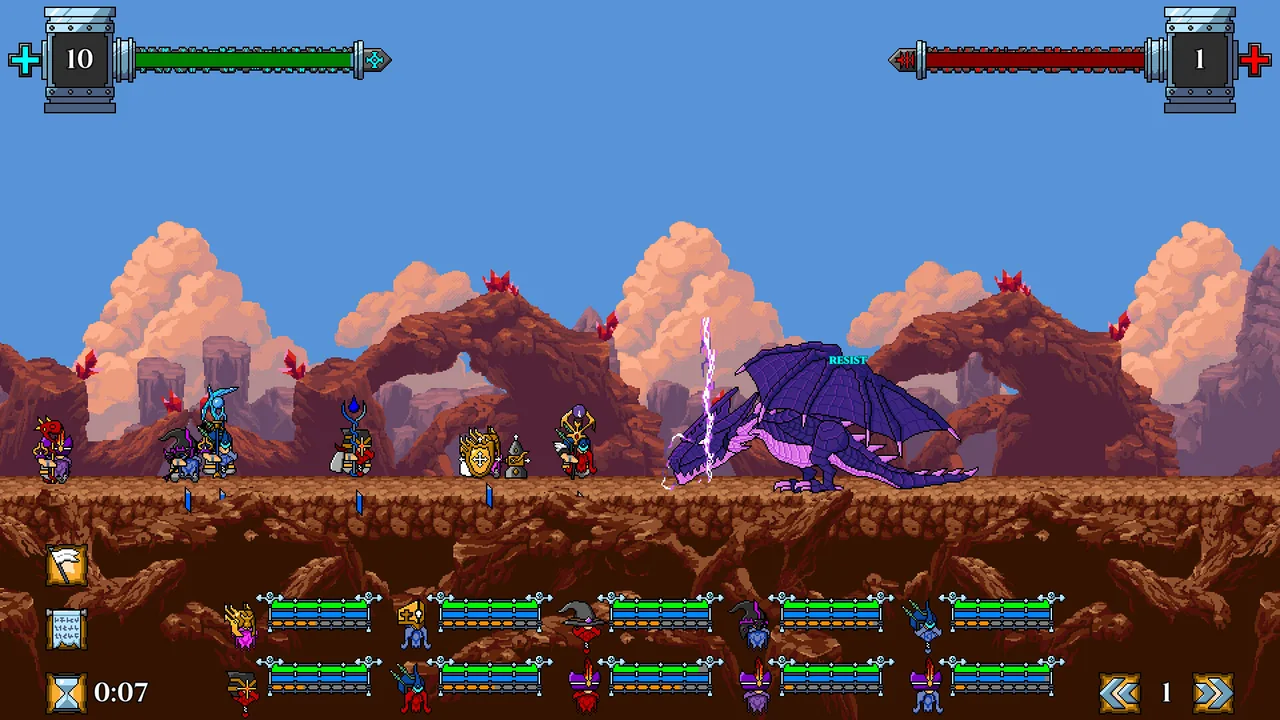
Late-run encounters scale up to imposing single enemies like this lightning-wielding dragonImage: Hamma Studios via Steam -
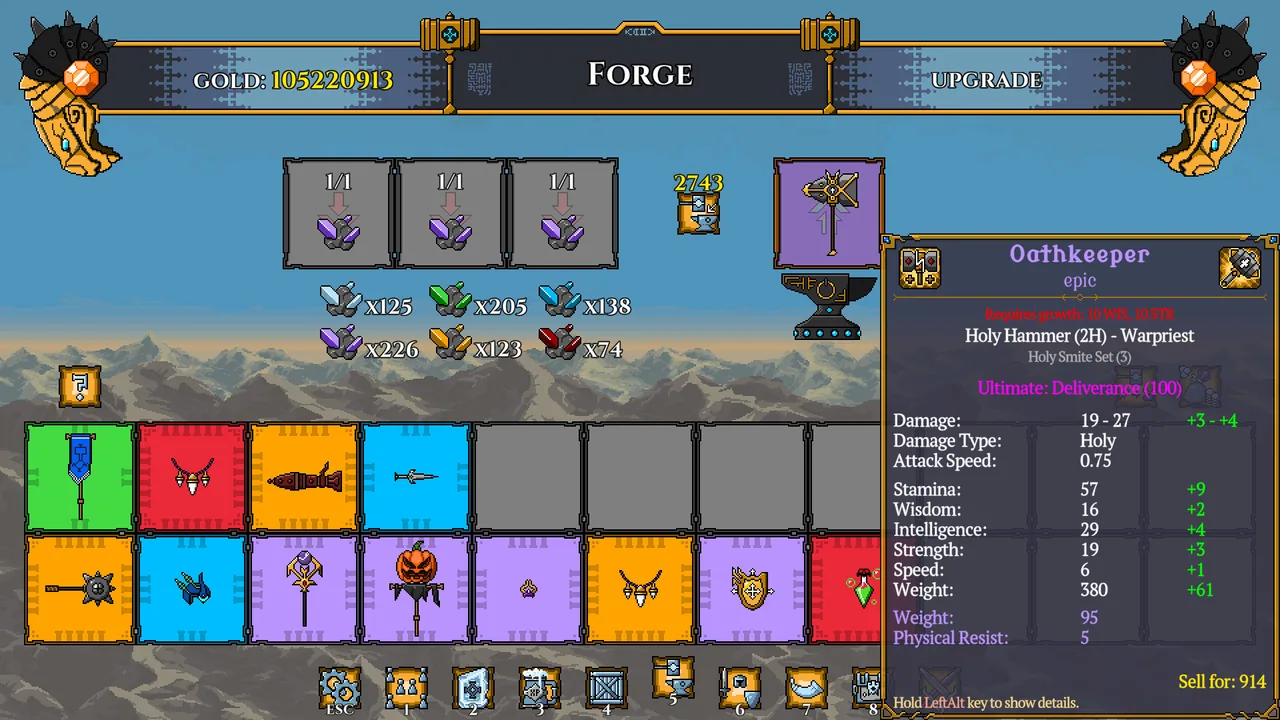
Between runs, gold and materials feed into deep gear crafting and upgrade systemsImage: Hamma Studios via Steam -
Technical specificationsWanderer Game Reviews