
Game review
Curse of the Ethereal Dragon
7.3 / 10
- Developer
- Crow with Gun
- Publisher
- Crow with Gun
The short version
Biggest strengths
- Genuinely funny writing that never takes its own premise too seriously
- Negotiate-or-fight boss encounters offer meaningful tactical variety over straight combat
- Hand-drawn sprites, portraits and attack animations give the small budget real visual charm
Biggest weaknesses
- Presentation can feel rough at first glance and risks turning newcomers away before it clicks
- A strictly linear structure limits exploration compared to genre peers with open dungeons
- Only four dungeons means the six-to-eight-hour campaign ends just as builds start to mature
7.3 / 10
Overview
Curse of the Ethereal Dragon is a small, hand-drawn JRPG from solo-flavored studio Crow with Gun, built around a mystery in the snowy mountain town of Cliffside and told through the lens of two mismatched investigators. It's an unassuming package on paper, priced modestly and running a lean six to eight hours, but reviewers were unanimous in finding far more substance underneath the plain surface than its low profile suggests. One review described the experience as something you have to "roll up your sleeves" for, arguing that players who approach it passively will miss what makes it work, while those willing to dig into its systems and humor come away calling it a labor of love. That split between initial impression and eventual payoff defines the whole experience. Priced at just a few dollars, it's the kind of release that could easily be dismissed as throwaway shovelware from its store page alone, and reviewers repeatedly pushed back against that assumption, with one calling it "an insane amount of soul and hard work" for the asking price.
Story and Characters
The plot follows Mortimer Sadbag, a self-styled "master negotiator" and businessman-author, and Moory the Pirate, a perpetually drunk brawler, as they investigate a string of disappearances in Cliffside. The pairing is deliberately odd, and the game leans into it: Mortimer can summon ghosts to fight on his behalf, while Moory powers up by drinking scrumpy, and the tonal gap between the two characters fuels much of the writing's comedy. Reviewers consistently praised the humor as a highlight, describing the story as "cute" and "funny" without ever losing its footing or becoming exhausting over the runtime, and additional optional party members with their own quirks round out the roster for players willing to seek them out. The game clearly draws on genre comedy staples without imitating any single one directly, giving Cliffside's cast a personality distinct from typical JRPG melodrama. One reviewer even likened the overworld structure to Oregon Trail crossed with a JRPG, a comparison that captures how the game blends its journey-driven framing with turn-based dungeon delving rather than presenting a conventional open map. Small touches of absurdity recur throughout the adventure too, from an unexpectedly popular recruitable "big rat" companion that multiple reviewers singled out by name, to scattered secrets that reward attentive players with jokes as much as loot, both reinforcing that the writing's commitment to its own weirdness runs all the way down to the smallest details.
Gameplay and Mechanics
Combat is turn-based and structured around a distinctive negotiate-or-fight choice at every boss encounter, letting players either battle a foe outright or attempt to talk their way to a resolution instead. This single mechanic does a lot of work to keep encounters from feeling interchangeable, since it recontextualizes each major fight as a decision rather than a foregone conclusion. Party members learn new skills by equipping items rather than through level-based unlocks, which several reviewers highlighted as a meaningful freedom: builds can be reshaped on the fly by swapping equipment rather than being locked into choices made hours earlier. Four dungeons house the bulk of the challenge, packed with unique monsters, overworld puzzles, and hidden treasure with powerful effects, and reviewers specifically called out the puzzle design and the sheer amount of optional armor and weapon combinations as reasons the low asking price felt like a steal. Playtimes reported by reviewers varied enormously, from under an hour for players who bounced off the presentation early to well over ten hours for those who chased down every optional fight and hidden treasure, underlining just how much the negotiate-or-fight structure and item-based builds reward deliberate, curious play over a straightforward critical-path run.
Visual Style and Sound Design
Nearly everything in the game, sprites, character art, attack animations, and most of the music, is hand drawn, and that handmade quality comes through in the finished product even on a clearly limited budget. Reviewers responded warmly to the artwork specifically, with one calling it a perfect match for the score, and the cartoonish, top-down pixel aesthetic gives Cliffside and its dungeons a distinct, slightly off-kilter personality that fits the writing's tone. The presentation isn't polished in the way a larger studio's JRPG would be, and that roughness is part of why first impressions can undersell the game, but the sincerity and consistency of the hand-drawn style ultimately reads as a strength rather than a limitation once the game's humor and systems start to click.
Progression and Replayability
At six to eight hours, Curse of the Ethereal Dragon is a tightly scoped campaign rather than a sprawling adventure, and its four dungeons are packed densely enough with secrets, puzzles, and optional content to reward players who search every corner rather than rushing the critical path. The item-based skill system gives some incentive to experiment with different loadouts across a playthrough, though the game's linear structure means that experimentation happens within a fairly fixed sequence of areas rather than an open world to revisit. There's plenty of bonus content scattered throughout for those who enjoy searching, and reviewers noted this optional material can meaningfully extend playtime, but the core story itself doesn't offer branching paths or multiple endings beyond finding what's hidden along the way.
Verdict
Curse of the Ethereal Dragon is a modest, hand-crafted JRPG that rewards patience and curiosity far more than its unassuming presentation suggests at first glance. Its negotiate-or-fight boss structure and item-driven skill system give it real mechanical identity within a crowded genre, and its comedic writing and hand-drawn art carry a level of care that punches well above its low price point. It won't convert players looking for a sprawling, open-ended RPG, and its rough edges may cost it some first impressions, but for anyone willing to dig in, it's a genuinely funny, well-crafted six-to-eight-hour adventure worth the asking price.
Pros and cons
Pros
- Genuinely funny writing that never takes its own premise too seriously
- Negotiate-or-fight boss encounters offer meaningful tactical variety over straight combat
- Hand-drawn sprites, portraits and attack animations give the small budget real visual charm
- Item-based skill learning frees party builds from a rigid, predictable leveling grind
Cons
- Presentation can feel rough at first glance and risks turning newcomers away before it clicks
- A strictly linear structure limits exploration compared to genre peers with open dungeons
- Only four dungeons means the six-to-eight-hour campaign ends just as builds start to mature
- Its off-kilter humor and pacing won't land for players wanting a more traditional JRPG tone
Screenshots
-
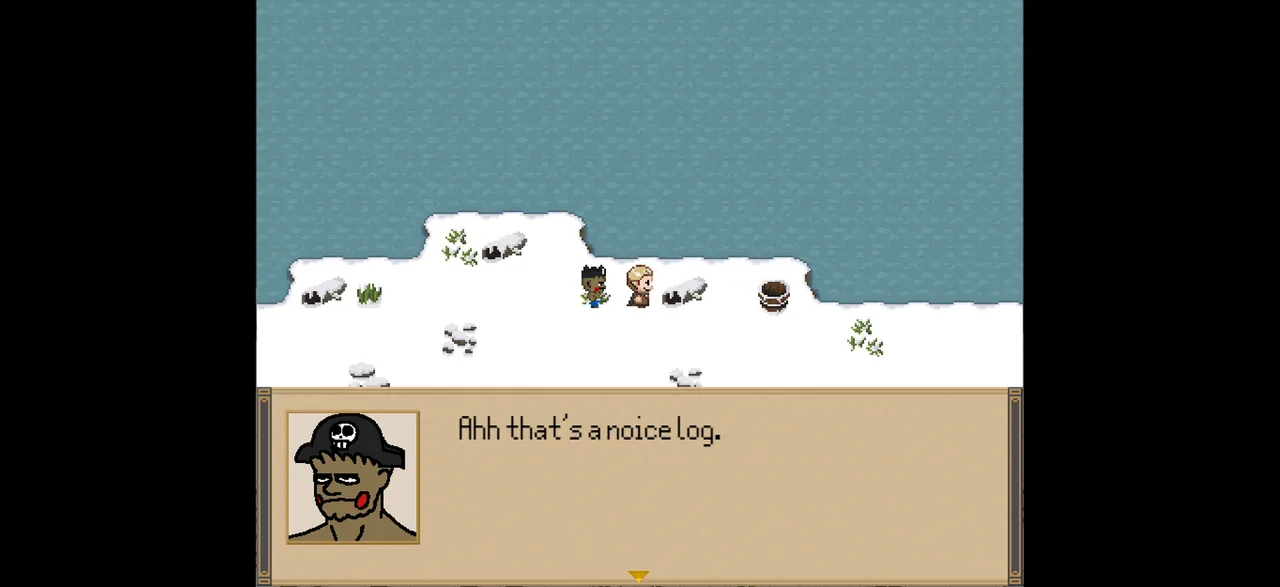
The game's off-kilter humor surfaces even in throwaway overworld dialogueImage: Crow with Gun via Steam -
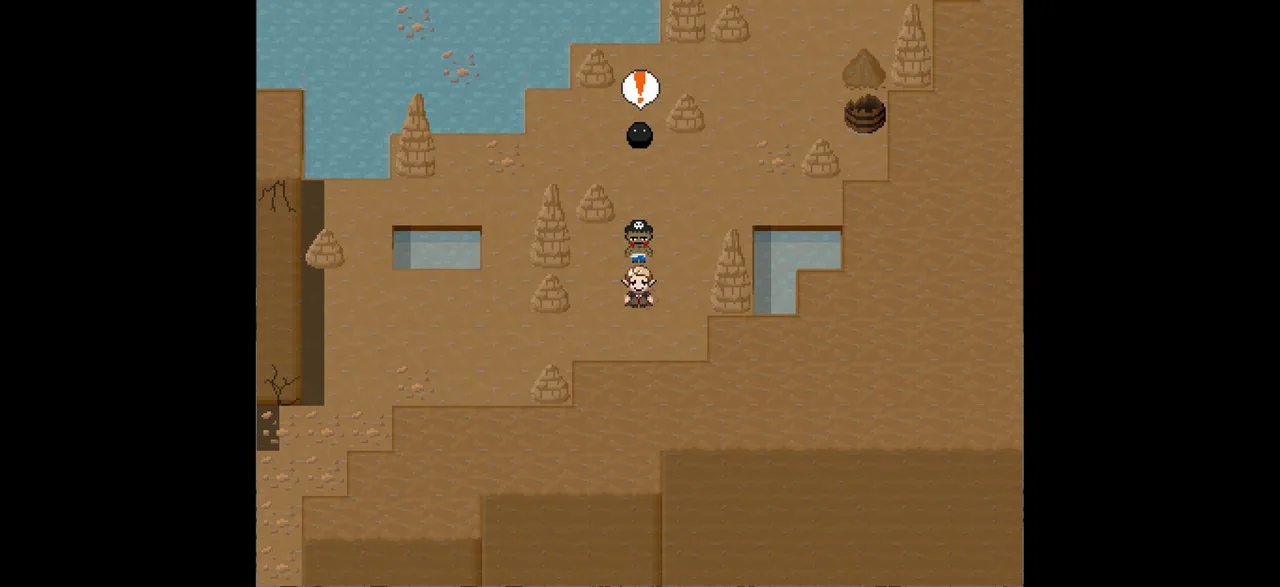
Overworld exploration blends puzzle-solving with the game's linear dungeon structureImage: Crow with Gun via Steam -
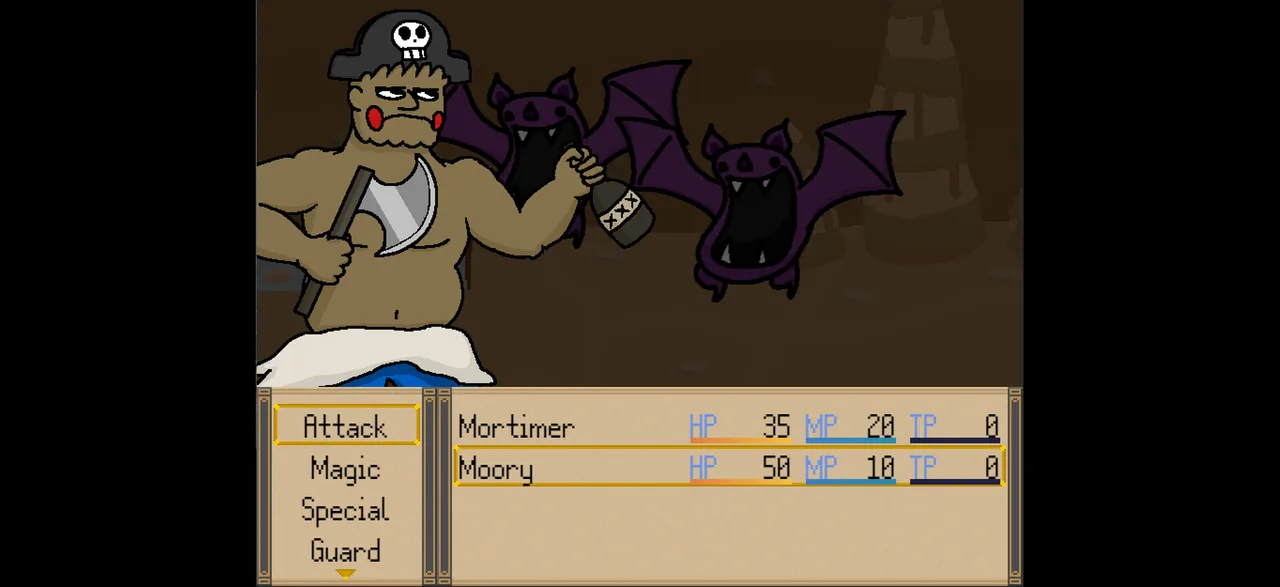
Turn-based combat pits the party against the dungeons' unique monster designsImage: Crow with Gun via Steam -
Technical specificationsWanderer Game Reviews