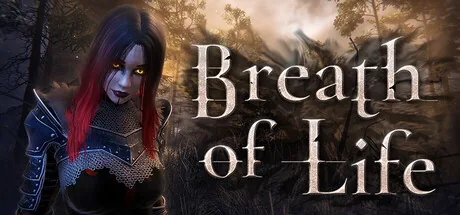
Game review
Breath of Life
5.5 / 10
- Developer
- Satur Entertainment
- Publisher
- Satur Entertainment
The short version
Biggest strengths
- Cheap, generous playtime that reviewers stretched to dozens of hours despite the game's simplicity
- Strong, atmospheric dark-fantasy art direction and a genuinely likable customizable protagonist
- Low-stakes, low-dialogue loop that works well as relaxed background play
Biggest weaknesses
- Combat stays shallow and repetitive throughout, with several reviewers comparing it to clicker games
- Confusing, unmapped larger areas make basic navigation an unnecessary chore
- Poor enemy AI leads to erratic, immersion-breaking encounters rather than genuine challenge
5.5 / 10
Overview
Breath of Life is a dark-fantasy, third-person action RPG from Satur Entertainment casting the player as an Incarnation, an artificial being woven from the Void and sent into Cursed Lands where the dead refuse to stay buried. The pitch is grim and atmospheric, chasing an artifact capable of either saving or destroying a dead world, but the reviews that piled up after launch describe something considerably humbler in practice: a modest, arena-and-loot action RPG that knows exactly what it is and mostly delivers on that narrow promise. Reception landed at a solid 80% positive across a healthy pool of English reviews, with the recurring theme being that the game earns forgiveness for its rough edges by being cheap, honest, and strangely relaxing to play in short bursts.
Story and Setting
The framing casts the player character as a golem-like Incarnation created by cultists too afraid to enter the Cursed Lands themselves, tasked with reaching the titular "Breath of Life" artifact through a series of portals into increasingly hostile territory. It's deliberately thin on traditional heroism, leaning instead on atmosphere: whispering ruins, restless dead, and a Refuge Village hub where a smith and merchants offer the only respite between expeditions. Reviewers largely treated the narrative as background dressing rather than a driving force, with one noting the game has "very little in the way of dialogue," a trait they framed as a feature rather than a flaw since it let them play comfortably alongside a podcast or video without missing anything essential. Multiple reviewers specifically praised the protagonist's character creation and design, with several calling out the appeal of a well-realized, non-exploitative female lead, and one reviewer explicitly welcomed it as "refreshing to find a game that has a female protagonist" built with genuine care rather than gratuitous intent.
Gameplay and Mechanics
Mechanically, Breath of Life boils down to a simple loop: teleport into an arena or a longer linear zone, fight waves of the risen dead, loot gear and materials, then return to town to forge, upgrade, and invest in Rune-based abilities before heading back out. Several reviewers were blunt about how little depth sits underneath that loop, with one describing the combat as "clicker-level simplistic," largely amounting to right-click attacks and occasional dodges, and another comparing the moment-to-moment feel unfavorably to genre peers offering more mechanical variety. The larger, non-arena zones drew particular criticism for confusing, maze-like layout without any map, with one reviewer reporting they quit less than halfway through the game specifically because they couldn't find their way back to an exit. Enemy AI came in for repeated criticism too, with reviewers describing foes that struggle to locate the player during ordinary movement and behave erratically as a result, undermining tension rather than building it. A handful of technical complaints round out the launch picture: missing dodge sound effects, and at least one report of colliding improperly with supposedly solid geometry, both flagged by a reviewer who found it hard to square with a full release rather than an early access build. On the more positive side, the loot, crafting, and Rune systems gave several reviewers enough of a build-crafting hook to stay engaged far longer than the shallow combat alone would suggest, with one dedicated player logging over 30 hours and citing armor and weapon variety as the reason to keep going.
Visual Style and Sound Design
Reviewers were consistently positive about the game's dark-fantasy presentation, praising its atmosphere, landscape detail, and character and armor designs even when they were critical of everything underneath. One reviewer acknowledged the game reuses purchased asset packs rather than fully bespoke art, "it's an asset flip, but it works," a fair summary of the overall reception: competent, even attractive presentation built on a modest budget rather than groundbreaking original art. That visual competence came at a real cost for some players, though, with one reviewer reporting CPU usage in the 33-50% range at max settings and correspondingly heavy GPU load, arguing the performance demands outstripped what the visuals actually delivered, and another describing their system running hotter on this game than on far more visually demanding titles.
Progression and Replayability
Character growth follows a familiar loot-and-level structure, gaining experience and better gear through repeated missions while investing in a Rune system that lets players shape a preferred playstyle over time. Several reviewers flagged the pacing of this progression as uneven, describing leveling as "comically slow" at points and criticizing low enemy density for limiting how much experience a single mission actually yields, while others found the grind meditative rather than frustrating specifically because it demanded so little active attention. Replay incentive comes mainly from character customization variety, different armor sets and builds rather than branching content, and reviewers broadly agreed the roughly full completion many logged, several in the 15-to-40-hour range, represented fair value against a low asking price, especially with a free demo available to sample the loop before committing.
Verdict
Breath of Life is an unambitious but generally honest arena action RPG, appealing to players who want low-effort, atmospheric hack-and-slash progression to enjoy while doing something else, rather than a demanding, mechanically rich souls-like. Its shallow combat, confusing navigation in larger zones, weak enemy AI, and surprisingly heavy performance cost for the visual payoff keep it well short of genre standouts, but its price, generous playtime, and genuinely appealing art direction and character design earned it real goodwill from the players who tried it. Worth a look for fans of cozy, undemanding loot loops willing to overlook rough mechanical edges, best sampled via the free demo first to confirm the simplicity clicks before buying in.
Pros and cons
Pros
- Cheap, generous playtime that reviewers stretched to dozens of hours despite the game's simplicity
- Strong, atmospheric dark-fantasy art direction and a genuinely likable customizable protagonist
- Low-stakes, low-dialogue loop that works well as relaxed background play
- Active, patching developer that reviewers repeatedly said deserves continued support
Cons
- Combat stays shallow and repetitive throughout, with several reviewers comparing it to clicker games
- Confusing, unmapped larger areas make basic navigation an unnecessary chore
- Poor enemy AI leads to erratic, immersion-breaking encounters rather than genuine challenge
- Demanding CPU and GPU load for visuals that several reviewers felt didn't justify the performance cost
Screenshots
-
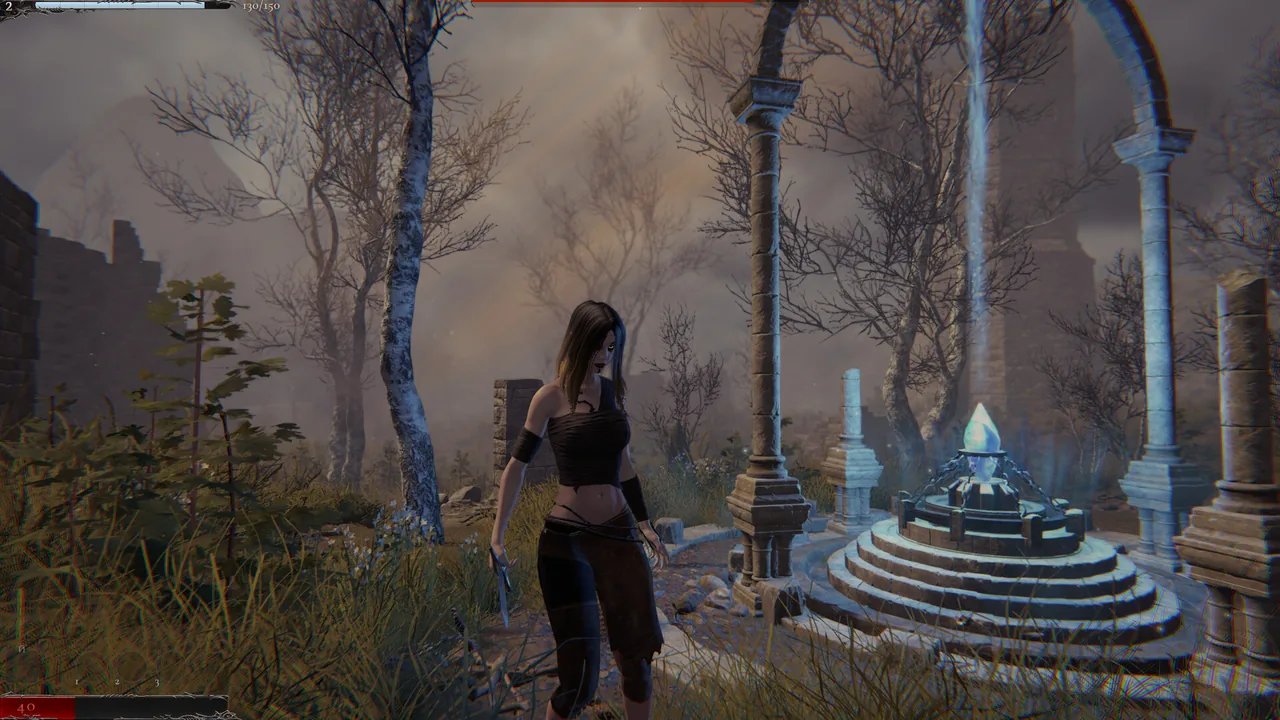
A ritual shrine marks the entrance to one of the game's Cursed Lands portalsImage: Satur Entertainment via Steam -
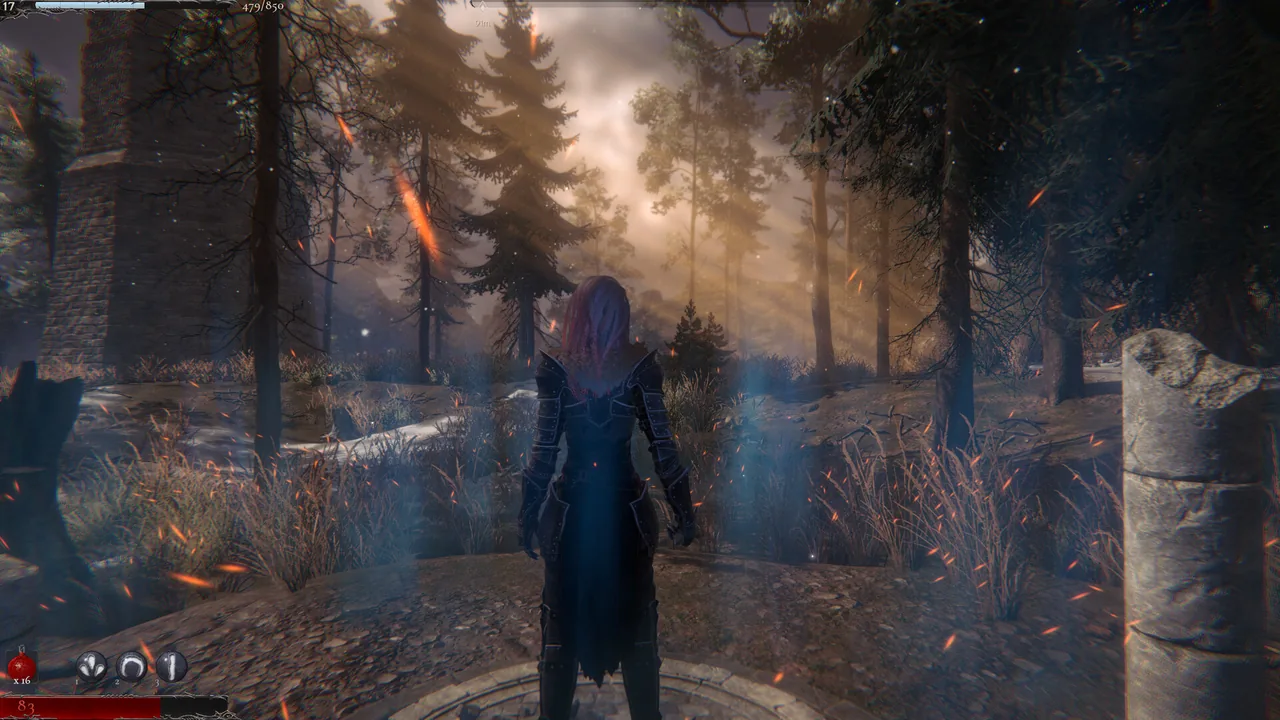
The game's dark-fantasy forest zones lean heavily on atmospheric lighting and particle effectsImage: Satur Entertainment via Steam -
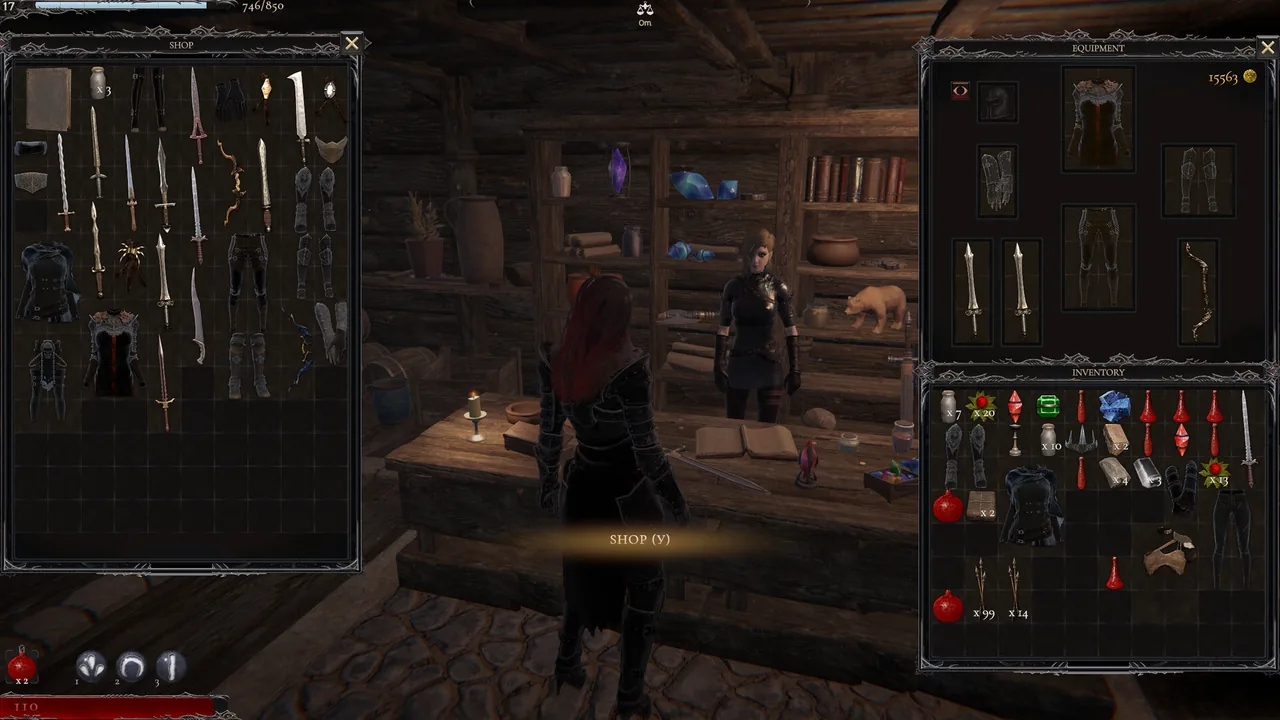
The Refuge Village hub is where looted gear gets sold, bought, and equipped between runsImage: Satur Entertainment via Steam -
Technical specificationsWanderer Game Reviews