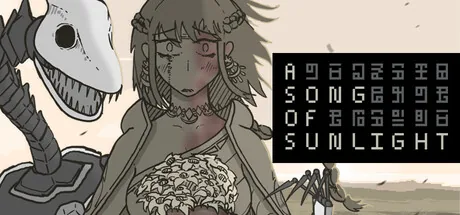
Game review
A Song Of Sunlight
8.8 / 10
- Developer
- RageForDragons
- Publisher
- RageForDragons
The short version
Biggest strengths
- Genuinely exceptional writing and worldbuilding, with reviewers consistently ranking it among the best narratives they've played in any medium
- A distinctive pseudo-turn-based combat system, likened to 'turn-based Sekiro,' that layers real tactical depth onto reflex-based blocking and countering
- Completely free, with production values, voice-free but fully illustrated storytelling, and original music that reviewers repeatedly said would justify a full price tag
Biggest weaknesses
- Only two of a planned multi-chapter story are currently available, ending on a cliffhanger with no confirmed date for the next installment
- A slow-burning opening stretch, heavy on walking and dialogue before the combat and dungeon-crawling systems open up, that some reviewers flagged as a pacing hurdle
- Combat's tight parry and dodge timing windows were described as demanding, with at least one reviewer admitting they struggled with the precision required
8.8 / 10
Overview
A Song Of Sunlight is a free-to-play narrative RPG from solo developer RageForDragons, released in January 2026 as an episodic work currently comprising two chapters of a longer planned story. It pairs a heavily narrative-driven, visual-novel-style presentation with a distinctive, reflex-demanding combat system for its dungeon-crawling sections, and it landed to a rare, essentially unanimous Very Positive reception, with English-language reviewers repeatedly expressing disbelief that writing, art, music, and combat of this quality were being given away for nothing.
Story and Setting
The game follows Arem, a young man raised within The Settlement, a small, three-thousand-strong community of sun-worshippers living atop a vast, mysterious underground megastructure known as The Well, which tradition strictly forbids anyone from entering. Arem's coming-of-age as a "Woundbearer," his love for Sachita, an ostracized woman known as the burning girl, and the sudden responsibilities that shatter his understanding of his own people form the emotional spine of the opening chapters, which reviewers described as a slow but deliberate burn that rewards patience with genuinely affecting payoffs. Multiple reviewers singled out the writing as the game's single greatest strength, with one calling it some of the best they'd encountered in any game and several noting they felt guilty playing something this well-crafted for free. The narrative unfolds primarily through illustrated, dialogue-heavy kinetic-novel-style sequences without branching choices, layered over day-and-night structure: daytime sequences have Arem carrying out duties within the Settlement and building relationships with its inhabitants, while nighttime sends him down into the Well's desolate, danger-filled corridors. Reviewers who stuck past the deliberately unhurried opening consistently reported the character writing paying off, describing the cast as flawed, complex, and worth caring about, and several specifically praised a toggleable option that lets players adjust how graphic certain thematic content becomes, a thoughtful touch given the game's self-harm and psychological-horror themes.
Gameplay and Mechanics
Combat runs on what the developer calls a pseudo-turn-based system, and reviewers reached for comparisons like "turn-based Sekiro" or a hybrid of Soulslike parry timing with methodical, deliberate turn structure to describe it. Rather than free-flowing real-time action, players make calculated split-second decisions to attack, block, evade, and look for openings against multiple enemies, with weapon reach and positioning determining whether an attack actually connects. Several reviewers praised how the system builds in complexity as chapters progress, introducing new enemy types with distinct patterns for tripping up blocks and dodges, and highlighted genuinely satisfying moments from landing perfect parries and counters. That precision cuts both ways: at least one reviewer candidly admitted struggling with the tight timing windows, and the difficulty curve was consistently described as demanding rather than forgiving, particularly once stamina management enters the equation on more specialized builds. For players who came for the story rather than a challenge, a dedicated Story Mode strips out the punishing combat entirely, a design choice multiple reviewers called out approvingly as a smart way to keep the narrative accessible without diluting the combat experience for players who want it. Outside combat, exploration of the megastructure yields equipment and crafting materials that let players build toward different playstyles, with one reviewer describing a stamina-hungry spear-and-counter build that traded self-inflicted risk for devastating punish windows, evidence of real build variety even this early in the game's development.
Visual Style and Sound Design
The game's illustrated art style, delivered through static and semi-animated panels during its narrative sequences, drew consistent praise for its atmosphere and mood, with several reviewers specifically crediting the visual presentation alongside the writing for making the Settlement and the Well feel like real, lived-in places worth caring about. The original score came in for particularly strong and repeated praise, with multiple reviewers saying the soundtrack alone would be worth purchasing separately and that the music was instrumental in building tension and emotional weight during key narrative beats, several described experiencing genuine chills during pivotal scenes. Minor technical rough edges surfaced too, including at least one reviewer noting a looping issue with one of the slower walking animations, alongside occasional awkward word choices in the script, the kind of small imperfections expected from a solo-developer project still being actively polished.
Progression and Replayability
Character growth blends leveling with equipment discovery and build customization, with reviewers comparing the structure loosely to Metroidvania-style dungeon crawling layered on top of the visual-novel narrative core, complete with Soulslike checkpoint and leveling conventions that will feel immediately familiar to genre fans. With only two chapters currently released, ending on a cliffhanger, the game's replay value at this point in its development leans more on completionist build experimentation and revisiting favorite story beats than on branching narrative outcomes, since the dialogue-driven story sequences don't currently offer meaningful choice-based divergence. Several reviewers explicitly framed their five-star recommendations as provisional, expressing eagerness for a next chapter with no confirmed release date, but noted that even in its current unfinished state, the roughly ten-to-twenty-hour experience across two chapters already stands on its own as a complete, satisfying arc.
Verdict
A Song Of Sunlight is an extraordinary achievement for a free, solo-developed release, pairing genuinely exceptional narrative writing with a combat system distinctive and demanding enough to stand alongside far bigger-budget genre peers. Its slow-burning opening and unfinished, two-chapters-of-a-longer-story state are the only real caveats worth weighing, and neither comes close to outweighing the sheer quality on display elsewhere. Strongly recommended for anyone with any interest in visual novels, Soulslike combat, or simply well-told stories, and given the price of admission is nothing at all, there is very little reason not to see what has so many reviewers this enthusiastic.
Pros and cons
Pros
- Genuinely exceptional writing and worldbuilding, with reviewers consistently ranking it among the best narratives they've played in any medium
- A distinctive pseudo-turn-based combat system, likened to 'turn-based Sekiro,' that layers real tactical depth onto reflex-based blocking and countering
- Completely free, with production values, voice-free but fully illustrated storytelling, and original music that reviewers repeatedly said would justify a full price tag
- A dedicated Story Mode option lets players who want the narrative without punishing combat still experience the full game
Cons
- Only two of a planned multi-chapter story are currently available, ending on a cliffhanger with no confirmed date for the next installment
- A slow-burning opening stretch, heavy on walking and dialogue before the combat and dungeon-crawling systems open up, that some reviewers flagged as a pacing hurdle
- Combat's tight parry and dodge timing windows were described as demanding, with at least one reviewer admitting they struggled with the precision required
- Minor early-development rough edges, including a looping walk animation and occasional awkward word choices in the script
Screenshots
-
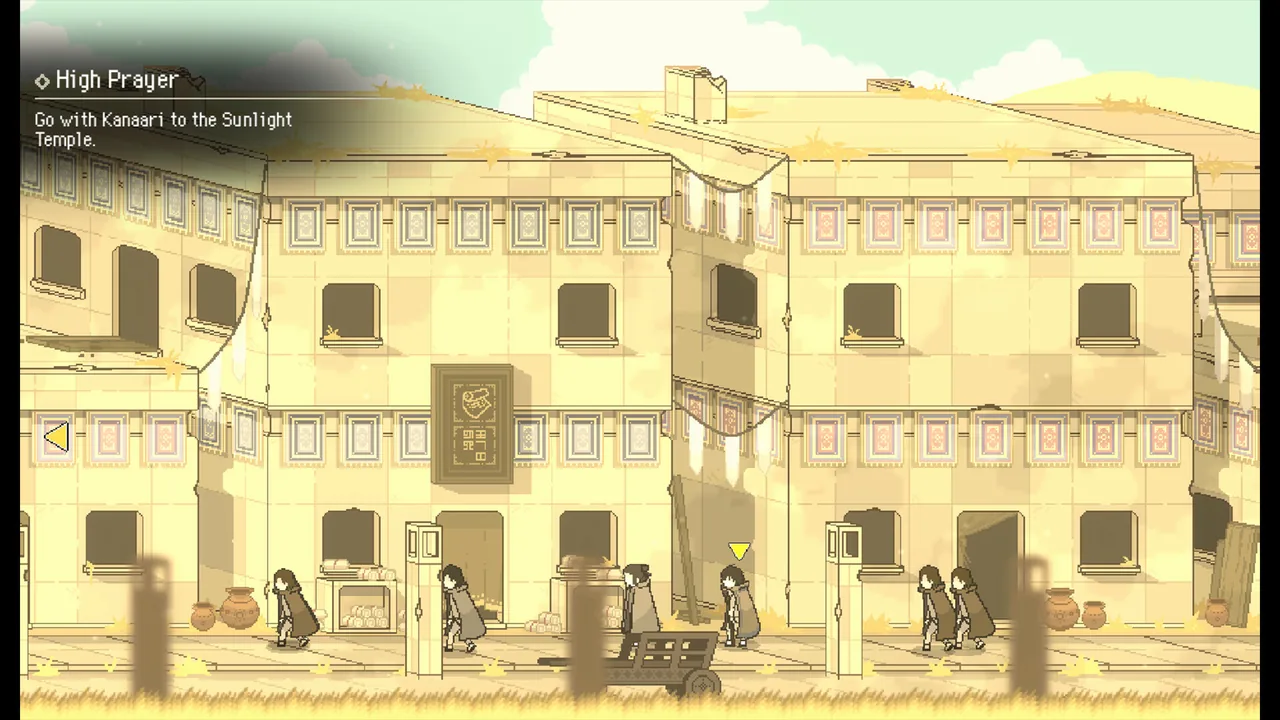
Daytime sequences have Arem carrying out duties and quests within the sun-worshipping SettlementImage: RageForDragons via Steam -
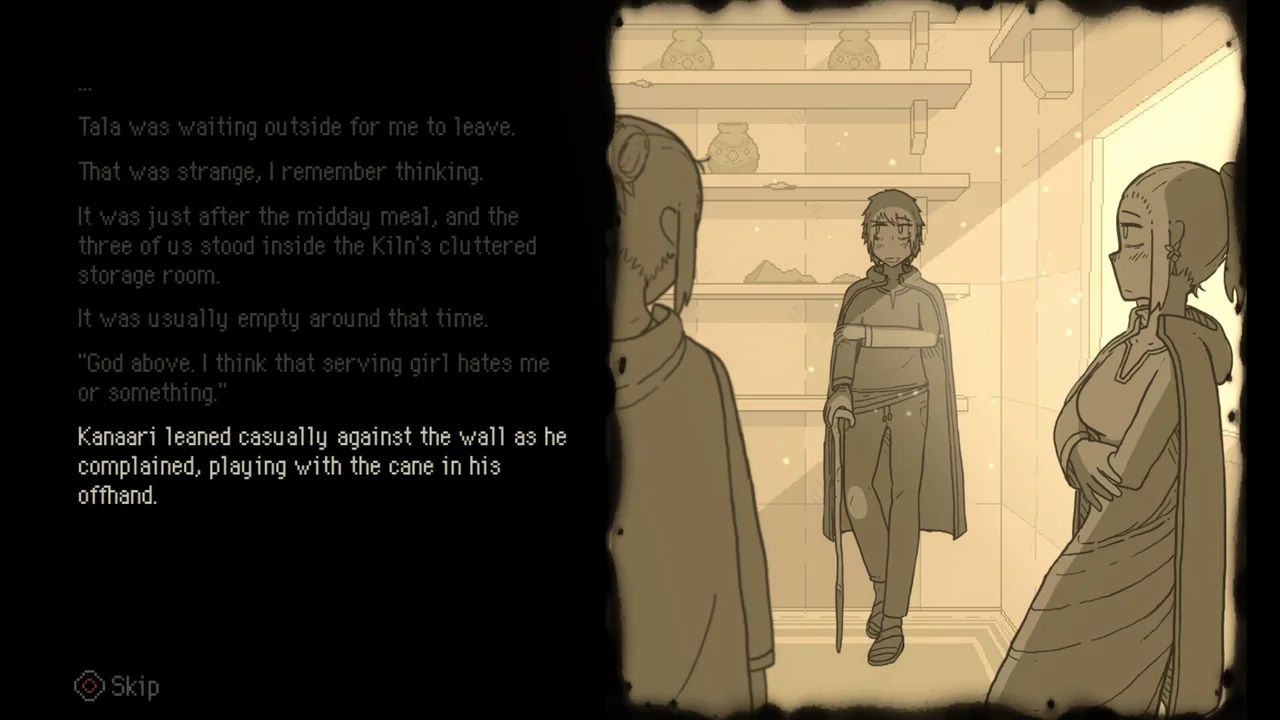
The story unfolds through illustrated, dialogue-heavy kinetic-novel-style sequencesImage: RageForDragons via Steam -
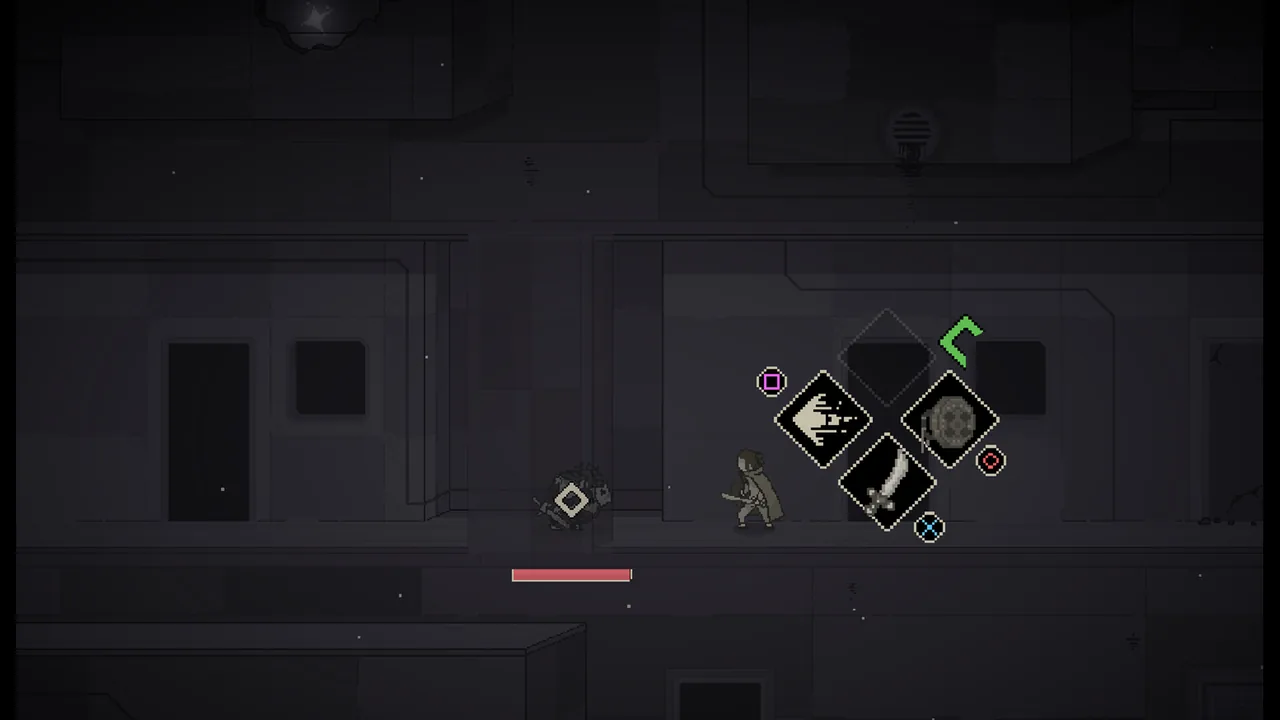
Combat encounters in the Well ask players to read prompts and react with split-second attack, block, and evade decisionsImage: RageForDragons via Steam -
Technical specificationsWanderer Game Reviews